Shunara Spring (Nagano Prefecture) Complete Guide | Access and Charm of Ueda City’s Renowned Water Spot
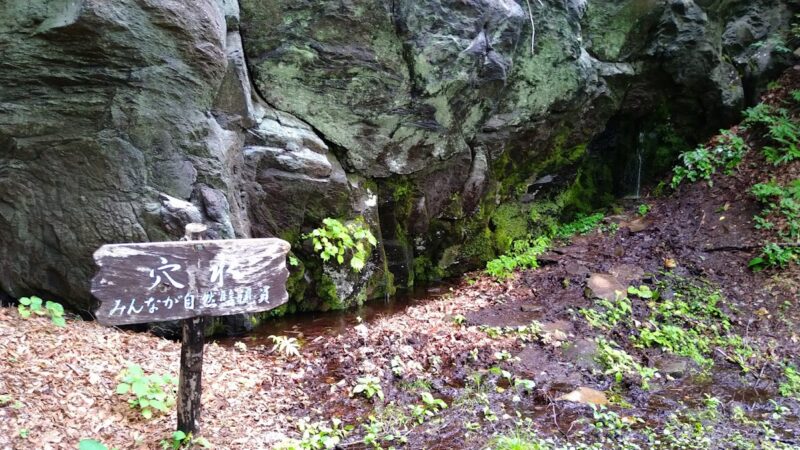
In the mountainous region of Ueda City, Nagano Prefecture, along the prefectural road leading to Shunara Pass, “Shunara Spring” flows forth—a renowned water spot that attracts not only local residents but also visitors from distant places who come to collect water. Known as one of the “representative springs of Nagano Prefecture” selected by the Ministry of the Environment, the clear water gushing from between rocks in multiple streams soothes the hearts of all who visit.
This article provides comprehensive information about Shunara Spring, covering everything from basic information and historical background to access methods, water quality characteristics, and nearby tourist attractions—all the details you should know when visiting this renowned water source.
Basic Information About Shunara Spring
Shunara Spring is a natural spring located in the Kawanishi district and Kamimurog of Ueda City, Nagano Prefecture. It lies along Prefectural Road 273 (Ueda-Chikuhoku Line) that continues to Shunara Pass, with clear water gushing from the rocky terrain facing a curve in the mountain road.
Location and Basic Data
- Location: Kamimurog, Ueda City, Nagano Prefecture
- Elevation: Approximately 800 meters
- Water Flow: Stable discharge throughout the year
- Water Temperature: Approximately 10-12 degrees Celsius year-round
- Parking Space: Parking available for several vehicles near the spring
- Access Hours: 24-hour access possible (exercise caution regarding snow and ice in winter)
- Management: Maintenance and management by local neighborhood association
It is counted among the “representative springs of Nagano Prefecture” selected by the Ministry of the Environment, and due to its excellent water quality and convenience, it is cherished as the most famous water spot in Ueda City.
Geographic Location and Access Methods
Access to Shunara Spring takes approximately 30-40 minutes by car from Ueda City center. The route is mountain road, so careful driving is essential.
Access by Car (Detailed Route)
Route from Ueda City Center:
- Head toward Aoki Village on National Route 143
- Turn right toward the Muroga area where Muroga Onsen “Sasara no Yu” is located
- Enter Prefectural Road 160, then continue to Prefectural Road 273
- Travel toward Shunara Pass on the mountain road
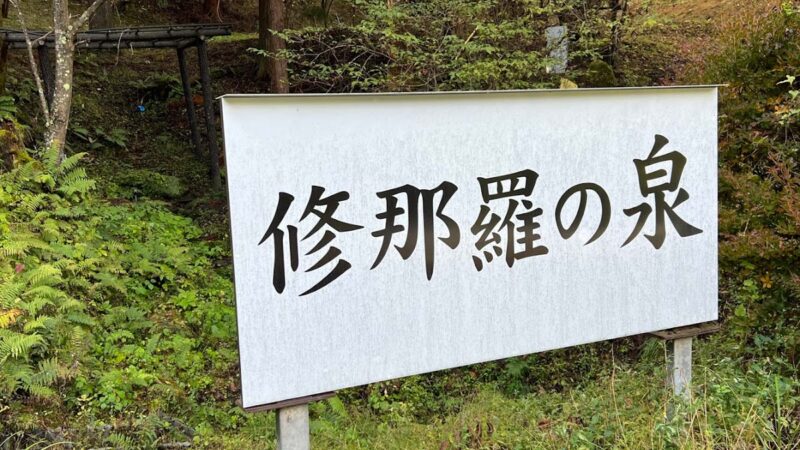
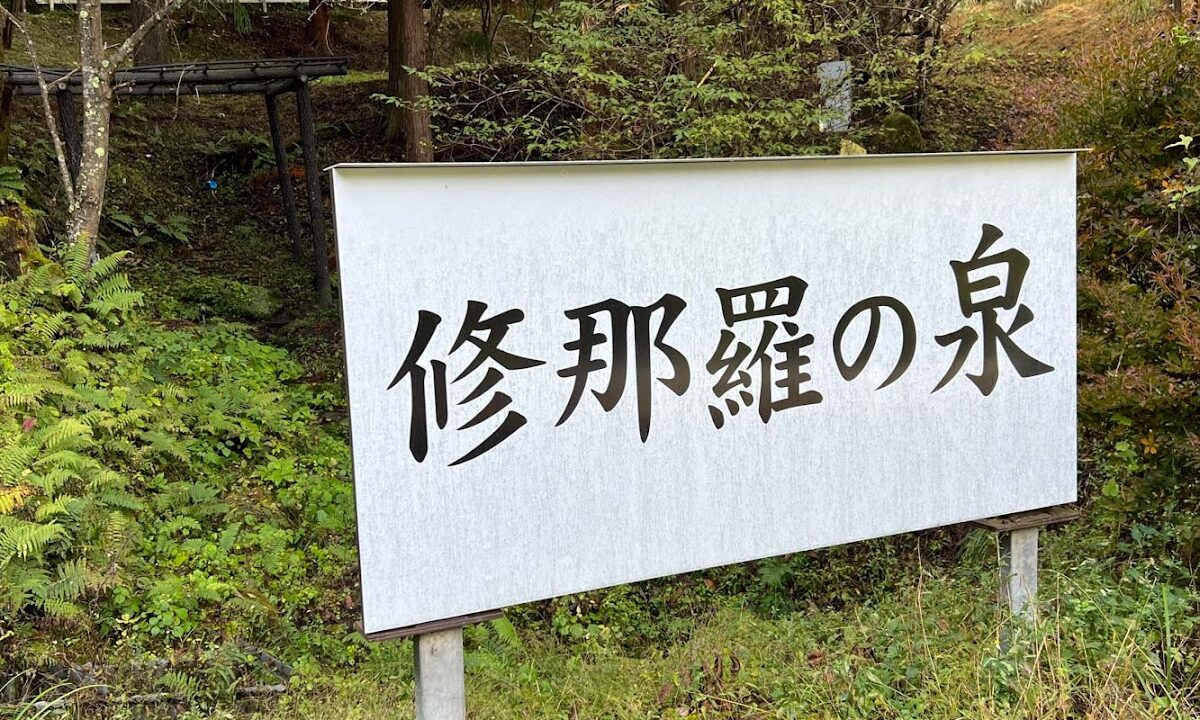
- Look for a large sign reading “Shunara Spring” on a curve in the mountain pass
The road gradually narrows and the atmosphere becomes increasingly mountainous. The pass road has informational signs at various points, making it relatively easy to navigate even for first-time visitors. A large sign is also posted at the spring location.
Distances from Major Cities
- Ueda City Center: Approximately 15 km (30-40 minutes by car)
- Nagano City: Approximately 50 km (approximately 1 hour 15 minutes by car)
- Matsumoto City: Approximately 60 km (approximately 1 hour 30 minutes by car)
Access Precautions
- Winter (December-March): High likelihood of snow and ice, making studless tires or chains essential
- Road Width: Prefectural Road 273 is a mountain road with narrow sections, requiring attention to oncoming traffic
- Curves: The mountain pass has sharp curves that continue; slow down and drive carefully
- Cell Phone Signal: Signal may be weak in mountainous areas, so confirm your map beforehand
Public transportation access is difficult, so the use of a personal vehicle or rental car is recommended.
Origin, History, and Cultural Connection of Shunara Spring
The place name “Shunara” has deep historical roots in this region. Shunara Pass has long been an important mountain pass connecting Ueda City and Chikuhoku Village (formerly Sakai Village).
Historical Significance of Shunara Pass
On the Chikuhoku Village side of Shunara Pass stands “Shunara Mountain Amiya Shrine,” which has been an object of faith since ancient times. Along the mountain pass, numerous stone Buddhas are enshrined, and they have long watched over the safety of travelers crossing the pass. Shunara Spring is believed to have served as a precious water source for such travelers.
Origin of the Place Name
The origin of the place name “Shunara” has various theories, including one that it derives from Sanskrit and another that it comes from a name related to geography. In any case, it is clear that this location has been recognized as a special place since ancient times.
Connection with the Local Community
Currently, Shunara Spring is carefully maintained by the local neighborhood association. The spring has been improved to make water collection easy and is kept clean thanks to the cooperation of community residents. Many people from other municipalities come with plastic containers to collect water, and this high popularity has become a source of pride for the region.
Spring Properties, Water Quality, and Drinkability
The water quality of Shunara Spring receives high praise from many users. Here we introduce its water quality characteristics and information regarding consumption.
Water Quality Characteristics
Shunara Spring’s water is naturally filtered groundwater that flows through the mountain’s bedrock. Its main characteristics are as follows:
- Hardness: Relatively soft water to moderately hard water
- pH Level: Weakly alkaline to neutral
- Water Temperature: Stable 10-12 degrees Celsius year-round
- Transparency: Extremely high, very clear water quality
- Minerals: Contains appropriate amounts of mineral content
The way water gushes forth in multiple streams from the rocky terrain speaks to the abundant water volume and high natural filtration capacity.
Evaluation as Drinking Water
Many users evaluate it as “easy to drink” and “smooth,” and many consume it directly. Users report that the difference becomes apparent when using it for tea, coffee, or cooking rice.
Precautions When Consuming
Shunara Spring is natural spring water and does not undergo chlorine disinfection like tap water. When consuming, please note the following:
- Boiling Recommended: Consumption of untreated water is at one’s own risk; boiling before drinking is recommended
- Water Quality Testing: While periodic water quality testing is conducted, water quality may fluctuate due to changes in the natural environment
- Storage Method: Store collected water in a clean container in a cool, dark place and use it quickly
- Health Management: If you are unwell or your immune system is compromised, boil the water before drinking
Position on Ministry of the Environment’s Water List
Shunara Spring is recognized as one of the “representative springs of Nagano Prefecture” selected by the Ministry of the Environment. This selection evaluates not only water quality but also conservation activities in the region and historical and cultural value.
While Nagano Prefecture has many renowned waters, Shunara Spring has become particularly popular due to its good accessibility and stable water quality. Being listed on the Ministry of the Environment’s list provides public recognition of its value and serves as reassurance for visitors.
Tips and Precautions for Visiting
When visiting Shunara Spring, keeping several points in mind will allow for a more comfortable water collection experience.
Equipment and Containers to Bring
Essential Items:
- Plastic Containers/Bottles: Prepare clean containers (20-liter plastic containers are standard)
- Work Gloves: Convenient for work on rocky terrain and transporting containers
- Towel: Useful as water spray may cause you to get wet
- Flashlight: Convenient for visits at dawn or dusk
Helpful Items:
- Rubber Boots: Ground may be wet
- Picnic Sheet: Convenient for placing containers
- Funnel: Smooths water transfer into containers
- Trash Bag: Always take your trash with you
Ideal Visiting Seasons and Times
Recommended Seasons:
- Spring (April-June): Abundant water flow after snowmelt, beautiful fresh greenery
- Summer (July-September): Cool and comfortable, suitable for cooling off
- Autumn (October-November): Beautiful autumn foliage, stable weather
Seasons to Avoid:
- Winter (December-March): Snow and ice make it dangerous; roads may be closed
- After Heavy Rain: Risk of landslides, water may become cloudy
Time of Day:
Early morning (6:00-8:00 AM) and weekday mornings tend to be less crowded. Weekend afternoons may be busy, so visit with adequate time.
Manners and Rules
Shunara Spring is managed through the goodwill of the local neighborhood association. Please observe the following etiquette:
- Take Your Trash with You: Always take your trash and do not pollute the spring area
- Respect Order: Show consideration and take turns during crowded times
- Avoid Prolonged Occupation: Be considerate of those waiting
- Protect the Water Source: Do not immerse containers directly in the source; do not use detergents
- Parking Etiquette: Park so as not to obstruct other vehicles
- Mind Noise Levels: Maintain a quiet environment
- Gratitude: Do not forget to appreciate those managing and maintaining the spring
Safety Precautions
- Slips on Rocky Terrain: Move carefully as footing can be slippery
- Wildlife: Bears and wild boar may appear; carry a bell
- Sudden Weather Changes: Mountain weather changes quickly; check forecasts beforehand
- Cell Phone: Signal is weak in some areas; prepare for emergencies
Comparison of Nearby Attractions and Travel Plans
When visiting Shunara Spring, combining it with nearby tourist attractions creates a more fulfilling trip.
Muroga Onsen “Sasara no Yu”
A day-use hot spring facility approximately 15 minutes by car from Shunara Spring.
- Features: Natural hot spring, outdoor bath, dining available
- Hours: 10:00-21:00 (last entry 20:30)
- Price: Approximately 500 yen per adult (varies seasonally)
- Recommended Point: An ideal combination—refresh yourself at the hot spring after collecting water
Shunara Mountain Amiya Shrine
A historic shrine on the Chikuhoku Village side of Shunara Pass.
- Access: Park at the pass and hike approximately 800 meters on mountain trails
- Highlights: Stone Buddha groups, fresh greenery and autumn foliage, serene atmosphere
- Time Required: Approximately 1-1.5 hours round trip
- Note: Appropriate hiking clothing and footwear required
Aoki Village Area
- Aoki Village History and Culture Museum: Learn about local history
- Michi no Eki Aoki: Purchase local agricultural products and specialties
- Tazawa Onsen: Historic hot spring town
Recommended Travel Plan Examples
Day Trip Plan (Approximately 5-6 hours total)
- 8:00 AM: Depart from Ueda City center
- 8:30 AM: Collect water at Shunara Spring (30 minutes-1 hour)
- 10:00 AM: Explore Shunara Pass area or hike to Amiya Shrine
- 12:00 PM: Lunch in Aoki Village
- 1:30 PM: Hot spring at Sasara no Yu
- 3:00 PM: Return journey; stop at Michi no Eki Aoki
Overnight 2-Day Plan
- Day 1: Shunara Spring → Amiya Shrine hiking → Sasara no Yu → Stay in Aoki Village or Ueda City
- Day 2: Ueda Castle Ruins Park → Sanada no Sato sightseeing → Bessho Onsen
This way, using Shunara Spring as a starting point, you can enjoy a fulfilling trip combining hot springs, history, and nature.
The Spring’s Charm Through the Seasons
Shunara Spring reveals different faces with each season.
Spring (April-June)
Snowmelt water gushes abundantly, with the highest water volume of the year. Trees around the spring bud and fresh greenery shines beautifully. Alpine flowers begin to bloom, and you can feel nature’s vitality.
Summer (July-September)
Due to its high elevation, even mid-summer is cool and comfortable. Water temperature is consistently 10-12 degrees Celsius year-round and feels especially pleasant on hot days. It serves as an ideal retreat, allowing you to enjoy forest bathing while collecting water.
Autumn (October-November)
During fall foliage season, the entire mountain pass turns red and yellow in spectacular fashion. The air is crisp and water transparency increases further, making this one of the most beautiful times. Weather is pleasant, allowing you to enjoy both the drive and water collection simultaneously.
Winter (December-March)
Snow and ice make access difficult during this period. It is wise for those other than local residents to avoid visiting. However, the spring surrounded by snow is fantastical, and for those confident in winter mountain preparation and driving skills, it offers a special experience.
Uses for Shunara Spring Water
Once you have collected water from Shunara Spring, you want to make the most of its deliciousness.
Tea and Coffee
The soft-to-moderate water quality is ideal for Japanese tea, black tea, and coffee. You will notice the difference from tap water. Green tea especially shows how water quality greatly affects flavor, so brewing with Shunara Spring water brings out the tea leaves’ original richness and aroma.
Cooking Rice
Using this water for rice cooking results in fluffy, naturally sweet rice. The rice’s water absorption improves and luster increases.
Cooking in General
This water can be used for making stock, boiling vegetables, making simmered dishes, and more. It brings out ingredients’ natural flavors and elevates overall cooking quality.
As Drinking Water
Boil it, chill it in the refrigerator, and use it as drinking water—eliminating the need to purchase mineral water. However, it is not suitable for long-term storage; use within approximately one week is recommended.
Voices from Local People
Shunara Spring has become part of everyday life for local residents.
One local person shares: “Since childhood, our family has regularly come to collect water. You could say I was raised with this water,” while another user comments, “It’s worth the trip from other municipalities. This water makes tea truly delicious.”
Local neighborhood association members say: “It is rewarding to know that so many people are happy using our spring. We only ask that visitors follow proper etiquette and use it carefully.”
Protecting Shunara Spring for the Future
For Shunara Spring to continue flowing beautifully and sustainably, the awareness of each individual visitor is important.
Environmental Conservation Cooperation
- Zero Waste: Always take your trash with you
- Water Source Protection: Do not use detergents or chemicals near the water source
- Flora Protection: Do not damage surrounding plants
- Animal Consideration: Do not disturb wildlife ecosystems
Expressing Gratitude Concretely
Express gratitude toward the local neighborhood association’s management, and when visiting, carry a spirit of “thank you.” Also, when possible, using local shops and facilities contributes to the local economy.
Conclusion
Shunara Spring is a renowned water spot of which Nagano Prefecture’s Ueda City can be proud. As a representative spring selected by the Ministry of the Environment, its water quality is beyond question. The clear water gushing forth in multiple streams from the rocky terrain allows visitors to experience the blessings of nature.
Located approximately 30-40 minutes by car from Ueda City center, it offers relatively easy access while providing a precious opportunity to commune with nature in a serene, mountainous setting. Nearby attractions including Muroga Onsen “Sasara no Yu” and Shunara Mountain Amiya Shrine make it ideal for day trips and weekend drives.
When visiting to collect water, prepare a clean container and follow proper etiquette. By being individually conscious of environmental conservation, we can pass this spring on to future generations—a responsibility made possible by the goodwill of the local neighborhood association.
Tea and coffee brewed with Shunara Spring water, and rice cooked with it, bring small luxuries to everyday life. Should you have the opportunity to visit Nagano Prefecture, be sure to stop by Shunara Spring and experience the blessings of nature. The sound of clear water, the forest fragrance, and the cold, delicious spring water will refresh both your mind and body.