Complete Guide to Shimejiyama Spring Water (Fukushima Prefecture): Thorough Explanation of Access, Water Quality, and Water Collection Etiquette
Fukushima Prefecture is home to numerous renowned spring waters, and among them, Shimejiyama Spring Water (しめじやまゆうすい), beloved by local residents, is known for its clear water quality and abundant water volume—a precious spring water spot. This article provides detailed information about the charm of Shimejiyama Spring Water and practical guidance useful for visitors.
What is Shimejiyama Spring Water? Fukushima’s Hidden Gem Spring Water
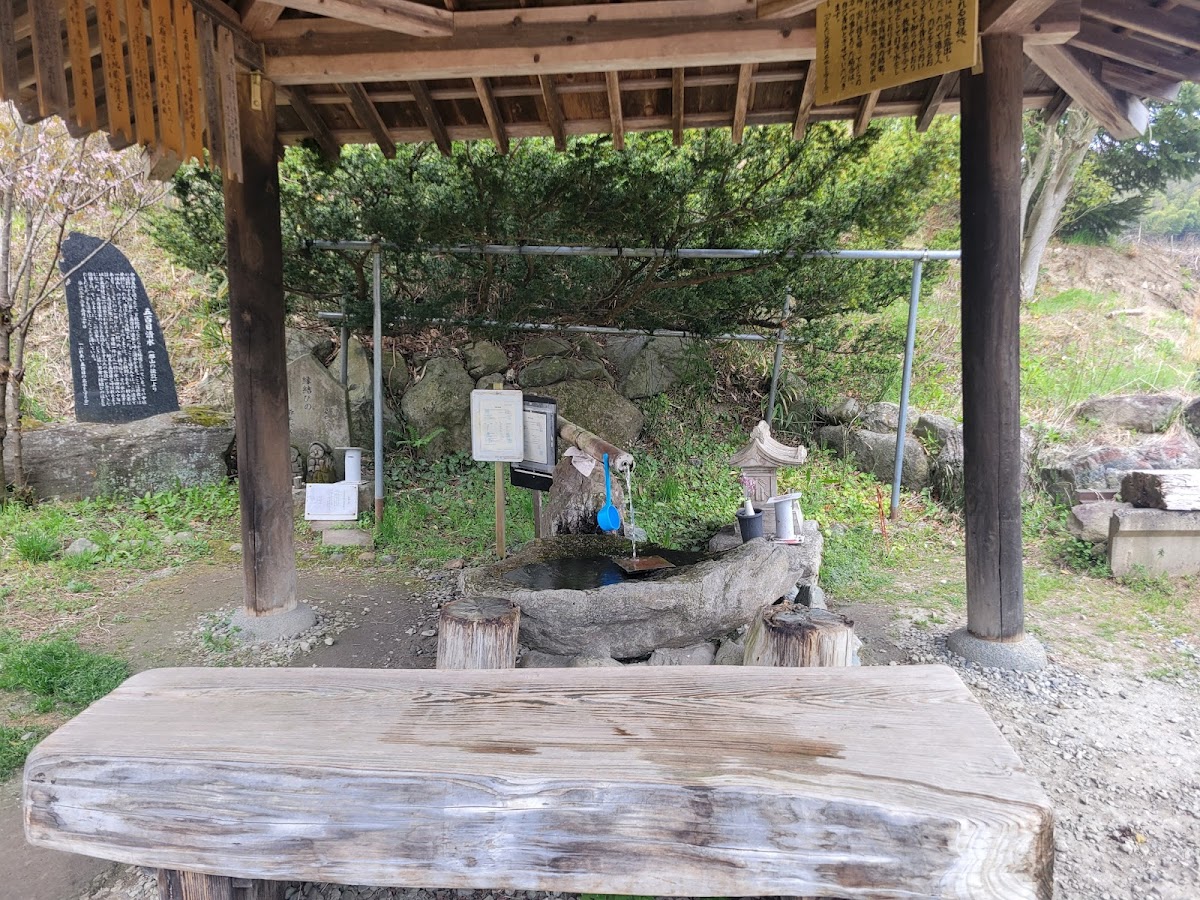
Shimejiyama Spring Water is a natural spring water source located in Fukushima Prefecture, with a long history of use as domestic water for local residents. The crystal-clear water that springs from the lush natural environment in the mountainous region is characterized by excellent mineral balance and a smooth, refined taste.
History of the Spring Water and Its Connection to the Community
The origin of the name “Shimejiyama” is disputed, but it is believed to be deeply connected to the region’s soil conservation projects and forest management. From the Edo period through the Meiji period, forestry was actively practiced in this area, and the spring water served as a precious water source for forestry workers and local residents.
Even in modern times, cleaning activities and water source conservation efforts by local residents continue, and the location functions as a place that deepens community bonds. On weekends, the spot has become a popular destination attracting many visitors from distant areas seeking high-quality water.
Water Quality Characteristics and Composition Analysis of Shimejiyama Spring Water
Geological Environment Creating Clear Water
The excellent water quality of Shimejiyama Spring Water stems from its geological environment. The surrounding mountains feature complex layers of volcanic terrain and sedimentary rock, and rainwater and snowmelt that have gradually permeated through the earth over many years emerge through a natural filtration system.
Through this natural filtration process, impurities are removed, while mineral components from rocks dissolve into the water in appropriate amounts, forming water with well-balanced quality.
Water Quality Characteristics
The main characteristics of Shimejiyama Spring Water are as follows:
- Water temperature: Stable throughout the year at approximately 10-14 degrees Celsius, feeling cold in summer and relatively warm in winter
- pH value: Slightly alkaline to neutral range, suitable water quality for drinking
- Hardness: Classified as soft water, easy to drink and suited to Japanese taste
- Minerals: Contains appropriate levels of calcium, magnesium, potassium, and other elements
- Transparency: Exceptionally high, with clear water quality maintained
Safety for Drinking Water
Water quality safety is most important when drinking spring water. While Shimejiyama Spring Water may undergo regular water quality inspections conducted by local governments or health departments, it is recommended to check the latest water quality information before visiting.
Since spring water is in its natural state, water quality may vary depending on weather conditions and seasons. After heavy rain or during snowmelt periods, the water may become temporarily cloudy, so it is important to visually confirm the water’s condition when collecting it.
Access Methods to Shimejiyama Spring Water
Access by Car
Car access is the most convenient way to reach Shimejiyama Spring Water. Guide signs may be posted at branch points from major roads; however, as it is located in a mountainous area, it is recommended to use car navigation or smartphone map applications.
Access Guidelines:
- Approximately 20-40 minutes from the nearest highway interchange (varies by region)
- Parking space is limited, so consideration for others is necessary during congested times
- Some sections have narrow roads, so be careful of oncoming traffic
Access by Public Transportation
When using public transportation, walking access from the nearest train station or bus stop is often difficult. Taxi use or information collection at regional tourism information offices is recommended.
Precautions When Accessing
- Winter snowfall: In winter, snow accumulation and road icing are possible, making studless tires essential
- Evening access: As lighting facilities are limited, daytime visits are recommended
- Weather confirmation: In bad weather, road conditions may worsen, so check the weather forecast in advance
Etiquette and Precautions When Collecting Water
Basic Water Collection Etiquette
Shimejiyama Spring Water is a shared resource used by many people. Please observe the following etiquette and maintain the beautiful environment for those who visit after you.
Basic Rules for Water Collection:
- Respect turns: During crowded times, show consideration for others and avoid monopolizing the location for extended periods
- Maintain cleanliness: Ensure containers and hands are clean before collecting water
- Take garbage with you: Be sure to take home any plastic bottle caps, labels, and other trash
- Avoid contaminating the water source: Do not dip containers directly into the spring water, and do not use soap or detergents
- Protect surrounding environment: Be careful not to damage plants or cause soil erosion
Selecting Appropriate Water Collection Containers
Using appropriate containers for water collection is important:
- Clean polycans: Food-grade clean polycans are ideal (10-20 liters is easy to handle)
- Plastic bottles: Use new ones or those thoroughly washed
- Glass containers: Heavy but suitable for long-term storage
- Containers to avoid: Never use containers that previously held detergents or chemicals
Water Collection Volume Guidelines
It is important to keep individual water collection volume within reasonable limits. Large-scale collection for commercial purposes is prohibited in many cases; aim for household quantities (approximately 20-40 liters).
Storage Methods and Shelf Life of Collected Water
Proper Storage Methods
Proper storage is essential for safely using collected spring water:
Storage Basics:
- Refrigerate promptly: Store the collected water in a refrigerator as soon as possible (ideally below 4 degrees Celsius)
- Sealed containers: Fill containers to capacity and seal tightly to minimize air exposure
- Avoid direct sunlight: Store in a dark place to prevent light-induced water quality deterioration
- Keep storage area clean: Maintain a clean storage environment and avoid storing near items with strong odors
Shelf Life Guidelines
Since spring water is natural water without preservatives, its storage period is shorter than commercial mineral water:
- Refrigerated storage: It is recommended to use within 2-3 days
- After boiling: If boiled and then refrigerated, storage of 3-5 days is possible
- Frozen storage: Long-term storage is possible by freezing, though flavor may change somewhat
For Safe Use
Precautions when using collected water:
- Pre-use confirmation: Check for odors, cloudiness, or foreign objects
- Boiling recommended: Especially for infants, elderly people, or those with compromised immune systems, boiling before use is recommended
- Culinary use: Beyond drinking directly, using the water for tea, coffee, and rice cooking allows you to better appreciate the water’s deliciousness
Seasonal Charms of Shimejiyama Spring Water
Shimejiyama Spring Water in Spring
Spring is a season when snowmelt water flows abundantly, increasing water volume. The surrounding mountains see new growth budding, and water collection can be enjoyed in a refreshing environment with birdsong. However, during snowmelt periods the water may become slightly cloudy, so confirm water quality before collection.
Spring highlights:
- Mountain cherry blossoms and alpine wildflowers blooming
- Fresh air and the scent of new green growth
- Bird watching
Shimejiyama Spring Water in Summer
Summer is a season when the coldness of spring water is especially appreciated. Even in high temperatures, spring water maintains approximately 10-12 degrees Celsius, offering relief from the heat. It is popular as an escape from summer heat, and weekends see many visitors.
Summer enjoyment:
- Cooling hands and feet with cold spring water
- Combining forest bathing with spring water collection
- Early morning visits to avoid crowds
Shimejiyama Spring Water in Autumn
Autumn features beautiful fall foliage and is the most scenic season. Water collection surrounded by autumn leaves is enjoyable visually as well. As temperatures drop, the spring water temperature feels relatively warm by comparison.
Autumn attractions:
- Spectacular autumn foliage
- Clear air and silence
- Season for mushrooms and mountain harvests
Shimejiyama Spring Water in Winter
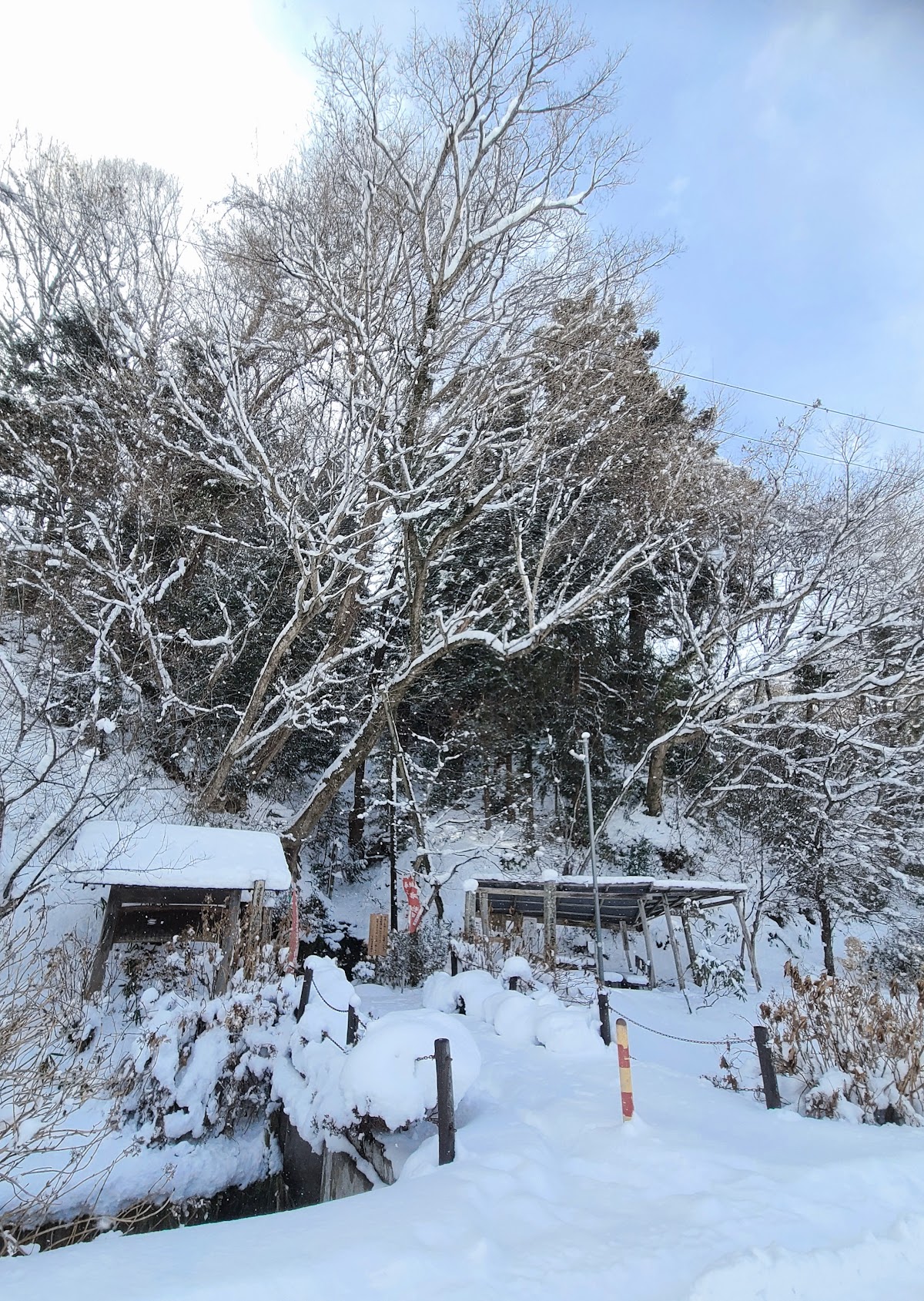
Winter makes access difficult due to snow, but the fewer visitors mean water collection in a quiet environment. The spring water does not freeze and continues flowing abundantly even in winter. Water collection amidst snow creates a fantastical experience.
Winter precautions:
- Prepare thoroughly for cold weather
- Wear non-slip shoes
- Exercise caution on icy road surfaces
- Visit early due to short daylight hours
Nearby Tourist Attractions and Combined Plans
Nearby Hot Spring Facilities
Fukushima Prefecture is known as a hot spring country, and many hot spring facilities exist in the area around Shimejiyama Spring Water. Relaxing at a hot spring after collecting spring water is an ideal way to spend time.
Local day-trip hot spring facilities also offer cuisine using local ingredients. Combining spring water collection, hot springs, and gourmet experiences in a day plan is recommended.
Historic Shrines and Temples
Historic shrines and temples are scattered throughout Fukushima Prefecture. Combining a visit to Shimejiyama Spring Water with tours of regional cultural heritage allows deeper appreciation of Fukushima’s charm.
Agricultural Products Farmers Markets and Gourmet Spots
Regional agricultural products farmers markets offer fresh vegetables, fruits, and processed goods. Fukushima Prefecture is also famous as a rice-producing region, with abundant high-quality rice and Japanese sake. Rice cooked with collected spring water has exceptional flavor.
Packing Checklist for Visiting Shimejiyama Spring Water
Essential Items
- Water collection containers: Clean polycans or plastic bottles (multiple containers are convenient)
- Towel: For drying hands and containers
- Garbage bag: Always take your trash with you
- Drinking water: For hydration before water collection
- Map or smartphone: To avoid getting lost
Convenient Items to Have
- Boots or waterproof shoes: Feet may get wet
- Work gloves: Convenient for transporting containers
- Flashlight: Necessary during seasons with early sunsets or on cloudy days
- Insect repellent: Especially necessary in summer
- Picnic mat: For resting
- Camera: To record beautiful scenery
- Folding chair: Convenient if waiting time is needed
Seasonal Additional Items
Spring and Autumn:
- Warm clothing (mornings and evenings get cold)
- Raincoat (weather changes easily)
Summer:
- Hat and sunscreen
- Cooling towel
- Extra drinking water
Winter:
- Warm clothing (thick)
- Non-slip shoes
- Disposable hand warmers
- Shovel (for snow clearing)
Community Contribution and Spring Water Conservation Activities
Conservation Activities by Local Residents
The beauty and purity of Shimejiyama Spring Water are protected by the dedicated conservation efforts of local residents. Regular cleaning activities, water quality monitoring, signage maintenance, and various other efforts are undertaken.
Contributions Visitors Can Make
As visitors, we can contribute through actions such as:
- Following etiquette: Strictly observe water collection rules and consider other users
- Participating in cleanup activities: Consider participating in cleanup events when organized by the community
- Sharing information: When publicizing the spring water’s appeal on social media, convey the importance of etiquette as well
- Supporting local economy: Use local shops and facilities
- Contributing to fundraising: Cooperate with donation boxes if set up for conservation activities
For Sustainable Use
Preserving Shimejiyama Spring Water for future generations requires sustainable use. Avoiding excessive collection and environmental destruction while maintaining harmony with nature is essential.
Each person’s small consideration contributes to significant environmental conservation. Practice responsible behavior to protect beautiful spring water.
Healthy Lifestyle Through Spring Water Use
Health Benefits of Spring Water
Regular consumption of high-quality spring water supports health maintenance:
- Moderate mineral supplementation: Naturally obtain minerals such as calcium and magnesium
- Detoxification effect: Drinking pure water promotes body’s waste elimination
- Digestion promotion: Soft water is easily absorbed and gentle on the digestive system
- Beauty effects: Good hydration contributes to skin health maintenance
Cooking with Spring Water
Shimejiyama Spring Water can be used in various dishes:
Recommended Uses:
- Rice cooking: Rice cooked with spring water turns out fluffy and delicious
- Tea and coffee: Water quality directly influences taste, allowing appreciation of the spring water’s quality
- Dashi stock: Water quality significantly affects the taste of Japanese dashi
- Simmered dishes: Brings out ingredient flavor with a gentle taste
- Ice making: Create clear, delicious ice
Incorporating into Daily Life
Regularly collecting spring water and incorporating it into daily life improves quality of life:
- Weekend habit: Make spring water collection a weekend routine for refreshment opportunities
- Family activity: Visiting with children becomes a nature education opportunity
- Community formation: Interaction develops with people sharing similar values
Trivia About Shimejiyama Spring Water
Spring Water Mechanism
Spring water is a phenomenon where fallen rain or snow permeates the ground and, upon reaching an impermeable layer, emerges at the surface. In the case of Shimejiyama Spring Water, precipitation that falls on surrounding mountains is believed to slowly permeate through the earth over years or decades before emerging.
Through this long permeation process, water naturally filters, dissolving mineral components from rocks while acquiring its unique flavor.
Fukushima’s Water Culture
Fukushima Prefecture is blessed with abundant water resources. Clear streams flowing from the Abukuma Mountains and Ou Mountain Range create renowned water spots throughout the prefecture.
Water has long been foundational to life, supporting various industries including agriculture, forestry, and sake brewing. Shimejiyama Spring Water is part of Fukushima’s water culture, deeply connected to regional history.
Spring Water and Ecosystems
A unique ecosystem develops around spring water. Plants, insects, and amphibians that prefer cool, clear water create habitats, playing important roles in maintaining biodiversity.
When visiting, carefully avoid disturbing these organisms’ habitats.
Information to Confirm Before Visiting
Methods for Obtaining Latest Information
Before visiting Shimejiyama Spring Water, confirm the following:
- Water quality inspection results: Check latest water quality test results on local government websites or through health departments
- Road access conditions: Confirm no construction or road closures
- Weather forecast: Check weather for your visit date in advance
- Regional events: Information about cleanup activities or festivals
Emergency Contact Information
Prepare the following information in case of emergency:
- Nearest police station/box: Contact for accidents or emergencies
- Fire department/ambulance: Contact for injuries or health issues (119)
- Local government relevant department: Inquiry contact for spring water matters
- Road information center: Road condition confirmation
Conclusion: Refresh Mind and Body at Shimejiyama Spring Water
Shimejiyama Spring Water is a natural blessing of Fukushima Prefecture. Beyond simply collecting clear water, spending time in the abundant natural environment provides a valuable opportunity to escape daily stress and refresh both mind and body.
When visiting, observe etiquette and practice environmental consideration while enjoying this wonderful gift of nature. Visiting with proper preparation and knowledge enables a safer and more fulfilling experience.
Shimejiyama Spring Water is not merely a water collection site but a special place where regional history, culture, and natural environment converge. I hope this article contributes to making your visit to Shimejiyama Spring Water a richer experience.
To pass beautiful spring water to future generations, each person should practice responsible behavior and implement sustainable use. With gratitude for Fukushima’s abundant natural blessings, enjoy your wonderful encounter with Shimejiyama Spring Water.