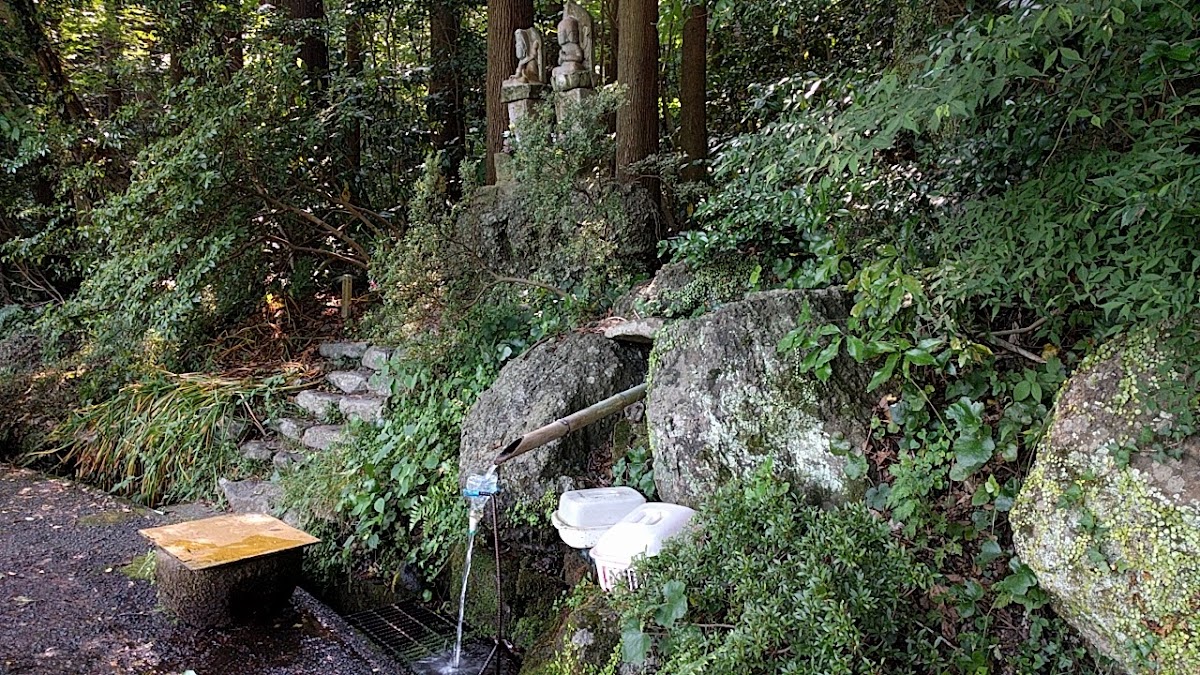

Shimabara Springwater Group Nagasaki Prefecture Complete Guide | Thorough Explanation of the Water City of Japan’s Top 100 Waters
Shimabara City in Nagasaki Prefecture is known as the “City of Water,” a rare region in Japan with over 70 springwater sites scattered throughout the city. The Shimabara Springwater Group was selected as one of Japan’s “Top 100 Waters” by the Ministry of the Environment in 1985 (Showa 60), with approximately 220,000 tons of clear water continuing to spring forth daily. This abundant springwater is deeply rooted in the lives of citizens, still used as drinking water and washing areas, and fascinates many people as a tourism resource.
What is the Shimabara Springwater Group?
The Shimabara Springwater Group (Shimabara Yuusui-gun) is a collective term for springwater sites distributed throughout Shimabara City, Nagasaki Prefecture. Their number is said to be anywhere from over 50 to over 70 locations, and you can see clear water springing forth at various points throughout the city streets.
Historical Background of Springwater Creation
Most of the Shimabara Springwater Group is said to have begun springing forth due to crustal deformation caused by volcanic activity of Mt. Unzen that occurred in 1792 (Kansei 4). This disaster, known as the “Shimabara Taihei Higo Meiwaku” (Shimabara Great Change, Higo’s Misfortune), was a massive volcanic disaster in which a tsunami created by the collapse of Mt. Mayuyama crossed the Ariake Sea and caused significant damage to the Kumamoto side as well.
This crustal deformation changed underground water veins, causing springwater to burst forth in various locations. Rainwater that fell on the Unzen mountain range infiltrates the ground and naturally filters as it slowly passes through volcanic ash layers and lava layers, appearing on the surface as mineral-rich clear water.
The Secret Behind Abundant Springwater Volume
The Shimabara Springwater Group’s daily springwater volume is estimated at approximately 200,000 to 220,000 tons. This abundant water volume is supported by the rich forests of the Unzen mountain range and the highly permeable geological structure.
The Shimabara Peninsula has a volcanic topography with lava flows and volcanic ash forming layers, which function as natural filters. Rainwater descends on the mountains and then moves underground over several tens to several hundred years before springing forth in Shimabara city center. It is believed that in the Shinmachi area in particular, springwater is so abundant that water can be obtained by digging just 50 centimeters into the ground. The high underground water level in this area is the reason why Shimabara is called the “City of Water.”
Introduction to Major Springwater Spots
There are many springwater spots throughout Shimabara City. Here we introduce particularly representative locations that are popular for tourism and water collection.
Hamano Kawa Springwater
Hamano Kawa Springwater is the location most closely connected to the lives of Shimabara citizens among the Shimabara Springwater Group. Located in the coastal area of the Shiratsuchi Momoyama district, it has long been used as a communal washing place for local residents.
Currently, it is still divided into three water tanks by use: “drinking water,” “vegetable and dishwashing,” and “laundry,” with the wisdom of the ancients in utilizing water efficiently from upstream to downstream still alive today. The sight of local residents washing vegetables or rinsing laundry is a landscape symbolizing Shimabara’s daily life, and is also popular with tourists.
Traffic access is also good, with the location within walking distance from Shimabara Station, making it recommended as a first stop on Shimabara sightseeing.
Koi Swimming Town (Shinmachi Area)
The Shinmachi area is nationally famous as “Koi Swimming Town,” a popular tourism spot. About 150 ornamental koi swim gracefully in the waterways flowing through the area, and their beautiful sight captivates many photography enthusiasts and tourists.
The waterway water is constantly replaced by springwater, maintaining high transparency, allowing you to clearly observe the vivid ornamental koi. The landscape where stone-paved alleys, waterways, and historic structures harmonize is truly the representative scenery of “Water City” Shimabara.
The beautiful Japanese residence “Shimei-so,” built in the Meiji era, is also located in the surrounding area, and you can view the springwater from the building’s garden. Shimei-so is normally closed to the public, but during special opening days, the interior can be viewed.
Springwater Garden “Shimei-so”
Shimei-so is a samurai residence built in the late Meiji period with a springwater pond in its garden, a valuable structure. Within approximately 3,000 tsubo (about 10,000 square meters) of land, there is a pond utilizing springwater, where you can enjoy the beauty of a Japanese garden while watching ornamental koi swim.
The building is a sukiya-zukuri style Japanese architecture and is a historic place where Shimabara wealthy merchants and cultural figures gathered. The springwater in the garden is said to be approximately 1,000 liters per minute, and highly transparent water fills the pond.
Shiratsuchi Lake
Shiratsuchi Lake was formed by the collapse of Mt. Mayuyama during the Shimabara Great Change of 1792 (Kansei 4). The approximately 1-kilometer circumference lake is filled entirely with springwater, with a daily springwater volume reaching approximately 40,000 tons.
A walking trail has been developed along the lakeside for leisurely walks. The water surface is consistently calm with high transparency, allowing you to see through to the lake bottom. Many birds visit, making it a popular spot for nature observation.
Kanzarashi no Sato – Shimabara Mizuya-shiki
Mizuya-shiki is a tourism facility with a springwater pond within approximately 2,000 tsubo of land. The pond is filled with approximately 3,000 liters of springwater per minute, and while enjoying the sight of ornamental koi swimming, you can enjoy Shimabara local cuisine and sweets such as “kanzarashi.”
Kanzarashi is a traditional Shimabara sweet made by cooling mochi dumplings in springwater and pouring a special syrup made with honey and sugar. At Mizuya-shiki, you can taste authentic kanzarashi made with springwater, making it very popular with tourists.
“Springwater Hall” at Inohara Hardware Store
The Inohara Hardware Store on Kamino-machi is known for creating a small clear stream next to its storefront called “Springwater Hall.” This clear stream, created using springwater from a Tsuki well, nurtures a rich ecosystem despite being born in the Heisei era.
Fish, crabs, shrimp, fireflies, river snails and other creatures inhabit it, and aquatic plants such as watercress, Japanese parsley, wasabi, and stone iris naturally grow here. Approximately 150 liters of springwater self-spring per minute, and visitors can freely collect water in pet bottles to take home.
Local residents use this springwater for drinking water and cooking, and its deliciousness is well-established. It is a popular spot where tourists can also visit casually.
Springwater Usage Methods and Citizens’ Lives
The springwater of Shimabara is not merely a tourism resource, but continues to be deeply rooted in citizens’ lives.
Culture of Communal Washing Places
Multiple communal washing places remain in active use throughout Shimabara City today. At these washing places, water tanks are divided by use from upstream to “drinking water,” “vegetable and dishwashing,” and “laundry,” embodying the wisdom of ancestors in utilizing water without waste.
Residents today still use these washing places in their daily lives, and they are particularly valued for summer vegetable washing and rinsing laundry. The washing places also function as community exchange spaces, serving as places for residents to exchange information and chat.
Use as Water Collection Sites
At many springwater sites throughout the city, you can freely collect water. Not only local residents but also people from distant places come to collect water. They bring pet bottles or water containers to take home drinking water or cooking water.
The springwater is soft water with a pleasant taste, and is known for bringing out the flavor of ingredients when used for tea, coffee, and cooking. However, when consuming springwater, it must be done at each person’s own discretion. We recommend boiling it before use if you have concerns.
Use in Agriculture and Industry
The abundant springwater is also utilized as agricultural water. It is particularly suitable for water quality in rice paddies and vegetable cultivation, serving as an important resource supporting Shimabara agriculture.
Additionally, local industries utilizing springwater have developed, with industries such as tofu manufacturing and sake brewing that require high-quality water taking root in Shimabara. Springwater is sometimes used in the manufacturing process of Shimabara somen noodles, contributing to their high quality.
Tourist Model Courses for Shimabara Springwater Group
We introduce tourist model courses for efficiently touring the Shimabara Springwater Group.
Half-Day Course (approximately 3-4 hours)
9:00 AM Start at Shimabara Station
Begin sightseeing on foot from Shimabara Railway Shimabara Station. Pick up a map at the station’s tourism information center.
9:15 AM Hamano Kawa Springwater
Approximately 10 minutes walking from the station. View the communal washing place and experience local life.
9:45 AM Koi Swimming Town Stroll
Stroll along the waterways of the Shinmachi area. Enjoy the beautiful scenery of ornamental koi swimming. Ideal as a photography spot.
10:30 AM Shimei-so (Exterior Viewing)
View the beautiful Meiji-era Japanese residence from outside. Interior can be viewed on special opening days.
11:00 AM Kanzarashi no Sato – Shimabara Mizuya-shiki
Take a break while enjoying the view of the springwater pond and the famous kanzarashi.
11:45 AM Inohara Hardware Store Springwater Hall
Move to Kamino-machi and collect springwater to take home. Bringing a pet bottle is recommended.
12:15 PM Lunch Around Shimabara Castle
Enjoy local cuisine at restaurants in the Shimabara Castle town.
Full-Day Course (approximately 6-7 hours)
Add the following spots to the half-day course.
Afternoon: Shiratsuchi Lake Stroll
Stroll along the walking trail around the lake. Refresh yourself in a natural-rich environment.
Shimabara Castle Viewing
Learn about Shimabara’s history and take in a panoramic view of the city from the castle keep.
Samurai Residence Street Stroll
Stroll through historic streets with remaining Edo-period samurai residences. Enjoy picturesque scenery with waterways flowing.
Cooking Experience Using Springwater (Advance Reservation Required)
Some facilities offer cooking classes and tofu-making experiences using springwater.
Transportation Access Information
Detailed transportation access methods to Shimabara Springwater Group are introduced.
Access by Public Transportation
By JR and Shimabara Railway
- From Nagasaki Airport by bus to Isahaya Station (approximately 45 minutes)
- From Isahaya Station by Shimabara Railway to Shimabara Station (approximately 1 hour 20 minutes)
- From Shimabara Station to major springwater spots: 10-20 minutes walking
From Nagasaki City
- From Nagasaki Station bus terminal via Shimabara Railway Bus “Shimabara No.” to Shimabara Station (approximately 2 hours)
From Kumamoto City
- From Kumamoto Port by ferry to Shimabara Port (approximately 30 minutes)
- From Shimabara Port to Shimabara Station: approximately 15 minutes walking or by bus
Access by Private Vehicle
From Nagasaki City
- Via National Routes 34 and 57: approximately 1 hour 30 minutes
- From Nagasaki Expressway Isahaya IC via National Route 57: approximately 1 hour
From Kumamoto City
- From Kumamoto Port by ferry to Shimabara Port (vehicle transport available)
- From Shimabara Port to city center: approximately 10 minutes by car
Parking Information
- Multiple paid parking lots around Shimabara Castle
- Small parking spaces near each springwater spot
- Public transportation use is also recommended as congestion occurs during tourism season
Movement Within the City
Shimabara City is relatively compact, and major springwater spots are within walking distance. Rental bicycles are also available, making sightseeing by bicycle comfortable. Bicycles can be rented at Shimabara Station and the tourism information center.
Attractions and Characteristics of Shimabara Springwater Group
Value of Top 100 Waters Selection
The Shimabara Springwater Group is one of Japan’s “Top 100 Waters” selected by the Ministry of the Environment in 1985 (Showa 60). Furthermore, in the “Top 100 Waters Selection Vote” conducted in 2015 (Heisei 27), it ranked 5th in the “Outstanding Famous Waters as Tourist Destinations” category.
This evaluation reflects not only superior water quality but also how the springwater is rooted in citizens’ lives and utilized as a tourism resource. The scenery of ornamental koi swimming in waterways and the harmony with historic structures are also major attractions of the Shimabara Springwater Group.
Characteristics of Water Quality
Shimabara’s springwater is soft water with excellent mineral balance. As it passes through the volcanic geology of the Unzen mountain range, it becomes mineral-rich water with a mellow taste.
The water temperature remains almost constant year-round, maintained at approximately 15-17 degrees Celsius. It has a natural temperature-adjustment function where it feels cold in summer and warm in winter, making use at communal washing places comfortable.
Richness of Ecosystem
Clear springwater nurtures a rich ecosystem. In addition to ornamental koi, fish such as dark chub, shrimp, and crabs inhabit the waterways, and it is also known as a habitat for fireflies.
Aquatic plants are abundant, with plants such as watercress, Japanese parsley, wasabi, water canna, and stone iris that grow only in clear streams naturally present here. This ecosystem is also an indicator of water quality and teaches the importance of environmental preservation.
Culture and History Related to Shimabara Water
Kanzarashi
“Kanzarashi,” the representative local sweet of Shimabara, cannot be discussed without springwater. It is a simple yet elegant sweet made by cooling mochi dumplings in cold springwater and pouring a special syrup made with honey and sugar.
The name “kanzarashi” is said to be a corruption of “samuzarashi,” meaning to cool in cold water. There are multiple kanzarashi specialty shops in the city, each expressing individuality through their own syrup and mochi combinations.
Local Cuisine Utilizing Water’s Blessings
Many local dishes of Shimabara take advantage of the blessings of springwater.
Shimabara Somen is a specialty made with high-quality water, wheat flour, and Shimabara’s unique production method. It is characterized by thin noodles with strong chewiness and smooth throat feel.
Guzoni (mixed vegetable soup with mochi) is said to have originated when Amakusa Shiro cooked mochi and various ingredients to nourish troops during the siege of the Shimabara Rebellion. The mochi cooked in springwater and fresh ingredients create exquisite harmony.
Gratitude for Water’s Blessings
Shimabara citizens have long been grateful for springwater blessings and have protected them carefully. Communal washing place cleaning and waterway maintenance are carried out cooperatively by residents, and community rules for keeping water clean are observed.
Annual events expressing gratitude for springwater are also held, with efforts focused on environmental education for future generations. This high civic awareness has been the driving force behind preserving Shimabara’s beautiful water environment to the present day.
Precautions and Manners When Sightseeing
Etiquette for Using Springwater
Springwater is also the living water of residents. Please observe the following manners.
- Do not pollute water (do not litter, do not use detergent)
- Prioritize use by local residents at communal washing places
- Collect water with restraint (consider locals if collecting large quantities)
- When feeding ornamental koi, do so only at designated locations with appropriate amounts
- Do not trespass on private property without permission
Precautions When Drinking
Drinking springwater is at your own responsibility. Selection for the Top 100 Waters does not guarantee drinking water safety. We recommend boiling before use if you have concerns.
Photography Etiquette
Beautiful scenery is popular as a photography spot, but please note the following:
- Trespassing on private property or residences is absolutely prohibited
- Be considerate of local residents’ privacy
- Do not obstruct foot traffic
- When using tripods, confirm surrounding safety
Best Seasons
The Shimabara Springwater Group can be enjoyed year-round, but certain periods are particularly recommended.
Spring (March-May): The contrast between cherry blossoms and fresh greenery with springwater is beautiful. The climate is mild and ideal for strolling.
Summer (June-August): The cool springwater is pleasant during this season. The firefly season (June) offers a fantastic sight.
Autumn (September-November): The combination of fall foliage and springwater is beautiful, and the climate is suitable for sightseeing.
Winter (December-February): With fewer tourists, you can stroll peacefully. Springwater feels warm during this season.
Nearby Tourist Spots
We introduce nearby spots recommended to visit together with the Shimabara Springwater Group.
Shimabara Castle
Shimabara Castle with its five-story keep was built by Shigeyoshi Matsukura in 1624 (Kanei 1). The current keep was reconstructed in 1964 (Showa 39) and serves as a museum inside. From the keep, you can view the Shimabara city area and Ariake Sea at a glance, and can also see the majestic figure of Mt. Unzen.
Samurai Residence Street
The samurai residence street of the Shimabara Castle town is a historic townscape retaining Edo period atmosphere. Residences surrounded by stone walls and hedges line the street with springwater flowing through the central waterway. Three samurai residences are open to the public, offering a glimpse into the lives of samurai of that era.
Unzen Spa
Unzen Spa, approximately 30 minutes by car from Shimabara City, is a hot spring resort within Unzen Amakusa National Park, Japan’s first designated national park. You can enjoy hell-viewing scenic routes with the scent of sulfur and high-quality hot springs.
Gamadasu Dome (Unzen Disaster Memorial Museum)
A facility preserving the record of Mt. Unzen’s volcanic activity that began in 1990 (Heisei 2) for future generations. You can learn through experiential displays about the threat of pyroclastic flows and the path of recovery.
Conservation Activities of Shimabara Springwater Group
Various conservation activities are being conducted in Shimabara City to preserve the beautiful springwater environment for the future.
Citizen-Participated Cleaning Activities
Cleaning activities with citizen participation are regularly implemented. In addition to local residents, schools and companies participate in waterway trash collection and weeding activities.
Water Quality Monitoring
Shimabara City regularly conducts water quality surveys of springwater and works toward environmental preservation. Survey results are made public and utilized for raising citizens’ environmental awareness.
Environmental Education
Environmental education with springwater as a theme is conducted in elementary and middle schools throughout the city. Children learn about the origins of springwater and ecosystems, cultivating awareness to protect the region’s treasure.
Eco-Tourism Promotion
Efforts are underway to promote eco-tourism to balance sightseeing with environmental preservation. Guided tours allow you to enjoy sightseeing while learning about the history and culture of springwater and the importance of environmental preservation.
Conclusion
The Shimabara Springwater Group in Shimabara City, Nagasaki Prefecture, has become one of Japan’s representative famous waters, valued for its abundant springwater volume, superior water quality, and usage deeply rooted in citizens’ lives. With over 70 springwater sites scattered throughout, approximately 220,000 tons of clear water springing forth daily, the “Water City” Shimabara maximizes the benefits of water both as a tourist destination and as a place of living.
Each springwater spot—from the communal washing place of Hamano Kawa Springwater, the beautiful scenery of Koi Swimming Town, to the elegant springwater garden of Shimei-so—has its own unique charm. While touring these sites, you can experience Shimabara’s history, culture, and the hearts of citizens who cherish water.
With improved transportation access, Shimabara Springwater Group is easily visited from Nagasaki and Kumamoto cities. Why not take a trip to feel the blessings of springwater through all five senses while savoring the famous kanzarashi and local cuisine?
The Shimabara Springwater Group, where the efforts of residents who have continued to protect springwater and the blessings of nature are in harmony, is a precious tourism resource symbolizing Japan’s water culture. When visiting, remember to be mindful of environmental preservation and become part of passing this beautiful water landscape on to future generations.