.png)
Naruwa Waterfall (Ishikawa Prefecture) Complete Guide | Minamoto no Yoshitsune Legend and Historic Spring Water Spot at Kashima Shrine
Naruwa Waterfall quietly stands in Naruwa-cho, Kanazawa City, as a historic spring water spot that became the origin of the area’s name. Located within the grounds of Kashima Shrine, this waterfall carries a legend of Minamoto no Yoshitsune stopping here to quench his thirst during his flight to Oshu. This article provides a detailed introduction to the history of Naruwa Waterfall, access methods, and nearby attractions, incorporating local information.
Naruwa Waterfall | Historic Spring Water Spot that Became the Origin of the Place Name
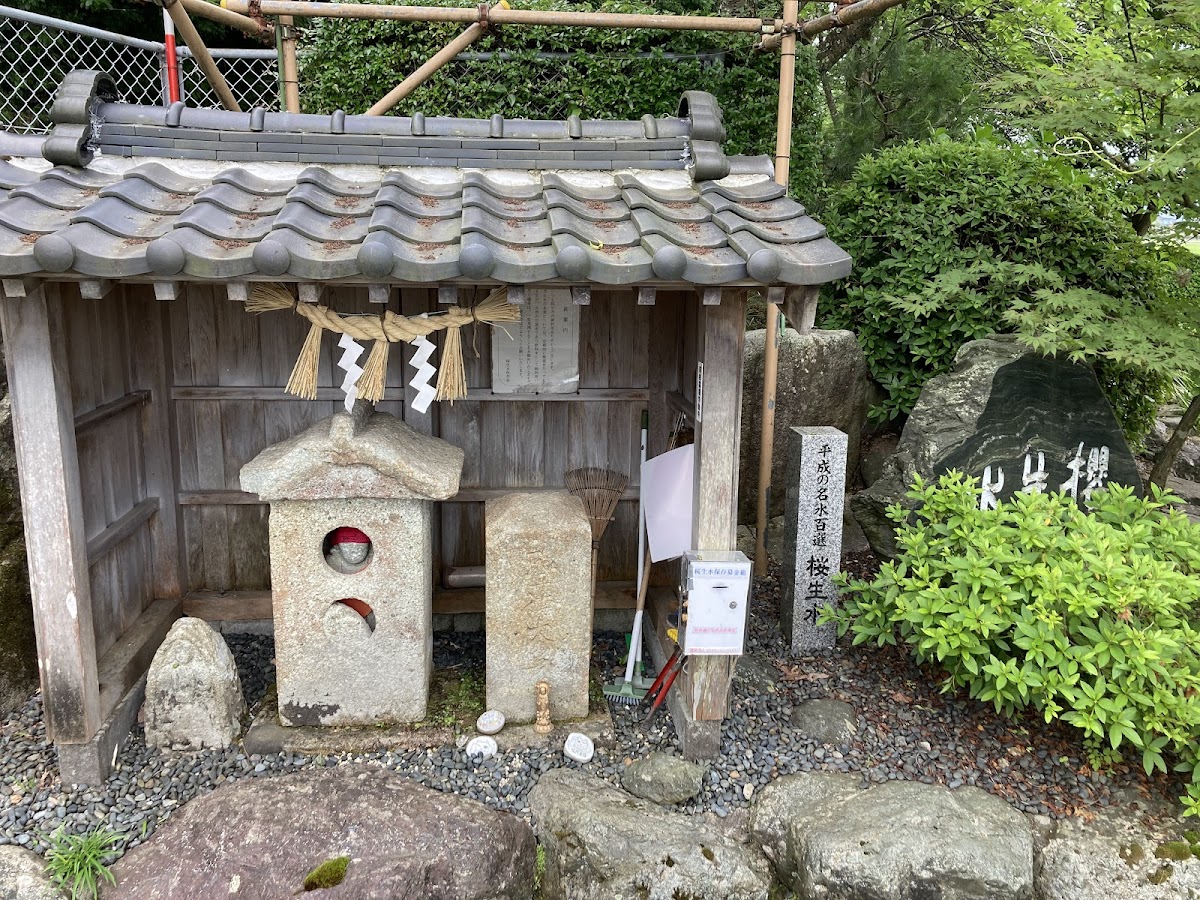
Naruwa Waterfall is a small yet historically significant spring water spot located within Kashima Shrine in Naruwa-cho, Kanazawa City. Despite being called a “waterfall,” it is actually a spring that flows from between rocks, creating a small stream—different in nature from other large waterfalls in Ishikawa Prefecture.
This spring water is said to have become the origin of the place name “Naruwa,” and has long been cherished by local people. The theory that the place name “Naruwa (鳴和)” originated from the sound of water flowing over rocks—the “sound” or “naru”—is widely accepted. Clear water continues to flow from it today, offering visitors a refreshing landscape.
Characteristics of Naruwa Waterfall
- Location: Naruwa-cho, Kanazawa City (Kashima Shrine grounds)
- Scale: Small spring water (falls approximately several meters)
- Water Quality: Clear spring water, traditionally considered safe for drinking
- Historical Value: Historic site with the Minamoto no Yoshitsune legend
- Accessibility: Located within Kashima Shrine grounds, visitable along with shrine visits
The Minamoto no Yoshitsune Legend | Flight to Oshu and Naruwa Waterfall
Naruwa Waterfall carries a legend involving Minamoto no Yoshitsune, a military commander of the late Heian period. In 1187 (Bunji 3), Yoshitsune was driven from Kyoto due to conflict with his older brother Minamoto no Yoritomo and fled with Musashibo Benkei and others, seeking refuge with Fujiwara no Hideo in Hiraizumi, Oshu.
Along the way, the group is said to have passed through what is now Naruwa-cho, Kanazawa City via the Hokuriku route. When Yoshitsune’s exhausted party rested at this location, they are said to have quenched their thirst with the spring water within Kashima Shrine’s grounds and relieved their travel fatigue—a tradition passed down in local oral history.
Historical Background of the Yoshitsune Legend
While details of Minamoto no Yoshitsune’s flight to Oshu are recorded in military chronicles such as the “Yoshitsune ki,” the legend of his rest at Naruwa Waterfall is a local oral tradition. The Hokuriku route was one of the important paths from Kyoto to Oshu, and it is quite plausible that Yoshitsune’s party actually passed through this area.
Locally, this legend has been passed down through generations, and Naruwa Waterfall is cherished not merely as a spring but as a historic site evoking historical romance.
Kashima Shrine and Naruwa Waterfall | Ancient Shrine Revered as the Tutelary Deity
Kashima Shrine, where Naruwa Waterfall is located, is an ancient shrine that has long been deeply venerated as the tutelary deity of Dangiisho Village (present-day new and old Naruwa-cho). A tutelary deity refers to a deity that serves as the guardian of the land and receives the faith of local residents.
History of Kashima Shrine
The history of Kashima Shrine dates back far in antiquity, though the founding year is unclear. Records indicate that the shrine was damaged by fire during the Kisso Yoshinaka Rebellion in 1182 (Juei 1) and again during the religious uprisings of the Bunmei era (1469-1487), with the shrine buildings burning.
Subsequently, in 1636 (Kanei 13), through the efforts of all parishioners, the shrine was rebuilt in its present form. Now, approximately 400 years after this reconstruction, it remains at the center of local faith.
Overview of Kashima Shrine
- Location: Naruwa-cho, Kanazawa City
- Main Enshrined Deity: Takemikazuchi no Kami
- Associated Deities: Inari Daimyojin, Sugawara Daimyojin, and others
- Shrine Rank: Former village shrine
- Festival Day: Mid-October annually
Takemikazuchi no Kami is a war deity and thunder deity with Kashima Shrine in Ibaraki Prefecture as its head shrine, said to bestow benefits for victory and purification. The name Kashima Shrine derives from enshrining this deity.
Notable Features of the Shrine Grounds
Kashima Shrine’s grounds are located on a highlands overlooking Kanazawa’s urban area and are enveloped in a quiet, tranquil atmosphere. The main hall and worship hall retain the architectural style of the Edo-period reconstruction and hold high historical value.
From the grounds, one can overlook the Kanazawa cityscape, with particularly beautiful scenery in the autumn foliage season. Naruwa Waterfall is located in a corner of the grounds and can be visited together with shrine worship.
Access to Naruwa Waterfall | A Quiet Spot Beyond Sloped Paths
To visit Naruwa Waterfall, head from Kanazawa’s urban area toward Naruwa-cho and aim for Kashima Shrine. However, as the shrine is situated on high ground, you must climb a long sloped path.
Access by Car
- From Kanazawa Station: Approximately 20 minutes
- From Kanazawa East IC: Approximately 15 minutes
- Parking: Several parking spaces available at Kashima Shrine grounds (free)
Car access is most convenient, though the road to the shrine has narrow sections requiring careful driving.
Access by Public Transportation
- Hokuriku Railway Bus: From Kanazawa Station East Exit, get off at “Naruwa” bus stop, approximately 15 minutes walk
- Bicycle: Approximately 30 minutes from Kanazawa Station (steep inclines present)
For bus users, the shrine is accessible on foot from the bus stop, though you will walk up quite a steep incline. Those without much stamina are recommended to use a car.
Notes for Visitors
According to local accounts, the sloped path to Naruwa Waterfall is said to be so steep that “it is difficult to climb by bicycle.” When walking, shoes suitable for hiking are recommended. Additionally, as the shrine grounds are a sacred place, please observe proper shrine etiquette during your visit.
Tourist Spots Near Naruwa Waterfall | Charm of Kanazawa’s Eastern Area
Visiting nearby tourist attractions when viewing Naruwa Waterfall allows for a more enriched Kanazawa experience.
Major Tourist Destinations in Kanazawa
- Kenrokuen: One of Japan’s three great gardens, approximately 15 minutes by car
- Kanazawa Castle Park: Experience the history of the Kaga Million-Stone domain, approximately 15 minutes by car
- Higashi Chaya District: Traditional tea house architecture preserved, approximately 10 minutes by car
- Omicho Market: Kanazawa’s kitchen, enjoy fresh seafood, approximately 15 minutes by car
Nearby Temples and Shrines
Kanazawa has numerous temples and shrines, and visiting them together with Kashima Shrine in a “shrine and temple tour” is popular. In particular, visiting shrines like Noma Shrine and Hachiman Shrine, which have historical connections to Kashima Shrine, is also recommended.
Other Waterfall Spots in Ishikawa Prefecture | Comparison and Characteristics
Ishikawa Prefecture has many waterfalls besides Naruwa Waterfall. Each has different characteristics worth comparing.
Representative Waterfalls in Ishikawa
Ubagadaki (Granny Waterfall)
- Location: Hakusan City
- Drop: Approximately 76 meters
- Characteristics: Famous waterfall along Hakusan Shirakawa-go White Road, included in Japan’s 100 Waterfalls
Watagataki
- Location: Hakusan City
- Drop: Approximately 32 meters
- Characteristics: Beautiful waterfall at the foot of Hakusan, good accessibility
Fukube no Oohtaki
- Location: Wajima City
- Drop: Approximately 40 meters
- Characteristics: Unique scenery where the waterfall becomes mist blown upward by strong winds from the Japan Sea
Position of Naruwa Waterfall
Naruwa Waterfall differs in nature from these large waterfalls, being a small-scale spot centered on spring water. However, it possesses unique charm through its convenient access from Kanazawa’s urban area, the historical background of the Minamoto no Yoshitsune legend, and its unity with Kashima Shrine.
If seeking “the power of the waterfall itself,” the large waterfalls around Hakusan are ideal; if seeking to “feel history and culture by water,” Naruwa Waterfall is the choice. Select according to your preferences.
How to Enjoy Naruwa Waterfall | Best Seasons and Ways to Spend Time
Although small, Naruwa Waterfall displays different faces through the seasons. Adjust your enjoyment based on your purpose for visiting.
Spring (March to May)
Spring is beautiful with fresh greenery, and water volume increases with snowmelt. Spring flowers bloom around Kashima Shrine’s grounds, allowing for refreshing worship experiences.
Summer (June to August)
Summer is a pleasant season when the coolness of spring water is soothing. It’s ideal for escaping Kanazawa’s heat and resting in the shade of trees within the grounds. Don’t forget insect repellent measures.
Autumn (September to November)
Autumn brings beautiful foliage, with colors appearing around Naruwa Waterfall as well. Combined with the elevated vantage point, this season lets you fully enjoy autumn in Kanazawa.
Winter (December to February)
Winter may bring snow, requiring careful access planning. However, spring water amid snowy landscapes is profoundly moving, allowing you to enjoy winter’s unique tranquility.
Recommended Ways to Spend Time
- Worship at Kashima Shrine: Begin by worshipping at the main hall
- View Naruwa Waterfall: Spend time leisurely at the spring water spot
- Explore the Grounds: Enjoy the elevated vantage point
- Reflect on History: Contemplate the Minamoto no Yoshitsune legend
- Photography: Take commemorative photos with seasonal scenery
Plan for 30 minutes to one hour of stay. Spending time slowly in quiet surroundings allows you to forget daily hustle and bustle.
Etiquette and Precautions When Visiting Naruwa Waterfall
Naruwa Waterfall is a sacred place within Kashima Shrine’s grounds. Observe the following etiquette and precautions during your visit.
Shrine Etiquette
- Bow when passing through the torii gate
- Move quietly within the grounds
- Observe proper shrine worship method (two bows, two claps, one bow)
- Take photographs only in permitted areas
Safety Precautions
- The rocks around the waterfall are slippery; be careful
- Pay particular attention to footing during rain or snow
- Watch for slips on steep paths
- Insects may be present in summer
Environmental Protection
- Always take your trash with you
- Do not collect plants
- Do not pollute the spring water
- Maintain silence and peace
Local People and Naruwa Waterfall | Faith and Tradition Carried Forward to Modern Times
Naruwa Waterfall and Kashima Shrine remain deeply rooted in the lives of local residents. At the annual October festival, many parishioners gather and traditional religious rituals are performed.
For local people, Naruwa Waterfall is not merely a tourist spot but a “community treasure” they have known since childhood. In summer, children visit seeking coolness; in autumn, people stroll to admire foliage—it is cherished in daily life.
Community Connection
The maintenance of Kashima Shrine is centered on the local parishioner organization. Ground cleaning, shrine building repairs, and festival preparations strengthen community bonds.
Through the efforts of local people, Naruwa Waterfall has been carefully preserved to this day. Visitors too should approach with respect for this history and tradition.
Conclusion | Naruwa Waterfall is Kanazawa’s Hidden Historic Spot
Naruwa Waterfall, unlike other large waterfalls in Ishikawa Prefecture, is a special spot with deep history and culture despite its small scale. It possesses value beyond mere natural scenery through the Minamoto no Yoshitsune legend, the origin of its place name, and its unity with Kashima Shrine, revered as a tutelary deity.
Though located slightly off the beaten path of typical Kanazawa tourism, this very aspect allows for quiet, tranquil time. Highly recommended for history enthusiasts, those who enjoy temple and shrine tours, and anyone wishing to discover Kanazawa’s hidden attractions.
Why not climb the steep slope and, at Naruwa Waterfall, listen to the sound of clear spring water while contemplating the scenery as Minamoto no Yoshitsune may have seen? This offers a valuable experience allowing you to step away from modern bustle and feel history’s breath.