Myosannji Swamp (Ota City, Gunma Prefecture) Complete Guide|The Charm of a Historic Spring-Fed Pond Selected as One of Japan’s Best Reservoir Ponds
What is Myosannji Swamp
Myosannji Swamp (妙参寺沼) is a historic reservoir pond located in Shinden Daikon-cho, Ota City, Gunma Prefecture. On March 25, 2010 (Heisei 22), it was selected by the Ministry of Agriculture, Forestry and Fisheries as one of the “100 Best Reservoir Ponds in Japan,” and is known as the only such facility in Gunma Prefecture.
Currently developed as Myosannji Swamp Waterside Park and serving as a gathering place for local residents, its history dates back to the Edo period. The rectangular pond, measuring approximately 150 meters north to south and 60 meters east to west, is located within the Omama fan delta and has played an important role as an agricultural water source since the era of the Nitta Manor, a medieval estate.
About the 100 Best Reservoir Ponds
The “100 Best Reservoir Ponds” is a selection made by the Ministry of Agriculture, Forestry and Fisheries from among approximately 210,000 reservoir ponds across Japan. The selection identifies ponds that are used for agricultural water, properly maintained, and possess historical and landscape excellence. A total of 100 locations nationwide were selected through public voting and committee review. Myosannji Swamp was selected as a representative reservoir pond of Gunma Prefecture, with its historical value and regional importance being recognized.
History and Origins of Myosannji Swamp
Water Source from the Nitta Manor Era
The history of Myosannji Swamp traces back to the feudal manor system of the medieval period. The Nitta Manor was an estate that flourished from the Kamakura to Muromachi periods, and this region was known to be governed by the Nitta Yoshisada clan. Due to the geographical characteristics of the Omama fan delta, this area had abundant spring water, and Myosannji Swamp, as one of these spring-fed ponds, has long been utilized as an agricultural water source.
Excavation in the Edo Period
The current form of Myosannji Swamp is believed to have been excavated during the Edo period. The orderly rectangular shape with a north-south axis indicates it was developed systematically and speaks to the advanced civil engineering technology of the time. With agricultural development during the Edo period, it is presumed that existing spring-fed ponds were expanded and improved to ensure more stable water sources.
Water Source Supporting Community Life
Since its construction in the Edo period, Myosannji Swamp has been an indispensable water source for the surrounding fields and paddies, essential to the community’s way of life. Located in the central fan of the Omama fan delta, this pond continuously supplied stable water to surrounding farmlands, supporting the development of regional agriculture. Together with other spring-fed ponds, it played a crucial role in the water management system of the Nitta district, bringing blessings to residents across many generations.
Geographic Characteristics of Myosannji Swamp
A Spring-Fed Pond in the Omama Fan Delta
Myosannji Swamp is located within the Omama fan delta, a distinctive geographical formation. A fan delta is a fan-shaped landform created by the accumulation of sediment from a river flowing from mountains onto plains. The Omama fan delta was formed by the Watarase River, and due to the high permeability of fan delta geology, abundant groundwater exists.
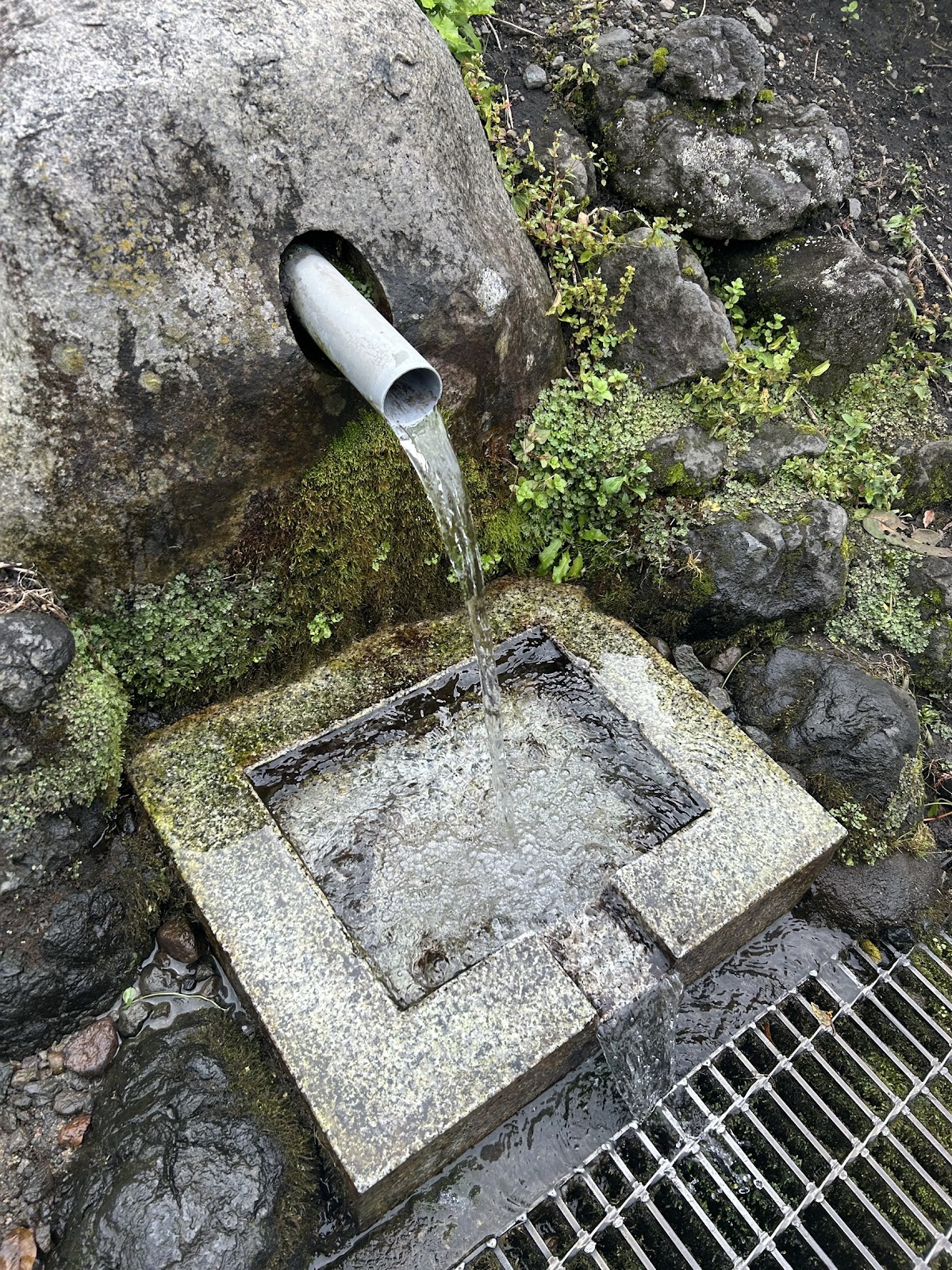
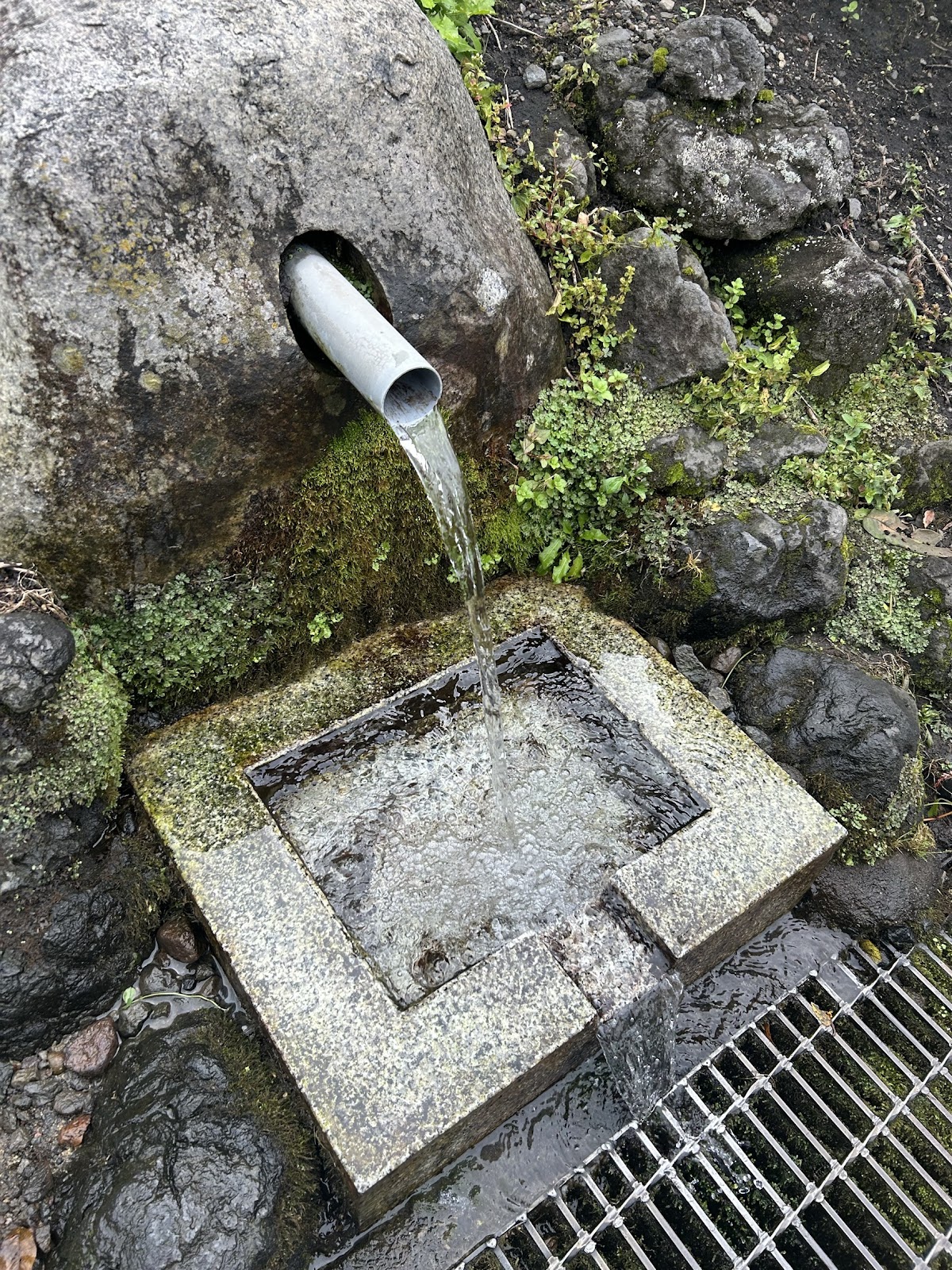
Due to this geological characteristic, multiple spring water points exist around Myosannji Swamp and have been utilized as water sources since ancient times. The adjacent Yata Shrine water source is said to have continued flowing since the Jomon period until the present, demonstrating the abundance of water in this region.
Pond Shape and Scale
Myosannji Swamp is rectangular, measuring approximately 150 meters north to south and 60 meters east to west, with its orderly shape clearly indicating it was artificially developed. The total water storage capacity is reportedly about 4,000 cubic meters, sufficient to secure irrigation water for surrounding farmland.
The current embankment height is nearly flat, and as the embankment crest length has not been precisely measured, it is believed to be a natural spring-fed pond that was shaped. This shape represents a device for efficient management and distribution of water and can be considered a product of Edo period agricultural civil engineering technology.
Surrounding Environment
Currently, Myosannji Swamp is located in a corner of Ota City. Once surrounded by fields and paddies as a rural area, it has become a region with residential neighborhoods and factories due to urban development. Nevertheless, by being developed as a waterside park, it has been preserved as a valuable natural space within the city.
Myosannji Swamp Waterside Park Today
Development as a Waterside Park
Myosannji Swamp is currently developed as “Myosannji Swamp Waterside Park,” serving as a gathering place for local residents. Following its selection as one of the 100 Best Reservoir Ponds, it was reborn as a public park where citizens can enjoy themselves while preserving its historical value.
A parking area with space for several vehicles is provided in front of the park, making it accessible by car. A walking path has been developed around the pond, allowing visitors to enjoy the changing seasons while taking a stroll.
Current Water Source Conditions
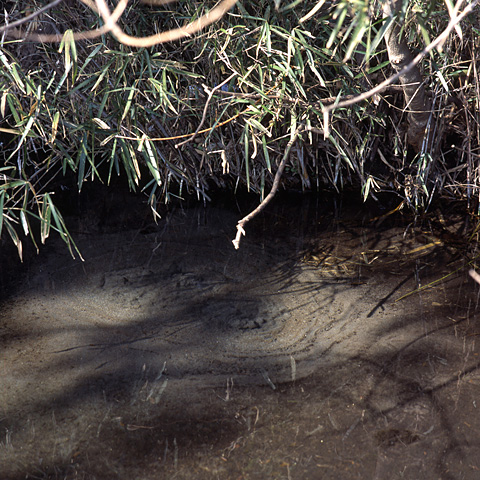
Unfortunately, the spring water of Myosannji Swamp is reportedly now depleted. This contrasts with the adjacent Yata Shrine water source, which continues to maintain abundant spring water. Changes in groundwater levels accompanying urbanization and changes in surrounding land use are believed to be contributing factors.
However, the pond’s form remains intact, and a certain volume of water is maintained by rainwater and other sources. Although its function as an agricultural water source has been lost, it continues to play an important role in environmental conservation and landscape maintenance.
Natural Environment and Ecosystem
Myosannji Swamp Waterside Park serves as a valuable natural environment within the city, with diverse flora and fauna confirmed.
Bird Watching Spot
Water birds fly to the pond and can be observed swimming leisurely. Water birds such as ducks visit seasonally, and bird watchers can often be seen enjoying themselves. The fact that it functions as a habitat for wild birds despite being in an urban area demonstrates the ecosystem value of this pond.
Flora
The park is planted with many trees, creating a rich natural environment. Particularly, many cherry trees are planted, blooming beautifully in spring. Additionally, Japanese irises (kakitsubata) are also planted, allowing visitors to enjoy their beautiful purple flowers in early summer. These plants display different appearances each season, delighting those who visit.
Myosannji Swamp Through the Four Seasons
Spring: Hidden Cherry Blossom Spot
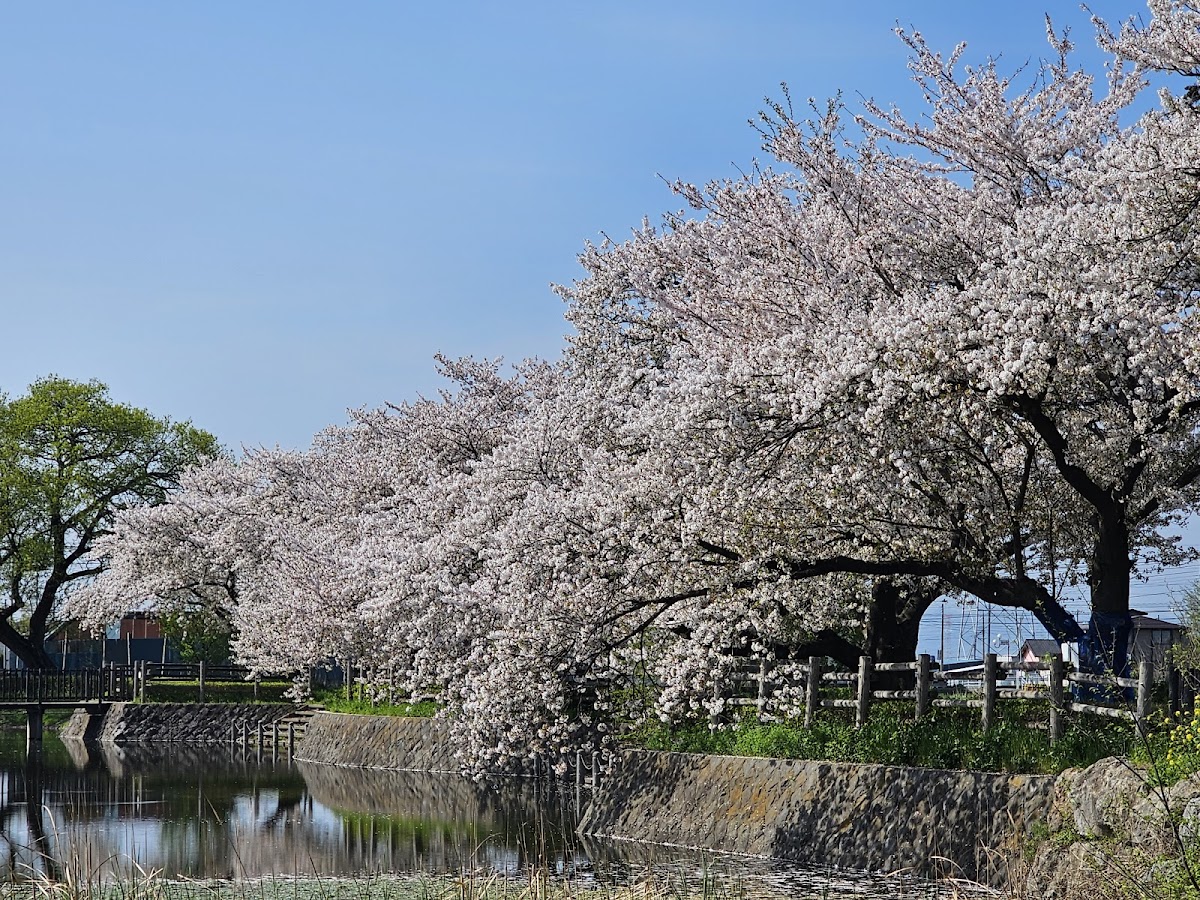
Myosannji Swamp Waterside Park is known locally as a hidden cherry blossom viewing spot. The sight of numerous cherry trees planted around the pond blooming all at once is spectacular, and the park bustles with flower viewing visitors in spring.
While Ota City has many famous cherry blossom viewing sites, Myosannji Swamp is beloved by local people as a secret spot where one can enjoy flower viewing in relative peace and quiet. The image of cherry blossoms reflected on the pond’s water surface is beautiful and perfect for photography.
Early Summer: Japanese Iris Colors
In early summer, Japanese irises (kakitsubata) reach their peak bloom. Elegant purple flowers decorate the waterside, creating beautiful contrast with the fresh green leaves. Japanese irises are traditional waterside plants in Japan, long featured in waka poetry and paintings. At Myosannji Swamp, visitors can enjoy this traditional beauty.
Summer: Refreshing Shade
In summer, abundant trees create refreshing shade, making it a pleasant place to relax. As a valuable green space in an urban area, it attracts people enjoying walks and jogging. The coolness of the water and tree shade provide relief from summer heat.
Fall and Winter: Quiet Waterside Scenery
In autumn, fall foliage colors the pond, and in winter, a quiet waterside landscape spreads as migratory birds arrive. Displaying a different appearance through the four seasons, Myosannji Swamp is a place where new discoveries await with each visit.
Access Information
Location
〒370-0314
Shinden Daikon-cho, Ota City, Gunma Prefecture, around address number 189
Access by Car
From Tokyo Area
- Approximately 40 minutes from “Takasaki IC” on the Kan-etsu Expressway
- Approximately 15 minutes from “Ota Kiryu IC” on the Kita-Kanto Expressway
- Approximately 10 minutes from “Ota Yabuzuka IC” on the Kita-Kanto Expressway
Parking
Parking space for several vehicles is available in front of the park. Parking is free, but the number of spaces is limited, and the lot may fill up on weekends and during cherry blossom season.
Access by Public Transportation
Railway
- Approximately 4km from “Ota Station” on the Tobu Isesaki Line
- Approximately 3km from “Kizaki Station” on the Tobu Isesaki Line
Bus
When using the bus from Ota Station, take a bus heading toward the Nitta district and access the park on foot from the nearest bus stop. However, since the number of buses is limited, it is recommended to check the timetable in advance.
On Foot or by Bicycle
The nearest station is quite far, so walking will take more than 30 minutes. Bicycles can be rented within Ota City, making bike access another option.
Nearby Attractions
Yata Shrine Water Source
Located right next to Myosannji Swamp, the Yata Shrine water source is a historic spring that has continued flowing since the Jomon period until today. Visiting it together with Myosannji Swamp allows for a deeper understanding of this region’s water history. Currently maintaining abundant spring water, it is preserved as a valuable water resource for the region.
Nitta Manor Historical Museum
A museum where visitors can learn about the history of Nitta Manor, featuring exhibits on the medieval manor system and Nitta Yoshisada. Understanding the historical background of how Myosannji Swamp was utilized as a water source for Nitta Manor becomes possible here.
Ikushina Shrine
A historically significant shrine where Nitta Yoshisada reportedly raised his banner to overthrow the Kamakura shogunate. An important site for feeling the history of the Nitta district.
Conservation and Future of Myosannji Swamp
Preservation of Historical Value
Being selected as one of the 100 Best Reservoir Ponds means that the historical and cultural value of Myosannji Swamp has been officially recognized. Ota City continues appropriate maintenance and conservation activities to preserve this valuable resource for future generations.
While the depletion of spring water is regrettable, the preservation of the pond’s form and surrounding environment maintains its historical landscape. Local residents and the administration cooperate in conducting regular cleaning activities and environmental improvements.
As an Environmental Education Venue
Myosannji Swamp Waterside Park has become a valuable place for local children to interact with nature. As part of school education, it is utilized as a fieldwork site for learning about regional history and the importance of water.
Further utilization is expected as an educational material for various environmental topics such as the history of reservoir ponds, the importance of water sources, and ecosystem conservation through hands-on learning.
Community Hub
By being developed as a waterside park, Myosannji Swamp functions as a gathering place for local residents. Whether taking walks, jogging, or viewing flowers, it has become a place where community members gather in various ways, deepening community bonds.
Notes and Etiquette for Visitors
Basic Manners
- Always take trash home: Please cooperate in removing garbage to maintain the beautiful environment.
- Treasure wild birds and plants: While observation is enjoyable, avoid approaching them unnecessarily or feeding them.
- No entry into the pond: For safety reasons, please do not enter the pond.
- Be considerate of noise: Since it is adjacent to residential areas, please avoid making loud noises.
Photography
Myosannji Swamp is also popular as a photography spot, but please be considerate of other visitors. Especially during busy seasons such as cherry blossom time, enjoy photography with a spirit of sharing.
Facilities
Facilities such as restrooms and shops within the park are limited. It is recommended to prepare before your visit. Particularly in summer, remember to bring water for hydration.
Conclusion
Myosannji Swamp is a historic reservoir pond that Ota City in Gunma Prefecture takes pride in, and it is a valuable water source facility as the only location in the prefecture selected as one of the 100 Best Reservoir Ponds. With a long history spanning from the Nitta Manor era of the medieval period, it has supported regional agriculture and community life since its excavation in the Edo period.
Although its spring water has now become depleted, it has been developed as a waterside park and serves a new role as a valuable natural space within the city and a gathering place for local residents. It is also known as a cherry blossom viewing spot where visitors can enjoy beautiful scenery throughout the four seasons.
Myosannji Swamp, which has nourished the region for generations within the distinctive Omama fan delta formation. Visiting and experiencing its history and present form serves as an opportunity to reflect on the importance of water, regional history, and coexistence with nature.
When visiting Ota City, be sure to visit Myosannji Swamp Waterside Park and experience the charm of one of Gunma Prefecture’s 100 Best Reservoir Ponds. By the quiet waterside, while reflecting on history, you can spend leisurely time in peace.