
Complete Guide to Matsumoto Castle Town Spring Water Group|Touring Matsumoto’s Spring Water Selected as Heisei’s Top 100 Waters
In the center of Matsumoto City, Nagano Prefecture, numerous spring waters dot the landscape, having quenched the thirst of citizens and travelers for centuries. These spring waters, collectively called the “Matsumoto Castle Town Spring Water Group,” were selected as one of the “Heisei’s Top 100 Waters” by the Ministry of the Environment in 2008, and ranked 3rd nationwide in the category of outstanding spring water as a tourist destination. This article comprehensively introduces the charm of this precious water resource, including its history, geography, and tourist information.
What is the Matsumoto Castle Town Spring Water Group?
The “Matsumoto Castle Town Spring Water Group” is a collective term for numerous wells and spring waters existing in the area surrounding Matsumoto Castle. More than 24 spring water spots are currently confirmed in the Matsumoto city area, each deeply connected to the region’s life and culture.
Selection as Heisei’s Top 100 Waters
In June 2008, the Ministry of the Environment announced “Heisei’s Top 100 Waters,” and the Matsumoto Castle Town Spring Water Group was selected as one of them. This selection recognized the ongoing, proactive water environment conservation activities by local residents and community groups, in addition to the “Top 100 Waters” selected in 1985. Four locations in Nagano Prefecture, including the Matsumoto Castle Town Spring Water Group, were selected, symbolizing the prefecture’s abundant water environment.
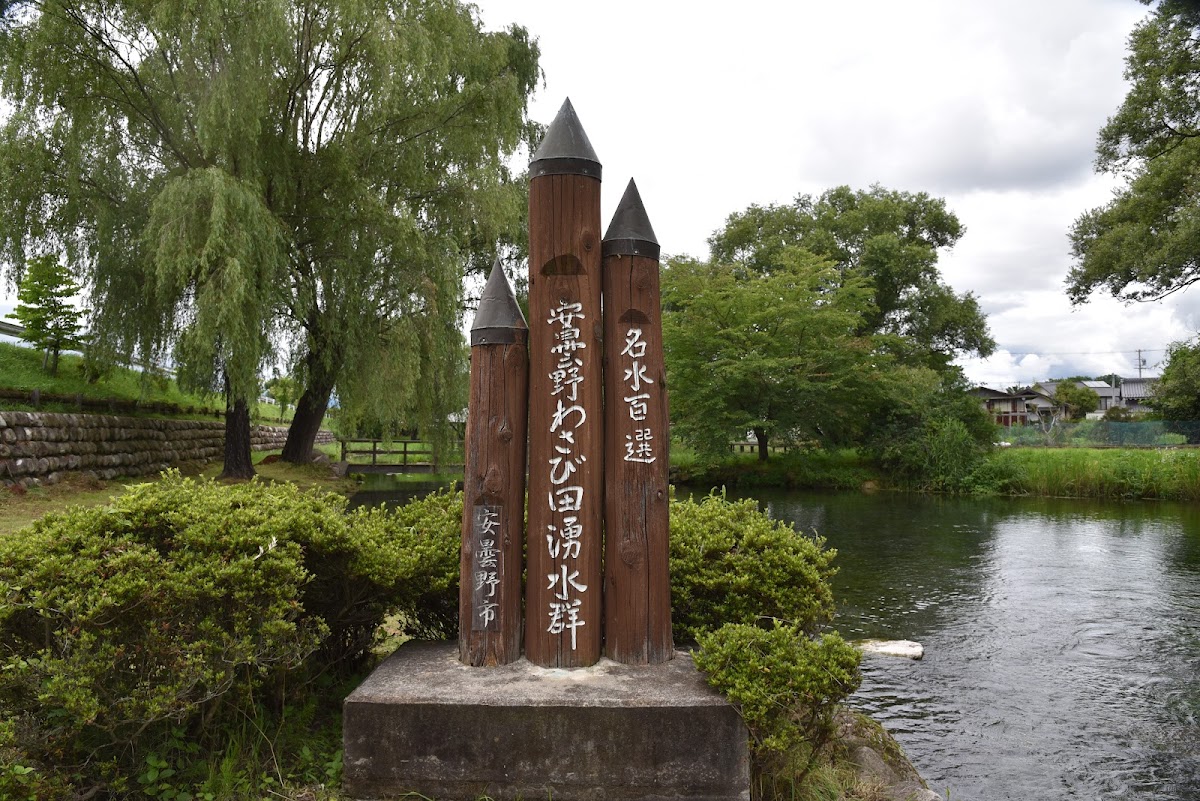
Furthermore, in the “Top 100 Waters Selection Popular Vote,” it ranked 3rd in the category of outstanding spring water as a tourist destination, its value as a tourism resource highly evaluated. Notably, first place was awarded to the Azumino Wasabi Field Spring Water Group, also in Nagano Prefecture, reflecting the richness of the prefecture’s water resources.
Geographical Background Behind Spring Water Formation
Alluvial Fan and Groundwater Mechanisms
The abundance of spring water in Matsumoto City derives from its geographical conditions. Underground the alluvial fans created by rivers such as the Mejiba River flowing through the eastern part of the Matsumoto Plain, groundwater flowing from mountainous areas like Miyagahara is abundantly stored.
An alluvial fan is a landform created where rivers emerge from mountains onto plains, composed of highly permeable sand and gravel layers. This geological layer acts as a natural filter, storing water flowing from the mountains as clean groundwater. In Matsumoto city center, this groundwater naturally emerges at the surface, forming numerous spring waters and wells.
Blessings from Miyagahara
The surrounding mountainous areas, including the Miyagahara Plateau at an elevation of 2,000 meters, are important water sources that nourish Matsumoto’s groundwater. Rainfall and snowmelt permeate the ground, travel through the subsurface over many years, and emerge as spring water in Matsumoto city center. This natural cycle is the secret to maintaining stable water volume and quality year-round.
Representative Spring Water Spots
Genji’s Well
The most famous among the Matsumoto Castle Town Spring Water Group is “Genji’s Well” (Genchi no Izumi). Located in the center of Matsumoto city, this well has long been cherished as “Matsumoto’s Famous Water.”
The water at Genji’s Well is maintained through conservation activities centered on local residents and town associations, always kept clean. The water is soft water with a pleasant taste, and many citizens and tourists come to draw water. The area around the well is well-maintained and available for anyone to use freely.
Spring Water at Tsuki Well Izumi Shrine
Tsuki Well Izumi Shrine is, as its name suggests, a shrine with deep connections to spring water. Within its grounds is clear spring water, long revered as the deity of water. While the shrine’s spring water is treated as sacred, it also has a history of being used as living water by local people.
Jizo Shimizu
Jizo Shimizu is clear water that springs up near a Jizo statue, a spring water spot where local faith and life are intertwined. Though small in scale, it maintains a stable water flow and is regularly used by local residents.
Matsue Spring Water
Matsue spring water, located within a residential area, boasts abundant water volume. It is well-maintained by local residents, providing clean water.
Sake Brewery Spring Water
There are multiple sake breweries in Matsumoto City, many of which use spring water as their brewing water. Sake brewery spring water has particularly excellent water quality, becoming an important factor influencing the taste of sake. Some breweries open their spring water to the public and can be visited along with sake brewery tours.
Relationship Between Castle Town History and Spring Water
Matsumoto Castle and Water Resources
One reason Matsumoto Castle was built was this region’s abundant water resources. Maintaining a castle town required stable water supply. Spring waters became the source of water for within the castle, samurai residences, and merchant areas, supporting the development of Matsumoto Castle Town.
Role as a Post Town
In the Edo period, Matsumoto was a strategic junction connecting the Nakasendo and Hokuriku Kaido routes. Travelers quenched their thirst with Matsumoto’s spring water and found relief from fatigue. Spring water was important infrastructure supporting the function of post town.
Connection with Living Culture
Spring water was not merely a water source but also the center of community life. As the phrase “well-side chat” suggests, spring waters and wells were places where people gathered to exchange information. Even today, natural interaction is born among those visiting spring waters.
Contemporary Conservation Activities
Community-Led Conservation Activities
The greatest feature of the Matsumoto Castle Town Spring Water Group is that local town associations and citizens center conservation activities. Each spring water spot undergoes regular cleaning, water quality checks, and surrounding environmental maintenance.
Matsumoto City also focuses on preserving “water environment and fragrance environment,” working with citizens to protect spring waters. This ongoing conservation activity led to the selection as Heisei’s Top 100 Waters.
Application to Environmental Education
The spring water group serves as a living teaching material for environmental education. School social studies field trips and environmental learning visits to spring waters provide opportunities to learn about water circulation and regional nature. Children understanding the value of regional natural resources helps transmit conservation awareness to future generations.
How to Enjoy Spring Water Touring
Recommendation for Touring All 24 Locations
In Matsumoto City, there are more than 24 known spring water spots. Each has individual character, with careful attention given to design. Seeing each one is like a treasure hunt adventure.
Those with time should walk through the spring waters scattered from the area around Matsumoto Castle to the southeastern region. The journey takes half a day to a full day, allowing enjoyment of spring water touring while experiencing the historic street scenery of Matsumoto.
Water Tasting Comparison
Each spring water has subtly different water quality and taste variations. Comparing them—such as the soft water of Genji’s Well, the crystalline taste of sake brewery spring water—is an interesting experience. However, if drinking, it is recommended to confirm with the local municipality or manager of that spring water whether drinking is permitted.
On hot summer days, drinking the cold spring water during a city walk can relieve fatigue. Bringing a personal bottle and collecting water at various locations while touring is also a good approach.
As a Photography Spot
Each spring water spot is ideal for photography with charming appearance. Stone wells, wooden dippers, surrounding greenery—all photogenic elements are present. The landscape changes with seasons, with appeals including spring’s fresh greenery, summer’s coolness, autumn’s red leaves, and winter’s snowy scenery.
Access and Tourist Information
Access to Matsumoto City
By Train
- JR Matsumoto Station is the nearest station
- From Tokyo area: Limited Express Azusa approximately 2 hours 30 minutes
- From Nagoya area: Limited Express Shinano approximately 2 hours
By Car
- Approximately 15 minutes from Matsumoto IC on Nagano Expressway to city center
- Approximately 30 minutes from Okaya IC on Chuo Expressway
Local Transportation Methods
Walking
From Matsumoto Station, major spring water spots are within walking distance. Genji’s Well is approximately 20 minutes on foot from the station.
Matsumoto Sightseeing Bus “Town Sneaker”
A convenient loop bus touring city attractions. North and East courses serve areas near major spring water spots. Using a day pass allows efficient spring water touring.
Rental Bicycles
Matsumoto city is relatively flat, making bicycle travel comfortable. Rental bicycle services are available around the station area.
Points to Note During Tourism
- Regarding Drinking: The Ministry of the Environment’s selection as Top 100 Waters does not guarantee suitability for drinking. When drinking, it is recommended to confirm in advance with the Matsumoto City Environmental Conservation Division.
- Observance of Manners: Spring water is a precious regional resource. Do not litter, avoid drawing large quantities, do not pollute surroundings—use with proper etiquette.
- Consideration for Private Property: Some spring waters are on private land or in residential areas. View quietly and be considerate of residents’ lives.
- Season and Clothing: Summer has strong sunlight, so bring a hat and sunscreen; winter requires proper cold weather protection. Wearing comfortable walking shoes is recommended.
Surrounding Tourist Spots
Matsumoto Castle
National Treasure Matsumoto Castle is a must-see spot to visit along with the Matsumoto Castle Town Spring Water Group. The castle’s black and white contrasting main tower is the oldest existing five-story six-floor tenshu among currently standing examples.
Nakamachi Street
With white walls and black earthenware tiles lined along Nakamachi Street, this is a representative historic streetscape of Matsumoto. Stylish cafes and specialty shops line the area, making strolling enjoyable.
Nawate Street
Extending along the Mejiba River, Nawate Street has a retro Showa atmosphere. With many frog-themed shops, it is also known as the “Frog Town.”
Matsumoto City Art Museum
An art museum displaying numerous works by artist Yayoi Kusama, a native of Matsumoto. The building’s exterior is also colored with Kusama works—a must-see for art fans.
Spring Water and Matsumoto Food Culture
Japanese Sake
Matsumoto’s clear spring water is ideal for sake brewing. Multiple sake breweries in the city use spring water as brewing water to manufacture local sake. Some facilities offer brewery tours and tastings, allowing experience of spring water’s blessings.
Buckwheat Noodles
Shinshū soba also has deep connections to spring water. Spring water is used for preparing noodles, boiling them, and preparing broth, with spring water enhancing soba flavor.
Tofu
Quality water is essential for tofu making. Some shops in Matsumoto City manufacture tofu using spring water, with water quality reflected in tofu taste.
Spring Water’s Seasonal Expressions
Spring (March–May)
The season when snowmelt adds to groundwater, increasing spring water volume. Surrounding cherry blossoms and new greenery bud, a period when spring water and nature’s harmony is beautiful.
Summer (June–August)
The season when spring water’s coldness feels most pleasant. Even on days exceeding 30 degrees Celsius, spring water maintains temperatures in the teens Celsius, providing refreshing coolness like a natural air conditioner.
Autumn (September–November)
Surrounding trees change color, a season when spring water and autumn leaves’ contrast is beautiful. Clear air heightens water transparency distinctly.
Winter (December–February)
Spring water amid snowy scenery creates a fantastical atmosphere. Spring water does not freeze, sometimes showing water vapor rising like steam.
Environmental Conservation Efforts and Challenges
Sustainable Water Resource Management
Matsumoto City undertakes various initiatives to pass spring water to future generations. Mountain forest preservation in groundwater recharge areas, permeable pavement promotion, and rainwater infiltration facility installation all work to conserve groundwater.
Water Quality Preservation Efforts
Regular water quality inspections monitor spring water conditions. Awareness activities also work to prevent groundwater contamination from household wastewater.
Future Challenges
Urban development raises concerns about decreasing groundwater recharge volume. Climate change affecting precipitation patterns may also long-term influence spring water. These challenges require cooperation between government, citizens, and businesses.
Conclusion: Charm Woven by Spring Water in Matsumoto
The Matsumoto Castle Town Spring Water Group is not merely a tourism resource but a regional treasure deeply connected to Matsumoto’s history, culture, and life. Blessings from mountains including Miyagahara flow through the underground of the alluvial fan to emerge as spring water in the city center, supporting people’s lives for centuries.
Selection as Heisei’s Top 100 Waters proves this precious water resource is appropriately preserved and used by many today. Community-led conservation activities strengthen community bonds and elevate environmental consciousness.
When visiting Matsumoto, be sure to take time for spring water touring. Combined with major tourist spots like Matsumoto Castle and art museums, visiting spring waters allows touching the essential charm of Matsumoto. Each spring water has a story, and tasting that water allows experiencing Matsumoto’s nature and history with all five senses.
The sound of clear water welling up, the sensation of cold water, and its crystalline taste. The Matsumoto Castle Town Spring Water Group is an irreplaceable presence reminding us of our connection to nature, nearly forgotten in modern society.