Complete Guide to Hidarinego no Shimizu (Akita Prefecture): History, Access, and Attractions Explained
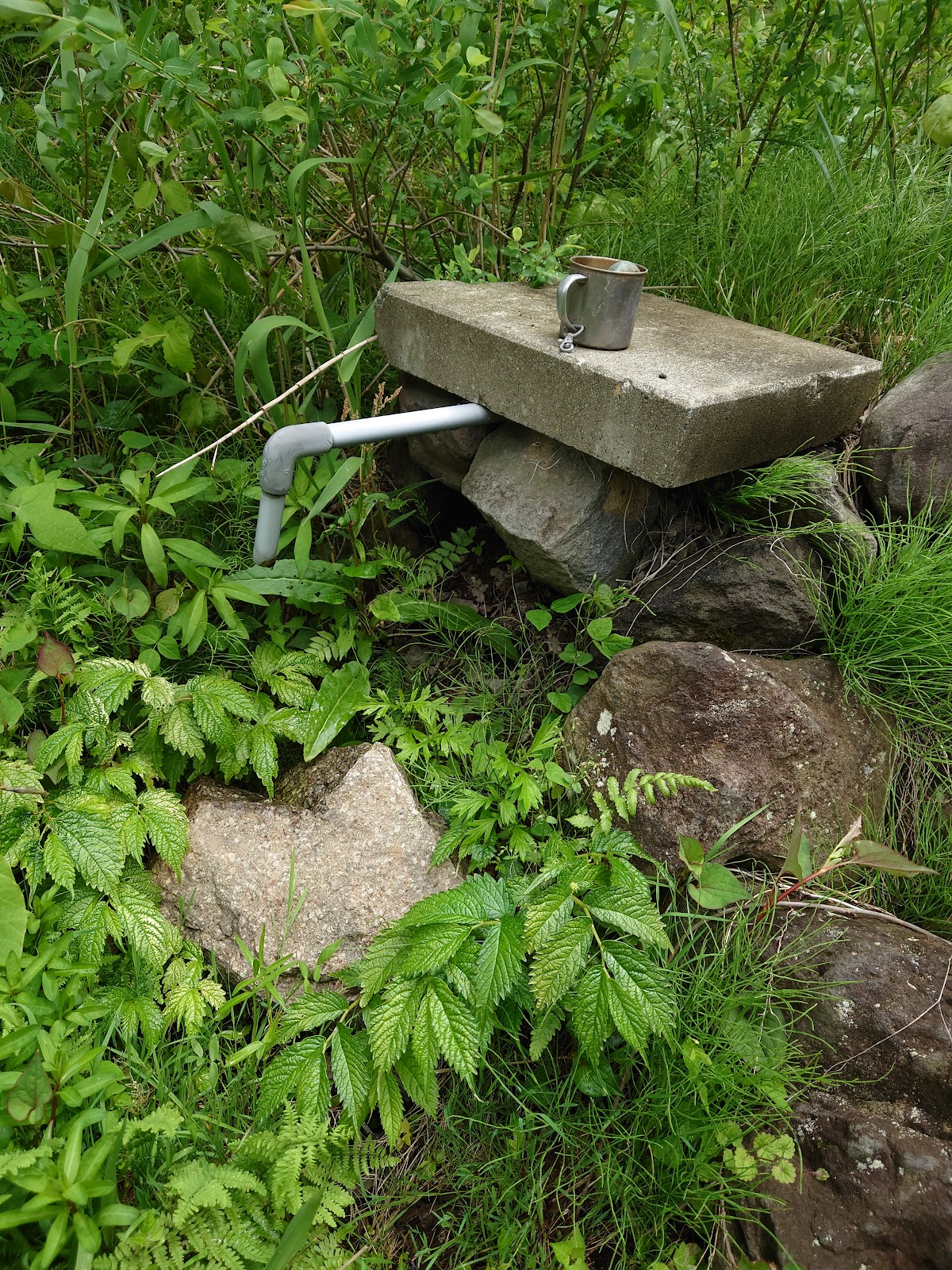
Hidarinego no Shimizu (左手子の清水), a spring that flows in Kakudate Town, Semboku City, Akita Prefecture, is a famous water source that has been cherished by local residents for generations. This article comprehensively introduces everything you should know before visiting, including the historical background of Hidarinego no Shimizu, water quality characteristics, access methods, and nearby tourist attractions.
What is Hidarinego no Shimizu?
Hidarinego no Shimizu is a spring located in Kakudate Town, Semboku City, Akita Prefecture, and is a historic water source that has long been utilized as domestic water for local residents. Kakudate is known as the “Little Kyoto of Michinoku,” a tourist destination where samurai residences remain, but this spring is located in a quiet place somewhat removed from the hustle and bustle of the tourist areas, and has been closely connected to the lives of local people.
Origin of the Name
The distinctive name “Hidarinego” (left-hand child) has various theories, but the explanation based on topography and place names is most plausible. Many place names in Akita Prefecture contain “~ko” (child), which is said to be a remnant of old place name notation indicating settlements or specific locations. Hidarinego no Shimizu is believed to have been named after this area being called “Hidarinego” in the past.
History and Cultural Background of Hidarinego no Shimizu
Water Use Since the Edo Period
Kakudate flourished as the castle town of the Satake Northern Family during the Edo period. In this area where samurai residences stood in rows, securing domestic water was an important issue. It is believed that Hidarinego no Shimizu was utilized as a precious water source for the region against this historical backdrop.
Spring and Community
In rural areas of Akita Prefecture, communal water sources served a central role in the regional community. Hidarinego no Shimizu once functioned as a place where neighboring residents gathered to wash clothes and vegetables. Conversation at the water source was also a place for exchanging information and played an important role in deepening community bonds.
Water Quality and Characteristics
Mechanism of Spring Water
Hidarinego no Shimizu is natural spring water that flows from rain and snow that have fallen on the surrounding mountains, permeating underground and being filtered through geological layers over many years. The geology of the inland area of Akita Prefecture has many layers with excellent water filtering abilities, and clear spring water is seen in various locations.
Water Temperature and Quality
A characteristic of spring water is that its temperature remains nearly constant throughout the year. Generally, spring water temperatures are around 10-15 degrees Celsius, feeling cold in summer and warm in winter. This stable water temperature was once used for preserving food and other purposes.
Access Methods
Access by Public Transportation
From JR Kakudate Station
- Get off at JR Akita Shinkansen/Tazawako Line “Kakudate Station”
- Approximately 15-20 minutes on foot or by taxi from the station
- Kakudate city circulation bus available (nearest bus stops vary depending on route)
Access by Car
From the Tohoku region
- Approximately 60 minutes via Route 46 from “Morioka IC” on the Tohoku Expressway
From the Akita region
- Approximately 40 minutes via Route 105 from “Omagari IC” on the Akita Expressway
Parking Information
- Pre-confirmation is recommended regarding whether dedicated parking is available
- It is also possible to use public parking around the Kakudate samurai residences and access on foot
Precautions and Etiquette When Visiting
Respect for Domestic Water Use in the Community
Hidarinego no Shimizu is not a tourist facility but may be domestic water actually used by local residents. Please note the following when visiting:
- Do not speak loudly or make noise
- Always take trash with you
- Do not pollute the water source
- Do not interfere with use by local residents
- Do not trespass on private property
Regarding Consumption
Drinking spring water is at one’s own risk. In recent years, water quality may have changed due to environmental changes, so please note the following:
- Boiling before consumption is recommended
- Those with health concerns should refrain from drinking
- Avoid taking large quantities home
Nearby Tourist Attractions
Kakudate Samurai Residence Street
When visiting Hidarinego no Shimizu, be sure to take a stroll along Kakudate’s samurai residence street as well. Kakudate, selected as a nationally important traditional building preservation district, is a precious area where Edo period samurai residences still remain.
Points of Interest
- Aoyagi Family: A representative samurai residence where interior viewing is possible
- Ishiguro Family: The only samurai residence where descendants still live
- Matsumoto Family: A samurai residence designated as a historic site by Akita Prefecture
- Hiba Woodwork Tradition Museum: A facility where you can learn about Kakudate’s traditional crafts
Hinoki Naigawa Dike Cherry Blossom Trees
Kakudate is also famous as a cherry blossom spot. In particular, the cherry blossom trees along the Hinoki Naigawa Dike are designated as a national scenic spot, and in spring, a cherry blossom tunnel stretches for approximately 2 kilometers.
Best Time for Cherry Blossoms
- Typically late April to early May
- Approximately 400 cherry trees centered on Somei Yoshino bloom in profusion
Lake Tazawa
Another major tourist attraction in Semboku City is Lake Tazawa. A mysterious lake boasting Japan’s greatest depth, it offers beautiful scenery throughout the four seasons.
Points of Interest at Lake Tazawa
- Tatsuko Statue: A golden statue standing on the lakeshore
- Gozaishi Shrine: A shrine associated with the legend of Princess Tatsuko
- Sightseeing Boats: Enjoy views from the lake
Charms of Each Season
Spring (April-June)
Spring is the most vibrant season when all of Kakudate is adorned with cherry blossoms. The area around Hidarinego no Shimizu is also beautiful with fresh green leaves, and water volume increases with snowmelt. The cherry blossom period is crowded with tourists, so early morning or evening is recommended when visiting the spring.
Summer (July-September)
Summer is when the coldness of spring water is pleasant. Akita’s inland area remains relatively cool even in summer and is popular as a summer resort. The area around the spring has much shade and is visited by local people seeking cool refreshment.
Autumn (October-November)
Autumn is the season of fall foliage. The mountains around Kakudate turn colors, and this is a time when the contrast between the black fences of samurai residences and autumn foliage is beautiful. The area around Hidarinego no Shimizu is also enveloped in autumn colors.
Winter (December-March)
Winter in Akita is snowy, and the area around Hidarinego no Shimizu is also covered with snow. However, the spring water continues to flow without freezing, and the sight of it rising with steam is magical. Winter visits may be difficult due to snowfall, so prior information gathering and appropriate equipment are necessary.
Water Culture in Akita Prefecture
Major Springs and Clear Waters in Akita Prefecture
Besides Hidarinego no Shimizu, many famous waters exist throughout Akita Prefecture:
Rokugō Springwater Group (Misato Town)
- Selected as one of “Heisei Famous Waters”
- Over 60 springwater points
- Niteko Shimizu and Odaisho Shimizu are famous
Chikaramizu (Nikahou City)
- Spring water at the base of Mount Chōkai
- Long used as domestic water for the area
Motodaki Fushiryusui (Nikahou City)
- Spring water at the base of Mount Chōkai flowing from rock surfaces
- A waterfall-like spring approximately 30m wide and 5m high
Relationship Between Water and Daily Life
For the people of Akita Prefecture, clear springs and spring water are not merely water sources but part of their culture. Community formation centered on water sources, water deity worship, and traditional events using water—water-related culture still remains.
History of Kakudate and Hidarinego no Shimizu
Formation of Kakudate
Kakudate was developed as a castle town by the Ashina Clan in 1620 (Genwa 6). Subsequently, under the rule of the Satake Northern Family, samurai and merchant districts were clearly differentiated, and the foundation of the current town layout was formed.
Importance of Water in Castle Towns
In castle towns during the Edo period, securing drinking water was an important element of urban planning. Wells, springs, water channels, and other water facilities were planned and positioned, and Hidarinego no Shimizu may have been part of such a water system.
Efforts in Preservation and Transmission
Conservation Activities by the Community
Many springs and clear waters are maintained through cleaning activities and management by local residents. It is believed that Hidarinego no Shimizu has been protected until now through the efforts of local people.
Importance of Environmental Conservation
Water quality and volume of spring water are greatly influenced by the surrounding environment. Forest conservation, appropriate land use, and maintenance of water source preservation forests are all connected to protecting spring water through comprehensive environmental conservation.
Points for Planning Your Visit
Best Time to Visit
The optimal time to visit Hidarinego no Shimizu varies depending on your objectives:
To Enjoy with Cherry Blossoms
- Late April to early May
- Early morning on weekdays recommended to avoid crowds
To Enjoy the Water Source Quietly
- June-July, September-October
- Off-season is the best bet
To Enjoy with Fall Foliage
- Mid-October to early November
- Fall foliage of samurai residences can also be enjoyed at the same time
Time Required
Viewing Hidarinego no Shimizu itself takes approximately 15-30 minutes, but combined with sightseeing in Kakudate, the itinerary becomes a half-day to full-day outing.
Sample Half-Day Course
- Arrival at Kakudate Station (9:00)
- Samurai Residence Sightseeing (9:30-11:00)
- Visit to Hidarinego no Shimizu (11:30-12:00)
- Lunch in Kakudate (12:00-13:00)
Food Culture and Local Products of Kakudate
Local Cuisine of Kakudate
When visiting Hidarinego no Shimizu, also enjoy the local cuisine of Kakudate:
Inaniwa Udon
- A famous product of southern Akita Prefecture
- Many restaurants in and around Kakudate serve it
Kiritanpo Hot Pot
- A representative local dish of Akita
- Many restaurants offer it seasonally in winter
Yokote Yakisoba
- B-class gourmet food from southern Akita Prefecture
- A unique style with fried egg topping
Traditional Crafts of Kakudate
Kaba Zaiku (Birch Bark Crafts)
- Crafts using the bark of mountain cherry trees
- Tea caddies and small storage boxes are popular
- Designated as a traditional national craft
Tips for Photography
Photography of Hidarinego no Shimizu
When visiting Hidarinego no Shimizu, be sure to capture it in photographs:
Photography Tips
- Soft light in early morning or evening is recommended
- Composition utilizing water surface reflections
- Include surrounding nature in the background
- Use macro lens to photograph water droplets and moss
Precautions
- Be considerate of local residents’ privacy
- Do not monopolize the water source
- When using a tripod, do not impede passage of others
Protecting Hidarinego no Shimizu
What Visitors Can Do
There are things each individual visitor can do to preserve Hidarinego no Shimizu for future generations:
- Take Trash Home – This is basic etiquette, but be thorough
- Do Not Pollute Water – Do not use detergents or chemical substances
- Do Not Harm Nature – Do not pick plants or move rocks
- View Quietly – Respect the living environment of local residents
- Be Careful with SNS Posts – Be cautious about disclosing detailed location information
Sustainable Tourism
In recent years, excessive crowding at tourist destinations (overtourism) has become a problem. Special consideration is necessary at places like Hidarinego no Shimizu that are rooted in community life. Ideally, the number of visitors is managed appropriately and tourism is conducted in harmony with the region.
Conclusion
Hidarinego no Shimizu is a precious spring that conveys the history and culture of Kakudate Town, Semboku City, Akita Prefecture to the present day. It is not a facility developed as a tourist attraction, but precisely because of this, it is possible to see the authentic appearance closely aligned with the lives of local people.
When visiting Kakudate, in addition to famous tourist destinations such as samurai residences and cherry blossom trees, try visiting places rooted in the community like Hidarinego no Shimizu. There you will find the true face of Kakudate not found in guidebooks.
When visiting, do not forget respect for local residents and observe proper etiquette. The consideration of each individual visitor passes this precious water source on to the future.
Why not experience the natural blessings of Akita and the endeavors of the people who have continued to protect them at Hidarinego no Shimizu where clear water flows?