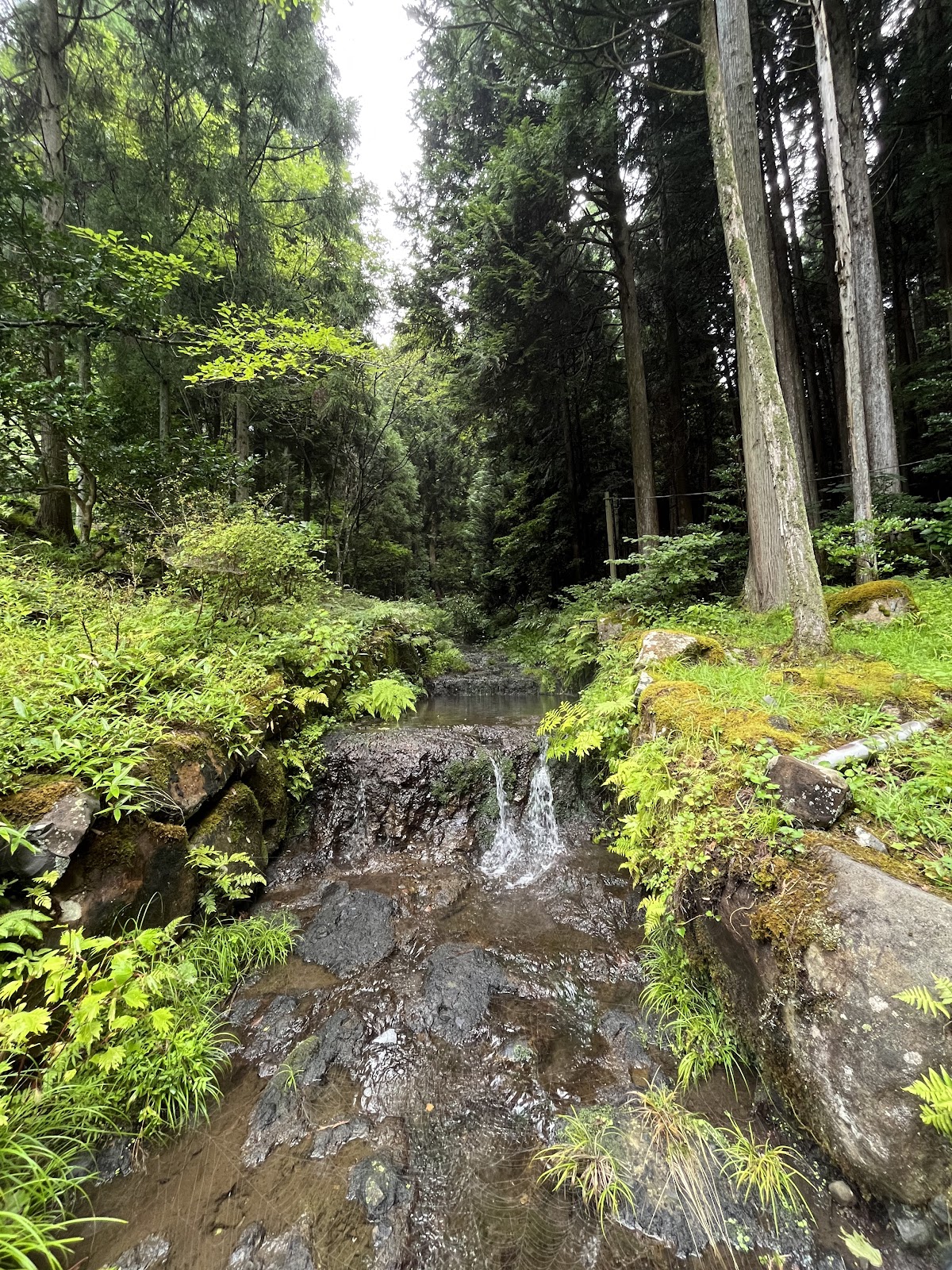

Complete Guide to Kowaizuwan (古和秀水) | Thorough Explanation of Wajima City’s Selected One Hundred Famous Waters
Kowaizuwan (古和秀水), a sacred spring that wells up in Monzen Town, Wajima City, Ishikawa Prefecture, is the only water source in the Oku-Noto region selected by the Ministry of the Environment as one of Japan’s “One Hundred Selected Famous Waters.” The clear water that springs from the back mountain of Sojiji-Sooin, the head temple of the Soto Zen sect, has a history spanning over 700 years and continues to be cherished by local residents today.
This article comprehensively presents the charms of this famous water, from its historical background, the origin of its name, water quality characteristics, access methods, to nearby tourist attractions.
What is Kowaizuwan | The Only Selected One Hundred Famous Water in Oku-Noto
Kowaizuwan is a spring located in the mountains of Onya, Monzen Town, Wajima City, Ishikawa Prefecture. Located on property owned by Sojiji-Sooin, it springs from near the summit of a high-altitude mountain.
Selection as One of the One Hundred Famous Waters
In 1985 (Showa 60), it was selected as one of Japan’s “One Hundred Selected Famous Waters” by the Ministry of the Environment (then the Environmental Agency). This selection aims to conserve clean water environments across the country, and Kowaizuwan is one of seven famous waters selected from Ishikawa Prefecture. It is particularly the only selected famous water in the Oku-Noto area, making it a source of regional pride.
Water Quality Characteristics
The water quality of Kowaizuwan has the following characteristics:
- Water Temperature: Constant at approximately 12 degrees Celsius year-round
- Spring Water Volume: Approximately 90 tons per day
- Water Quality: Clear, limpid, and highly transparent
- During Dry Seasons: A stable water source that never dries up even during periods of drought
The fact that the water temperature remains constant throughout the year is evidence that it springs from deep geological layers, indicating stability in water quality.
History and Origin of Kowaizuwan | The Legend of Zen Master Keizan and the Dragon God
The Founding of Sojiji and the Origin of Kowaizuwan
The history of Kowaizuwan traces back to 1321 (Gennō 1), the founding year of Sojiji. According to legend, Zen Master Keizan Jokin (瑩山紹瑾), a high priest of the Soto Zen sect, was informed of the existence of this sacred spring by the oracle of a dragon god when he established Sojiji in this location.
According to old records, this spring existed from the very beginning of Sojiji’s establishment, and for over 700 years since then, it has been used as water for tea and hot water offered before the Buddha.
The Origin of the Name “Kowaizuwan”
The name Kowaizuwan has an interesting anecdote behind it.
Long ago, there was a devout father in this area who was so poor he could not afford to buy sake. One day, after drinking this spring water, he became slightly intoxicated. Curious about this, his son drank the same water, but it was just clear water.
From this incident came the phrase “The parent tastes sake (shushu), the child tastes clear water (shimizu),” which eventually transformed into the name “Kowaizuwan (古和秀水).”
This legend has been passed down in the region as a story illustrating the depth of faith and the spiritual efficacy of the water.
Connection with Sojiji-Sooin
Due to a major fire in 1898 (Meiji 31), Sojiji relocated its main temple functions to Tsurumi Ward, Yokohama City. However, the original temple remains in Monzen Town, Wajima City as “Sojiji-Sooin,” and Kowaizuwan continues to serve as an important water source for the Sooin today.
At the Sooin, they continue to carefully use Kowaizuwan as water to be offered before the Buddha, as well as for water used in various Buddhist services and rituals.
Use and Benefits of Kowaizuwan
Religious Use
Kowaizuwan is used at Sojiji-Sooin for the following purposes:
- Offering of Tea and Hot Water: Tea and hot water offered before the Buddha
- Ritual Water: Purifying water used in various Buddhist ceremonies
- Drinking Water: Drinking water for monks and visitors
Use by Local Residents
Residents around Sojiji-Sooin have used this water since ancient times:
- Water for Buddha Altars: Water offered at home Buddhist altars
- Water for Tea: Water for brewing daily tea
- Drinking Water: Water consumed directly as drinking water
The local people treasure this water as “water for longevity and extending life,” and the custom of regularly coming to collect it continues today.
Current Use Status
Today, Kowaizuwan can still be freely collected. On weekends and holidays, people from not only Wajima City but also Kanazawa City and various locations throughout the Noto Peninsula can be seen coming to collect the water.
Some restaurants and eating establishments use this famous water for their dishes and tea, allowing visitors to enjoy the taste of Kowaizuwan.
Access Methods to Kowaizuwan
Location
Address: Onya, Monzen Town, Wajima City, Ishikawa Prefecture
Kowaizuwan is located on the back mountain of Sojiji-Sooin at a high altitude.
Access by Car
From National Route 249:
- Drive along National Route 249
- Head up the mountain road using the entrance to Sojiji as a landmark
- Climb the narrow mountain road for approximately 4.7 km
- Kowaizuwan’s water source is near the summit
Travel Time:
- From Wajima City center: Approximately 20 minutes
- From Kanazawa City: Approximately 2 hours
- From Noto Airport: Approximately 40 minutes
Precautions:
- The mountain road is narrow, and there are sections where passing oncoming vehicles is difficult
- During winter, there is a possibility of snowfall and icing, making studless tires necessary
- Due to many curves, drive with caution
Access by Public Transportation
Access by public transportation is difficult. Walking from the nearest bus stop is not practical, so visiting by car is recommended.
Taxi use is also possible, but round-trip fares from Wajima City center or the Monzen area may be quite expensive.
Parking
There is parking space for several cars around Kowaizuwan. However, it can become crowded on weekends and holidays, so it is recommended to visit with extra time to spare.
Precautions When Visiting Kowaizuwan
Visiting Hours
Kowaizuwan is basically open for viewing 24 hours a day. However, the mountain road is dark and dangerous at night, so daytime visits are recommended.
How to Collect Water
- Bring a Container: Please bring your own container for collecting water
- Keep It Clean: To maintain the cleanliness of the water area, avoid placing containers directly in the water source
- Be Courteous: During crowded times, share and yield to other visitors
Clothing and Belongings
- Comfortable Walking Shoes: The water area has stone work that is slippery, so wear shoes with good grip
- Season-Appropriate Clothing: The temperature near the summit is lower than in the city, so bring a jacket
- Insect Repellent: During summer, there are many insects, so insect repellent spray is convenient
Manners and Rules
- Take Your Trash Home: Be sure to take all trash with you
- Avoid Noise: Keep loud conversations to a minimum to maintain a quiet environment
- Respect Private Property: Remember that this is property of Sojiji-Sooin and visit with respect
Other Selected One Hundred Famous Waters in Ishikawa Prefecture
Besides Kowaizuwan, Ishikawa Prefecture has several famous waters selected by the Ministry of the Environment as One Hundred Famous Waters.
Kobo-ike Water (弘法池の水)
Location: Kumashimizu Town, Hakusan City
A spring with a legend that it was produced when Kobo Daishi struck the ground with his staff. It is known as a sacred water deeply connected with Hakusan faith.
Mitarashi Pond (御手洗池)
Location: Naya Town, Komatsu City
A pond in the grounds of Natadera Temple where spring water from Mount Hakusan wells up. It is used by worshippers to cleanse their hands.
Fujise Water (藤瀬の水)
Location: Fujie Town, Kanazawa City
A famous water where the underground flow from the Saigawa River springs up, and has been used as drinking water by local residents since ancient times.
Sakurashow Water (桜生水)
Location: Higashiyama, Kanazawa City
Clear water that springs from the foothills of Higashiyama, and is one of the famous waters that has supported Kanazawa’s tea ceremony culture.
Hakusan Mikawa Underground Spring Group (白山美川伏流水群)
Location: Mikawa District, Hakusan City
A group of underground springs from the Tetori River that well up in multiple locations, boasting abundant water volume.
Famous Waters of Anamizu Town
Anamizu Town also has spring water cherished in the region, supporting the water culture of the Noto area.
A “Tour of Famous Waters in Ishikawa Prefecture” visiting these famous waters is also recommended as a travel plan for those interested in water.
Highlights of Sojiji-Sooin
When visiting Kowaizuwan, be sure to stop by Sojiji-Sooin as well.
History of Sojiji-Sooin
Sojiji-Sooin was established in 1321 by Zen Master Keizan and is a head temple of the Soto Zen sect. It was once the center of Buddhist culture in Noto.
After the major fire of 1898, the main temple functions were relocated to Tsurumi Ward, Yokohama City, but the original temple continues to serve as a place of faith as the “Sooin.”
Main Points of Interest
Mountain Gate: The dignified appearance of the mountain gate makes you feel the history of Sojiji
Main Hall: Buddhist services continue to be held at the rebuilt main hall
Temple Grounds Garden: In a quiet atmosphere, you can enjoy nature in all four seasons
Remains of the Buddha Hall: Preserved as a structure bearing traces of the major fire
Visiting Information
Viewing Hours: 8:00 AM to 5:00 PM (varies by season)
Admission: Adults 400 yen, High School and Junior High Students 250 yen, Elementary School Students 200 yen
Closed Days: Open year-round (Some restrictions during Buddhist services)
The Charm of Monzen Town, Wajima City
Monzen Town in Wajima City, where Kowaizuwan is located, is a town of history and culture in the northern part of the Noto Peninsula.
History of Monzen Town
The name “Monzen” town comes from the fact that it developed in front of the “gate” of Sojiji Temple. It was once bustling with pilgrims visiting Sojiji, and a town landscape unique to Monzen towns was formed.
Nearby Tourist Attractions
Wajima Morning Market: One of Japan’s three largest morning markets, featuring fresh seafood and local specialties
Wajima Lacquerware Hall: A facility where you can learn about the history and techniques of Wajima lacquerware, a traditional craft
White Rice Terraced Paddies: A scenic spot selected as one of Japan’s one hundred best terraced rice paddies
Rokko Cape Lighthouse: Located at the northernmost tip of the Noto Peninsula
Sosos Coast: A scenic spot featuring jagged rocks
Monzen Town Cuisine
Noto Seafood: Dishes made with fresh fish and shellfish
Wajima Somen: Traditional thin noodles with a pleasant texture
Noto Beef: A branded beef that is tender and full of umami
Local Sake: Japanese sake brewed by Noto master brewers
Best Season to Visit Kowaizuwan
Spring (March to May)
The new greenery along the mountain road is beautiful, and temperatures are mild, making it suitable for visiting. However, there is a possibility of remaining snow in early March.
Summer (June to August)
The cold water at 12 degrees Celsius feels refreshing during this season. However, insects are numerous, so insect repellent measures are necessary.
Autumn (September to November)
The autumn leaves are beautiful, and it is the season with the most visitors. Particularly from late October to early November is the best time for viewing autumn foliage, and driving through the mountain road is also enjoyable.
Winter (December to February)
There is a high possibility of snowfall and road surface freezing, which may make access difficult. If you visit, confirmation of weather conditions and road status is essential.
Conservation Efforts for Kowaizuwan
Conservation by Local Community
To protect the water quality and environment of Kowaizuwan, local residents, Sojiji-Sooin, and Wajima City cooperate in conservation activities.
Regular water quality inspections, cleaning around the water area, and environmental protection awareness activities are implemented to maintain the value of the selected famous water.
Requests for Visitors
To preserve Kowaizuwan for the future, visitors are asked for the following cooperation:
- Keep the water area surroundings clean
- Take all trash with you
- Be careful not to pollute the water source
- Cherish the natural environment
- Follow local rules and etiquette
Ways to Enjoy Kowaizuwan Water
Brewing Tea
Kowaizuwan is ideal water for brewing tea. Especially when brewing Japanese tea or Chinese tea, the softness of the water brings out the flavor of the tea.
Using in Cooking
It can be used in various dishes such as rice cooking, broth preparation, and simmered dishes. Especially when used for rice cooking, it is reported that the rice cooks up fluffy and well.
Drinking It Directly
Chilling it in a refrigerator and drinking it directly is also recommended. You can enjoy a refreshing taste.
Storage Method
Store the collected water in a clean container and keep it in the refrigerator. It is recommended to use it as soon as possible.
Model Course for Visiting Kowaizuwan
One-Day Course (Departing from and Returning to Wajima)
9:00 AM Visit Wajima Morning Market
10:30 AM Visit Sojiji-Sooin
12:00 PM Lunch in Monzen Town
1:30 PM Collect water at Kowaizuwan
3:00 PM Visit White Rice Terraced Paddies
5:00 PM Dinner and stay in Wajima
One-Night, Two-Day Course (Departing from and Returning to Kanazawa)
Day 1
9:00 AM Depart from Kanazawa
11:00 AM Arrive at Wajima, visit morning market
12:30 PM Lunch
2:00 PM Visit Sojiji-Sooin
3:30 PM Visit Kowaizuwan
5:00 PM Stay in Wajima
Day 2
9:00 AM Visit White Rice Terraced Paddies
10:30 AM Visit Rokko Cape Lighthouse
12:00 PM Lunch
1:30 PM Visit Wajima Lacquerware Hall
3:00 PM Depart for Kanazawa
5:00 PM Arrive at Kanazawa
Conclusion | Experience Noto’s Water Culture at Kowaizuwan
Kowaizuwan is one of the selected one hundred famous waters that Ishikawa Prefecture’s Wajima City is proud of, and it is a sacred spring with a history spanning over 700 years. The legend of Zen Master Keizan and the dragon god, the interesting origin of “The parent tastes sake, the child tastes clear water,” and the history of use that continues to the present day demonstrate that this water is not merely a spring but an existence deeply rooted in the faith and culture of the region.
The stable water temperature of 12 degrees Celsius throughout the year, the abundant spring water volume of approximately 90 tons per day, and the clear, limpid water quality prove that Kowaizuwan is an excellent gift from nature.
When visiting Wajima City, be sure to stop by Kowaizuwan and taste this famous water. When combined with a visit to Sojiji-Sooin, you can experience the history, culture, and abundant nature of Noto all at once.
Care must be taken when driving the mountain road, but the clear water and quiet environment that await beyond are well worth the visit. Kowaizuwan is a precious existence that teaches us modern people about the blessings of nature and the importance of water.