Kobo no Ike (Tochigi Prefecture) Complete Guide | History, Access, and Attractions Thoroughly Explained
Tochigi Prefecture is home to numerous historical landmarks, and among them, “Kobo no Ike” (Kobo’s Pond), known as a place associated with Kobo Daishi, is a special location that has long been cherished by local residents. This article comprehensively introduces information you should know before visiting, from the historical background of Kobo no Ike to its current state, access methods, and nearby attractions.
What is Kobo no Ike?
Kobo no Ike is a pond in Tochigi Prefecture where legends related to Kobo Daishi (Kukai) remain. Throughout Japan, there are many places said to have been visited by Kobo Daishi during his training and pilgrimage journeys, each with its own unique legends and folklore.
The Connection Between Kobo Daishi and Tochigi Prefecture
Kobo Daishi Kukai (774-835) was a Buddhist priest in the early Heian period and is known as the founder of the Shingon sect. While he is famous for the Shikoku Eighty-Eight Temple Pilgrimage, he actually left many traces in the Kanto region as well, with multiple places associated with Kobo Daishi scattered throughout Tochigi Prefecture.
Kobo Daishi traveled throughout Japan to spread Buddhist teachings, and many legends remain of him saving people in various places. Particularly, there are many legends related to water, and stories of him striking the ground with his staff to produce fresh water for villagers suffering from drought are told throughout the country.
History and Legends of Kobo no Ike
Legends of the Pond
Kobo no Ike has unique legends passed down in the region. In the typical Kobo Daishi legends, the following story is told:
The Legend of Water’s Blessings
When Kobo Daishi visited this place during his training pilgrimage and saw villagers suffering from drought, he took pity on them and struck the ground with his staff, from which clear water gushed forth and formed a pond. The villagers were saved by this water, and from then on, the pond came to be called “Kobo no Ike.”
The Mysterious Power of the Water
There is also a belief that the water of Kobo no Ike possesses miraculous power. People visited wishing for healing from illness and abundant harvests, carrying home the pond’s water or praying at the water’s edge, and these practices have continued.
Historical Changes
Kobo no Ike appears in old documents and regional records from the Edo period, indicating that it has been an object of regional faith for at least several centuries.
Even after the Meiji period, the pond has been carefully maintained by local residents, with regular cleaning and maintenance. In modern times, environmental conservation activities continue to be carried out by local neighborhood associations and volunteers.
Features and Attractions of Kobo no Ike
The Pond’s Natural Environment
Kobo no Ike is a serene space surrounded by abundant nature. While the pond is relatively small in size, it displays different faces throughout the four seasons.
Spring Landscape
In spring, the surrounding cherry blossoms and fresh greenery are beautiful, and the scenery reflected in the pond’s water surface captivates visitors. The period from early to mid-April is said to be the most beautiful.
Summer Landscape
In summer, the greenery becomes deep and the area surrounding the pond is enveloped in a cool atmosphere. Many insects such as dragonflies and butterflies can be seen, making it a suitable season for nature observation.
Autumn Landscape
In autumn, fall foliage colors the pond, and particularly on clear mornings, the light is beautiful, making it ideal for photography. Late October to mid-November is the best viewing time.
Winter Landscape
Winter is wrapped in silence, and sometimes the pond’s surface freezes. Kobo no Ike on snowy days displays a fantastical beauty.
Nearby Historic Sites and Facilities
There may be related historic sites and facilities near Kobo no Ike:
- Stone Monuments and Shrines: Small shrines dedicated to Kobo Daishi and memorial stones are often erected by the pond’s shore, telling the story of the region’s history of faith.
- Rest Areas: Simple rest spaces for visitors may be provided.
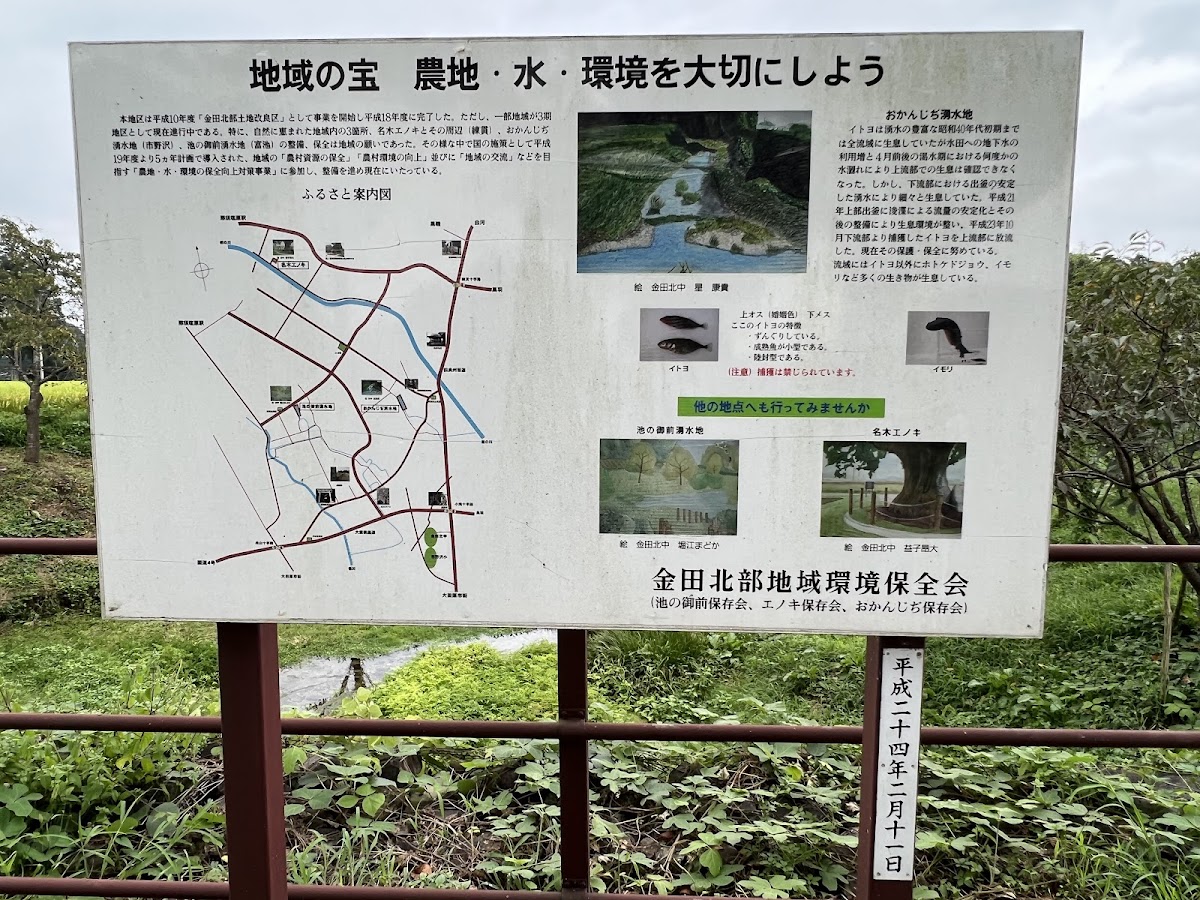
- Information Signs: Informational signs explaining the pond’s origin and legends may be installed.
Access Methods
Access to Kobo no Ike varies depending on its location, but here are general visiting methods.
Public Transportation
Access to Kobo no Ike in Tochigi Prefecture typically uses buses or taxis from the nearest station. However, as public transportation is limited in many areas, it is recommended to check timetables in advance.
Examples of Access from Major Stations:
- From JR Utsunomiya Station or various Tobu Railway stations via bus or taxi
- Walking access may be possible from the nearest bus stop
By Car
Private vehicle access is most convenient. When setting a destination on a car navigation system, search for “Kobo no Ike” or use nearby major facilities as a reference point.
Parking Information:
- The availability of dedicated parking varies by location
- Avoid street parking and park in designated areas
- Exercise caution regarding oncoming traffic if the road is narrow
Notes for Visiting
- Clothing: It is recommended to wear comfortable walking shoes. Especially after rain, the ground can be slippery.
- Items to Bring: Insect repellent spray (summer), drinking water, camera, etc.
- Etiquette: Maintain a quiet environment and always take your trash with you
- Safety: Be careful not to get too close to the pond, and especially when bringing small children, do not take your eyes off them
Nearby Tourist Attractions
Visiting nearby tourist attractions when visiting Kobo no Ike will make for a more fulfilling trip.
Other Places Associated with Kobo Daishi in Tochigi Prefecture
There are other temples and historic sites associated with Kobo Daishi scattered throughout Tochigi Prefecture:
Shingon Sect Temples
Shingon temples in the prefecture may enshrine Kobo Daishi and house related treasures. It is good to confirm in advance whether viewing is possible before visiting.
Temple Pilgrimage Routes
Temple pilgrimage routes are set in the Kanto region, including Tochigi Prefecture, such as the Kanto Eighty-Eight Temple Pilgrimage and the Shimono Thirty-Three Kannon Pilgrimage, where you can feel the spread of Kobo Daishi faith.
Nature and Scenic Spots
Tochigi Prefecture is blessed with abundant nature:
- Nikko National Park: Home to the World Heritage Nikko Toshogu Shrine, Kegon Falls, Lake Chuzenji, and many other attractions
- Nasu Highlands: A resort area with hot springs and leisure facilities
- Watarase Reservoir: A Ramsar Convention-registered wetland ideal for bird watching
Hot Spring Facilities
Tochigi Prefecture is also a treasure trove of hot springs. It is recommended to relax at a hot spring after visiting Kobo no Ike:
- Kinugawa Onsen
- Nasu Onsen Area
- Shiobara Onsen Area
- Nikko Yumoto Onsen
Best Time to Visit
The best season to visit Kobo no Ike varies depending on your purpose.
Spring (March to May)
Recommended Points:
- Cherry blossoms and fresh greenery are beautiful
- The weather is mild, perfect for strolling
- Bird songs can be heard
Notes:
- Allergy sufferers may need precautions
- Golden Week may see increased crowds
Summer (June to August)
Recommended Points:
- Deep green foliage and cool atmosphere
- Early morning and evening visits are comfortable
Notes:
- Insect repellent measures are essential
- Heat countermeasures during the day
- Prepare rain gear during the rainy season
Autumn (September to November)
Recommended Points:
- Fall foliage is beautiful (late October to mid-November)
- Stable weather and pleasant conditions
- Optimal lighting conditions for photography
Notes:
- Visitors may increase during fall foliage season
- Be mindful of temperature fluctuations between morning and evening
Winter (December to February)
Recommended Points:
- Enveloped in silence and sacred atmosphere
- Snow-covered landscape is fantastical and beautiful
- Fewer people, allowing for relaxation
Notes:
- Proper cold weather protection is necessary
- Be cautious of icy roads
- Shorter daylight hours, so visit early
About Kobo Daishi Faith
Understanding Kobo Daishi faith will provide a more meaningful experience when visiting Kobo no Ike.
Who Was Kobo Daishi Kukai?
Kobo Daishi Kukai was born in Sanuki Province (present-day Kagawa Prefecture) in 774 and traveled to China as an envoy in 804, where he studied esoteric Buddhism and returned home. After his return, he founded the Shingon sect and established Koyasan Kongobuji, making him one of the most important figures in Japanese Buddhist history.
The Spread of Kobo Daishi Legends
Legends about Kobo Daishi are said to number in the thousands throughout the country, with the following themes appearing frequently:
- Water Legends: Striking the ground with his staff to produce water
- Bridge Legends: Building a bridge in one night
- Calligraphy Legends: Various anecdotes as a master of calligraphy
- Hot Spring Legends: Discovering or producing hot springs
These legends speak to Kobo Daishi’s compassion and superhuman abilities and are evidence of his widespread faith among common people.
Kobo Daishi Faith in Modern Times
Devotion to Kobo Daishi continues in modern times:
- Shikoku Pilgrimage: The Shikoku Eighty-Eight Temple Pilgrimage still attracts many visitors
- Goei-ku: The twenty-first of each month is celebrated as Kobo Daishi’s sacred day with religious services
- Sutra Copying and Buddha Copying: These can be experienced at temples associated with Kobo Daishi
Community Connection
Kobo no Ike is not merely a tourist spot but an important place for the local community.
Local Events
Depending on the region, annual events related to Kobo no Ike may be held:
- Cleaning Activities: Regular cleaning by local residents
- Religious Services: Religious ceremonies and festivals held in conjunction with Kobo Daishi’s sacred day
- Traditional Events: Community-specific traditional events
Environmental Conservation Activities
Environmental conservation activities for Kobo no Ike are carried out by local people and local governments. Visitors can also contribute to preserving this valuable cultural heritage for future generations by observing the following:
- Taking litter with you
- Refraining from collecting flora and fauna
- Not polluting the pond water
- Viewing quietly
Photography Tips
For those who wish to capture the beauty of Kobo no Ike in photographs, here are some photography tips.
Optimal Photography Times
- Early Morning: Fantastical landscape with morning mist
- Morning: Good light angles and vibrant colors
- Evening: The pond illuminated by the setting sun is beautiful
Composition Ideas
- Water Surface Reflections: Surrounding trees and sky reflecting in the water
- Seasonal Changes: Taking photos from the same location throughout the seasons
- Details: Pay attention to fine details such as stone monuments and shrines
- Wide and Telephoto: Shooting with both perspectives creates varied expressions
Photography Etiquette
- Do not disturb other visitors
- Be considerate of others when using tripods
- Do not trespass on private property
- Confirm permission in advance before using drones
Frequently Asked Questions
Q: Can I drink the water from Kobo no Ike?
A: For hygienic reasons, it is not recommended to drink the pond’s water directly. While the legend says it is spiritually potent water, avoid drinking it unless its safety has been confirmed.
Q: Is Kobo no Ike open year-round for visits?
A: Most Kobo no Ike are located outdoors and are generally open year-round for visiting. However, in winter, snow and ice may make it inaccessible. Additionally, if located on private property, there may be access restrictions, so advance confirmation is recommended.
Q: Are there specific rituals or prayer etiquette for Kobo no Ike?
A: There are no prescribed procedures, but it is common to fold your hands quietly and offer a feeling of gratitude. Depending on the region, there may be unique customs.
Q: Is it safe to visit with children?
A: Generally, visits with children are possible, but since there is a danger of falling into the pond, keep small children in sight at all times. Also, as footing in some areas may be unstable, it is recommended to have children wear comfortable shoes.
Conclusion
Kobo no Ike is a valuable place where the history and faith of Tochigi Prefecture live on. This place, where the compassion of Kobo Daishi and the faith of local people have been passed down for centuries, is a special spot that brings peace to the heart of those living in the modern age.
When visiting, by understanding the historical background, respecting the natural environment, and spending time quietly, you can have a deeper experience. By touching the beautiful landscapes of the four seasons, the clear air, and the stories woven by a long history, you can spend a special time away from everyday life.
When visiting Tochigi Prefecture, why not take the opportunity to visit Kobo no Ike and reflect on the footsteps of Kobo Daishi and the history of the region? It will surely become a memorable experience.