Kannon Sacred Water (Nagano Prefecture) Complete Guide | The Charm of the Famous Water of Ryugen-ji Temple Selected for the Heisei 100 Best Waters and Access Information
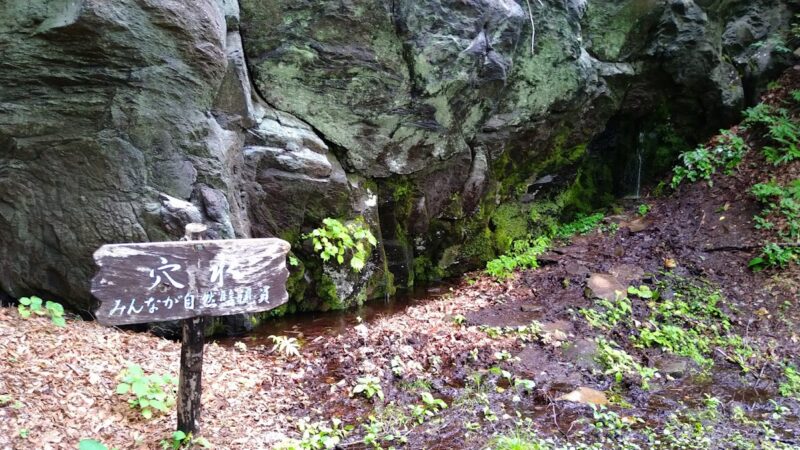
Kannon Sacred Water, located in the Toyama region of Minami-Shinsui, Iida City, Nagano Prefecture, is a famous water representing Shinshu selected by the Ministry of the Environment as one of the “Heisei 100 Best Waters.” This water springs from the grounds of Seikoku Seiheizanbetsu Ryugen-ji Temple and boasts one of Japan’s highest mineral contents, making it a popular spot where many people from outside the prefecture visit on weekends to collect water.
This article comprehensively introduces the charm of this famous water, from its historical background and water quality characteristics to actual usage methods, access information, and nearby tourist attractions.
Kannon Sacred Water | The Famous Water of Ryugen-ji Temple That Has Flowed for Over 450 Years
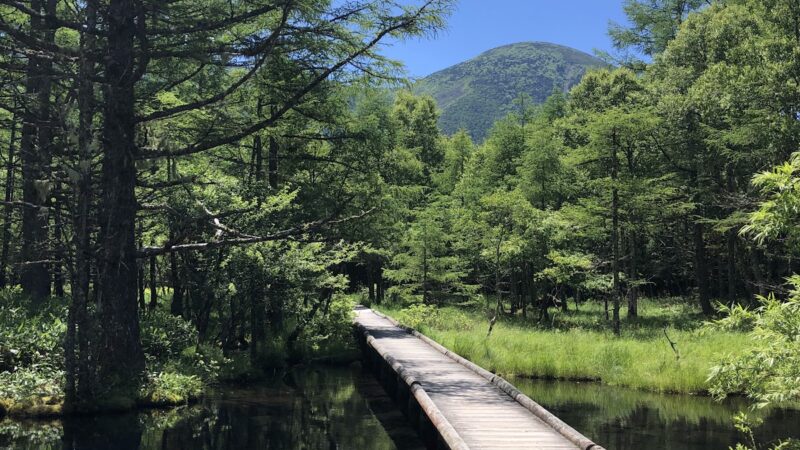
Kannon Sacred Water is natural water that springs from the grounds of Ryugen-ji Temple located in Wada, Minami-Shinsui, Iida City, Nagano Prefecture. The clear water that flows from the foot of Seihei Mountain, the only independent peak in the Toyama region located at the southernmost tip of the Southern Japanese Alps, has continued to flow for over 450 years without ever running dry.
Selection as One of the Heisei 100 Best Waters
In June 2008, it was selected as one of the “Heisei 100 Best Waters” by the Ministry of the Environment. This was the second selection following the “100 Best Waters” selected in 1985, with precious water resources chosen from across the nation. In Nagano Prefecture, besides Kannon Sacred Water, four locations in Shinshu were selected as famous waters: “Matsumoto Castle Town Spring Water Group (Matsumoto City),” “Kiso River Source Village Mizuki-sawa (Kiso Village),” and “Ryuuokoji Clear Water (Kijima-dai Village).”
Historical Connection with Ryugen-ji Temple
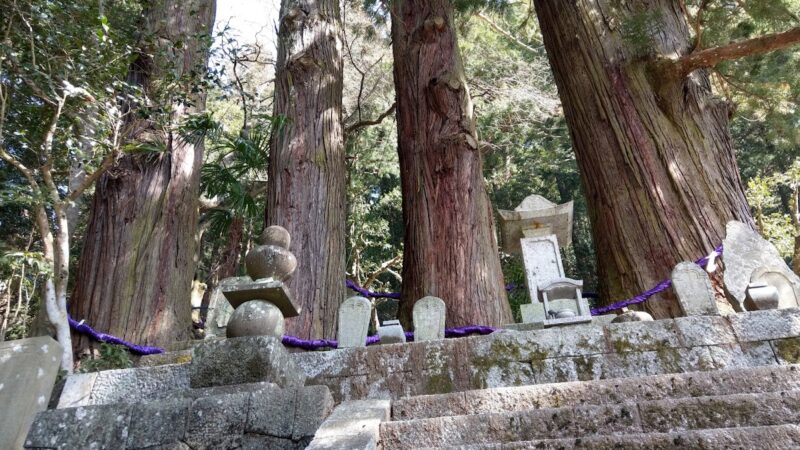
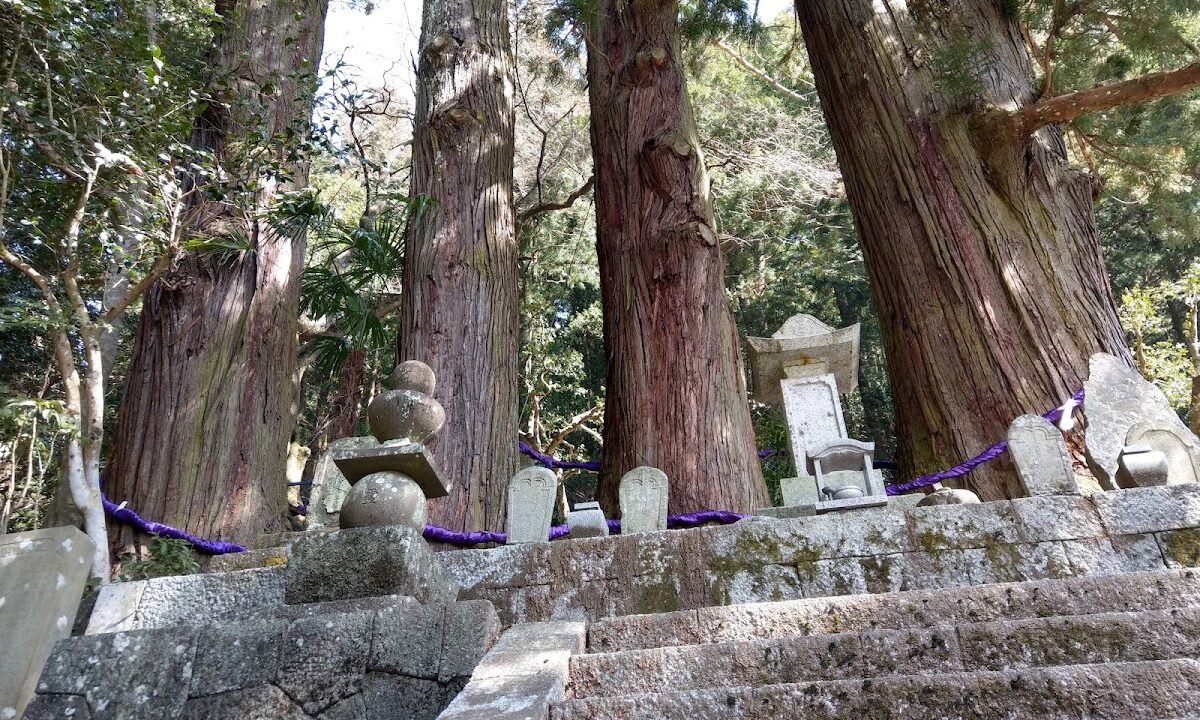
Ryugen-ji is a Soto Zen temple deeply connected with the history of the Toyama region. The temple grounds also contain a giant tree called “Kannon Great Cedar” with a tree age exceeding 400 years, telling of this place being an ancient place of worship. The name Kannon Sacred Water derives from Kannon worship and has long been cherished by local residents.
Water Quality Characteristics of Kannon Sacred Water | Mineral Balance at the Top of Japan
The reason Kannon Sacred Water is supported by many people lies in its excellent water quality. Let us examine in detail the characteristics revealed through scientific analysis.
Hard Water with Hardness of 225.5
The greatest characteristic of Kannon Sacred Water is its hardness of 225.5. While most natural waters in Japan are soft water (hardness of 100 or less), Kannon Sacred Water is classified as hard water. This hardness indicates extremely high levels of calcium and magnesium content.
Abundant Mineral Components
Kannon Sacred Water contains the following mineral components in abundance:
- Calcium Ions: Minerals essential for bone and tooth formation
- Magnesium Ions: Important components involved in enzymatic reactions in the body
- Bicarbonate Ions: Works to regulate pH balance in the body
These minerals are created through a process where water from the Ikeguchi Peak water vein originating from the Southern Japanese Alps slowly dissolves limestone layers (geological strata that were once oceans) over decades. This geological process creates the unique mineral balance of Kannon Sacred Water.
Slightly Alkaline Characteristics (pH 8)
Kannon Sacred Water exhibits slightly alkaline pH values around 8. Since human body fluids are also slightly alkaline, it is said to be easily compatible with the body. Additionally, the water temperature remains stable throughout the year at 14.0-15.0°C, maintaining a cool and easy-to-drink temperature.
Japan’s Highest Mineral Content
Kannon Sacred Water is noted as “Natural Mineral Water with Japan’s Highest Mineral Substance Content.” This balanced mineral composition has value equivalent to natural supplements and is particularly supported by health-conscious people.
Taste and Usage Methods of Kannon Sacred Water
Mouthfeel and Deliciousness
You might think hard water would be difficult to drink, but Kannon Sacred Water is praised as having “a clean, mellow mouthfeel that goes down smoothly.” Despite being rich in minerals, it is characterized by a clear, refreshing taste without any unpleasant flavors.
Water Collection Method and Precautions
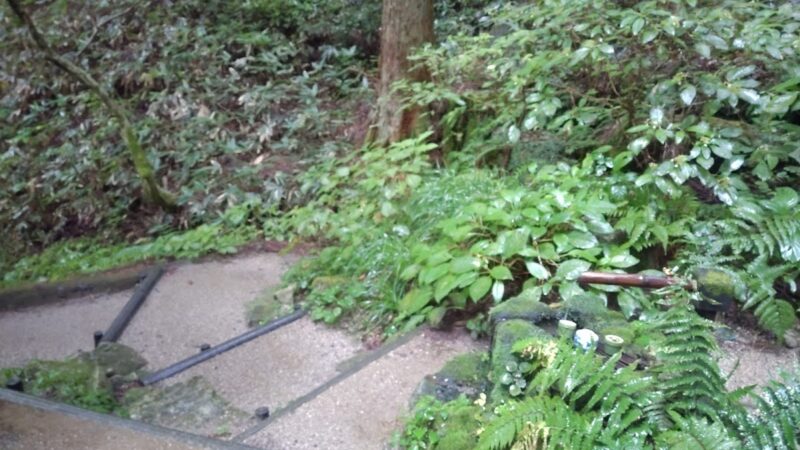
A water collection area is equipped within the temple grounds where anyone can freely collect water. On weekends, so many people visit from outside the prefecture that lines form.
Precautions when collecting water:
- Prepare Containers: Bring clean plastic bottles or water containers
- Spirit of Sharing: Be mindful of other users during crowded times
- Environmental Conservation: Always take trash home and keep the water collection area clean
- Storage Method: Store collected water in a cool, dark place and use it as soon as possible
Ways to Use Kannon Sacred Water
- As Drinking Water: The simplest way to enjoy it
- For Tea or Coffee: Minerals enhance the flavor
- For Cooking: Rice cooking, making broth, and other cooking improves in quality
- For Health Maintenance: Daily hydration helps mineral intake
Access to Kannon Sacred Water | Journey to the Toyama Region
Iida City Minami-Shinsui, where Kannon Sacred Water springs, is located in the mountainous area at the southernmost tip of Nagano Prefecture. While access takes time, the journey itself is an enjoyable experience of the grand nature of the Southern Japanese Alps.
Basic Information
Location: 1192 Wada, Minami-Shinsui, Iida City, Nagano Prefecture 399-1311 (Ryugen-ji Temple Grounds)
Inquiry: Toyama Region Tourism Association TEL: 0260-34-1071
Hours of Operation: Basically during daytime (For details, please contact the Toyama Region Tourism Association)
Fee: Free
Parking: Available
Access by Car
From Iida IC on the Chuo Expressway:
- Approximately 1.5 to 2 hours via National Routes 151 and 152
- Mountain roads continue, so careful driving is necessary
- During winter, snowfall and freezing are possible, so studless tires are essential
From Shizuoka Prefecture:
- Head north on National Route 152 (Akiba Highway)
- Cross Aogarashi Pass to reach the Toyama region
Access by Public Transportation
Public transportation access is limited with few buses, so it is recommended to check the schedule in advance. It is best to confirm the latest traffic information with the Toyama Region Tourism Association before visiting.
Access Precautions
- Road Conditions: National Route 152 has some narrow sections requiring attention to oncoming traffic
- GPS Navigation: Older GPS may not guide accurately, so check the map in advance
- Refueling: Since it is mountainous, it is recommended to refuel before departure
- Mobile Phone: Some areas have poor cellular signal
Kannon Sacred Water Conservation Association | Local Preservation Activities
To preserve the value of Kannon Sacred Water and pass it on to future generations, local residents have organized the “Kannon Sacred Water Lovers Association” to conduct preservation activities.
Contents of Conservation Activities
- Cleaning and beautification activities around the water collection area
- Regular water quality monitoring
- Public awareness activities regarding visitor etiquette
- Water source environmental protection
This community-based effort was a major factor in the selection as one of the Heisei 100 Best Waters. The precious water nurtured by the abundant nature of the Southern Japanese Alps is positioned as a “community treasure” and is continuously protected through united efforts of residents.
Requests for Visitors
When visiting Kannon Sacred Water, please observe the following etiquette:
- Keep the water collection area clean
- Be considerate of other users when collecting large amounts
- Remember that Ryugen-ji is a religious facility
- Treasure the natural environment and avoid damaging plants and animals
- Park in designated parking areas
Recommended Tourist Attractions Around Kannon Sacred Water
The Toyama region offers not only Kannon Sacred Water but also the grand nature of the Southern Japanese Alps and the charm of unique culture. If you visit, be sure to tour the surrounding attractions.
Shirabisho Pass
Located at an elevation of 1,833 meters, this pass offers a panoramic view of both the Southern and Central Japanese Alps. On clear days, the view is spectacular, earning it the nickname “Village in the Sky.” Approximately 40 minutes by car from Kannon Sacred Water.
Shimoguri Village
Also called “Japan’s Tirol,” this is a settlement on steep slopes. The landscape created by houses and terraced fields scattered on slopes at elevations of 800-1,000 meters evokes Japan’s traditional countryside. The view from the viewpoint is a must-see.
Akiba Highway
A historic highway connecting Akiba Shrine in Shizuoka Prefecture with Shinshu. National Route 152 is part of this, and it once played an important role as a salt trade route. Historical sites and stone monuments remain along the highway.
Michi-no-Eki Toyamago
A rest stop where local specialty products and fresh agricultural products are displayed. Ideal for gathering information about the Toyama region and enjoying interaction with local people. The dining area offers dishes made with local ingredients.
Hot Springs in the Toyama Region
After collecting water at Kannon Sacred Water, it is also recommended to relax at hot springs in the Toyama region. Hot springs surrounded by the nature of the Southern Japanese Alps offer exceptional comfort.
The Charm of the Toyama Region | A Hidden Gem in the Southern Japanese Alps
What is the Toyama Region?
The Toyama region is a collective term for areas at the southernmost tip of Nagano Prefecture, cradled in the embrace of the Southern Japanese Alps. It consists of Iida City Minami-Shinsui (former Minami-Shinsui Village) and Kamimura (former Kamimura Village), where abundant nature and unique culture still thrive.
History and Culture of the Toyama Region
- Toyama Shimatsuki Festival: A Shinto ritual performance designated as an Important Intangible Folk Cultural Property
- Unique Dialect: Language distinct from other regions remains
- Mountain Village Life: Wisdom of coexistence with harsh nature such as agriculture on steep slopes
Seasonal Charm
Spring: Beautiful season with wild cherry blossoms and fresh greenery
Summer: Cool climate ideal for summer retreat
Autumn: Stunning season when leaves color the mountains
Winter: Snow scenes, clear air, and ideal for stargazing
Shinshu’s Water Culture | The Richness of Nagano Prefecture’s Water Shown by Kannon Sacred Water
Nagano Prefecture is loved by the name “Shinshu” and is a region blessed with water resources, surrounded by mountains including the Japanese Alps. Kannon Sacred Water is one representative example.
Heisei 100 Best Waters in Nagano Prefecture
- Kannon Sacred Water (Iida City): The famous water of the Southern Japanese Alps introduced in this article
- Matsumoto Castle Town Spring Water Group (Matsumoto City): A group of springs scattered throughout the castle town
- Kiso River Source Village Mizuki-sawa (Kiso Village): Clear stream in the source area of the Kiso River
- Ryuuokoji Clear Water (Kijima-dai Village): Abundant spring water in northern Shinshu
A popular tourism course called “Shinshu Famous Water Tour” visits all four locations.
Water and Shinshu’s Life
From ancient times in Shinshu, quality water has been the foundation of food culture, including sake brewing, soba noodles, and miso. Hard water rich in minerals like Kannon Sacred Water is particularly re-evaluated in the health-conscious modern era.
Practical Information When Visiting Kannon Sacred Water
Best Time to Visit
Spring to Autumn (April to November) is the most convenient visiting period. Especially May to June with fresh green vegetation and October to November with autumn foliage are recommended, as the surrounding scenery is also beautiful.
Winter (December to March) has high risk of snowfall and road freezing, which may make access difficult. If you visit, always confirm the latest road information and ensure complete winter preparations.
Convenient Items to Bring
- Containers for water (plastic bottles, water containers, etc.)
- Towel (may get wet when collecting water)
- Warm clothing (temperatures are low in mountainous areas)
- Camera (to record beautiful nature and temple scenery)
- Map or guidebook (some areas have poor cellular signal)
Nearby Accommodation Facilities
The Toyama region has private inns and hotels where you can enjoy cuisine made with local ingredients and hot springs. By staying overnight, you can also collect Kannon Sacred Water in the fresh morning air. Reservations through the Toyama Region Tourism Association will be smooth.
Dining and Gourmet Information
The Toyama region offers the following local gourmet food:
- Goheimochi: Local dish of crushed rice on skewers grilled with miso sauce
- Toyama Jingisukan: Unique jingisukan using mutton
- Wild Vegetable Dishes: Cooking that makes use of mountain bounty by season
- River Fish: Fresh river fish raised in clear streams
You can enjoy these at the rest stop and local eateries.
The Future of Kannon Sacred Water | Sustainable Preservation of Famous Water
Just as Kannon Sacred Water has continued to flow for over 450 years, it is important to pass on this precious water resource to the future.
Environmental Conservation Challenges
- Forest protection of water source areas
- Monitoring effects of excessive water collection
- Impact of climate change on water volume and quality
- Environmental burden due to increased tourists
What We Can Do
Each visitor’s awareness of environmental conservation contributes to protecting Kannon Sacred Water’s future:
- Do not collect more water than necessary
- Always take trash home
- Treasure the nature surrounding the water source
- Understanding and cooperation with community conservation activities
- Support through appropriate donations and cooperation fees
Southern Japanese Alps UNESCO Ecopark
The Toyama region where Kannon Sacred Water is located is designated as part of the “Southern Japanese Alps UNESCO Ecopark,” an area aiming for coexistence between nature and human society. This initiative preserves precious natural resources like Kannon Sacred Water while promoting sustainable regional development.
Conclusion | Kannon Sacred Water is Nagano Prefecture’s Gift of Nature
Kannon Sacred Water is truly a “gift of nature” nurtured by the grand nature of the Southern Japanese Alps over decades. Its value, selected as one of the Heisei 100 Best Waters, lies in its abundant mineral content and excellent water quality, as well as community conservation efforts maintained for over 450 years.
The clear water that quietly springs from the grounds of Ryugen-ji Temple conveys to visitors the greatness of nature and the thoughts of those who have continued to protect it. Its value stands out all the more because of its location in a remote place like the Toyama region.
When visiting Nagano Prefecture, please take the time to visit Kannon Sacred Water. The grand nature of the Southern Japanese Alps, the unique culture of the Toyama region, and above all the clear taste of Kannon Sacred Water will surely become unforgettable memories.
The busy scene of water collection on weekends is proof of how beloved this famous water is. Once you visit, you will surely understand why people travel from afar to visit.
Kannon Sacred Water, representing Shinshu’s famous water culture. Why not embark on a journey to taste its blessings and realize the importance of nature?