Complete Guide to Izumi ga Mori Yusui (Spring) and Itoyonosatozumi ga Mori Park | Heisei’s Hundred Select Waters and Sanctuary of Rare Freshwater Fish
Located in Hitachi City, Ibaraki Prefecture, “Izumi ga Mori Yusui and Itoyonosatozumi ga Mori Park” is a special place with crystal-clear spring water spanning over a thousand years of history and home to Itoy, a rare freshwater fish found nationwide. Selected as the only park in Ibaraki Prefecture for Heisei’s Hundred Select Waters, this park is cherished by many as a precious spot where natural environmental conservation and regional history converge.
This article comprehensively explains everything you should know before visiting Izumi ga Mori Yusui and Itoyonosatozumi ga Mori Park, including its historical background, highlights, the ecology of Itoy, access methods, and surrounding facilities.
What is Izumi ga Mori Yusui and Itoyonosatozumi ga Mori Park?
Overview and Location of the Park
Itoyonosatozumi ga Mori Park is a waterside park located at 2-chome Mizuki-cho, Hitachi City, Ibaraki Prefecture 17-3. While positioned close to Hitachi City’s urban center, it maintains a valuable area of rich natural environment. The park is open 24 hours, serving as a gathering place for local residents and as a tourist destination visited by many.
The heart of the park is a clear spring that flows abundantly. This spring water maintains stable temperature throughout the year, and its water quality is extremely good, making it known as a habitat for the rare freshwater fish Itoy.
Significance of Selection for Heisei’s Hundred Select Waters
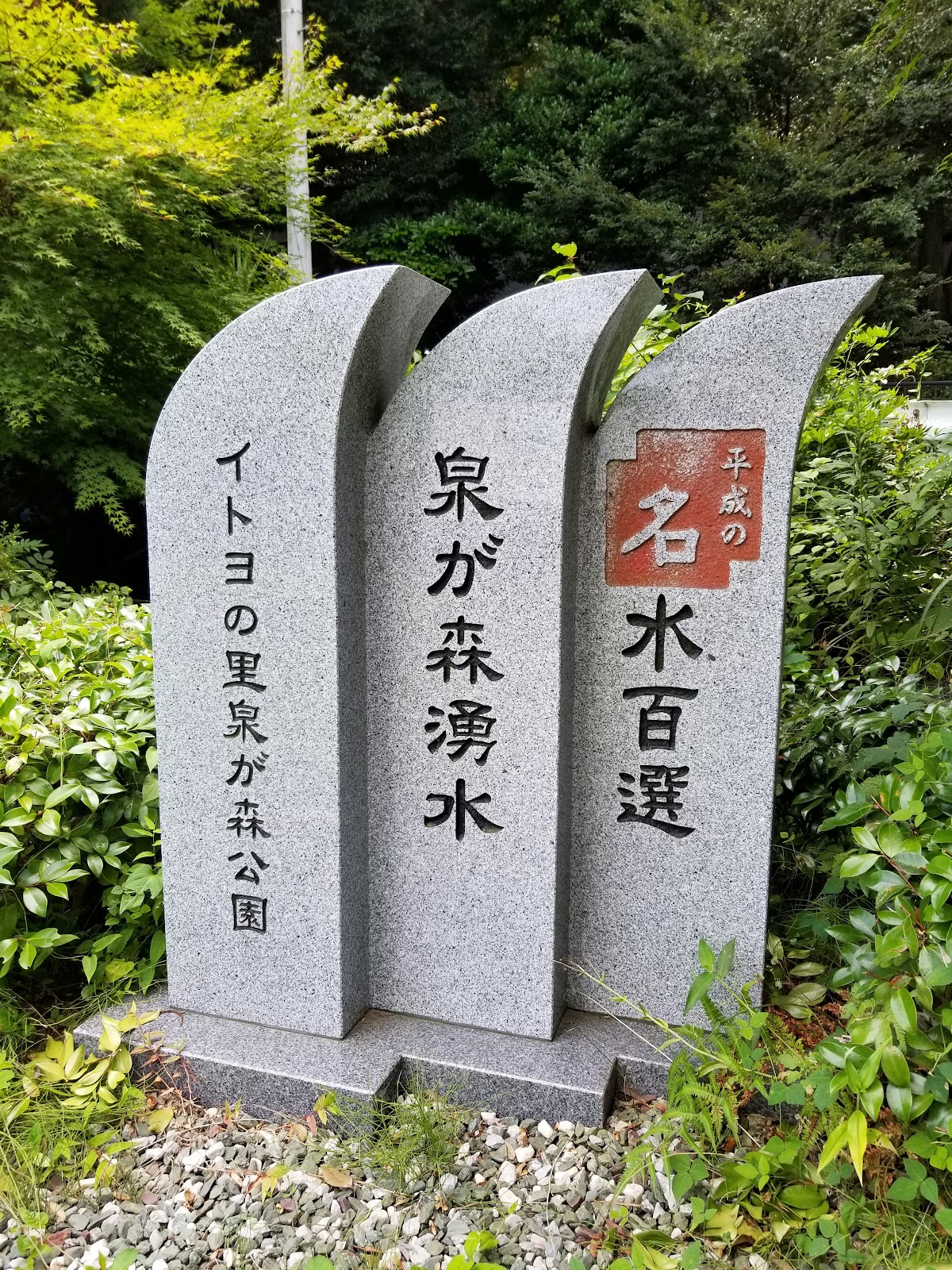
In 2008 (Heisei 20), “Izumi ga Mori Yusui and Itoyonosatozumi ga Mori Park” was the sole selection in Ibaraki Prefecture among the “Heisei Hundred Select Waters” designated by the Ministry of the Environment. This selection was based on comprehensive evaluation including excellent water quality and quantity, conservation of surrounding environment, and protection activities by local residents.
The selection criteria for the Hundred Select Waters include not only clean water but also conservation activities by local residents, environmental education initiatives, and utilization as a tourism resource. Izumi ga Mori spring water received high evaluations on all these elements, establishing itself as Ibaraki Prefecture’s representative famous water spot.
History and Cultural Value of Izumi ga Mori
Ancient Historic Site Mentioned in Hitachi Province Records
The history of Izumi ga Mori dates far back, with descriptions found in the “Hitachi Province Records” compiled in the Nara period. The records refer to it as the “pure spring of Mitsuki village,” noting that “a spring wells up in the village…flowing to become a river” and “men and women gather…and enjoy themselves,” revealing that clean spring water has existed for over a thousand years and served as a gathering place for people.
From this account, we can see that from ancient times, Izumi ga Mori played not merely as a water source but as a central role in the regional community. Clear water was important not only as domestic water but also held significant meaning as a site for rituals and social interaction.
Izumi Shrine and Historic Site Designation
At the heart of Izumi ga Mori stands Izumi Shrine, one of the oldest shrines in the Hitachi region. As a center of water deity belief treating the spring water as its sacred object, this shrine has been revered by local people since ancient times.
In 1969 (Showa 44), Izumi ga Mori was designated as a Ibaraki Prefecture-designated Cultural Property Historic Site. This designation recognized not only its historical value but also its importance as a natural environment. It has also been selected as one of the Ibaraki One Hundred Scenic Spots, and during the Edo period was counted among the Ten Scenic Spots of Johoku, being evaluated as a famous scenic area across the centuries.
Post-war Fish Farming and Park Development
After the war, rainbow trout farming and other aquaculture operations were conducted utilizing the abundant spring water. The clear spring water with stable temperature was suitable for freshwater fish farming and was also utilized as a regional industry.
Subsequently, for the purpose of natural environmental conservation and protection of the rare species Itoy, it was developed as a waterside park. The current “Itoyonosatozumi ga Mori Park” serves multiple roles including conservation of the natural environment, providing a gathering place for local residents, and serving as a hub for environmental education.
Understanding Itoy (Japanese Threespine Stickleback)
Ecology and Characteristics of Itoy
Itoy is a small freshwater fish belonging to the Gasterosteidae family, with a body length of approximately 5-6 cm. Its name derives from its dorsal and ventral fins being slender like threads. It is also characterized by having sharp spines on its back and belly, which serve as a defense mechanism against predators.
The most significant characteristic of Itoy is that it can inhabit only extremely clean spring water. It requires an environment where water temperature is stable year-round (approximately 15-17 degrees Celsius), dissolved oxygen is abundant, and water quality is not polluted. For this reason, the presence of Itoy serves as an indicator of environmental quality in a water body.
Breeding Behavior and Nest Building
Itoy’s breeding season extends from spring through early summer, during which males exhibit vibrant nuptial coloration. Males construct sphere-shaped nests using aquatic plants and other materials, attracting females for spawning. After spawning, males display characteristic child-rearing behavior by protecting and caring for the eggs until they hatch.
This breeding behavior can be observed from the Itoy observation deck and serves as valuable teaching material for environmental education.
National Distribution and Rarity
Itoy once distributed widely throughout clear streams across Japan, but its habitat has dramatically decreased due to water pollution and destruction of living environments. Currently, spring waters where Itoy inhabit are limited to only a few locations nationwide, and depending on the region, it is designated as an endangered species in the Ministry of the Environment’s Red List.
Izumi ga Mori spring water is one of the few stable habitats for Itoy in the Kanto region and is an extremely important location from a biodiversity conservation perspective. Long-standing protection activities by local residents continue, and the fact that this rare freshwater fish can still be seen demonstrates the region’s high environmental conservation awareness.
Park Facilities and Points of Interest
Itoy Observation Deck
The Itoy observation deck installed in the park is a facility where visitors can observe Itoy. Looking down from the deck into the flowing spring water, one can see Itoy swimming in the highly transparent water.
Particularly from spring through early summer during the breeding season is a chance to observe male nuptial coloration and nest-building behavior. With quiet observation, you can witness small Itoy of 5-6 cm in body length swimming in groups and their swift movements between aquatic plants.
Explanatory panels are also installed at the observation deck, allowing visitors to learn about Itoy’s ecology and protection activities.
Spring Water and Waterside Environment
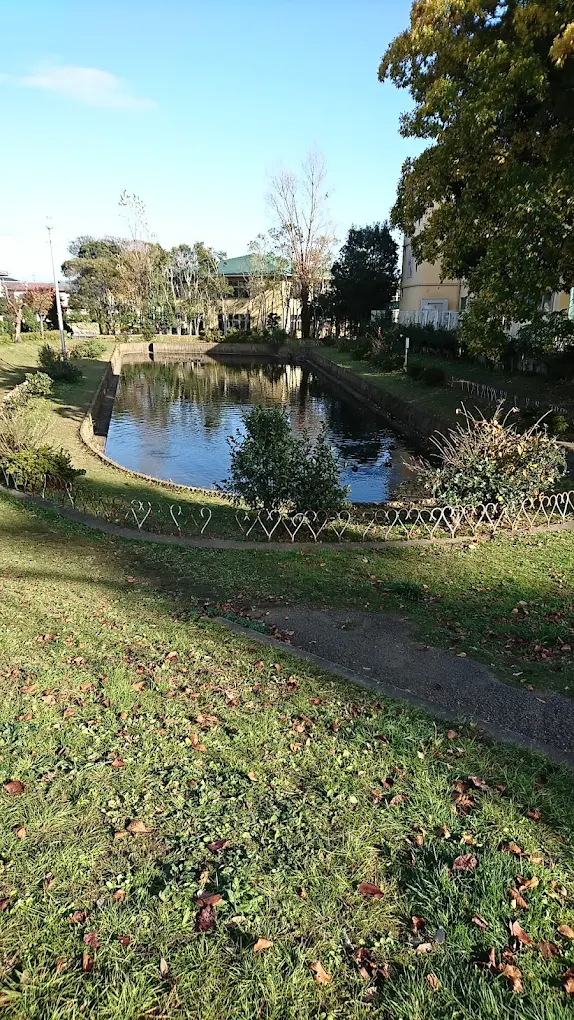
The spring water at the heart of the park wells up continuously from within a forest where evergreen trees flourish. The water temperature remains stable year-round at approximately 15-17 degrees Celsius, feeling cold in summer and warm in winter.
The clear flow from the spring meanders through the park, forming small ponds and water channels. Aquatic plants proliferate at the waterside, making it a habitat not only for Itoy but for various aquatic organisms. Water insects such as dragonflies and mayflies, as well as Japanese dwarf crabs, can be observed, maintaining a rich ecosystem.
Monuments and Informational Facilities
Within the park, monuments featuring Itoy and informational boards explaining the park’s history and origins are installed. These facilities serve to convey the historical and cultural value of Izumi ga Mori to visitors.
Park maps are also available, allowing first-time visitors to efficiently explore the park.
Izumi Shrine
Izumi Shrine, adjacent to the park, is one of the oldest shrines in the Hitachi region. Its grounds are surrounded by evergreen trees, enveloped in a solemn atmosphere. As a center of water deity worship treating the spring as its sacred object, it continues to receive the reverence of local people.
The area surrounding the shrine is selected as one of Ibaraki’s Hundred Scenic Spots, offering natural beauty across the seasons. Particularly during the fresh greenery season and autumn foliage, beautiful scenery unfolds.
Water Play and Waterside Experience
Summer Water Play Spot
Itoyonosatozumi ga Mori Park is popular as a water play spot during summer. At the small stream where clear spring water flows, children can safely enjoy water play.
While the spring water maintains relatively low temperature year-round, on hot summer days it provides pleasant coolness, functioning like a natural air conditioner. However, to protect Itoy’s habitat, water play areas are limited, and quiet observation is requested around the observation deck.
As an Environmental Education Venue
The park is utilized as a place for environmental education for children. Local elementary schools and kindergartens use it as a location for field trips and nature observation sessions, where children can practically learn about the importance of clean water, protection of rare organisms, and ecosystem mechanisms.
The fact that a rare species like Itoy inhabits a nearby location provides children with a valuable opportunity to realize the importance of environmental conservation.
Access Information and Surrounding Facilities
Access by Public Transportation
JR Joban Line Hitachi Station is the nearest station to Itoyonosatozumi ga Mori Park. From Hitachi Station, the park can be accessed by bus or taxi.
When using bus from Hitachi Station, “Mizuki-cho” bus stop is the nearest, with approximately 5 minutes’ walk to the park after disembarking. As bus frequency is limited, it is recommended to check the timetable in advance.
When using taxi, arrival takes approximately 10 minutes from Hitachi Station.
Access by Automobile and Parking
When accessing by automobile, the distance from Joban Expressway Hitachi Central IC is approximately 15 minutes. It is easily accessible from Route 6 and is close to Hitachi city center, allowing easy visits.
The park has dedicated parking facilities that are free to use. However, as parking capacity is limited, congestion is possible on holidays or during events.
Surrounding Tourist Attractions
Hitachi City has many tourist attractions besides Izumi ga Mori Park.
Kamine Park is a comprehensive park representative of Hitachi City, with an integrated zoo, amusement park, and leisure land. It offers full-day family enjoyment.
Hitachi Civic Center houses a science museum with planetarium and science exhibits.
Miiwa Shrine is an ancient shrine that has recently gained popularity as a power spot, with charm in its sacred atmosphere surrounded by rich nature.
With its Pacific coastline, Hitachi City offers beautiful coastlines, and Kawarajiko Beach and other swimming areas are popular.
Notes and Manners When Visiting
Rules for Itoy Protection
Itoy is an endangered species, and protecting its living environment is extremely important. Visitors must observe the following rules:
- Do not put hands in water or move stones
- Take all garbage with you
- Observe quietly without loud voices
- Do not play in water around the observation deck
- Do not feed organisms
- Do not capture living creatures
These rules are essential for protecting Itoy’s habitat and conserving this precious nature for future generations.
To Enjoy Safely
Waterside areas in the park have slippery spots, requiring particular care especially with small children. When playing in water, guardians must always accompany and keep watch.
Summer offers strong sunlight, so remember UV protection such as hats and sunscreen. Additionally, the spring water is cold, and prolonged immersion can cause body chilling. Enjoy while taking regular breaks.
Conservation Activities by Local Residents
Caretaker Organizations and Management System
Izumi ga Mori Yusui and Itoyonosatozumi ga Mori Park is managed by Hitachi City’s Department of Urban Development, Urban Planning and Park Section, but local caretaker organizations also actively participate in conservation activities.
Caretaker organizations conduct regular cleaning activities, water quality surveys, monitoring of Itoy habitat conditions, and environmental education events. Such community-wide conservation efforts significantly contributed to the Heisei Hundred Select Waters selection.
Water Quality Conservation Efforts
Maintaining spring water quality requires environmental conservation across surrounding areas. The region implements various initiatives including proper treatment of domestic wastewater, reduction in pesticide and chemical fertilizer use, and forest conservation.
Regular water quality testing continuously monitors spring water conditions. This allows early detection of water quality changes and implementation of appropriate measures.
Seasonal Charm
Spring: Itoy Breeding Season
From spring through early summer is Itoy’s breeding season. During this period, males display beautiful nuptial coloration and exhibit nest-building and courtship behaviors. This is the optimal season for Itoy observation, attracting many observers.
Surrounding trees are colored with fresh greenery, enveloped in a refreshing atmosphere.
Summer: Water Play and Cool Refreshment
Summer is the water play season. Cold spring water functions as a natural air conditioner, allowing one to forget the heat. With abundant shade, it is a precious spot to spend coolly.
Autumn: Fall Foliage and Serenity
In autumn, surrounding trees change color, offering beautiful autumn foliage. The summer bustle settles, creating a season to quietly enjoy nature.
Winter: Clear Spring Water
Even in winter, spring water continues to flow abundantly without drying up. Since water temperature exceeds outside temperature, one may sometimes see the fantastic sight of steam rising from the spring.
Event Information and Environmental Education Programs
Regularly Held Events
The park hosts various events throughout the year. Itoy observation sessions, aquatic organism surveys, cleaning volunteer activities, and environmental study sessions are regularly held and open to all.
Event information can be confirmed on Hitachi City’s official website and the Hitachi City Tourism and Products Association homepage.
Cooperation with School Education
Local elementary and middle schools visit Izumi ga Mori Park as part of integrated studies to conduct environmental learning. The presence of the rare species Itoy in the immediate vicinity serves as excellent teaching material for children to understand their region’s natural richness and the importance of environmental conservation.
Local Cuisine and Rest Spots
Hitachi City Specialties
When visiting Hitachi City, local cuisine is also worth enjoying. Hitachi City faces the Pacific Ocean and offers abundant fresh seafood. In particular, “Hitachi Akisoba” is known as a brand buckwheat noodles representative of Ibaraki Prefecture.
Hitachi City also draws attention for “HitachiBRT,” a new transportation system that is convenient to use together with sightseeing.
Rest and Dining Facilities
Cafes and restaurants are found around the park. Extending to Hitachi Station area provides access to more dining options. Enjoying local ingredient cuisine after spending leisurely time in the park is recommended.
Conclusion: Value of Izumi ga Mori Yusui and Itoyonosatozumi ga Mori Park
Izumi ga Mori Yusui and Itoyonosatozumi ga Mori Park has three identities: spring water with over a thousand years of history, habitat of rare freshwater fish Itoy, and Heisei Hundred Select Waters—representing a natural and cultural heritage representative of Ibaraki Prefecture.
This location, cherished by people since the era of the Hitachi Province Records, remains in modern times a gathering place for local residents, a hub for environmental education, and a tourist attraction with multifaceted value.
Clear spring water and the Itoy inhabiting it teach us the importance of natural environment. It is crucial to pass on this precious nature guarded through community-wide conservation efforts to future generations.
When visiting Hitachi City, be sure to visit Itoyonosatozumi ga Mori Park and encounter its clear spring water, rare Itoy, and historically significant Izumi Shrine. This location, maintaining rich nature while positioned close to urban areas, will surely become a healing spot allowing you to forget daily life.