Complete Guide to Kamiyachi’s Ido Water Springs (Ishikawa Prefecture): History, Culture, and Access Information
What are Kamiyachi’s Ido Water Springs?
Kamiyachi’s Ido Water Springs (かみやちのイドのみずぐん) are historic spring water groups located in Ishikawa Prefecture. “Ido” is a regional dialect term meaning “well,” and they are known as important water sources that have long supported the lives of local residents.
Ishikawa Prefecture is blessed with a rich natural environment, and clear spring water exists in various locations throughout the prefecture. However, Kamiyachi’s Ido Water Springs are noteworthy as a presence deeply connected to the region’s history and culture.
Characteristics of the Water Spring Group
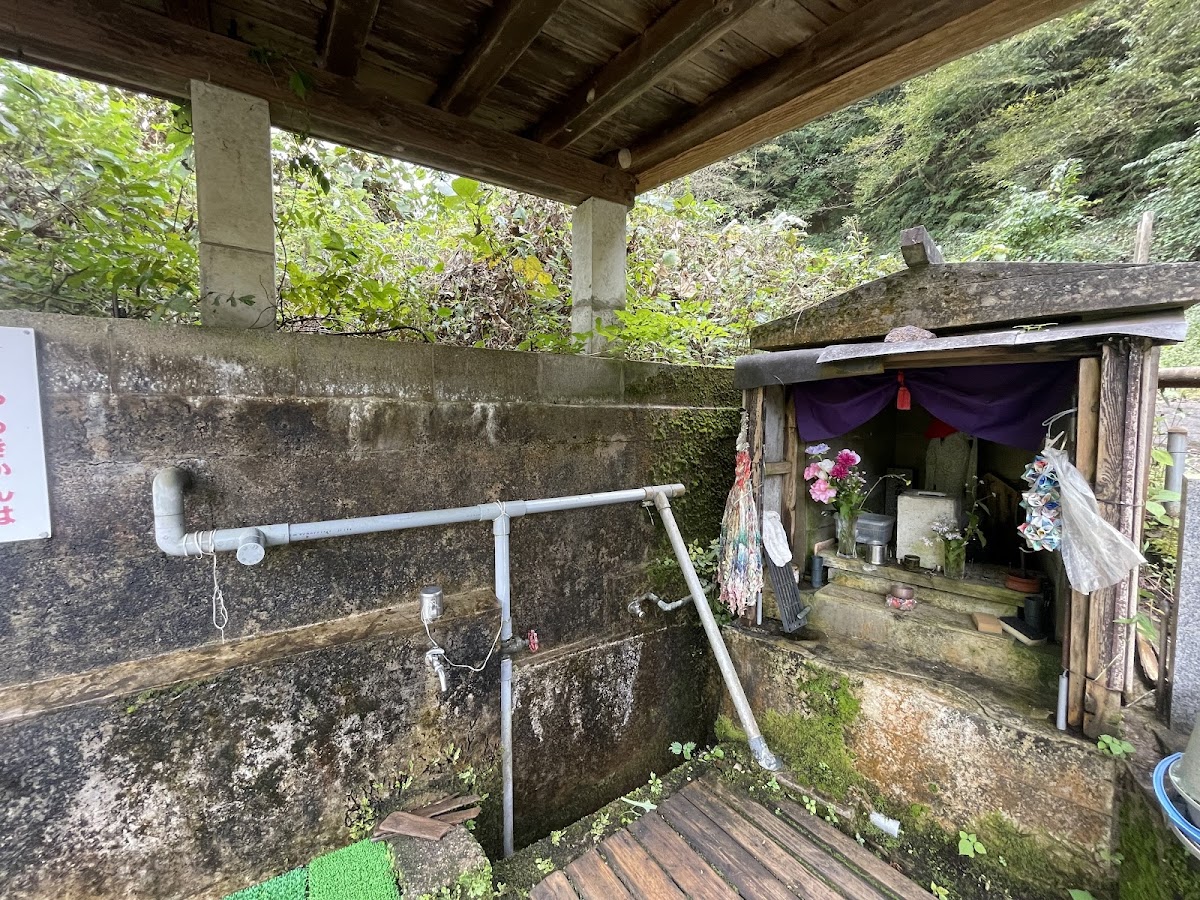
Kamiyachi’s Ido Water Springs consist of multiple spring water points, each with its own unique characteristics. These springs emerge naturally from underground water veins, maintaining stable water temperatures year-round and exhibiting good water quality.
Geologically, they represent nature’s bounty created by Ishikawa Prefecture’s topography. Groundwater flowing from mountainous areas to plains is filtered by passing through specific strata, appearing at the surface in a clean state.
Historical Background and Cultural Value
Historical Role in the Region
Kamiyachi’s Ido Water Springs were an essential resource for local residents’ daily life from the Edo period through the Meiji, Taisho, and Showa periods. Since modern water systems were not yet developed, these springs were routinely used for drinking water, cooking water, and laundry water.
Particularly in agriculturally productive regions, they played an important role as irrigation water, supporting the cultivation of crops including rice paddies. Water supply to rice fields was directly linked to the region’s food production and local economy, making Kamiyachi’s Ido Water Springs a foundation of regional economic activity.
Connection to Folk Culture
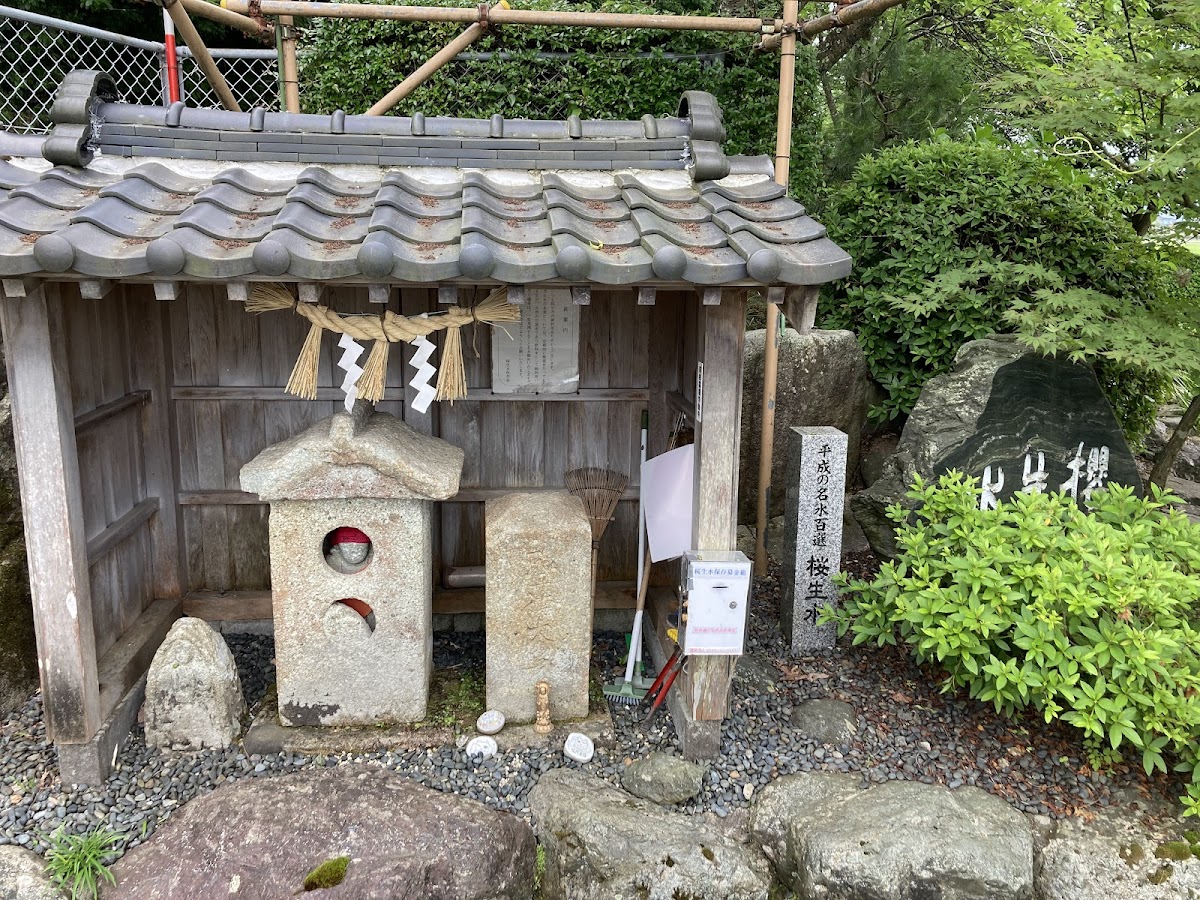
Spring water is connected not merely as a water source but also deeply tied to local beliefs and folk culture. In many spring locations, water deities are enshrined, and rituals of gratitude for abundant water blessings have been performed.
Around Kamiyachi’s Ido Water Springs as well, seasonal festivals and cleaning activities have been passed down by local residents, and the culture of valuing water continues to thrive today. Such traditions form the foundation of modern environmental conservation awareness and serve as important elements in forming regional identity.
Water Quality and Environmental Characteristics
Water Quality Characteristics
The water quality of Kamiyachi’s Ido Water Springs is excellent, reflecting Ishikawa Prefecture’s rich natural environment. Water emerging from deep underground is naturally filtered as it passes through strata over long periods, with impurities removed.
Generally, spring water possesses the following characteristics:
- Temperature Stability: Consistent water temperature year-round (typically 10-15 degrees Celsius)
- Mineral Content: Contains moderate mineral content dissolved from geological strata
- Cleanliness: Maintains high transparency through natural filtration
- Soft Water Tendency: Most of Ishikawa’s spring water is soft water, suitable for drinking
Contribution to Ecosystems
The spring water group plays an important role in surrounding ecosystems. Stable water sources serve as habitats for aquatic organisms and as water supply sources supporting peripheral vegetation.
In particular, spring water that does not dry up even during water shortage periods becomes a valuable water source for wildlife, contributing to the maintenance of biological diversity.
Modern Use and Conservation Activities
Current Usage Status
In modern times, as water systems have been established, direct dependence on Kamiyachi’s Ido Water Springs for living water has decreased, yet the springs remain cherished by local residents today.
Main uses include:
- Water Collection for Drinking: Local residents and tourists seeking fresh spring water
- Agricultural Water: Use by farmers practicing traditional farming methods
- Recreation Spaces: Serve as gathering places for the community and learning spaces for children
- Emergency Water Sources: Positioned as emergency water sources during disasters
Conservation Efforts
Various conservation activities are being conducted in the region to pass the spring water group on to future generations.
Activities by Local Residents:
- Regular cleaning activities
- Water quality monitoring
- Environmental maintenance of surrounding areas
- Continuation of traditional water use culture
Administrative Support:
- Protected designation of spring locations
- Budget measures for environmental conservation
- Implementation of awareness activities
- Promotion of use as a tourism resource
Through such coordinated efforts between the public and private sectors, Kamiyachi’s Ido Water Springs are maintained in good condition.
Ishikawa Prefecture’s Spring Water Culture and Kamiyachi’s Ido Water Springs
Position of Spring Water in Ishikawa Prefecture
Ishikawa Prefecture is also called the “Land of Water,” and due to abundant precipitation and complex terrain, numerous springs exist throughout the prefecture. Water systems originating from Mount Hakusan have nourished the Kaga Plain, fostering rich agriculture and culture.
Major spring water locations in the prefecture include:
- Kobo Pond Water (Hakusan City)
- Sakurao Water (Kanazawa City)
- Ancient Water (Suzu City)
- Oteasarai Pond (Komatsu City)
Among such locations, Kamiyachi’s Ido Water Springs are positioned as one representative of Ishikawa Prefecture’s spring water culture.
Culture of Water and Daily Life
Connections with water appear throughout Ishikawa Prefecture’s traditional culture.
Food Culture: Clear water is indispensable for Kaga cuisine and sake brewing. The prefecture contains many sake breweries that use high-quality spring water as brewing water.
Crafts: In traditional crafts such as Kaga Yuzen, water plays an important role, with clear water used in dyeing processes.
Garden Culture: Japanese gardens including Kenrokuen are characterized by landscapes skillfully incorporating water, utilizing spring water and groundwater.
Access and Visit Information
Basic Information
When visiting Kamiyachi’s Ido Water Springs, please note the following:
Location: Within Ishikawa Prefecture (for specific location details, please inquire at local information centers or tourism associations)
Access Methods:
- When using public transportation, walk or take a taxi from the nearest station or bus stop
- For private vehicles, search using navigation systems or map applications
- Advance confirmation of parking availability is recommended
Precautions When Visiting
When visiting spring water sites, observe the following etiquette:
- Environmental Conservation: Always take trash with you
- Water Quality Protection: Do not bring detergents or pollutants
- Consideration for Private Property: Exercise caution if surrounding areas are private land
- Consideration for Local Residents: Avoid noise and improper parking
- Safety Assurance: Exercise care as ground surfaces may be slippery
Water Collection and Transport Methods
When taking spring water home:
- Use clean containers
- Boiling before consumption is recommended
- Not suitable for long-term storage; use promptly
- Follow local rules if they exist
Nearby Tourist Spots
When visiting Kamiyachi’s Ido Water Springs, you can also tour other attractive spots in Ishikawa Prefecture.
Nature and Scenic Spots
- Hakusan National Park: Grand nature centered on Mount Hakusan
- Senri Hama Nagisa Drive Way: Japan’s only drivable sandy beach road
- Noto Peninsula: Scenic coastline and traditional satoyama and satoumi landscapes
Cultural and Historical Spots
- Kenrokuen: One of Japan’s three greatest gardens
- Kanazawa Castle Park: Conveys the history of the Kaga domain
- Higashi Chaya District: Charming streets with traditional teahouse architecture
Hot Spring Resorts
- Yamashiro Hot Spring: Historic spring with 1,300 years of history
- Yamaka Hot Spring: Enjoyable with scenic valley views
- Wajima Hot Spring: Renowned hot spring of Noto facing the sea
Scientific Understanding of Spring Water
The Mechanism of Spring Water Formation
Spring water occurs as precipitation penetrates underground and becomes groundwater, traveling through a process where it appears at the surface due to geological strata inclination and geological structure.
Process:
- Precipitation and snowfall permeate underground
- Water moves as groundwater through permeable layers
- Retention occurs when blocked by impermeable strata
- Emerges at the surface due to topographical and geological conditions
In the case of Ishikawa Prefecture, rain and snow fallen on the Hakusan mountain system and Noto hills travel underground over long periods, appearing as spring water in plains and valleys.
Factors Determining Water Quality
Spring water quality is determined by the following factors:
- Geology: Types of strata through which water passes (granite, limestone, etc.)
- Retention Time: Duration of groundwater retention (longer periods result in greater filtration)
- Watershed Environment: Land use of recharge areas (where water permeates underground)
- Seasonal Variation: Effects of precipitation and temperature
Spring Water and Regional Revitalization
Utilization as a Tourism Resource
In recent years, spring water has been reconsidered as a valuable tourism resource for regions. As exemplified by the “One Hundred Best Waters,” spring water utilization for tourism promotion is occurring in various locations nationwide.
Kamiyachi’s Ido Water Springs have potential to contribute to regional revitalization in the following ways:
- Ecotourism: Educational tourism for learning natural environments
- Walking Courses: Health promotion programs incorporating spring water tours
- Regional Brands: Development of specialty products using spring water
- Experience Programs: Water collection experiences and environmental learning
Sustainable Use
While utilizing as a tourism resource, ensuring sustainable use is critical. Excessive tourism development risks environmental destruction, requiring the following balance:
- Coexistence of environmental conservation and tourism use
- Consideration for local residents’ lives
- Appropriate visitor management
- Return of a portion of revenues to conservation activities
Climate Change and the Future of Spring Water
Effects of Environmental Change
Global climate change may impact spring water.
Anticipated Effects:
- Fluctuation of spring water volume due to changing precipitation patterns
- Water temperature changes from rising temperatures
- Water quality impacts from extreme weather events
- Groundwater level fluctuations
Importance of Conservation
As these environmental changes occur, spring water conservation becomes increasingly important.
Issues to Address:
- Forest conservation of recharge areas
- Sustainable groundwater use
- Strengthening of monitoring systems
- Consideration of climate change adaptation measures
Community Learning Through Kamiyachi’s Ido Water Springs
Educational Value
Kamiyachi’s Ido Water Springs have value as an environmental education site for children.
Learning Themes:
- Water cycles and groundwater mechanisms
- Regional history and culture
- Importance of environmental conservation
- Ecosystems and biodiversity
Intergenerational Exchange Opportunities
Activities centered on spring water provide opportunities for exchange across generations. As older generations convey to younger generations how to interact with water and regional history, community bonds are strengthened.
Conclusion
Kamiyachi’s Ido Water Springs are a precious resource created by Ishikawa Prefecture’s rich natural environment, having supported local residents’ daily lives and culture throughout a long history. In modern times, their value remains undiminished, attracting fresh attention from environmental conservation and regional revitalization perspectives.
Clear spring water teaches us the importance of nature’s blessings. By visiting Kamiyachi’s Ido Water Springs, we can learn the history of water’s relationship with humans and experience the importance of environmental conservation.
Through coordinated efforts by local residents, administration, and visitors, this precious spring water group can be passed on to future generations. When visiting Ishikawa Prefecture, be sure to visit Kamiyachi’s Ido Water Springs and experience the blessings of clear water firsthand.
In our modern pursuit of a sustainable society, the attitude of valuing local natural resources like Kamiyachi’s Ido Water Springs contains important lessons all of us should learn. Protecting and nurturing a culture that values water becomes the first step toward a prosperous future.