Horse Water (Gunma Prefecture) Complete Guide: History, Benefits, and Access Methods Explained in Detail
Gunma Prefecture is home to numerous spring waters, but among them, “Horse Water” is a special spring that has been cherished by local people for many years. This article provides a detailed explanation of this precious water source, from its historical background to actual visiting methods.
What is Horse Water: Gunma Prefecture’s Hidden Famous Water Spot
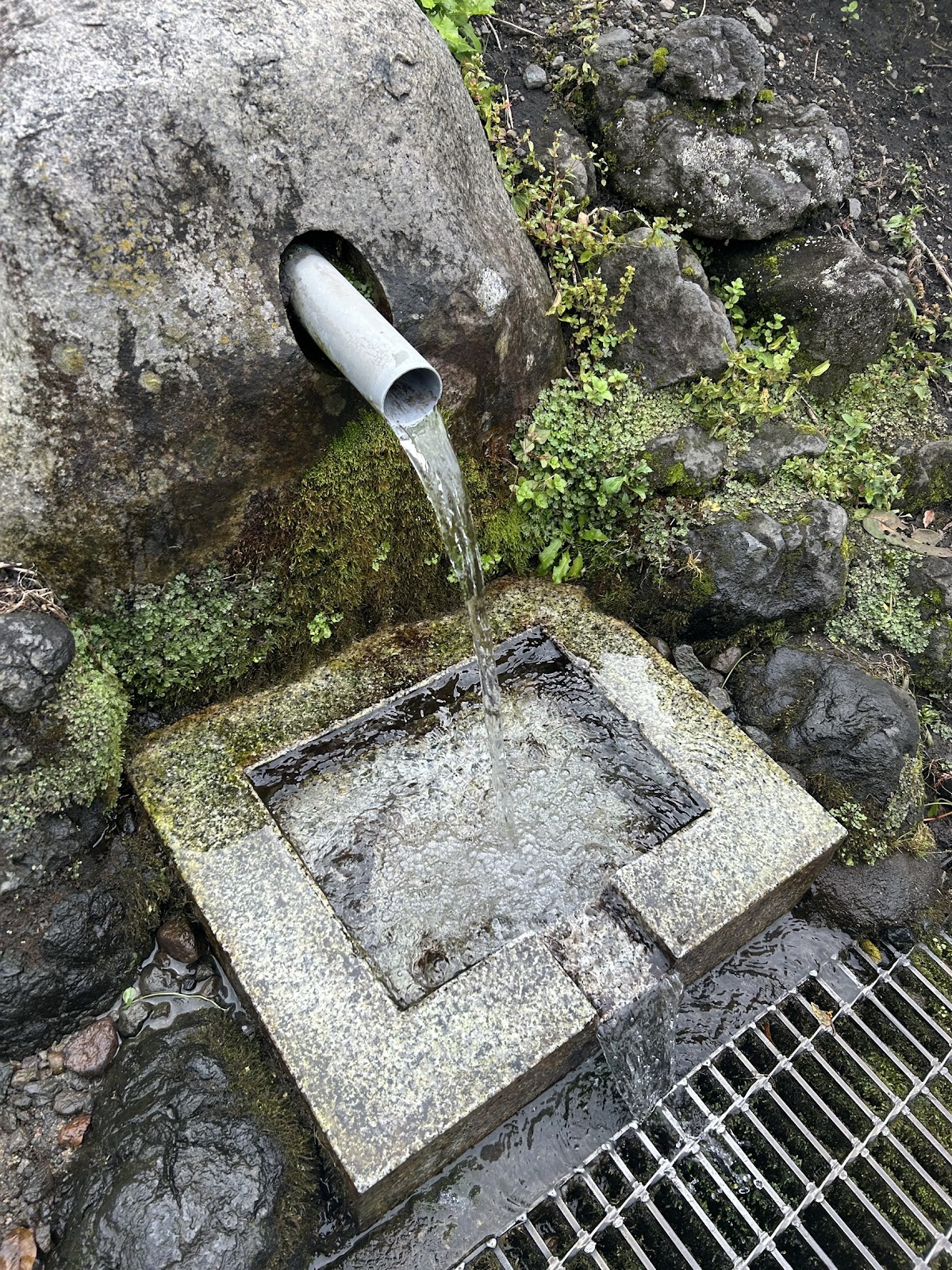
Horse Water is a natural spring located within Gunma Prefecture, and its name derives from legends and historical backgrounds passed down in the region for a long time. Due to its clear water quality and abundant discharge volume, it has become a little-known famous water spot visited not only by local residents but also by people from distant places to draw water.
Origin of the Name and Historical Background
There are several theories about the name “Horse Water,” but the most plausible explanation is that it derives from horses once preferring to drink this water. From the Edo period through the Meiji period, this area flourished as a crucial transportation hub, with many horses passing through. There is a tradition that when travelers and horse handlers gave this spring water to their horses to drink, the horses regained their vigor.
Another theory tells of a warlord visiting this place with his horse during the Sengoku period and quenching his thirst with the spring water. In any case, the name “Horse Water” is testimony to how this water has long supported the lives of both people and animals.
Geographic Features and Water Source
Horse Water is located within Gunma Prefecture’s rich natural environment. Gunma Prefecture is surrounded by mountains including the Joshu Three Mountains (Mount Akagi, Mount Haruna, and Mount Myogi), and blessed with abundant groundwater due to high precipitation and geological characteristics.
The water source of Horse Water is believed to originate from rain and snowmelt that fell on mountainous areas, permeating deep into the earth over long periods of time and emerging after undergoing natural filtration. This natural filtration process maintains water quality that is clean while containing an appropriate amount of mineral content.
Water Quality and Characteristics of Horse Water
Water Quality Analysis and Components
Horse Water is classified as having a water quality in the range of soft to moderately hard water, characterized by a taste familiar to the Japanese palate. Main mineral components include calcium, magnesium, and potassium, which are contained in a well-balanced manner.
The water temperature remains relatively stable throughout the year, feeling cold in summer and comparatively warm in winter. This is a characteristic unique to groundwater, as underground temperatures are less affected by external temperature changes. Generally, spring water maintains a temperature of approximately 12 to 15 degrees Celsius year-round, which also contributes to water quality preservation.
Taste and Evaluation
People who have actually drunk Horse Water have provided evaluations such as “smooth and easy to drink,” “clean with no off-flavors,” and “tea and coffee taste delicious when brewed with it.”
Due to its excellent mineral balance, it has excellent properties not only for direct drinking but also for use in cooking. It is said that using it when cooking rice or preparing soup stock enhances the flavors of ingredients.
Benefits and Usage Methods of Horse Water
Traditional Benefits and Legends
Since ancient times, locals have believed that Horse Water possessed various benefits. As mentioned earlier, from the legend that tired horses regained their vigor, there is a tradition that it is “good for recovering from fatigue.”
According to stories from elderly members of the community, benefits such as being “gentle on the stomach and intestines” and “good for the skin” have also been passed down. However, these are not scientifically proven and should be understood as folklore.
Modern Usage Methods
Currently, Horse Water is used primarily for the following purposes:
As drinking water
- As beverage water directly
- As extraction water for tea, coffee, and black tea
- As water for highballs and hot toddies
As cooking water
- Rice cooking water
- Water for making soup stock
- Water for blanching vegetables
- As an ingredient in bread and dessert making
Other uses
- Watering houseplants
- Pet drinking water
- As an ingredient for cosmetic water (by some enthusiasts)
Access Methods to Horse Water
Location and Basic Information
When visiting Horse Water, it is important to confirm the exact location in advance. There may be multiple places called “Horse Water” within Gunma Prefecture, so clarify your destination beforehand.
Generally, spring water locations are often situated in mountainous or hilly areas, and Horse Water is also set in a natural environment. When using car navigation or smartphone map apps, check the latest information, and if possible, it is recommended to inquire with local tourism associations or municipal offices.
Access by Car
When accessing by car, attention to the following points is necessary:
- Parking space: There may be no dedicated parking areas around the spring water location. Avoid street parking as it obstructs traffic, and park in designated areas.
- Road conditions: In mountainous areas, roads may be narrow or have sharp curves. Those who are not confident in their driving skills should exercise caution.
- Winter precautions: During periods when snow accumulation or freezing is possible, consider equipping with studless tires or carrying chains.
Access by Public Transportation
When using public transportation, access typically involves walking or taking a taxi from the nearest station or bus stop. Confirm the following in advance:
- Distance and travel time from the nearest station
- Bus frequency and timetables
- Taxi availability
- Safety of walking routes
In particular, for spring water locations in mountainous areas, access by public transportation alone may be difficult, so consider renting a car.
Precautions and Etiquette When Drawing Water
Tools to Bring
When drawing water at Horse Water, prepare the following items:
Essential items
- Clean containers (poly tanks or plastic bottles)
- Funnel: to make it easier to pour water into containers
- Towels or cloths: for cleaning up spilled water
- Plastic bags: for placing wet items
Convenient items
- Work gloves: useful when transporting containers
- Dolly or carry cart: when drawing large quantities
- Water quality test strips (optional)
- Flashlight: when visiting early morning or evening
Rules and Etiquette to Follow
When visiting a spring water location, follow this etiquette:
- Respect the order: If others have arrived before you, wait in line.
- Avoid lengthy occupation: After drawing the necessary amount, promptly yield the space to other users.
- Maintain cleanliness: Be careful not to dirty the water area or its surroundings.
- Take all trash with you: Always take home anything you bring.
- Consideration for private land: If the spring is on private land, remember you are using it through the owner’s goodwill.
- Be mindful of noise: Act quietly so as not to disturb nearby residents.
- Avoid container washing: Refrain from washing containers at the water location, as this causes water pollution.
Safety Precautions
- Slippery areas: Areas around spring water locations are constantly wet and slippery. Wear appropriate footwear and watch your footing.
- Wildlife: In natural areas, you may encounter wild animals. Exercise particular caution early morning or evening.
- Weather changes: Mountain areas can experience sudden weather changes. Check the forecast and avoid visiting in bad weather.
- Avoid going alone: If possible, visit with others or inform family or friends of your destination.
Water Storage Methods and Expiration Dates
Appropriate Storage Methods
To safely store water you have drawn, pay attention to the following points:
Container selection
- Use food-grade poly tanks or plastic bottles
- Glass bottles are acceptable (but note weight and risk of breakage)
- Sterilize containers in advance by boiling or using food-grade alcohol
Storage location
- Avoid direct sunlight in a cool, dark place
- Store in a refrigerator if possible
- Choose a location with minimal temperature fluctuations
Storage period guidelines
- Refrigerated storage: Use within 2-3 days
- Room temperature storage: Recommend use on the same day
- After boiling: Approximately one week (refrigerated storage)
Checkpoints Before Use
Before using stored water, verify the following:
- No cloudiness or suspended matter
- No off-odors
- Normal taste (confirm with a small amount)
- No slime on the container
If you notice any abnormality, avoid drinking and either boil it for cooking use or discard it.
Other Famous Water Spots in Gunma Prefecture
Besides Horse Water, Gunma Prefecture has many other famous water spots. Those with an interest in water drawing may wish to visit the following locations as well.
Hakoshima Spring Water (Higashiagatsuma Town)
Water emerging from the grounds of “Hakoshima Fudo Shrine,” selected for the Ministry of the Environment’s “Heisei Famous Waters 100 Selections.” It boasts abundant spring water discharge of approximately 30,000 tons daily, with stable water temperature of approximately 13 degrees Celsius year-round.
Ogawa Weir (Takasaki City)
An agricultural waterway constructed in the Edo period through which clear water still flows. Valued locally as a historically significant waterway that has supported regional agriculture.
Gusha Waterfall (Nakanojo Town)
A waterfall near Shima Onsen where one can feel clean water around the waterfall basin. Also popular as a tourist spot, it is a place where one can enjoy scenic beauty while experiencing the blessings of water.
Recipes Using Horse Water
High-quality spring water like Horse Water reveals its true value when used in cooking. Here we introduce several recommended recipes utilizing spring water.
Basic Rice Cooking
Ingredients
- Rice: 2 cups
- Horse Water: appropriate amount
Instructions
- Rinse rice lightly and soak in Horse Water for 30 minutes or more
- Cook normally in a rice cooker
- Steam for 10 minutes after cooking
Point: The mineral content of spring water brings out the umami of rice, resulting in fluffy cooked rice.
How to Make Stock
Ingredients
- Kombu: one 10cm square piece
- Bonito flakes: 20g
- Horse Water: 1 liter
Instructions
- Soak kombu in Horse Water for 1 hour or more
- Heat over low flame and remove kombu just before boiling
- Add bonito flakes and bring to boil again, then remove from heat
- Strain once bonito flakes have settled
Point: The clarity of spring water maximizes the umami of kombu and bonito.
How to Brew Green Tea
Ingredients
- Sencha tea leaves: 6g (approximately 2 tablespoons)
- Horse Water: 180ml
Instructions
- Warm Horse Water to 70-80 degrees Celsius
- Place tea leaves in kyusu and pour hot water
- Steep for approximately 1 minute
- Pour into cups gradually, extracting every last drop
Point: Soft to moderately hard spring water highlights the delicate flavors of green tea.
Importance of Spring Water Preservation
Environmental Conservation Efforts
Natural spring water like Horse Water is an invaluable resource that, once lost, is extremely difficult to recover. The following efforts are important to protect spring water:
Protection of water sources
- Forest conservation: appropriately manage mountain forests serving as water sources and maintain water retention capacity
- Development restrictions: avoid uncontrolled development and protect natural environments
- Pollution source management: optimize use of pesticides and chemical fertilizers and prevent groundwater contamination
Raising user awareness
- Appropriate extraction: do not draw more than necessary
- Maintain cleanliness: do not dirty the water location, do not leave trash
- Share information: communicate etiquette and rules to other users
Role of Community
Community cooperation is indispensable for spring water preservation. Many spring water locations have local community associations or preservation groups conducting cleaning and maintenance activities.
Ways visitors can contribute:
- Participation in cleaning activities (if possible)
- Financial support through donations or contributions
- Appropriate information sharing on social media (including etiquette awareness)
- Economic support through purchasing local specialty products
Through these activities, spring water locations can be passed on to future generations.
Culture and Legends Surrounding Horse Water
Stories Passed Down in the Community
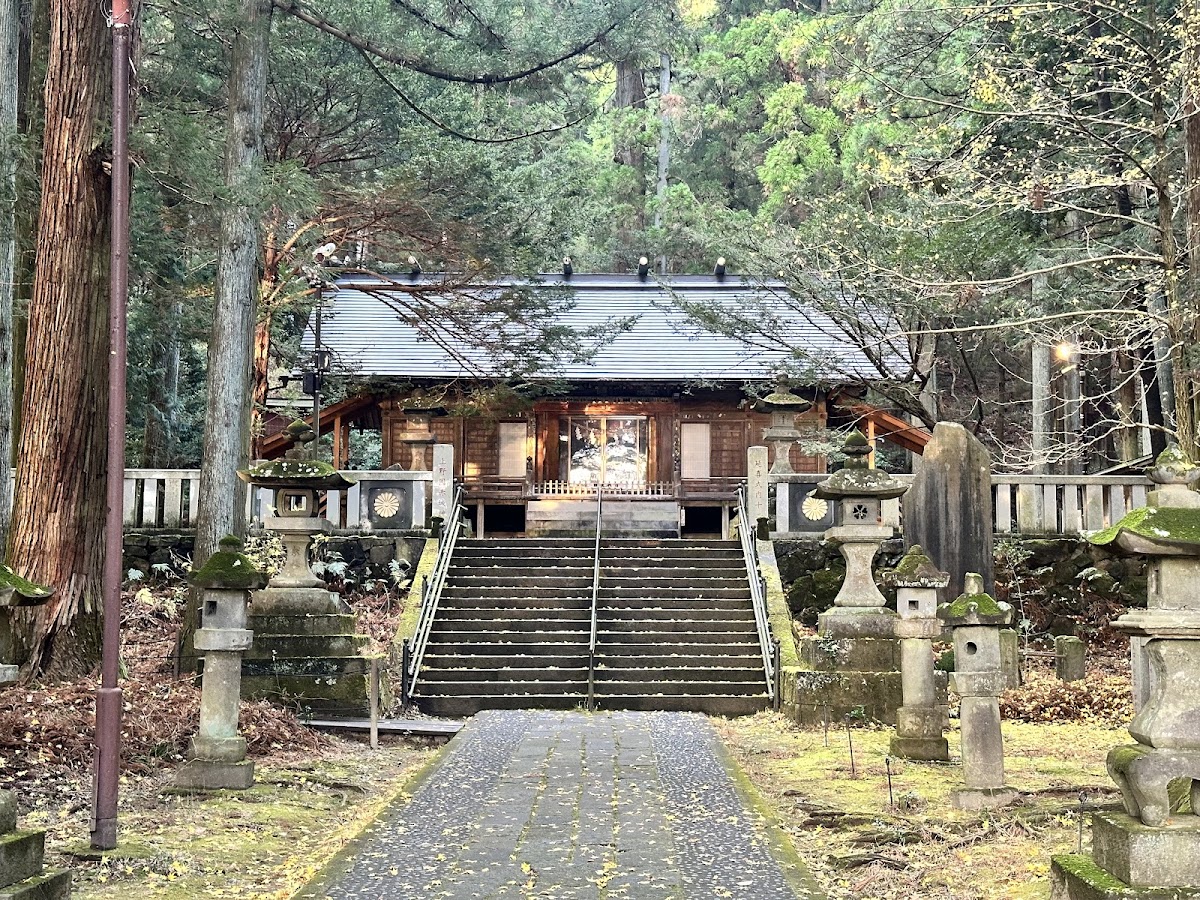
Horse Water has various stories passed down in the community for generations. One tells of a traveling monk who fell ill and recovered after drinking this water. According to the story, the monk built a small shrine near the water location in gratitude, and traces of it reportedly remain today.
There is also a legend that during the Sengoku period, war-weary samurai washed their wounds and recovered their strength using this water. The name “Horse Water” itself is believed to derive from a warrior’s beloved horse preferring to drink this water.
Seasonal Events and Water
Some communities hold seasonal events related to spring water. For example:
- Water deity festival: an annual festival held to give thanks for the blessings of water
- Cleaning activities: community residents gather in spring and autumn to clean the water location area
- Water drawing initiation: tradition of offering water drawn on New Year to the family altar
These events serve to express gratitude for water and strengthen community bonds.
Nearby Tourist Attractions to Visit When Calling
When visiting Horse Water, you can also enjoy nearby tourist attractions. Gunma Prefecture is a region with diverse attractions including hot springs, nature, and historical buildings.
Hot Spring Areas
Gunma is known as a “hot spring nation,” with renowned hot springs scattered throughout the prefecture. It is also a good idea to relax at a hot spring after water drawing. Major hot spring areas include Kusatsu Onsen, Ikaho Onsen, Shima Onsen, and Minakami Onsen.
Natural Scenery
- Oze: Japan’s representative wetland offering beautiful scenery in all seasons
- Mount Tanigawa: enjoy magnificent mountain landscapes by hiking or ropeway
- Fukiware Falls: An impressive waterfall also called the “Niagara of the Orient”
Historical and Cultural Facilities
- Tomioka Silk Mill: Modern industrial heritage registered as a World Heritage Site
- Haruna Shrine: An ancient shrine also popular as a power spot
- Konnyaku Park: A facility where you can learn about konnyaku, a Gunma specialty
Horse Water in Each Season
Spring water locations display different faces depending on the season. Horse Water also has unique attractions in each of the four seasons.
Spring (March-May)
A period when snowmelt increases spring water volume. Surrounding plants begin to sprout, and fresh green foliage is beautiful. Listening to bird calls while drawing water is exceptional. However, be attentive to road conditions during the snow-melting season.
Summer (June-August)
A season when the coldness of spring water is pleasant. Even on hot days, the area around the water location feels pleasantly cool, creating a resort-like atmosphere. However, visitor numbers increase in summer, so early morning visits are recommended to avoid crowds.
Autumn (September-November)
A season when surrounding autumn leaves are beautiful, allowing you to enjoy water drawing and autumn leaf viewing simultaneously. The clear air makes the water’s transparency stand out more. As temperatures begin to drop, do not forget cold weather preparation.
Winter (December-February)
Snow accumulation and freezing may make access difficult. However, spring water surrounded by snow scenery possesses fantastical beauty. Winter visits require adequate equipment and safety measures.
Water Quality Testing and Safety Confirmation
Importance of Regular Water Quality Testing
Since spring water is natural, its quality may change depending on timing and environmental conditions. Ideally, local health departments or municipal governments conduct regular water quality testing.
Before visiting, confirm the following:
- Existence of water quality test results by municipal government or management organizations
- Whether drinking is safe
- Recent water quality information
Use at Your Own Risk
Most spring water locations display notices stating “Use at your own risk.” This is because water quality cannot be fully guaranteed. Particular caution is necessary in the following cases:
- After heavy rain: possibility of sediment and pollutant infiltration
- During drought periods: reduced spring water volume and changing water quality
- When construction or development occurs nearby
If concerned, it is recommended to boil water brought home before use.
For Sustainable Water Use
What Each Individual Can Do
To leave precious water resources like Horse Water for the future, there are things each user can do:
- Draw appropriate amounts: draw only the amount you truly need
- Protect water sources: do not leave trash, do not damage nature
- Share information: communicate correct etiquette to others
- Contribute to the community: participate in cleaning or conservation activities within your capacity
- Have a grateful heart: be grateful for nature’s blessings and use them carefully
Passing the Importance of Water Resources to the Next Generation
Communicating the importance of water to children is also important. When visiting spring water locations with family:
- Explain where water comes from
- Teach the importance of natural environments
- Convey the importance of avoiding water waste
- Let them experience water drawing firsthand
These experiences help cultivate environmental awareness in the next generation.
Conclusion: The Charm of Horse Water and Recommendations for Visiting
Horse Water is a precious spring created by Gunma Prefecture’s rich nature. Its clear water quality, historical background, and the tradition of being cherished by community people possess value that does not fade even in modern times.
When visiting, by making appropriate preparations and following proper etiquette, you can use this precious resource in a sustainable manner. The act of water drawing becomes an opportunity to be grateful for nature’s blessings and realize the importance of environmental conservation.
When visiting Gunma Prefecture, be sure to stop by Horse Water and taste its clear water. You will surely feel both the strength and gentleness of nature. And to pass this wonderful water resource on to the next generation, consider what each person can do and put it into practice.
Horse Water is not merely a spring but a special place filled with regional history, culture, nature, and people’s thoughts. By understanding its value and treating it with respect, you will be able to have a deeper experience.