Complete Guide to Kusuue Ryokuchi Yusui Chi (Kanagawa Prefecture): The Charm and How to Visit This Precious Groundwater Spot in Kawasaki City
Kusuue Ryokuchi Yusui Chi, located in Takatsu Ward, Kawasaki City, Kanagawa Prefecture, is one of the extremely precious groundwater sites in the rapidly urbanizing Greater Tokyo Area. Near the border between Yokohama City and Tsuzuki Ward, this location has long been cherished by local residents as a natural blessing, and has gained attention as a rare spot where a vegetable washing station that remains in active use continues to operate today.
This article provides a comprehensive explanation of this precious natural resource, including detailed information about Kusuue Ryokuchi Yusui Chi, access methods, surrounding environment, and comparisons with other groundwater sites in Kanagawa Prefecture.
Basic Information about Kusuue Ryokuchi Yusui Chi
Location and Geographic Characteristics
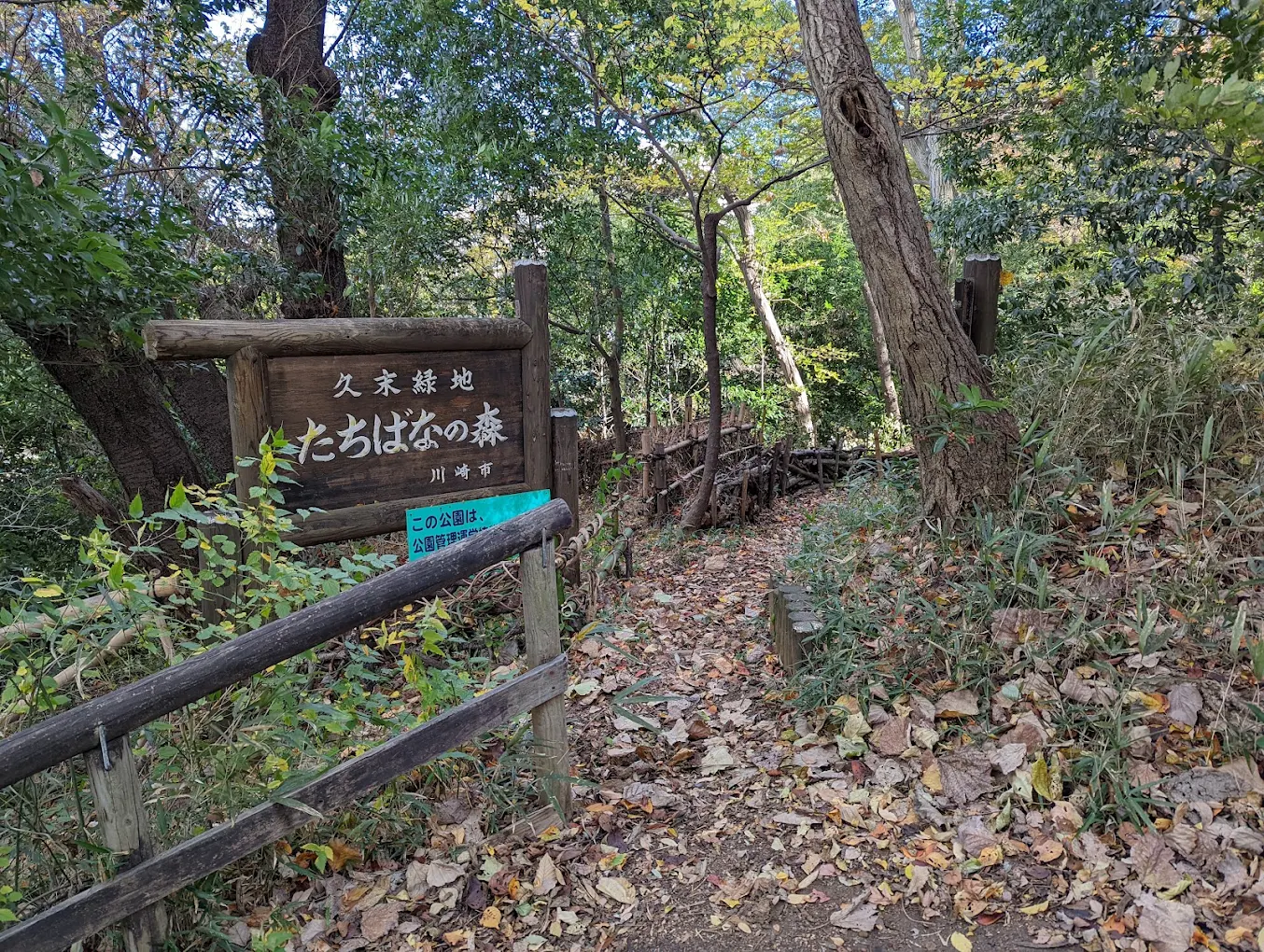
Kusuue Ryokuchi Yusui Chi is located in Kusuue, Takatsu Ward, Kawasaki City, Kanagawa Prefecture, near the boundary with Yokohama City’s Tsuzuki Ward. This groundwater site is positioned at the head of a valley (yato) formed in a section of the Tamagawa Hills, and the geographic characteristics greatly contribute to the occurrence of groundwater.
Address: Kusuue, Takatsu Ward, Kawasaki City, Kanagawa Prefecture
Nearest Landmark: Kusuue intersection on Nakahara-kaido (near Seven-Eleven)
Terrain Classification: Valley-head groundwater of yato terrain
Yato terrain refers to a valley-shaped landform created by erosion of hills, commonly seen in the hilly areas of the Kanto region. In this terrain, rainwater that falls on hills infiltrates underground and often springs up at the boundary between permeable and impermeable layers. Kusuue Ryokuchi Yusui Chi is also formed through this mechanism.
Characteristics and Water Quality of Groundwater
The water at Kusuue Ryokuchi Yusui Chi is groundwater that has naturally filtered through the geological layers of the Tamagawa Hills. Despite its urban location, it maintains relatively good water quality and has a history of being used by local residents for domestic purposes such as washing vegetables.
The groundwater volume fluctuates with seasons and precipitation, but it characteristically continues to flow without drying up throughout the year. The water temperature remains relatively stable year-round, exhibiting the distinctive properties of groundwater—cool in summer and warm in winter.
Historical Value of Kusuue Ryokuchi Yusui Chi
The Rarity of an Active Vegetable Washing Station
The greatest feature of Kusuue Ryokuchi Yusui Chi is that a vegetable washing station that remains in active use is still preserved. In the Greater Tokyo Area, such an operational vegetable washing station is an extremely rare existence.
Previously, similar vegetable washing stations were seen at many groundwater sites throughout Kanagawa Prefecture, but most have disappeared due to urban development and the spread of tap water. At Kusuue Ryokuchi Yusui Chi, local residents continue to use this groundwater today, making it a precious example of traditional water-use culture being carried forward.
Connection with Local Community
Groundwater sites function not merely as water sources but also as venues for community interaction. The scene of residents washing vegetables while exchanging information with neighbors was once a daily occurrence in rural areas of Japan but is rapidly disappearing in urban areas.
At Kusuue Ryokuchi Yusui Chi, such community bonds are maintained, and voluntary management and cleaning activities by local residents continue. In this respect as well, it is a place that possesses social and cultural value beyond being merely a natural resource.
Access Methods and Precautions When Visiting
Detailed Access Guide
Access to Kusuue Ryokuchi Yusui Chi basically combines public transportation and walking.
Access by Train and Bus:
- From “Sagisawa Station” or “Miyamae Hira Station” on the Tokyu Denentoshi Line, use Kawasaki City buses
- Get off at “Kusuue” bus stop and walk approximately 10-15 minutes
- Alternatively, from “Musashi-Mizonokuchi Station” on the JR Nanbu Line, Kawasaki City buses are also available
Access by Car:
- Starting from Kusuue intersection on Nakahara-kaido (Seven-Eleven serves as a landmark), proceed diagonally into the road
- Then proceed deeper along narrow residential roads
- Since no parking lot is developed, use nearby coin parking
Precautions When Visiting
When visiting Kusuue Ryokuchi Yusui Chi, the following points require attention:
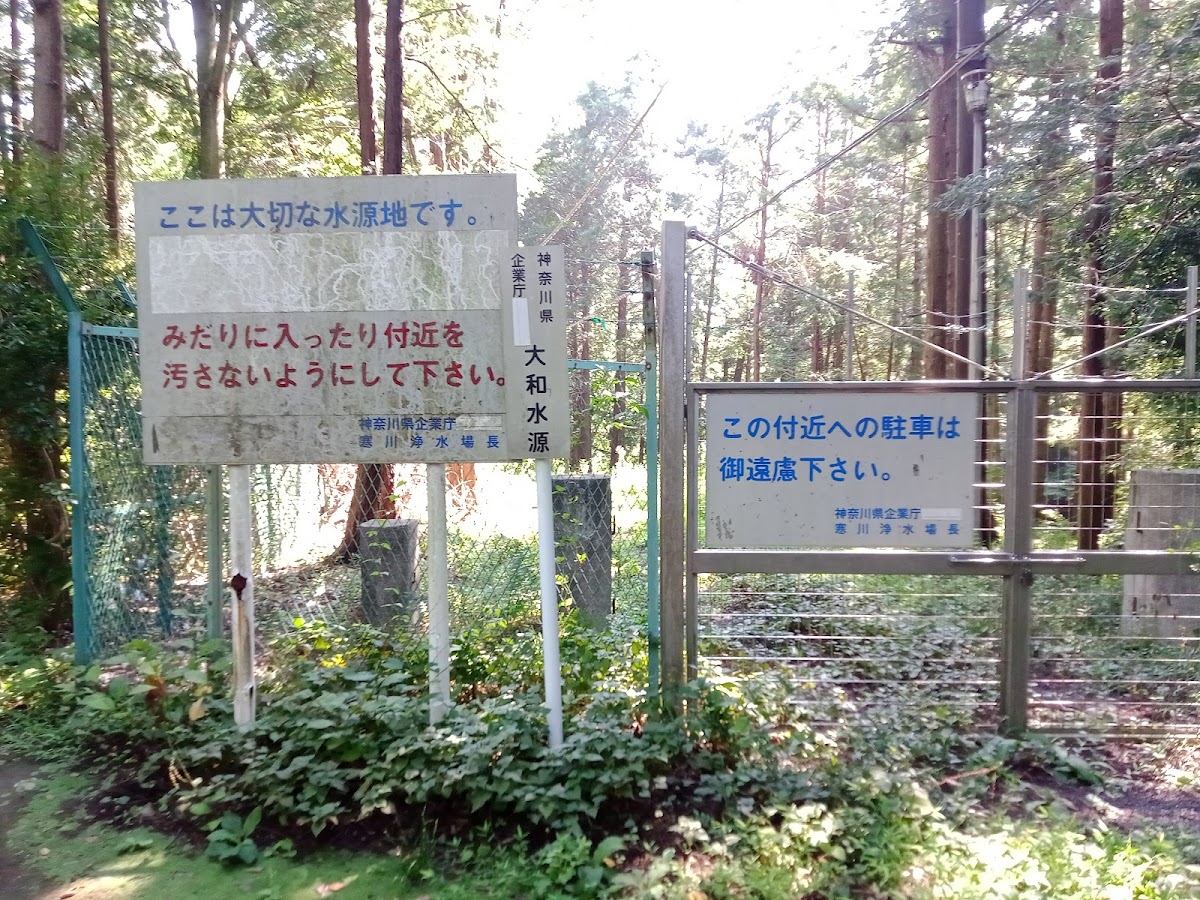
- Consideration for Private Property and Living Spaces: The area around the groundwater site is adjacent to residential areas and is a living space for local residents. Noise and trespassing in restricted areas must be strictly avoided.
- Use of the Vegetable Washing Station: This is a facility in active use, so care must be taken not to interfere with its use by local residents. When photographing, it is advisable to obtain permission.
- Carry Away Trash: For environmental conservation of the groundwater site, all trash must be carried away.
- About Water Quality: If the water is intended for drinking, confirm water quality test results beforehand or boil before use is recommended.
- Foot Safety: The area around the groundwater site has slippery places, so visit wearing appropriate footwear.
Natural Environment of Kusuue Ryokuchi Yusui Chi
Vegetation and Ecosystem
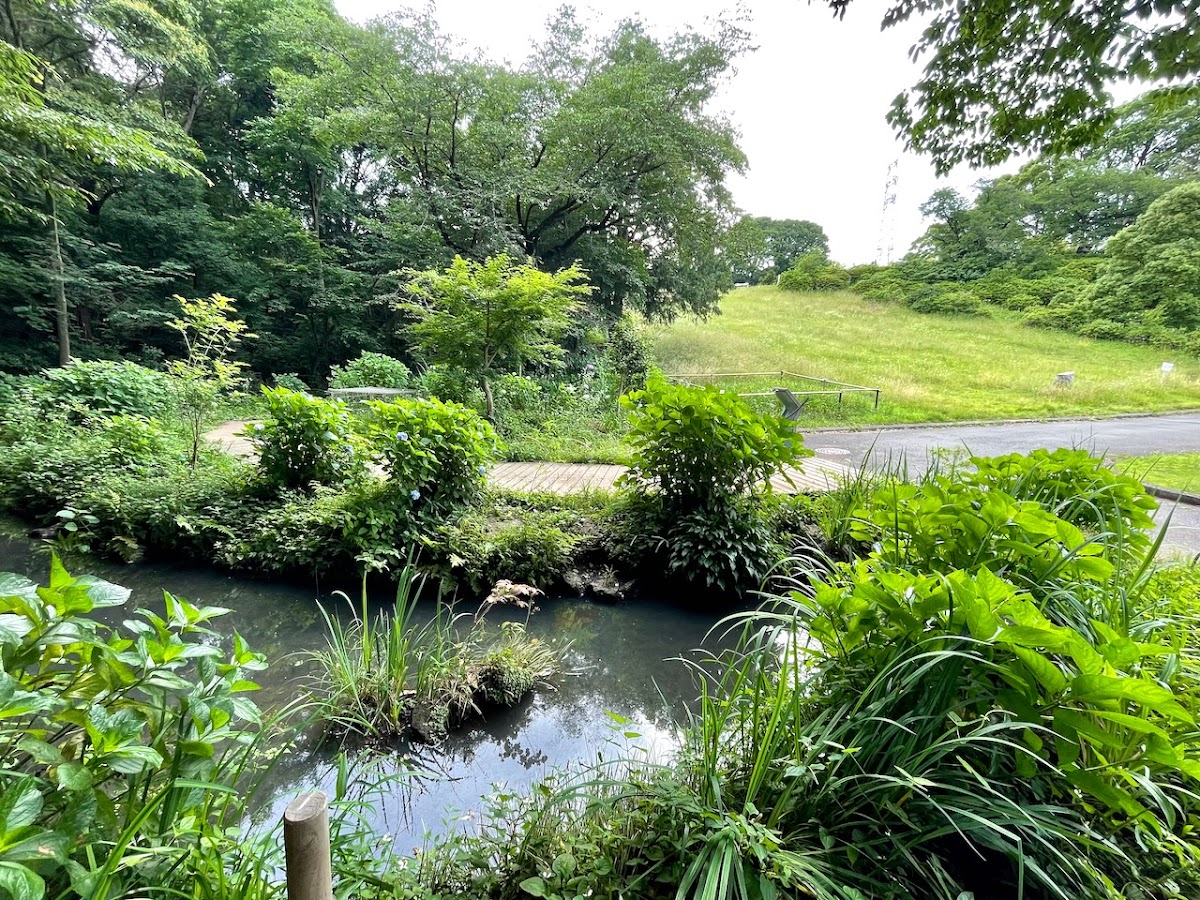
Kusuue Ryokuchi Yusui Chi and its surroundings maintain a rich natural environment despite being in an urban area. The wetland environment formed by groundwater has naturally growing plants that prefer water margins, presenting a different appearance with each season.
In spring, fresh greenery is beautiful; in summer, abundant green shade provides coolness; in autumn, colored leaves can be enjoyed; and in winter, serene scenery is visible. Additionally, it is possible to observe hygrophilous plants unique to groundwater sites and organisms that favor clear streams.
Conservation Value of Yato Terrain
The yato terrain where Kusuue Ryokuchi Yusui Chi is located is an important landform that characterizes the satoyama landscape of the Kanto region. Yato includes diverse environments such as groundwater, wetlands, and slope forests and holds important significance in biodiversity conservation.
That such yato environment remains in urbanizing Kawasaki City is precious and holds potential for utilization as a venue for environmental education.
Comparison with Other Groundwater Sites in Kanagawa Prefecture
Characteristics of Groundwater in Kanagawa
Kanagawa Prefecture possesses diverse terrain including the Tanzawa Mountains, Hakone Mountains, and Tamagawa Hills, with numerous groundwater sites throughout the prefecture. The Ministry of Environment’s “Heisei’s Top 100 Waters” (Heisei no Meisui Hyakusen) has selected three sites: Hadano Basin Groundwater Group, Sharasui Falls and Takisawa River, and Seizaemon Jigoku-ike.
Hadano Basin Groundwater Group (Hadano City):
The Hadano Basin, Kanagawa’s only basin, holds approximately 750 million tons of groundwater, with groundwater visible at various locations throughout the city. The majority of Hadano City’s water supply comes from groundwater and is known as “Tanzawa’s Fine Water.”
Groundwater Sites in Yokohama City:
In Yokohama City’s Tsuzuki Ward, multiple groundwater sites exist in locations close to Kusuue Ryokuchi Yusui Chi. Groundwater such as that in Yokoyama Knoll Ryokuchi Park is well-known and forms precious waterside environments in urban areas.
Positioning of Kusuue Ryokuchi Yusui Chi
Kusuue Ryokuchi Yusui Chi is relatively small among Kanagawa Prefecture’s groundwater sites but possesses unique value in the following aspects:
- Active Use as Domestic Water in Urban Areas: The point that it is still used as a vegetable washing station in residential areas of the Greater Tokyo Area
- Geographic Characteristics at the Border of Kawasaki and Yokohama: Serving as a contact point for both cities’ greenspace conservation efforts
- Typical Example of Yato Terrain: Educational value as a site where one can observe the yato environment of the Tamagawa Hills
- Connection with Local Community: Continuous self-management by local residents is maintained
Nearby Attractions and Groundwater Spots
Other Groundwater Sites in Kawasaki City
Several groundwater sites exist in Kawasaki City besides Kusuue Ryokuchi Yusui Chi. Groundwater often appears in greenspace parks utilizing the terrain of the Tamagawa Hills, and they can be combined as hiking courses.
Groundwater Near Ikuta Ryokuchi:
Ikuta Ryokuchi in Tamagawa Ward, Kawasaki City, is the largest greenspace in the city and has multiple groundwater points within and around the park.
Around Hayano Seichi Park:
Near Hayano Seichi Park in Asao Ward, Kawasaki City, groundwater from yato terrain can be observed.
Groundwater Sites in Yokohama City’s Tsuzuki Ward
Several groundwater sites exist in Tsuzuki Ward, Yokohama City, adjacent to Kusuue Ryokuchi Yusui Chi.
Groundwater in Yokoyama Knoll Ryokuchi Park:
One of the representative groundwater sites in Tsuzuki Ward, where groundwater can be observed from well-maintained promenade paths.
Around Yamada Fuji Park:
Multiple groundwater points derived from hill terrain are scattered in the northern part of Tsuzuki Ward.
Groundwater Site Conservation and Future Challenges
Achieving Both Urbanization and Groundwater Conservation
The areas around Kusuue Ryokuchi Yusui Chi in Takatsu Ward, Kawasaki City, and Tsuzuki Ward, Yokohama City, have undergone rapid urbanization since the high growth period of the post-war years. Many groundwater sites that once existed have been lost due to residential development and road construction.
Groundwater greatly depends on the environment of its recharge area (the range where rainwater infiltrates underground). As surrounding areas are paved with asphalt and concrete through urbanization, underground infiltration of rainwater is impeded, leading to reduced groundwater flow or depletion.
Community Conservation Activities
At Kusuue Ryokuchi Yusui Chi, voluntary conservation activities by local residents contribute to groundwater preservation. Regular cleaning activities and vegetation management around the groundwater site are conducted, and these grassroots efforts contribute to groundwater environment conservation.
At the municipal level, Kawasaki City promotes water environment awareness through environmental education programs such as “Kawasaki Waterside School.” Yokohama City also positions groundwater conservation as one of its important policies in the “Yokohama Water and Green Basic Plan.”
Future Outlook and Challenges
To preserve Kusuue Ryokuchi Yusui Chi for future generations, responses to the following challenges are necessary:
- Conservation of Recharge Area: Preserving surrounding hill greenspace that serves as the water source for groundwater and maintaining rainwater underground infiltration
- Water Quality Monitoring: Regular water quality surveys to understand groundwater safety and environmental changes
- Utilization for Environmental Education: Using it as a venue for school education and environmental learning in the community to ensure intergenerational transmission
- Maintenance of Local Community: Creating mechanisms to enable continued use and management by local residents
- Appropriate Utilization as Tourism Resource: Avoiding excessive tourism burden on the environment while promoting the area as a regional attraction
Manners and Etiquette When Visiting Groundwater Sites
Basic Visiting Manners
When visiting groundwater sites, the following manners are important:
Environmental Consideration:
- Always carry away trash
- Do not collect plants or trample them
- Do not disturb soil around the groundwater site
- Do not use detergents or chemical substances
Consideration for Local Residents:
- Avoid loud conversations and noise
- Do not trespass on private property
- Prioritize use by local residents
- Do not photograph without permission (especially if people appear in photos)
Safety Consideration:
- Be careful of slippery areas
- Keep children in sight
- Avoid visiting during poor weather
About Using Groundwater
When using water from Kusuue Ryokuchi Yusui Chi, please note the following:
About Drinking:
Groundwater is a natural water source and is not necessarily suitable for drinking. If drinking, the following measures are recommended:
- Confirm water quality test results beforehand
- Boil before drinking
- Avoid drinking if health concerns exist
Use as Domestic Water:
When using groundwater as domestic water such as washing vegetables, care must be taken not to interfere with use by local residents.
Recommendations for Groundwater Site Touring
Groundwater Touring Routes in Kanagawa
With Kusuue Ryokuchi Yusui Chi as a starting point, you can plan routes to tour groundwater sites throughout Kanagawa Prefecture.
Groundwater Touring in Kawasaki and Yokohama Areas:
- Kusuue Ryokuchi Yusui Chi (Takatsu Ward, Kawasaki City)
- Yokoyama Knoll Ryokuchi Park Groundwater (Tsuzuki Ward, Yokohama City)
- Mizuma-sama’s Sacred Water / Kikuna Water (Kohoku Ward, Yokohama City)
- Groundwater near Ikuta Ryokuchi (Tamagawa Ward, Kawasaki City)
Groundwater Touring in Central Kanagawa:
- Seiun-an Groundwater (Atsugi City)
- Mizusawa Benzaiten Groundwater (Hadano City)
- Hadano Basin Groundwater Group (Hadano City)
Groundwater Touring in Kamakura and Shonan Areas:
- Five Famous Waters and Ten Wells in Kamakura (Kamakura City)
- Iwase Shitaseki Youth Broad Area Self-Discharging Well (Fujisawa City)
Enjoying Groundwater Sites Throughout the Four Seasons
Groundwater sites possess different charms depending on the season.
Spring (March–May):
A season when fresh greenery is beautiful and plants around the groundwater site come into leaf. Mist-like phenomena may be observed in the early morning due to differences between water and air temperatures.
Summer (June–August):
A season when cool groundwater is pleasant. It is ideal as a place to escape the heat of urban areas and seek coolness.
Autumn (September–November):
Surrounding trees display autumn colors and fallen leaves float on the water surface, presenting picturesque scenery.
Winter (December–February):
Groundwater does not freeze and feels relatively warm. One can appreciate a serene atmosphere amid the clear winter air.
Groundwater and Regional Culture
Groundwater and Faith
Many groundwater sites throughout Japan have long been objects of religious veneration. Many shrines and temples related to groundwater can be seen throughout Kanagawa Prefecture.
Water is the source of life and an indispensable resource for agriculture. Therefore, groundwater was revered as something sacred, and water deities and Benzaiten were often enshrined at such sites.
Groundwater and Place Names
Groundwater has influenced place names. Many place names containing characters such as “clear water,” “spring,” or “water” are related to the existence of groundwater. The place name Kusuue may also be related to the terrain and water environment of this region.
Conclusion: The Value of Kusuue Ryokuchi Yusui Chi and the Importance of Its Conservation
Kusuue Ryokuchi Yusui Chi is a precious groundwater site located in Takatsu Ward, Kawasaki City, Kanagawa Prefecture. In the rapidly urbanizing Greater Tokyo Area, it is an extremely rare site in that it continues to be used as an operational vegetable washing station.
This groundwater site possesses multifaceted value beyond its worth as merely a water source:
- Value as a Natural Environment: Groundwater formed in yato terrain and the rich natural environment surrounding it
- Cultural Value: A place where traditional water-use culture is carried forward
- Social Value: Functioning as a venue for local community interaction
- Educational Value: Usable as a venue for environmental learning and nature observation
- Historical Value: A place that conveys the region’s water-use history to the present
When visiting Kusuue Ryokuchi Yusui Chi, we hope you will understand these values and, while not forgetting environmental conservation and consideration for local residents, savor the blessings of groundwater.
Numerous groundwater sites besides Kusuue Ryokuchi Yusui Chi exist throughout Kanagawa Prefecture. Why not enjoy groundwater touring while discovering the unique characteristics and charms of each groundwater site?
For preserving precious groundwater sites in urban areas for future generations, it is important that each of us understands the value of groundwater and cooperates in its conservation. We hope that Kusuue Ryokuchi Yusui Chi will continue to be protected as a regional treasure and appreciated by many people for years to come.