Fukuju Water (Ueda City, Nagano Prefecture) Complete Guide | Access, Water Quality, and Information on Surrounding Adonis Vernalis Native Habitats
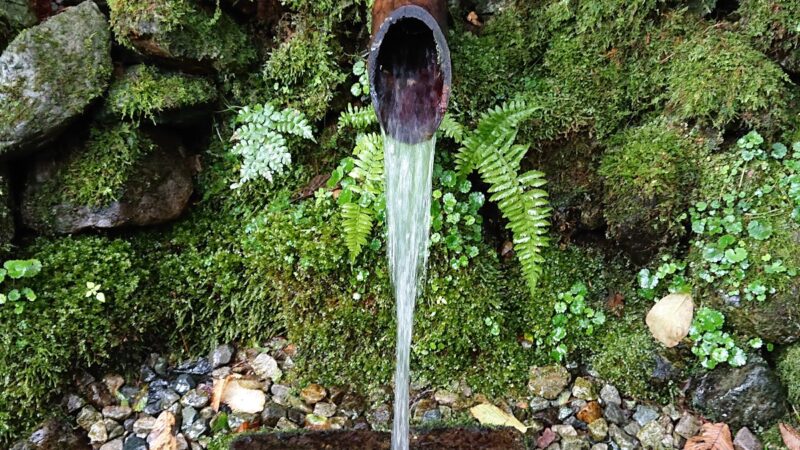
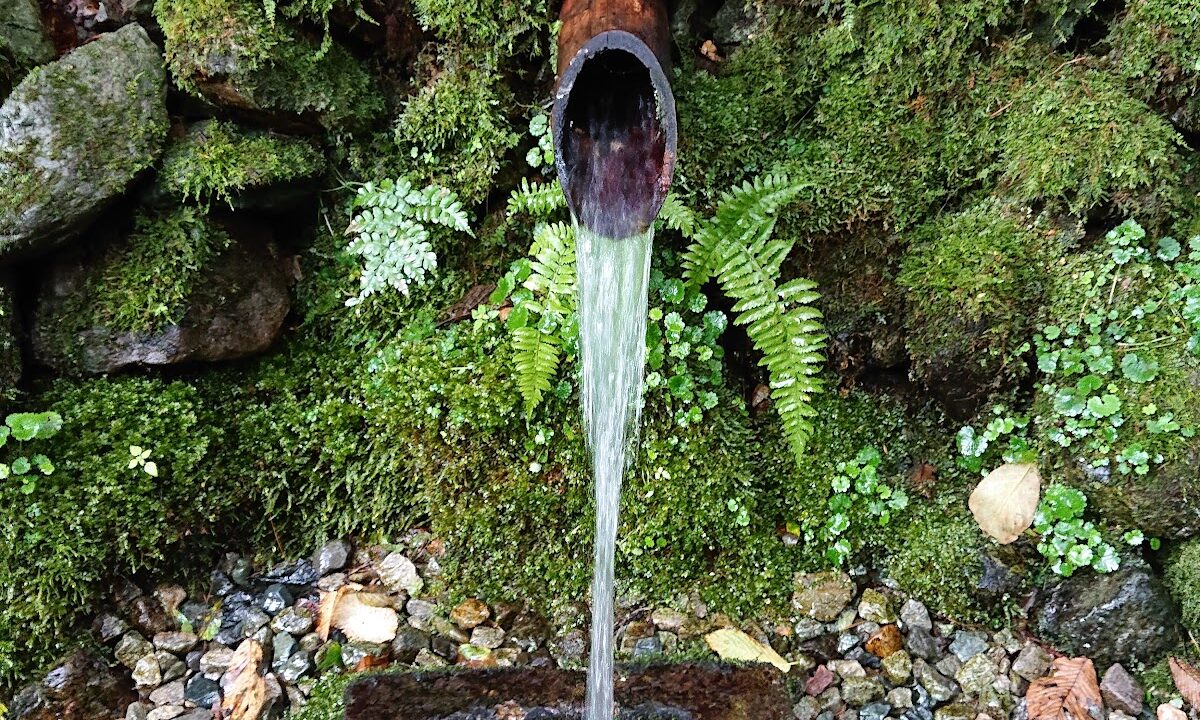
“Fukuju Water” located in Kamimuishi Karasawa, Ueda City, Nagano Prefecture, is a natural spring water spot that has been cherished by locals for many years. Known as a native habitat for Adonis vernalis, it is situated a short distance up a mountain path in the Obara district, where clear spring water quietly flows. This article comprehensively introduces information you should know before visiting, from the characteristics of Fukuju Water to actual access methods and surrounding tourism information.
What is Fukuju Water? A Hidden Famous Water Spot in Ueda City, Nagano Prefecture
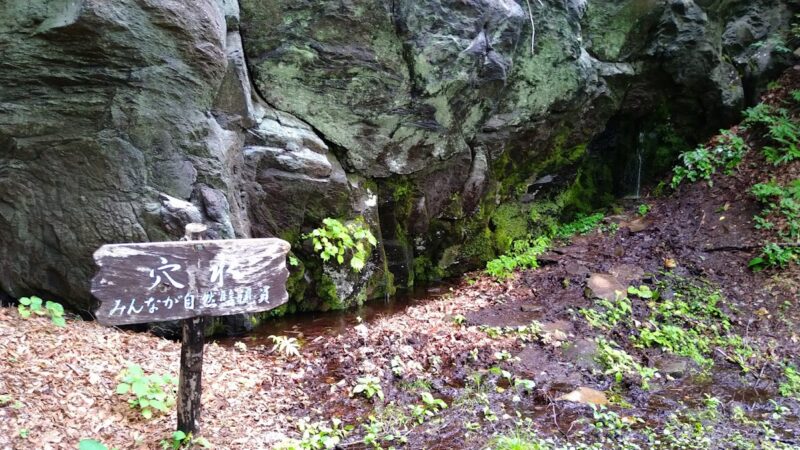
Fukuju Water is spring water located in the Obara (kobara) district of Kamimuishi Karasawa, Ueda City, Nagano Prefecture. While the name “Fukuju Water” was given relatively recently, this water source has long been known to and utilized by local residents in the region.
The Relationship Between the Obara District and Adonis Vernalis
The Obara district is famous as a native habitat where Adonis vernalis blooms profusely in spring. During the Adonis vernalis season, a beautiful landscape spreads out like a golden carpet, attracting many tourists and photography enthusiasts. A short distance up the mountain path from this Adonis vernalis native habitat is where the spring water source of “Fukuju Water” is located.
Adonis vernalis is a flower that blooms in early spring, and its name contains the auspicious characters “fu” (fortune) and “ju” (longevity). Named after the emblematic flower of this region, “Fukuju Water” is truly an embodiment of the region’s natural blessings.
History of the Spring Water and Its Position in the Community
While “Fukuju Water” has been formally called by this name only in recent years, the spring water itself has long been used as drinking water by local residents. The Kamimuishi region is a mountainous area blessed with rich nature, where clear water springs forth abundantly.
Local people have utilized this water not only as drinking water but also in various aspects of agricultural work and daily life. Today, not only local residents but also people from distant places visit to draw water.
Water Quality Characteristics and Taste of Fukuju Water
Characteristics of Soft Water and Mellow Taste
Fukuju Water is known as soft water with low hardness. Soft water refers to water with low mineral content, such as calcium and magnesium, and most spring water and tap water in Japan fall into this soft water category.
The greatest characteristic of soft water is its mellow and easy-to-drink taste. Compared to hard water, it has no peculiar flavor and offers a crisp, refreshing taste. Fukuju Water is no exception, and its cold, clear water is perfect for quenching one’s thirst.
Uses as Natural Water
As soft water, Fukuju Water is suitable for various purposes:
As drinking water
It tastes delicious when drunk as is, and its flavorless taste makes it ideal for daily drinking water.
For tea and coffee
Soft water is well-suited for bringing out the flavor of Japanese tea, and you can enjoy the true taste of the ingredients when brewing green tea or sencha. When brewing coffee, the beans’ flavor is not diminished and results in a mellow taste.
For cooking
When using soft water to cook rice, it results in a fluffy finish. It also has the characteristic of easily drawing out the umami of ingredients when making broth.
For diluted spirits and hot alcoholic drinks
When used for diluting shochu or whiskey, it does not interfere with the alcohol’s flavor and results in a mellow taste.
Water Source and Geological Background
Fukuju Water is seepage water formed when rain and snowmelt that falls on the surrounding mountains percolates deep underground and is filtered over many years. Due to the geological structure of the Kamimuishi region, clear water that has passed through natural filters springs forth to the surface.
The geology of this region has excellent water purification capabilities, and it provides an environment where soft water with a good mineral balance is created. The rich forests characteristic of mountainous areas serve as water source conservation areas, maintaining a stable water volume.
Access Methods and Detailed Information to Fukuju Water
Location and Basic Information
Location
Kamimuishi Karasawa, Ueda City, Nagano Prefecture (Obara District)
Access Method
Since Fukuju Water is located in a mountainous area, access is primarily by private automobile. Public transportation access is difficult, so it is recommended to plan your visit with the assumption of traveling by car.
Car Access Route
From Ueda City Center
- Head south on National Route 254
- Proceed toward the Takeishi district
- Follow directional signs toward Kamimuishi Karasawa area
- Head toward the Obara district and enter the mountain road
- Proceed using the Adonis vernalis native habitat signboard as a landmark
Travel time from Ueda City Center is approximately 40 to 50 minutes. The journey involves mountain roads, so careful driving is necessary. Especially in winter, snow accumulation and icing are possible, making studless tires and the carrying of chains essential.
Precautions When Visiting
Road Conditions
The mountain road has some narrow sections, requiring attention when passing oncoming vehicles. With many curves, keep speed moderate and drive safely.
Mobile Phone Signal
Due to the mountainous area, mobile phone signals may be weak in some places. Confirm your route in advance with a map app, and it’s reassuring to download maps for offline use.
Parking Space
There is only limited parking space near the spring water source. Be considerate of other visitors and practice a spirit of sharing.
Water Drawing Equipment
If you want to take water home, bring containers such as water jugs or plastic bottles. Since water supply facilities may not be set up at the site, items like ladles or hoses are convenient.
Best Times to Visit
Spring (March to May)
This period overlaps with the Adonis vernalis blooming season and is when visitors are most numerous. Particularly from late March to early April, golden Adonis vernalis flowers bloom abundantly across the landscape, allowing you to enjoy nature appreciation alongside water drawing.
Summer (June to August)
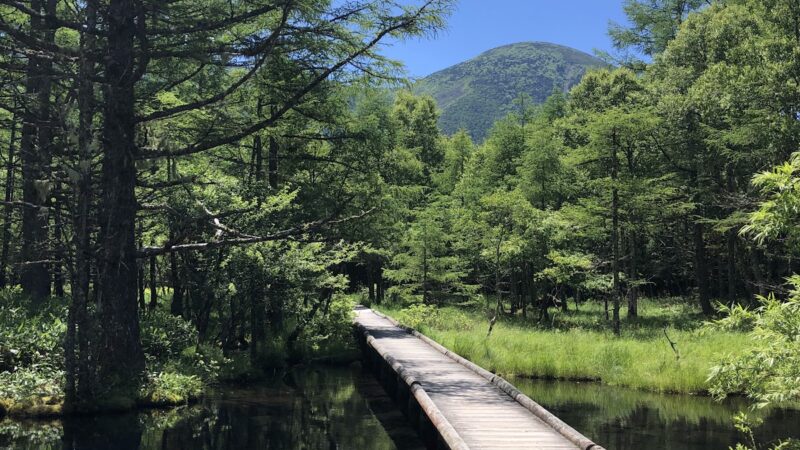
This is a time to enjoy the landscape of lush green mountains. The cold spring water provides relief from summer heat. However, there are many insects in mountainous areas during this season, so remember insect repellent measures.
Autumn (September to November)
This is when fall foliage is beautiful, and the mountain road drive is also enjoyable. As temperatures begin to drop, consider cold weather preparations.
Winter (December to February)
This is a period when snow accumulation and road surface freezing make access difficult. If planning a visit, confirm road conditions in advance and ensure winter equipment is fully prepared.
Surrounding Tourist Spots and Adonis Vernalis Native Habitat
Obara Adonis Vernalis Native Habitat
When visiting Fukuju Water, be sure to also view the Adonis vernalis native habitat in the Obara district. This region is known as one of Nagano Prefecture’s finest Adonis vernalis colonies.
What is Adonis Vernalis
Adonis vernalis (Fukujuso) is a perennial herb of the Ranunculaceae family that produces yellow flowers in early spring. It emerges with the snowmelt and is an old-time favorite as a flower that heralds the arrival of spring. The name “Adonis vernalis” was given as an auspicious flower celebrating early spring.
Blooming Period and Best Viewing Time
Adonis vernalis in the Obara district typically reaches its peak bloom from late March to early April. Since the blooming period varies depending on weather conditions, it is recommended to check the blooming status through the local tourism association or Ueda City’s official website before visiting.
During the peak season, the entire slope turns golden, creating a landscape truly worthy of the description “golden carpet.” It is also a popular photography spot, attracting many camera enthusiasts.
Nature and Culture in the Takeishi Region
The Takeishi region is a mountainous area blessed with abundant nature where you can enjoy beautiful scenery in all four seasons.
Takeishi Kannon Hall
A temple long cherished as the center of regional faith. The Kannon hall standing quietly in the mountains provides a space to calm the mind.
Takeishi Banshogahara Ski Resort
Operating as a ski resort popular with families during winter. Courses are fully equipped for beginners to intermediate skiers and are loved by local residents.
Agricultural Products Direct Sales Shop
A direct sales shop where fresh agricultural products from the region can be purchased. You can obtain seasonal vegetables, fruits, and local specialty products.
Tourist Spots in Ueda City
Why not tour tourist spots in Ueda City in conjunction with a visit to Fukuju Water?
Ueda Castle Ruins Park
The ruins of Ueda Castle built by Sanada Masayuki, this is a historically significant spot connected to the Sanada clan. It is also known as a famous cherry blossom spot in spring.
Bessho Hot Spring
Said to be Shinshu’s oldest hot spring, Bessho Hot Spring is called the “Kamakura of Shinshu.” With attractions including Kitamuki Kannon Hall and Anrakuji Temple, there is much to see.
Sugadaira Highland
A highland resort popular as a summer retreat and winter ski resort. With high altitude, you can enjoy a refreshing climate.
Water Drawing Etiquette and Environmental Conservation at Fukuju Water
Etiquette When Drawing Water
Fukuju Water is a precious natural resource of the region. All visitors should follow the following etiquette so everyone can use it comfortably.
Spirit of Consideration
If other visitors are drawing water, wait your turn. Even if you’re in a hurry, avoid actions like cutting in line.
Maintain Cleanliness
Take care not to dirty the water-drawing area and surroundings. When washing containers, use only water without detergents.
Take All Trash With You
Be sure to take home all trash such as plastic bottle caps, labels, and other waste. With the spirit of “leaving it more beautiful than you found it,” protect the natural environment.
Avoid Occupying for Long Periods
Even when drawing large quantities of water, don’t forget consideration for other visitors. When possible, adjust the amount you draw at one time.
Consideration for Environmental Conservation
Protection of Water Source
Be careful not to damage vegetation around the spring water source and its surroundings. Avoid unnecessary trampling or harvesting of plants.
Noise Consideration
To maintain the natural quiet, refrain from loud conversation or playing music. Consideration for wildlife impacts is also necessary.
Parking Etiquette
Do not park in places other than designated areas. Unauthorized parking on farm roads or private land is a nuisance to local residents.
Comparison of Fukuju Water with Other Famous Waters in Nagano Prefecture
Nagano Prefecture has many famous water spots besides “Fukuju Water.” Understanding the characteristics of each can deepen understanding of Fukuju Water’s appeal.
Azumino Wasabi Field Spring Water Groups
The Azumino region, where snowmelt water from the Northern Alps springs forth, is famous for wasabi cultivation. It is characterized by abundant spring water volume and clear water quality and is also selected as one of the “100 Selections of Famous Water” by the Ministry of the Environment. It is developed as a tourist destination with relatively easy access.
Himekawa Source Spring Water
This is the source of the Himekawa River in Hakuba Village, and it is also one of the “100 Selections of Famous Water.” It is characterized by high transparency and a beautiful spring water pond where underwater conditions are clearly visible. It is popular as a tourist spot, and walking paths are established in the surrounding area.
Ryuukouji Clear Water
Spring water in Minamigifu Town, Kiso District, this has long been used locally. It is characterized by low hardness and a mellow taste.
Uniqueness of Fukuju Water
Compared with these famous water spots, Fukuju Water’s charm lies in its unsophisticated nature, untouched by commercialization as a tourist destination. While access is challenging, you can experience nature’s blessings in a quiet environment. The ability to experience both seasonal transitions and natural beauty simultaneously when visiting alongside the Adonis vernalis native habitat is a characteristic found nowhere else.
Practical Advice for Water Drawing
Tools to Bring
Containers
- Water jugs (10L to 20L is easy to handle)
- Plastic bottles (convenient, portable sizes)
- Glass bottles (for long-term storage)
Auxiliary Tools
- Ladle or funnel (to easily pour water into containers)
- Towel or cloth (to wipe water drops)
- Plastic bags (to hold wet tools)
- Work gloves (convenient for carrying containers)
Others
- Cooler box (to prevent water temperature rise during summer transport)
- Flashlight (convenient for early morning or evening visits)
Water Storage Method
Short-term Storage (approximately 1 week)
Place in a clean container and store in the refrigerator. Use as soon as possible after opening.
Long-term Storage (approximately 1 month)
Use boil-sterilized containers, seal tightly, and store in a cool, dark place. However, since natural water is not disinfected with chlorine, it is recommended to use it as soon as possible.
Precautions
- Avoid direct sunlight
- Avoid high temperature and humidity
- Clean containers regularly
- Do not use if there is unusual odor or cloudiness
Summary: Feeling Nagano’s Natural Blessings at Fukuju Water
“Fukuju Water,” which springs forth in the Obara district known as a native habitat of Adonis vernalis in Kamimuishi Karasawa, Ueda City, Nagano Prefecture, is natural soft water. Its mellow taste and clear water quality are suitable for drinking water as well as a wide range of uses including tea, coffee, and cooking.
Access requires a car and involves traveling a mountain road, but the abundant nature encountered along the way and the golden-shimmering colony of Adonis vernalis in spring are sights worth visiting. Fukuju Water, which retains its unsophisticated character untouched by commercialization, is an ideal spot for those who wish to quietly feel nature’s blessings.
When visiting, remember to follow water-drawing etiquette and be mindful of environmental conservation. Individual awareness is important in passing on this precious natural resource of the region to future generations.
Why not taste the natural water drawn from Fukuju Water and reflect on Nagano’s abundant nature? The Takeishi region, presenting a different appearance with each season, is a fascinating place with new discoveries each time you visit.