
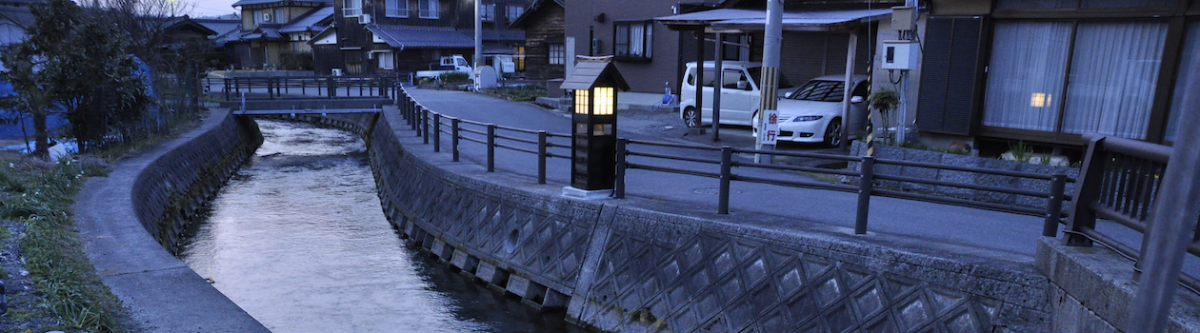
Egahata Water (Kagawa Prefecture) Complete Guide | Thorough Explanation of History, Access, Water Quality, and Surrounding Tourism
Kagawa Prefecture is a region that receives relatively little rainfall nationwide and has long suffered from water shortages. In such Kagawa Prefecture, one of the precious water sources that has supported the lives of local residents is “Egahata Water.” This article provides a detailed explanation from a local perspective, covering everything from the historical background of Egahata Water to its current situation, access methods, and nearby attractions.
What is Egahata Water?
Egahata Water is one of the spring waters or water sources that exists in Kagawa Prefecture and has long been utilized as an important daily water supply for local residents. Kagawa Prefecture belongs to the Seto Inland Sea climate zone, and since its annual precipitation falls far below the national average, such spring water and well water have been cherished throughout history as precious water resources for the region.
Water Conditions in Kagawa Prefecture and the Importance of Egahata Water
Kagawa Prefecture’s annual precipitation is approximately 1,100mm, which is only about 65% compared to the national average of approximately 1,700mm. For this reason, Kagawa Prefecture has long been known as a “water-shortage prefecture,” and it is also famous for having the largest number of reservoirs in the nation.
In such a water-scarce environment, groundwater and spring water have played extremely important roles for local residents. Egahata Water, as one such regional water source, is believed to have supported the lives of local people over many years.
History and Origins of Egahata Water
Origins of the Place Name “Egahata”
The place name “Egahata” is found in several regions within Kagawa Prefecture. Generally, “Egata” refers to waterside or coastal areas, and “Hatake” refers to cultivated fields, suggesting it was a farming area close to water.
Historical Background
From the Edo period through the Meiji era, Kagawa Prefecture constructed many reservoirs as measures against water shortages. Simultaneously, spring water and well water were carefully managed as precious water sources. Egahata Water is believed to have been utilized as daily water supply for local residents within this historical context.
Particularly, there was high demand for agricultural water, playing an important role in rice cultivation and vegetable farming. Additionally, it was quite possibly used as drinking water, and may have been a central location for the regional community.
Characteristics and Water Quality of Egahata Water
Characteristics of Spring Water
Spring water in Kagawa Prefecture is generally formed when rainwater that has fallen on mountains such as the Sanuki Mountains permeates the ground and seeps out after being filtered through rock layers over long periods of time. For this reason, in many cases it becomes clear, cold water with appropriately balanced mineral content.
Egahata Water is likely water that has undergone such natural filtration processes, and is believed to have unique water quality characteristics determined by the region’s geological conditions.
Water Quality Characteristics
Groundwater and spring water in Kagawa Prefecture generally possess the following features:
- Hardness: Ranges from soft water to moderately hard water depending on the region
- pH: From weakly alkaline to neutral
- Minerals: Contains calcium, magnesium, potassium, and other elements
- Water Temperature: Relatively stable throughout the year (approximately 15-18 degrees Celsius)
Water Quality Management and Safety
Currently, if utilized as a public water source, regular water quality testing is conducted to verify that water quality suitable for drinking is maintained. However, if directly consuming natural spring water, it is recommended to confirm the water quality situation with local government or administrators beforehand.
Methods of Access to Egahata Water
Location Information
For precise location information about Egahata Water, detailed information can be obtained by inquiring with the tourism association or municipal office of the relevant city or town in Kagawa Prefecture. Since multiple place names of “Egahata” may exist within Kagawa Prefecture, it is important to confirm before visiting.
Access by Public Transportation
Access to spring water spots in Kagawa Prefecture generally includes the following methods:
- Using JR Lines: Walking or taxi from the nearest station
- Using Bus: Utilizing regional route buses and walking from the nearest bus stop
- Using Taxi: Utilizing taxi service from stations or major locations
Access by Automobile
Visiting by private car is most convenient. Kagawa Prefecture has well-developed expressway networks such as the Takamatsu Expressway, making access from outside the prefecture relatively easy.
- From Takamatsu area: Using national and prefectural roads
- From Okayama area: Accessible via the Seto Ohashi Bridge
- From Tokushima area: Using National Route 11 and others
It is recommended to confirm in advance whether parking is available.
Notes for Visiting
- Season: Visitable year-round, but water volume may fluctuate during rainy seasons and typhoon season
- Clothing: If located in a natural environment, walking shoes and flexible clothing are recommended
- Items to Bring: If bringing water home, prepare a clean container
- Etiquette: As it may also serve as daily water for local residents, please observe proper manners in its use
Methods of Using Egahata Water
Use as Drinking Water
If Egahata Water has drinking-quality water, the following usage methods are available:
- Direct Consumption: As cold and delicious natural water
- Tea and Coffee: If soft water, it brings out the flavor of tea and coffee
- Cooking Use: Rice cooking, making dashi stock, etc.
- Health Beverage: As mineral supplementation
Use as Daily Water
For local residents, it has been utilized for the following purposes:
- Laundry: Possibly used as a washing place in the past
- Vegetable Washing: Cleansing agricultural products
- Water Sprinkling: Summer heat countermeasures
Use as Agricultural Water
In Kagawa Prefecture agriculture, spring water is an important irrigation water source:
- Rice Cultivation: Water supply to rice paddies
- Vegetable Farming: Irrigation to fields
- Fruit Tree Cultivation: Cultivation of mandarin oranges, olives, and others
Water Culture of Kagawa Prefecture and Egahata Water
Water Gratitude Culture in Kagawa Prefecture
In Kagawa Prefecture, gratitude toward water has been cultivated amid the harsh natural conditions of water scarcity. In many regions, shrines and small shrines enshrine water deities, and water sources have been treated as sacred places.
Community and Water Sites
From the Edo period through the early Showa period, areas around wells and spring water were important gathering places for regional communities. People exchanged information while drawing water and cultivated a spirit of mutual assistance. Egahata Water may have been a central location within such a regional community.
Contemporary Water Source Conservation Efforts
Currently, various conservation activities are being carried out in Kagawa Prefecture to protect precious water resources:
- Water Source Area Cleaning Activities: Regular cleaning by local residents and volunteers
- Water Quality Monitoring: Regular water quality testing by government agencies
- Environmental Education: Educational activities conveying the importance of water to children
- Forest Conservation: Protection and cultivation of water source conservation forests
Surrounding Tourist Spots and Points of Interest
Famous Water Spots in Kagawa Prefecture
When visiting Egahata Water, it is recommended to also visit other famous water spots in Kagawa Prefecture:
- Spring Water in Shioe Hot Spring Area: Clear stream in the hot spring area of Shioe-cho, Takamatsu
- Manno Pond: Japan’s largest reservoir, a place associated with Kobo Daishi
- Ayagawa: Known as a clear stream and also famous as a firefly spot
Historical and Cultural Spots in Kagawa Prefecture
- Ritsurin Garden: A masterpiece of Japanese garden design designated as a Special Place of Scenic Beauty
- Kotohira-gu Shrine: A historic shrine affectionately known as “Konpira-san”
- Yashima: A scenic spot famous as the stage of the Genpei War
- Marugame Castle: A beautiful castle with an existing original keep tower
Gourmet Spots
Famous local dishes to enjoy when visiting Kagawa Prefecture:
- Sanuki Udon: Udon noodles, famous nationwide, that Kagawa Prefecture boasts
- Bone-in Chicken: Spicy chicken dish originating from Marugame City
- Olive Products: Olive oil and olive beef from Shodoshima
- Sanuki Three Livestock: Olive beef, olive pork, olive dream pork, and others
Regional Development Using Egahata Water
Regional Branding Utilizing Water Sources
Throughout the nation, efforts are being made to promote regional development utilizing local famous waters. Egahata Water also has potential to become a resource that enhances regional appeal through appropriate conservation and utilization:
- Product Development Using Water: Local sake, tofu, somen noodles, etc.
- Ecotourism: Nature experience tours visiting water sources
- Health Walking Courses: Development of walking paths with water collection as the objective
Sustainable Water Resource Management
Sustainable water resource management is important to adapt to climate change and demographic shifts:
- Promotion of Groundwater Recharge: Installation of rainwater infiltration facilities
- Enhancement of Water Conservation Awareness: Public awareness activities for local residents
- Water Cycle Conservation: Appropriate management of forests and farmland
Egahata Water in the Four Seasons
Spring (March – May)
Spring is the season of fresh greenery, and nature around the water source also comes alive. The water volume becomes abundant due to snowmelt and spring rains. During cherry blossom season, one might enjoy flower viewing by the water.
Summer (June – August)
The rainy season is when water volume is most abundant. During summer, the cold spring water feels particularly pleasant. However, the water may become cloudy during heavy rains, so attention should be paid to timing of visits.
Autumn (September – November)
Autumn is the season when water becomes clearest and most beautiful. Combined with surrounding autumn foliage, the landscape also becomes beautiful. The temperature is also mild, making it an ideal season for water collection.
Winter (December – February)
Winter tends to see reduced water volume, but water temperature remains relatively stable. On cold days, one might see the fantastical sight of steam rising from the spring water.
Things to Know Before Visiting Egahata Water
Water Quality Confirmation
If visiting for drinking purposes, please confirm the following points in advance:
- Latest water quality test results
- Whether potable water signage is displayed
- Caution information from local government
Manners and Rules
When visiting regional water sources, please observe the following manners:
- Take Trash Home: Take care not to pollute the natural environment
- Consideration for Private Property: If the water source is on private land, obtain permission
- Refrain from Large-Scale Collection: Do not interfere with use by local residents
- Noise Consideration: Maintain a quiet environment
- Consideration for Flora and Fauna: Do not disturb the natural environment
Convenient Items to Bring
- Clean Container: Plastic water tanks or plastic bottles
- Towel: For drying wet hands
- Waterproof Shoes or Long Boots: To prepare for slippery water areas
- Insect Repellent Spray: Particularly necessary in summer
- Hat: Sun protection
Water Issues in Kagawa Prefecture and Future Prospects
Contemporary Water Situation
In Kagawa Prefecture, the severe water shortages of the past have been resolved through water distribution from the Yoshii River (Kagawa Water). However, changes in precipitation patterns due to climate change and drought risks still exist.
Importance of Groundwater and Spring Water
With the establishment of Kagawa Water infrastructure, use of surface water has increased, but groundwater and spring water remain important for the following reasons:
- Alternative Water Source During Disasters: Backup during major disasters
- Inheritance of Regional Water Culture: Preservation of traditional water use culture
- Ecosystem Maintenance: Habitat for flora and fauna dependent on spring water
- Tourism Resource: A resource that enhances regional appeal
Future Challenges
To pass on regional water sources like Egahata Water to the next generation:
- Continuation of Water Source Conservation Activities: Maintenance of conservation activities by local residents
- Inheritance by Younger Generations: Education conveying the importance of water
- Scientific Monitoring: Continuous observation of water quality and volume
- Adaptation to Climate Change: Response strategies to changing environments
Conclusion
Egahata Water is a precious water resource that has supported the lives of local residents amid Kagawa Prefecture’s harsh water conditions. Even in modern times, its value has not diminished, and it continues to be an important existence transmitting the region’s culture and history.
When visiting Kagawa Prefecture, by focusing not only on Sanuki udon and tourist attractions but also on regional water sources like this, one can develop a deeper understanding of Kagawa’s culture and history. Visiting Egahata Water becomes an excellent opportunity to recognize the importance of water and reflect on sustainable society.
The water culture of Kagawa Prefecture, cultivated amid the harsh natural condition of water scarcity, provides much insight for modern society. Through Egahata Water, I hope you will sense the wisdom and efforts of our predecessors and their gratitude toward nature.
When visiting, please observe regional rules and manners, and let us each begin from what we can do to ensure that this precious water resource is passed on to the future.
