Adzuki Bean Washing Fudo Shrine’s Spring Water (Ibaraki Prefecture): Clear Water and Legends Breathing in Hitachi City’s Hidden Famous Water Spot
Quietly standing in Higashinarisawa-cho, Hitachi City, Ibaraki Prefecture, is the Adzuki Bean Washing Fudo Shrine. Within its grounds, clear spring water gushes forth from a cliff in the riverside terrace of the Ayukawa River. This spring water has long been cherished by local residents as a special place colored by the region’s history and legends. In this article, we will introduce in detail the spring water of the Adzuki Bean Washing Fudo Shrine, including its characteristics, historical background, access methods, and information about famous waters in surrounding Ibaraki Prefecture.
What is the Spring Water of Adzuki Bean Washing Fudo Shrine?
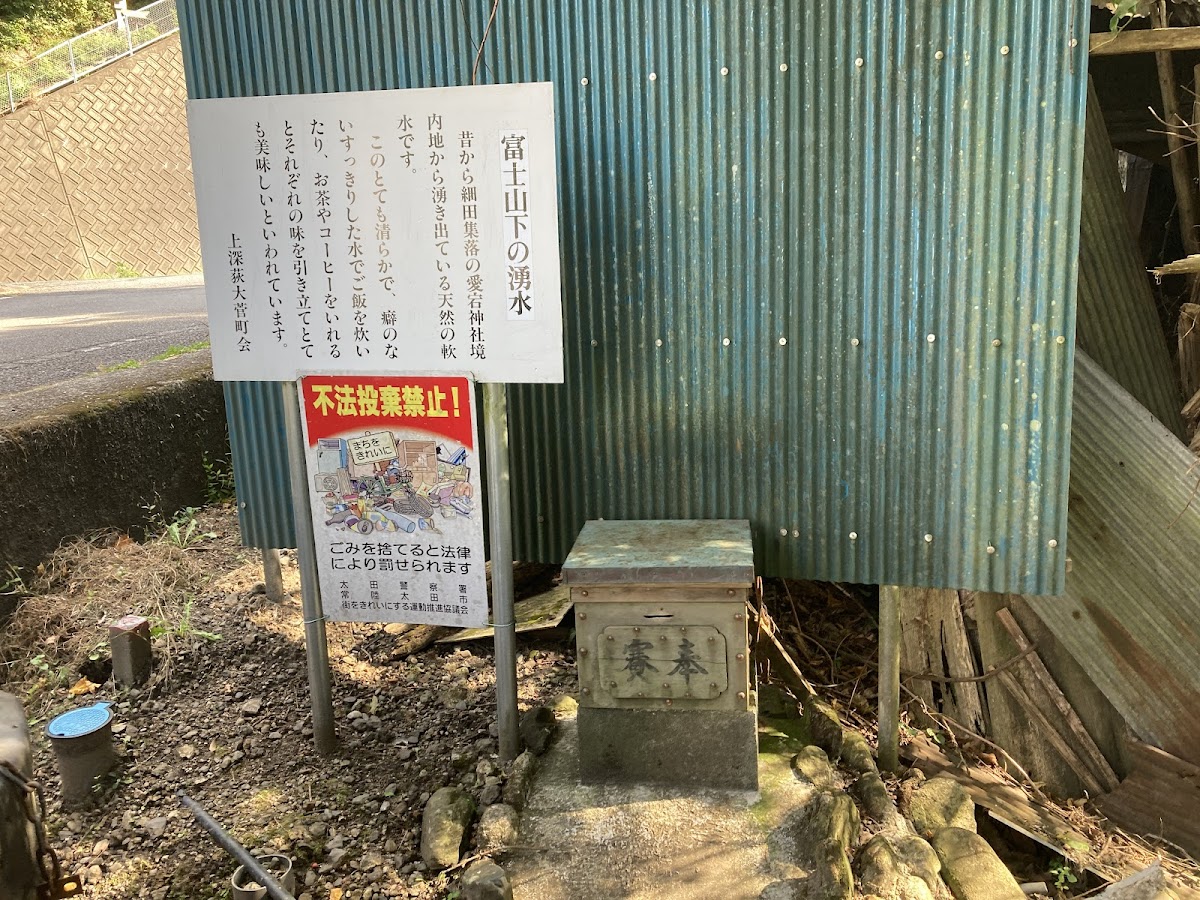
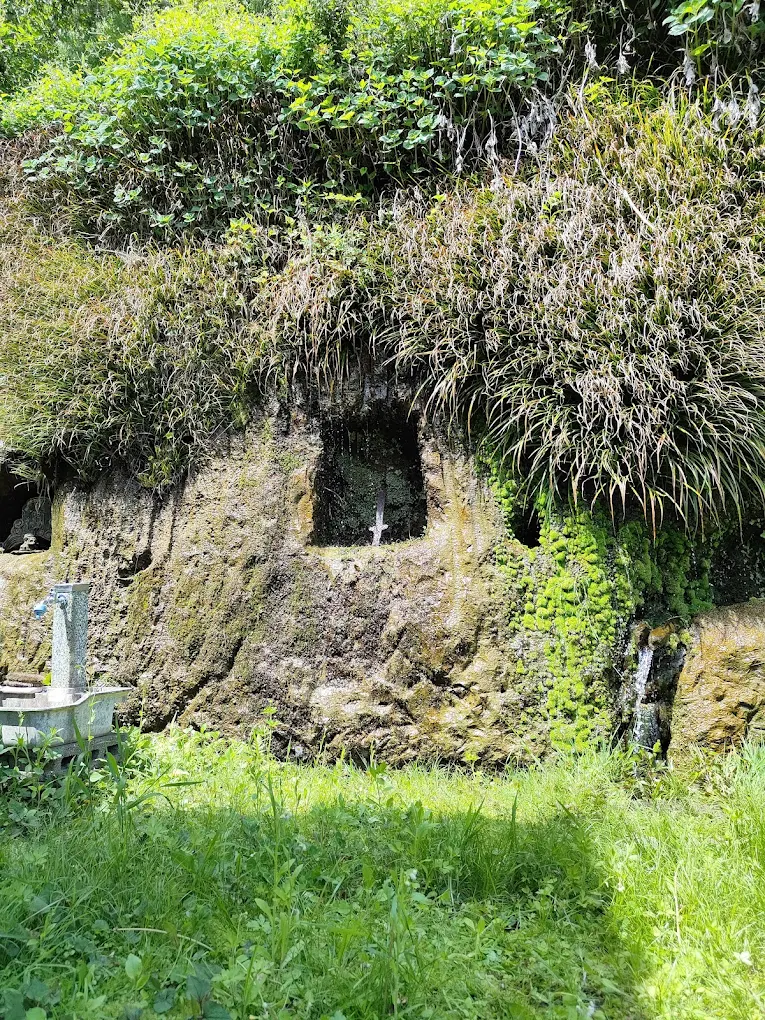
The spring water of the Adzuki Bean Washing Fudo Shrine is a spring water spot located along the Ayukawa River in Higashinarisawa-cho, Hitachi City. This spring water gushes forth from the middle of a cliff in the riverside terrace formed by the Ayukawa River, supplying clear water year-round without drying up.
Characteristics of the Spring Water
The spring water of the Adzuki Bean Washing Fudo Shrine has geologically interesting features. Water naturally gushing from the geological layers of the riverside terrace formed by the Ayukawa River is filtered as it passes through the ground, maintaining clear water quality with few impurities. The water temperature remains relatively stable throughout the year, feeling cold in summer and warm in winter.
The spring water volume fluctuates somewhat depending on the season and rainfall, but maintains a stable water volume and functions as a valuable water resource for the region. The water quality is suitable for drinking, and has a history of being used as daily water by local residents since ancient times.
Geological Background
The area around Hitachi City is located at the southern end of the Abukuma Mountains and has a complex geological structure. The spring water of the Adzuki Bean Washing Fudo Shrine is born from geological layers unique to this region. It exhibits a typical spring water mechanism where water gushes forth from the boundary between highly permeable geological layers and impermeable layers, functioning as part of a natural water circulation system.
History and Legends of Adzuki Bean Washing Fudo Shrine
The Adzuki Bean Washing Fudo Shrine is not merely a spring water spot, but a sacred place with deep history and legends. The “adzuki bean washing” legend that gave it its name is a precious narrative conveying the region’s folk culture to the present day.
Founding and History
The Adzuki Bean Washing Fudo Shrine was founded in Meiteoku 1 (1390). When Sato Umanonosuke, a retainer of the Satake clan who ruled this area at the time, built a mansion in the “adzuki bean washing” area, he enshrined Fudo Myoo in the Narusawa area, which corresponds to the inauspicious direction of the mansion. This is said to be the beginning.
The Fudo Hall, built as a talisman against inauspicious directions, has functioned as the center of regional faith for over 600 years since then. The principal image of Fudo Myoo is devoutly worshipped by local residents as an object of prayer for averting calamities, ensuring household safety, and praying for bountiful harvests.
The Legend of Adzuki Bean Washing
An interesting legend remains connected to the place name “adzuki bean washing” and the name of the shrine. According to tradition, long ago, the sound of adzuki beans being washed in the river could be heard night after night. This mysterious phenomenon was attributed to the work of the supernatural creature “adzuki bean washer” and was feared by local residents.
After Fudo Myoo was enshrined, it is said that this strange occurrence was calmed. Since then, the place has been called “adzuki bean washing,” according to legend. Such folklore is a typical example of water-related belief and yokai legends seen throughout Japan and has become an important element of the region’s cultural identity.
Access to the Spring Water of Adzuki Bean Washing Fudo Shrine
There are several ways to access the spring water of the Adzuki Bean Washing Fudo Shrine. Visitors can access it by both public transportation and private vehicle, but due to the location’s characteristics, access by car is more convenient.
Location
- Address: Higashinarisawa-cho, Hitachi City, Ibaraki Prefecture
- Position: By the Ayukawa River, below the cliff of a riverside terrace
Access by Public Transportation
JR Joban Line’s Hitachi Station or Hitachi Takaga Station are the nearest stations. From the station, you will need to use a route bus or taxi, but bus services are limited, so it is recommended to check the timetable in advance. The distance from the station is approximately 3 to 4 kilometers, and it takes about 40 minutes on foot.
Access by Automobile
It is about 15 minutes from the Hitachi Chuo Interchange of the Joban Expressway. The typical route is to enter a municipal road from Route 6 and proceed along the Ayukawa River. Parking space is limited, so please be considerate of local residents when visiting.
Notes for Visitors
The Adzuki Bean Washing Fudo Shrine is located near a residential area and is within the living space of local residents. Please note the following points when visiting:
- Pray quietly and avoid loud conversation
- Always take garbage with you
- Do not trespass on private property
- If collecting spring water, limit it to the minimum necessary amount
- Be considerate not to disturb local residents
Methods of Using the Spring Water and Water Quality
The spring water of the Adzuki Bean Washing Fudo Shrine has long been used by local residents, but contemporary use requires several precautions.
Water Quality
The water quality of the spring water is generally good, but drinking it is at your own risk. Water quality may change due to environmental changes or land use conditions in upstream areas, requiring attention to the following points:
- Confirm the visual transparency
- Check for any unusual odors
- If possible, boil before drinking
- Refrain from drinking if you have health concerns
Manners for Collecting Water
When collecting spring water, please observe the following manners:
- Use a clean container
- Be considerate not to disturb other users
- Do not dirty the collection area
- Avoid monopolizing the space for long periods
- Refrain from large-scale collection for commercial purposes
Other Famous Waters and Spring Water Spots in Ibaraki Prefecture
In addition to the spring water of the Adzuki Bean Washing Fudo Shrine, many famous waters and spring water spots exist throughout Ibaraki Prefecture. Here we introduce representative spring waters from various regions of the prefecture by area.
Spring Waters in the Northern Region
Northern Ibaraki Prefecture is located at the southern end of the Yamizo and Abukuma Mountains and is an area blessed with abundant spring waters.
Yamizo River Spring Water Group (Daigo Town)
The Yamizo River Spring Water Group, designated as one of the Ministry of the Environment’s “Heisei Famous Waters,” is one of Ibaraki Prefecture’s representative famous water spots. There are multiple spring waters around Mount Yamizo in Daigo Town, each with its own characteristics. In particular, golden water, silver water, and iron water have different water qualities, allowing visitors to enjoy comparing them.
Spring Water at Koshigoe Pass “Derude Beso” (Kitaibaraki City)
The spring water at Koshigoe Pass in Ogata-machi, Kitaibaraki City, is affectionately known as “Derude Beso.” Located along a mountain pass, it was once a valuable water source that quenched the thirst of travelers. It continues to be used by local residents and mountain climbers today.
Spring Waters in Hitachi City
In addition to the spring water of the Adzuki Bean Washing Fudo Shrine, multiple spring water spots are scattered throughout Hitachi City. Along rivers and in mountainous areas within the city, many spring waters caused by riverside terraces and geological structures are found, playing important roles as regional water resources.
Spring Waters in the Central and Kashiro Regions
Important spring waters also exist in the central Ibaraki prefecture and Kashiro regions historically.
Sacred Water at Tokiwa Shrine (Mito City)
Tokiwa Shrine in Mito City has spring water known as sacred water. Located near Kairaku Park, known as the site of Tokugawa Mitsukuni (Mito Komon), it is a spring water of historical value.
Tokugyokusen (Mito City)
Tokugyokusen within Kairaku Park is one of Ibaraki Prefecture’s representative famous springs. Named by Tokugawa Nariaki, this spring is loved by visitors to Kairaku Park and has a history of being used in the tea ceremony.
Spring Waters in the Southern Region
Southern Ibaraki Prefecture features spring waters influenced by the Tsukuba Mountain system. Around Mount Tsukuba, many spring waters that have long been objects of worship exist, and many pilgrims and tourists continue to visit them today.
Spring Waters in the Western Region
While the western region consists mainly of plains, spring waters are visible along riverbanks and at the edges of plateaus. These spring waters are also used for agricultural irrigation and serve as important water sources supporting the region’s agriculture.
Importance of Spring Water Conservation
The spring water of the Adzuki Bean Washing Fudo Shrine and other spring waters throughout Ibaraki Prefecture are valuable natural resources and cultural heritages. Appropriate conservation activities are essential for passing these to future generations.
Challenges Facing Spring Waters
Modern spring waters face various challenges:
- Effects of Urbanization: Decreased groundwater recharge due to land paving
- Water Pollution: Risk of water quality deterioration from domestic wastewater and pesticides
- Excessive Extraction: Water volume decline due to excessive groundwater pumping
- Insufficient Management: Spring water sites falling into disrepair due to lack of cleaning and maintenance
- Declining Awareness: Thinning conservation consciousness due to decreased interest among community residents
Conservation Efforts
To conserve spring waters, cooperation is needed from government, local residents, and visitors:
- Regular Water Quality Testing: Ensuring safety and early detection of environmental changes
- Cleaning Activities: Regular cleaning by local residents and volunteers
- Appropriate Use: Avoiding excessive extraction and practicing sustainable use
- Educational Activities: Environmental education that transmits the value of spring water to the next generation
- Legal Protection: Designation of protected areas for important spring waters and enactment of ordinances
Enjoying Spring Water
When visiting the spring water of the Adzuki Bean Washing Fudo Shrine, a richer experience can be gained by paying attention not only to collecting water but also to the surrounding nature and history.
Scenery in Each Season
The area around the spring water presents a different appearance in each season. In spring, you can enjoy fresh greenery; in summer, the cool sound of water; in autumn, colored leaves; and in winter, the warmth of water gushing forth in a solemn atmosphere. Visiting in each season allows you to experience the passage of nature.
Surrounding Exploration
Walking along the footpath beside the Ayukawa River allows you to fully enjoy Hitachi City’s nature. By observing the topography of the riverside terrace and the flora and fauna along the river, you can deepen your understanding of the ecosystem nurtured by the spring water.
Historical Exploration
Learning about the history and legends of the Adzuki Bean Washing Fudo Shrine makes the visit more meaningful. By researching in advance at regional historical museums and libraries or hearing stories from local people, you can gain deeper understanding.
Spring Water Culture of Ibaraki Prefecture
The spring waters of Ibaraki Prefecture have significance beyond mere water resources. They are deeply connected to the region’s history, culture, and beliefs.
Connection with Belief
Like the Adzuki Bean Washing Fudo Shrine, many spring waters are associated with shrines and temples. Clear water has long been considered sacred and has been used in religious rituals such as purification and water offerings. Spring water sites are often revered as sacred places and have functioned as centers of regional belief.
Connection with Living Culture
Spring water has been closely connected to the lives of local residents. Used for drinking water, cooking, laundry, and agricultural irrigation, it has functioned as a central gathering place for the community. Customs and practices surrounding spring water have become important elements forming the region’s living culture.
Contemporary Value
In modern society, spring water is gaining new value. As urbanization progresses, it is attracting attention as a place for contact with nature and as a power spot for those seeking spiritual healing. Its importance as a site for environmental education is recognized, and it has become a valuable teaching material for considering a sustainable society.
Conclusion
The spring water of the Adzuki Bean Washing Fudo Shrine is a valuable natural resource and historical and cultural heritage of which Hitachi City, Ibaraki Prefecture, can be proud. Clear water gushing from the riverside terrace of the Ayukawa River has supported the lives of local residents for over 600 years and has been revered as an object of belief.
This spring water, colored by the legend of adzuki bean washing, is not merely a place to collect water but an important place conveying the region’s history and culture to the present. When visiting, it is important to show respect for its historical background and the thoughts of local people and use it in accordance with proper manners.
In addition to the spring water of the Adzuki Bean Washing Fudo Shrine, Ibaraki Prefecture has many famous water and spring water spots, such as the Yamizo River Spring Water Group in the north and the sacred water and Tokugyokusen at Tokiwa Shrine in the central region. By visiting these spring waters, you can experience Ibaraki Prefecture’s abundant nature and profound history.
Spring water is a valuable asset inherited from our ancestors. Properly conserving it and passing it on to future generations is a responsibility of those of us living in the present day. We hope that visiting the spring water of the Adzuki Bean Washing Fudo Shrine will be an opportunity to reflect on our gratitude for nature’s blessings and the importance of environmental conservation.