Complete Guide to Goshimizu (Tsuruoka City, Yamagata Prefecture) | Spring Water and Terraced Rice Fields of the Satoyama Landscape
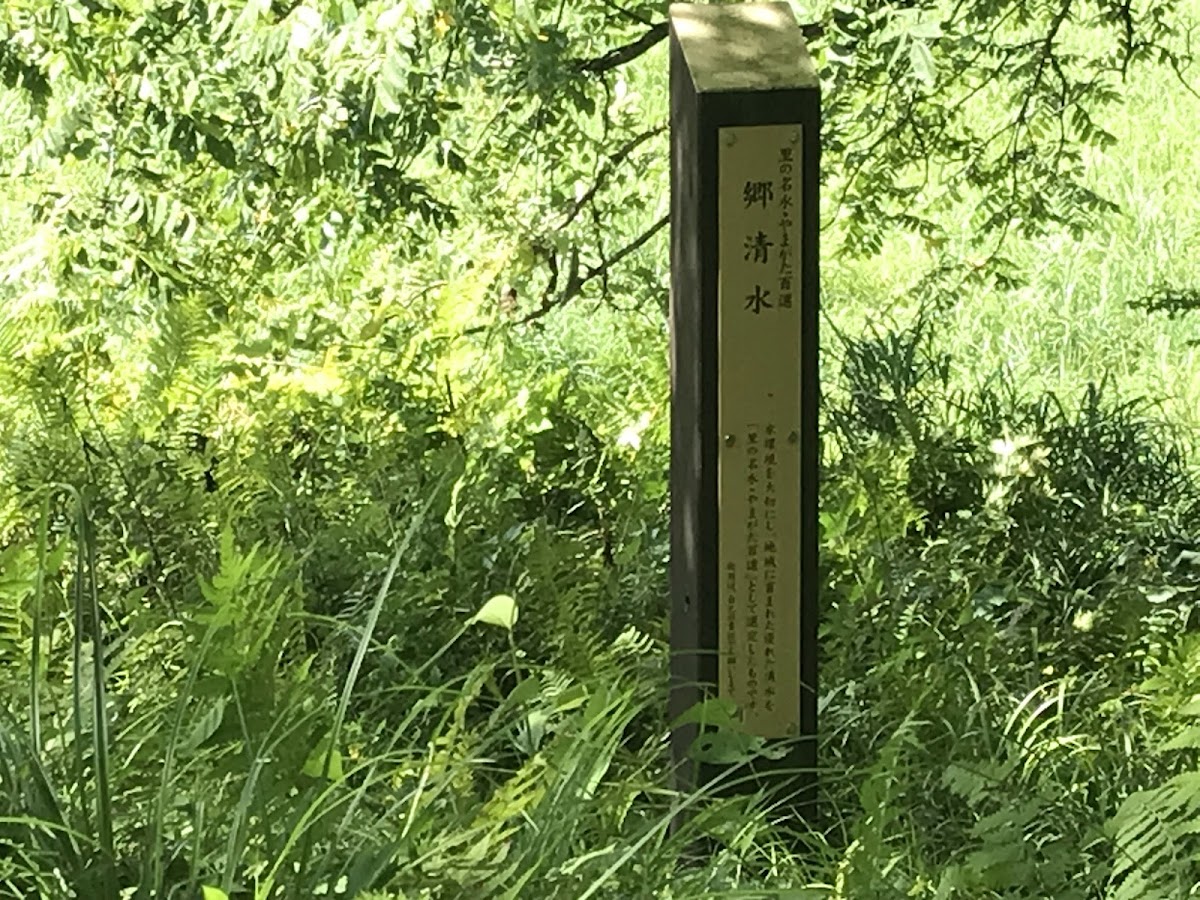
Goshimizu (郷清水), located in the Koshizawa settlement of Tsuruoka City, Yamagata Prefecture, is known as clear spring water flowing from the Mayaren Mountain Range. Positioned at an elevation of approximately 400 meters, it is a famous water designated by the prefecture as part of the “Village Famous Waters: Yamagata Hundred Selections,” and has long nourished the region’s fields and supported the lives of its people. This article provides detailed information about the attractions of Goshimizu, access methods, nearby tourist spots, and regional specialty products utilizing this famous water.
About Goshimizu | Clear Spring Water Nurtured by the Mayaren Mountain Range
Goshimizu is natural spring water flowing from the Koshizawa district of Tsuruoka City. This water, nurtured by the rich nature of the Mayaren Mountain Range, is filtered through the ground over many years and emerges as clear, delicious water.
Characteristics of Goshimizu
The greatest characteristic of Goshimizu lies in its excellent water quality and abundant water volume. Despite being located at an elevation of approximately 400 meters, it maintains stable water volume throughout the year and has become an indispensable source for the region’s agricultural irrigation.
The spring water has high transparency, is cold and refreshing, and has been cherished as drinking water since ancient times. It contains minerals in a well-balanced manner, with a characteristic mellow taste. This high-quality water was evaluated and designated as part of the “Village Famous Waters: Yamagata Hundred Selections” selected by Yamagata Prefecture.
The “Village Famous Waters: Yamagata Hundred Selections”
Yamagata Prefecture selects excellent spring waters and clear water nurtured by local people as the “Village Famous Waters: Yamagata Hundred Selections” and introduces them widely within and outside the prefecture. This selection targets not only waters with good quality but also famous waters deeply connected to regional culture, history, and people’s lives.
Goshimizu is one of the famous waters selected in Tsuruoka City. In the same city, many other famous waters have been selected, including “Akagai Spring,” “Iwashimizu,” “Daishimizu,” and “Gakki Spring.” These famous waters can be said to symbolize the rich natural environment of the Shonai region.
History of Goshimizu and Its Connection to the Community
Goshimizu is more than a water source to the people of Koshizawa settlement. It has been used as living water and agricultural water since ancient times, supporting the region’s livelihood.
Life-giving Water Supporting Agriculture
In the Koshizawa settlement, located at an elevation of 400 meters, securing water was an important agricultural challenge. The abundant spring water of Goshimizu has nourished this region’s fields and made it possible to produce high-quality agricultural products.
Particularly in rice cultivation, the clear water of Goshimizu has played an important role. Rice cultivated with this water is used as a raw material for the locally produced sake “Mayasan” and “Mayahime,” supporting the region’s sake brewing. The cool climate and clear water create an environment suitable for cultivating high-quality sake rice.
Connection to Local Culture
Goshimizu is deeply connected to the life and culture of the Koshizawa settlement. The settlement’s people have carefully preserved this spring water and passed it down to future generations. Conservation activities by local residents, such as cleaning the water source and maintaining surrounding areas, continue.
Such efforts not only maintain water quality but also play a role in preserving regional identity and strengthening community bonds. Goshimizu is a symbol of the history and culture of Koshizawa settlement.
Regional Specialty Products Utilizing Goshimizu
The clear water of Goshimizu is essential for creating regional specialty products. Here we introduce representative specialty products using Goshimizu.
Sake “Mayasan” and “Mayahime”
“Mayasan” and “Mayahime” are sake brewed using sake rice cultivated with Goshimizu water. These Japanese sake are named after the Mayaren Mountain Range and are known as exceptional products that condense the natural blessings of the region.
The soft water characteristics of Goshimizu create a mellow and easy-to-drink sake quality. Local breweries conduct sake production taking advantage of these water characteristics, pursuing a flavor unique to the Shonai region. Be sure to taste these specialty products when visiting the region.
Koshizawa Triangular Buckwheat
“Koshizawa Triangular Buckwheat,” known as a specialty of Koshizawa district, is also cultivated through the blessings of Goshimizu. Triangle buckwheat is characterized by larger grains than general buckwheat and distinctive triangular shapes, as a local variant.
The clear water of Goshimizu and cool climate create an environment suitable for cultivating this rare buckwheat. Triangle buckwheat is fragrant with distinctive flavor and texture, and is highly evaluated among buckwheat connoisseurs. Locally, hand-pulled buckwheat noodles using this triangle buckwheat are served, and buckwheat noodles made with Goshimizu water have an exceptional taste.
Other Agricultural Products
Goshimizu is also used in the cultivation of vegetables and fruit trees besides rice and buckwheat. Agricultural products cultivated with clear water are evaluated as having good taste and high safety. Fresh agricultural products blessed by Goshimizu can be purchased at local farm stands.
The Yamagata Terraced Rice Fields and the Landscape Around Goshimizu
The appeal of visiting Goshimizu is not limited to the famous water itself. The path to reaching Goshimizu is surrounded by beautiful terraced rice field scenery.
Selected as One of Yamagata’s Twenty Terraced Rice Fields
The farmland of Koshizawa settlement has been selected as part of “Yamagata’s Twenty Terraced Rice Fields.” This selection is Yamagata Prefecture’s initiative to select terraced rice fields with excellent landscapes, conveying regional culture and history, and promote their conservation and utilization.
The terraced rice fields of Koshizawa spread in steplike patterns across slopes with elevation differences, conveying the original landscape of the hilly countryside to the present day. In spring, flooded rice paddies reflect the sky like mirrors; in summer, verdant rice sways in the wind; in autumn, golden ripened ears fill the fields. The terraced rice field landscape displays different expressions with each season, captivating visitors.
The Relationship Between Terraced Rice Fields and Goshimizu
These terraced rice fields are sustained precisely by the spring water of Goshimizu. For terraced rice fields positioned at high elevations, water procurement is the most critical issue, yet the abundant water volume of Goshimizu makes it possible to maintain this beautiful terraced landscape.
Water flowing through the rice field waterways is drawn from Goshimizu and skillfully distributed to each paddy field. The water utilization system created through the wisdom and efforts of ancestors continues to function even today.
As a Photography Spot
The terraced rice fields of Koshizawa are also popular among photography enthusiasts. Particularly during the rice-planting season and the pre-harvest golden period, many photographers visit. Terraced rice fields wrapped in morning mist or dyed by the setting sun display different expressions depending on the time of day—a landscape that never tires no matter how many times you visit.
When visiting Goshimizu, be sure to also enjoy the scenic landscape of the surrounding terraced rice fields.
Access to Goshimizu and Basic Information
Here is information on how to access Goshimizu and basic details.
Location
Address: Koshizawa, Tsuruoka City, Yamagata Prefecture
Position: At the foot of the Mayaren Mountain Range, at an elevation of approximately 400 meters
Access Methods
By Car:
- Approximately 40 minutes from “Tsuruoka IC” on the Yamagata Expressway
- Approximately 50 minutes from “Atsumi Onsen IC” on the Japan Sea Tohoku Expressway
- Approximately 30 minutes from Tsuruoka city center via National Route 112
By Public Transportation:
Access by public transportation is limited, so visiting by car is recommended. Renting a car is convenient.
Parking and Facilities
There are small parking spaces around Goshimizu. However, it is necessary to pass through narrow mountain roads, so careful driving is required. Particularly in winter, there is a possibility of snow accumulation and freezing, so it is recommended to confirm the visiting period and weather conditions.
Precautions When Visiting
- Goshimizu is used as living water and agricultural water by the community. When visiting, be considerate so as not to inconvenience local residents.
- Do not pollute the water source or surrounding areas; be sure to take all trash with you.
- Avoid entering private property without permission.
- If consuming the spring water, please do so at your own risk.
- In winter (December to March), access may become difficult due to snow accumulation.
Contact Information
Tsuruoka City Tourism and Products Division
Phone: 0235-25-2111 (Main Number)
It is recommended to confirm the latest information and road conditions before your visit.
Tourist Spots Around Goshimizu
When visiting Goshimizu, consider extending your visit to nearby tourist attractions.
Mayasan and the Mayaren Mountain Range
The Mayaren Mountain Range, the water source of Goshimizu, is also popular as a mountain climbing and hiking spot. From the summit, you can see a panoramic view of the Shonai Plain and the Sea of Japan, and on clear days, Mount Chokai is also visible. The season of fresh greenery and autumn leaves are particularly beautiful, and recommended for nature lovers.
Other Famous Waters in Tsuruoka City
There are many other famous waters scattered throughout Tsuruoka City besides Goshimizu. Those designated as part of the “Village Famous Waters: Yamagata Hundred Selections” include “Akagai Spring,” “Iwashimizu,” “Daishimizu,” “Gakki Spring,” “Kamo Ofudo-sama Spring,” “Kowa Clear Water,” “Jizo Spring,” “Juroroku-emon Spring,” “Nanakubo Jizo Spring,” “Furusato Water Treasure Valley,” and “Yanagi Clear Water.” Creating a famous water tour route is also enjoyable.
Tourist Destinations in the Shonai Region
The Shonai region, which includes Tsuruoka City, has many tourist spots.
- Haguro Mountain: One of the Dewa Sanzan, famous for its National Treasure five-story pagoda and 2,446 stone steps
- Kamo Aquarium: An aquarium world-renowned for its jellyfish exhibits
- Shihoji Temple: An ancient temple known for dragon deity faith
- Chido Museum: A museum conveying the history and culture of the Shonai region
Combining visits to these spots allows you to fully enjoy the charms of the Shonai region.
Hot Spring Areas
By traveling by car from Goshimizu, you can access hot spring areas such as Atsumi Onsen and Yunohama Onsen. Combining a famous water tour with hot springs is also recommended for your travel plan.
Best Season to Visit Goshimizu
Goshimizu can be visited throughout the year, but each season offers different attractions.
Spring (April to June)
As the rice-planting season begins, spring brings water to the terraced rice fields, spreading a beautiful mirror-like landscape. The contrast between verdant mountains and rice paddies is beautiful and ideal for photography. Goshimizu water becomes especially abundant in volume, containing snowmelt water.
Summer (July to August)
Summer offers vibrant scenery as verdant rice grows. Because of the high elevation, it is cooler than lowland areas and comfortable as a retreat from heat. The cold water of Goshimizu feels particularly pleasant during hot summer.
Autumn (September to November)
Autumn is one of the most beautiful seasons for the terraced rice fields, as ripened ears turn golden. As the harvest season arrives, the entire region comes alive with activity. The surrounding mountains also turn brilliant with fall foliage, creating a colorful landscape. The season is also ideal for tasting regional specialty products such as new rice and buckwheat.
Winter (December to March)
Winter access becomes difficult due to snow accumulation. However, the landscape of snow-covered terraced rice fields and mountains holds a fantastical beauty unique to winter. If visiting, adequate equipment and prior information confirmation are necessary.
Goshimizu and Sustainable Regional Development
Goshimizu also symbolizes sustainable regional development.
Famous Water Conservation Activities
In Koshizawa settlement, conservation activities by local residents are conducted to pass Goshimizu on to future generations. These include environmental conservation of water sources, maintenance of water channels, and cleaning activities in surrounding areas. These ongoing efforts protect the water quality and volume of the famous water.
Such activities are supported by residents’ pride and sense of responsibility, even as the region faces challenges of aging populations and declining numbers.
Conservation of Terraced Rice Fields and Agricultural Succession
Maintaining terraced rice fields requires tremendous labor. Compared to flat paddy fields, work efficiency is lower, and the region faces risks of agricultural abandonment as aging progresses. However, as high-quality agricultural products grown with Goshimizu water and beautiful landscapes are reappraised as regional resources, conservation efforts continue.
In some areas, collaborations with migrants from urban areas and paddy field owner programs are beginning, exploring new forms of agricultural succession.
Expectations for Ecotourism
Expectations are also rising for ecotourism utilizing regional resources such as Goshimizu and terraced rice fields. Efforts to transmit the region’s charms to visitors while preserving the natural environment and realizing sustainable tourism indicate new possibilities for regional revitalization.
Each visitor is expected to respect the region’s nature and culture and cooperate in their conservation.
Yamagata Prefecture’s Famous Water Culture and Goshimizu
Goshimizu forms part of Yamagata Prefecture’s rich famous water culture as a whole.
Yamagata Prefecture’s Water Environment
Yamagata Prefecture is surrounded by abundant mountains including the Dewa Mountains, the Asahi Range, and the Zao Range. Clear water flowing from these mountains creates famous waters throughout the prefecture. The “Village Famous Waters: Yamagata Hundred Selections” designates 100 locations of famous water throughout the prefecture, each deeply connected to regional history and culture.
Famous Water and Food Culture
Yamagata Prefecture’s food culture is closely related to famous waters. In foods where water quality determines taste, such as Japanese sake, buckwheat, rice, and tofu, Yamagata Prefecture receives high nationwide evaluation. Goshimizu is also an important existence supporting regional food culture through sake and triangle buckwheat.
Water Quality Surveys and Safety
Yamagata Prefecture conducts regular water quality surveys of famous waters designated as part of the “Village Famous Waters: Yamagata Hundred Selections.” This scientifically determines water quality of famous waters, confirms safety, and considers the necessity of conservation.
When visitors consume spring water, it is recommended to confirm the latest water quality information and make judgments at one’s own responsibility.
Manners and Etiquette When Visiting Goshimizu
When visiting Goshimizu, please observe the following manners and etiquette.
Consideration for Local Residents
- Goshimizu is not a tourist facility but living water and agricultural water for the community.
- View quietly so as not to interfere with residents’ lives or agricultural work.
- Do not enter private property without permission.
- When parking, be careful not to block farm roads or work roads.
Cooperation in Environmental Conservation
- Always take trash with you.
- Do not pollute the water source or surrounding areas.
- Do not collect or damage plants and animals.
- Avoid entering water source areas unnecessarily to preserve the environment.
Safety Management
- Mountain and farm roads are narrow, with places where passing is difficult. Drive with full attention.
- Road conditions change with weather and season. Confirm information beforehand.
- If consuming spring water, please do so at your own responsibility.
- Some areas are slippery, so wear appropriate footwear.
Conclusion | What Goshimizu Conveys About Yamagata’s Nature and Culture
Goshimizu is clear spring water blessed by the Mayaren Mountain Range and one of Yamagata Prefecture’s representative famous waters, designated as part of the “Village Famous Waters: Yamagata Hundred Selections.” Despite being located at an elevation of approximately 400 meters, it boasts abundant water volume and has long nourished Koshizawa settlement’s fields, supporting people’s lives.
This famous water is essential in producing regional specialty products such as sake “Mayasan” and “Mayahime” and Koshizawa triangular buckwheat, supporting regional food culture. The path to reaching Goshimizu also spreads beautiful terraced rice fields selected as part of “Yamagata’s Twenty Terraced Rice Fields,” conveying the original landscape of the hilly countryside to the present.
Visiting Goshimizu is not simply viewing famous water but a valuable experience of touching Yamagata Prefecture’s rich nature, cultivated agricultural culture, and local people’s lives. When visiting, please be considerate of the community, observe proper manners, and strive to help pass this precious resource to future generations.
When visiting the Shonai region, be sure to visit Goshimizu and enjoy the blessings of the Mayaren Mountain Range and the beautiful scenery of Koshizawa settlement. The sound of clear water, the vista of terraced rice fields, and the warmth of the community are sure to become cherished memories.