Monzencho Yusui no Sato (Akita Prefecture) Complete Guide|Access, Highlights, and Surrounding Tourist Information
Akita Prefecture’s lush nature nurtures “Monzencho Yusui no Sato,” a hidden gem known for its clear spring water and beautiful landscape. This article provides detailed information about the charm of Monzencho Yusui no Sato, how to access it, surrounding tourist spots, and practical information useful for your visit.
What is Monzencho Yusui no Sato?
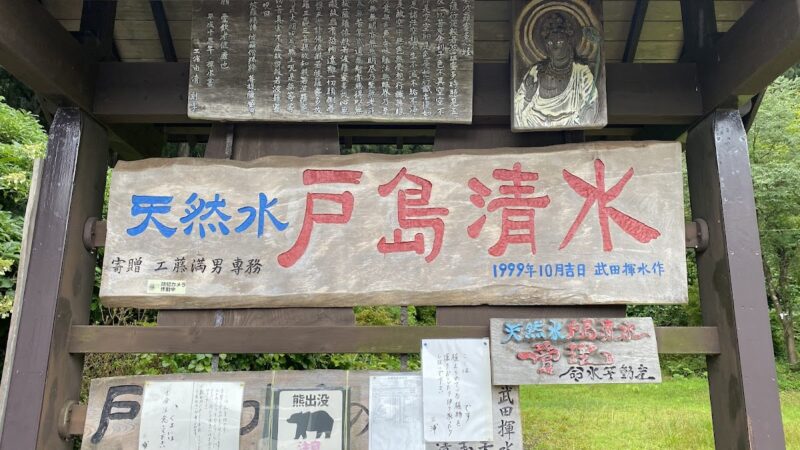
Monzencho Yusui no Sato is a spring water spot located within Akita Prefecture, cherished as a precious water resource for the region since ancient times. This spring water wells up from deep underground as clear water, and serves not only as drinking water for local residents but also as a peaceful retreat offering healing and tranquility to visitors.
Characteristics and Water Quality of the Spring
The spring water of Monzencho is characterized by its high transparency and coolness. It maintains stable water temperatures throughout the year, feeling cold in summer and relatively warm in winter. This spring water is formed as rain and snow that fall on surrounding mountains pass through geological layers over many years, being naturally filtered.
It is a soft water containing moderate amounts of minerals, characterized by a mild taste. Locals have used this water as drinking water since ancient times, and its deliciousness and safety have been passed down through generations.
History and Cultural Background
The name “Monzencho” is thought to derive from a town that once formed at the gateway of temples and shrines in this area. Spring water has long been treated as sacred, deeply connected to the region’s faith and daily life.
From the Edo period through the Meiji period, this spring water played an important role in regional development. It served as agricultural water and drinking water to support people’s livelihoods, and sometimes was a precious water source to quench the thirst of travelers.
Access to Monzencho Yusui no Sato
Access by Car
Car access is the most convenient way to reach Monzencho Yusui no Sato. Here is how to access from major cities in Akita Prefecture.
Access from Akita City
- Using the Akita Expressway, it takes approximately 30 to 60 minutes from the nearest interchange via general roads (varies depending on specific location)
- When using a car navigation system, set “Monzencho Yusui no Sato” or nearby major facilities as your destination
Parking areas are typically provided near the spring water site and are usually free. However, crowding is possible during tourist seasons and weekends, so visiting during earlier hours is recommended.
Access by Public Transportation
When using public transportation, access is typically by foot or taxi from the nearest railway station or bus stop. Since the public transportation network in Akita Prefecture has fewer services compared to urban areas, it is important to check the timetable in advance and plan your visit carefully.
Recommended Access Methods
- Use route buses from JR Akita Station
- Get off at the nearest bus stop, then proceed by foot or taxi
- Consider renting a car
Notes on Access
- During winter (December to March), there is a possibility of snow accumulation and icy road surfaces, making studless tires or chains essential
- In mountainous or rural areas, mobile phone signals may be weak, so it is reassuring to download maps beforehand
- Some areas have few gas stations or convenience stores, so it is wise to refuel and shop before departing
Highlights of Monzencho Yusui no Sato
Spring Water Spots
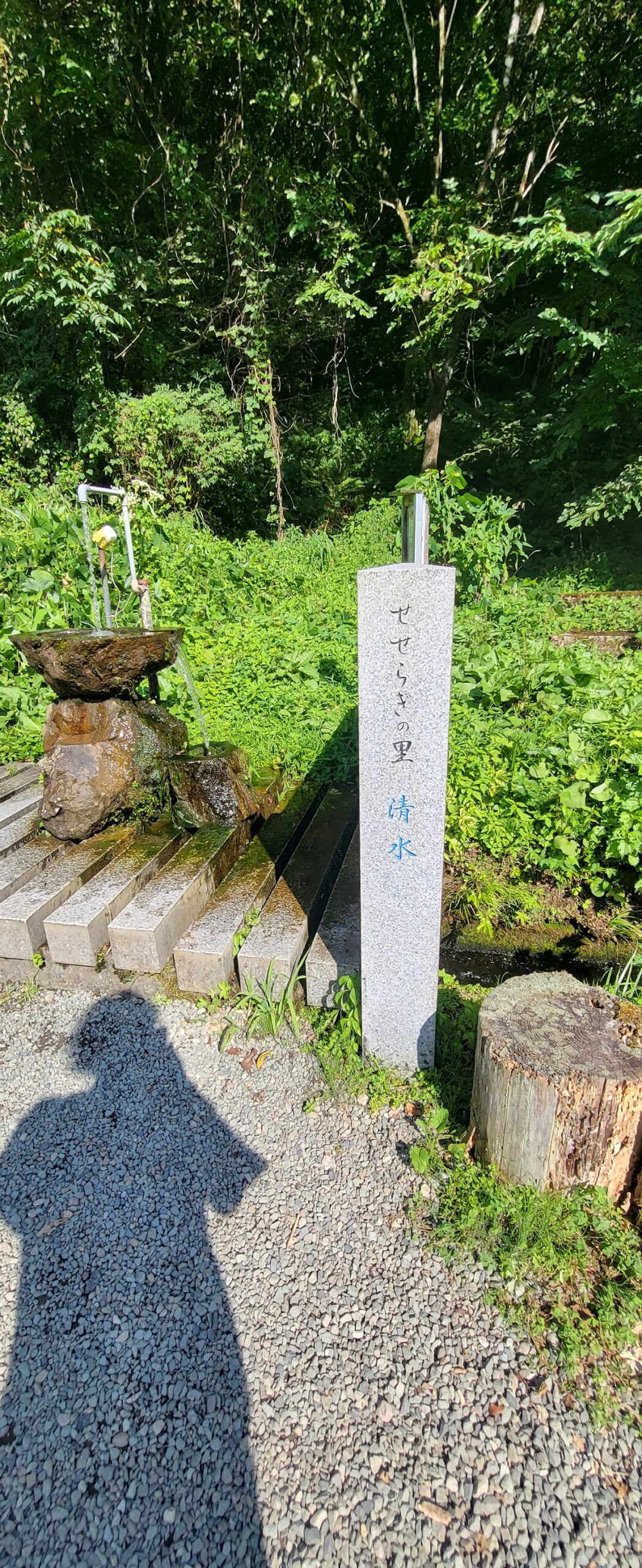
At the heart of the spring water site is, of course, the flowing clear water itself. The spring outlet is well-maintained, allowing visitors to freely draw water. The crystal-clear water, visible to the bottom, has a refreshing clarity that soothes the soul.
Around the spring water, aquatic plants and moss thrive, forming a rich natural environment. From spring through autumn, the greenery is beautiful, and particularly during the new green season or autumn foliage period, you can enjoy exceptional scenery.
Water Drawing Areas and Facilities
Many spring water spots are equipped with designated areas where visitors can draw water. Not only local residents but also people from distant places visit to collect water.
Etiquette for Drawing Water
- Bring your own container (plastic bottles or water tanks)
- Avoid prolonged use to consider other visitors
- Keep the area around the water drawing point clean and always take trash with you
- Value the spring water and avoid waste
Surrounding Natural Environment
The area surrounding Yusui no Sato is filled with Akita’s abundant nature. Forest bathing trails and seasonal flower paths are sometimes developed.
Spring (March to May)
- Fresh greenery sprouting as snow melts
- Opening of alpine flowers
- A pleasant season when bird songs can be heard
Summer (June to August)
- A cool space enveloped in deep green
- The season when cold spring water is especially pleasant
- Perfect as a summer retreat
Autumn (September to November)
- Beautiful autumn foliage scenery
- Contrast between autumn’s pristine air and clear water
- Time to enjoy autumn delicacies
Winter (December to February)
- Fantastical spring water surrounded by snow landscape
- The mysterious sight of spring water that does not freeze
- A special atmosphere enveloped in silence
Tourist Spots Around Monzencho Yusui no Sato
Named Water Spots in Akita Prefecture
When you visit Monzencho Yusui no Sato, why not explore other named water spots in Akita Prefecture? Blessed with abundant nature, Akita Prefecture has clear spring water and named water scattered throughout various locations.
Rokugō Spring Water Group (Misato Town)
One of the most famous spring water spots in Akita Prefecture, selected as one of “Japan’s Top 100 Spring Waters of the Heisei Period.” There are over 60 springs, each with its own name.
Chikarami (Semboku City)
Clear water that wells up around Lake Tazawa, known since ancient times as sacred water. It is also popular as a power spot.
Nearby Hot Spring Facilities
Akita Prefecture is also known as a hot spring country, with many hot spring facilities around Monzencho Yusui no Sato. After your soul is healed by the spring water, warming your body in a hot spring is also recommended.
Akita hot springs have diverse mineral compositions, and many offer “beautiful skin hot springs” with expected beauty benefits. Many facilities allow day-use bathing, so you can easily stop by during your sightseeing.
Historical Buildings and Cultural Facilities
Akita Prefecture has abundant historical buildings and cultural facilities. Samurai residences, historic streets, and traditional festivals are scattered throughout, where you can feel Japan’s history and culture.
Kakunodate Samurai Residences
Called the “Little Kyoto of Michinoku,” Kakunodate preserves beautiful rows of samurai residences from the Edo period. Particularly during cherry blossom season, the town is crowded with visitors.
Akita Civic Folkcraft Arts Transmission Hall (Neburinagashikan)
A facility where you can learn about Akita’s traditional festivals and folk arts. You can also watch demonstrations of the Tanabata Neburi Festival.
Enjoying Local Cuisine at Monzencho Yusui no Sato
Cuisine Using Spring Water
Clear spring water significantly enhances the taste of dishes. Around Monzencho, visitors can enjoy various dishes and cuisine made with this spring water.
Coffee and Tea Brewed with Spring Water
Local cafes and rest areas sometimes serve coffee and tea brewed with spring water. The water’s quality is directly reflected in the beverage’s taste, offering a mellow, deep flavor.
Spring Water Tofu
In some areas of Akita Prefecture, tofu made with spring water has become a specialty. It is characterized by the natural sweetness of soybeans and a smooth texture.
Akita Regional Dishes
When visiting Monzencho Yusui no Sato, be sure to enjoy Akita’s regional cuisine.
Kiritanpo
An iconic Akita regional dish made by mashing cooked rice and wrapping it around cedar sticks to grill. It is typically eaten as a hot pot dish.
Inaniwa Udon
Hand-drawn noodles made in the Inaniwa region of southern Akita Prefecture, counted as one of Japan’s three major udon varieties. Characterized by thin, smooth noodles.
Shottsuru Nabe
A hot pot dish made with “shottsuru,” a fish sauce made from hatahata fish. Loved as Akita’s winter flavor.
Iburi Gakko
A traditional Akita pickled vegetable made by smoking radish before pickling. Characterized by a distinctive smoky aroma and crispy texture, perfect as an accompaniment to alcohol.
Local Agricultural Products and Specialties
Akita Prefecture is famous as a rice-producing region, growing delicious rice such as “Akitakomachi.” It also produces abundant seasonal agricultural products including apples, grapes, wild vegetables, and mushrooms.
At roadside stations and farmers’ markets, you can purchase fresh vegetables, fruits, and processed goods produced locally. They make excellent souvenirs.
Practical Information for Visiting Monzencho Yusui no Sato
Convenient Items to Bring
Here are useful items to bring when visiting Monzencho Yusui no Sato.
Containers for Water Collection
- Plastic bottles (multiple 2-liter bottles)
- Water tanks (10 to 20 liters)
- Collapsible water containers
Other Belongings
- Towels (for drying spilled water or hands)
- Plastic bags (for wet items)
- Insect repellent spray (summer)
- Hat and sunscreen (summer)
- Warm clothing (winter)
- Camera (to record beautiful scenery)
Manners and Precautions When Visiting
The spring water site is a precious community resource used by many people. Follow these manners and enjoy your visit comfortably.
Basic Etiquette
- Always take trash with you
- Be careful not to pollute the spring water
- Speak quietly and enjoy the peaceful atmosphere
- Do not trespass on private property
- Park in designated areas
- Show consideration for other users
Notes When Drawing Water
- Clean containers beforehand
- Avoid prolonged use
- Do not waste water
- Avoid touching the spring outlet directly with containers
Safety Precautions
Regarding Drinking
Drinking spring water is at your own risk. Generally, spring water can be consumed raw, but if concerned, boiling before consumption is recommended. Particular caution is needed for those with compromised immunity, young children, and the elderly.
Precautions in Natural Environments
- Wear comfortable shoes as some areas are slippery
- Be cautious of bees and gadflies during summer
- Check weather forecasts as conditions can change suddenly
- Exercise great care on icy roads and snow-covered areas during winter
Optimal Visiting Periods
Monzencho Yusui no Sato can be visited year-round, but each season offers different attractions.
Recommended Times
- Spring (April to May): Beautiful fresh greenery and mild climate
- Early Summer (June): Deep green foliage and particularly cold water
- Autumn (October to November): Beautiful autumn colors and clear air
Times to Avoid
- Deep Winter (January to February): Heavy snowfall may make access difficult
- Rainy Season (Late June to July): Frequent rain may worsen ground conditions
Environmental Conservation Activities at Monzencho Yusui no Sato
Community Efforts
Various conservation activities are being conducted by local residents and government to maintain the beautiful environment of Monzencho Yusui no Sato.
Cleaning Activities
Regular cleaning activities are conducted by local residents and volunteers. Trash collection around the spring water, grass cutting, and facility maintenance are performed to keep the area pleasant for visitors.
Water Quality Surveys
The spring water’s quality is periodically surveyed to confirm safety and purity. This ensures visitors can use the water with confidence.
What Visitors Can Do
Each visitor’s mindfulness contributes to the environmental conservation of the spring water site.
What You Can Do
- Take trash with you and leave nothing behind
- Be careful not to pollute the spring water
- Respect the natural environment and do not pick plants
- Follow local rules and manners
- Share the charm of Yusui no Sato on social media and promote proper usage methods
Accommodation Facilities Around Monzencho Yusui no Sato
Nearby Lodging Options
Consider staying in the surrounding area to slowly enjoy Monzencho Yusui no Sato.
Hot Spring Inns
Many hot spring inns in Akita Prefecture offer cuisine using local ingredients along with hot spring bathing. Dishes using brand ingredients such as Akita beef and Hinai chicken are exceptional.
Business Hotels
Major urban areas have numerous reasonably priced business hotels. Convenient as a sightseeing base.
Minshuku and Pensions
Homey minshuku and pensions offer opportunities to interact with local people. Local information and hidden gem recommendations may be shared.
Campgrounds
For those wishing to immerse themselves in nature, camping is recommended. Akita Prefecture has many well-equipped campgrounds.
Reservation Tips
- Early reservations are necessary during tourist seasons (Golden Week, summer vacation, autumn foliage season)
- Particularly crowded during events like the Akita Tanabata Festival (August), making reservations several months in advance advisable
- During winter, those unfamiliar with snowy roads should choose accommodations near stations
Model Courses Combining Akita Sightseeing
1-Night, 2-Day Course
Day 1
- Morning: Arrive at Akita Station, depart with rental car
- Noon: Water collection experience and hiking at Monzencho Yusui no Sato
- Afternoon: Tour surrounding tourist spots
- Evening: Check in to hot spring inn
- Night: Enjoy Akita regional cuisine
Day 2
- Morning: Breakfast, then visit nearby tourist attractions
- Noon: Enjoy Inaniwa udon and other local cuisine
- Afternoon: Shop for souvenirs, return to Akita Station
2-Night, 3-Day Course
Day 1
- Akita City sightseeing (Senriu Park, Akita Civic Folkcraft Arts Transmission Hall, etc.)
- Stay in Akita City
Day 2
- Visit Monzencho Yusui no Sato
- Tour surrounding named water spots
- Stay at hot spring area
Day 3
- Explore Kakunodate samurai residences
- Visit Lake Tazawa
- Return to Akita Station
Further Exploring Akita Prefecture’s Charm
Akita’s Four Seasons
Akita Prefecture has distinct seasons, each with unique charm.
Spring in Akita
Many cherry blossom viewing spots exist, with Kakunodate cherry blossoms and Senriu Park particularly famous. As snow melts, wild vegetable season begins, with butterbur sprouts and Japanese angelica adorning tables.
Summer in Akita
The Akita Tanabata Festival, held in August, is one of Tohoku’s three major festivals, drawing many visitors. It is also an ideal season for outdoor activities like swimming and mountain climbing.
Autumn in Akita
The beauty of autumn foliage is exceptional, with spots like Lake Towada and Kakaeri Gorge particularly popular. It is also new rice season, when Akita’s delicious rice can be savored.
Winter in Akita
Known as a heavy snowfall region, winter sports like skiing and snowboarding are popular. Winter events like Yokote’s Kamakura Festival are held.
Akita’s Traditional Culture
Akita Dogs
The Akita dog, known from the loyal dog Hachiko, is a Japanese dog breed native to Akita Prefecture. The Akita Dog Village in Odate offers facilities to learn about Akita dogs.
Namahage
A traditional practice of the Oga Peninsula, registered as a UNESCO Intangible Cultural Heritage. On New Year’s Eve, namahage visit each home to admonish the lazy.
Magewappa
Traditional craft using Akita cedar, famous for lunch boxes. Characterized by wood fragrance and beautiful grain patterns, popular as souvenirs.
Conclusion: Enjoy Akita’s Nature at Monzencho Yusui no Sato
Monzencho Yusui no Sato is a precious water resource nurtured by Akita Prefecture’s abundant nature and a cherished retreat by local people. It is filled with charm worth visiting, including clear spring water, beautiful natural surroundings, nearby tourist spots, and delicious cuisine.
When visiting the spring water site, remember environmental consideration and proper manners, and use this precious resource carefully. Additionally, by touring other named water spots and attractions throughout Akita Prefecture beyond Monzencho Yusui no Sato, you can deepen your understanding of Akita’s charm.
Monzencho Yusui no Sato, displaying different faces with each season. Why not visit and be healed by its clear spring water and beautiful nature? The abundant nature and culture of Akita, along with encounters with warm people, will surely become wonderful memories.
When planning your next Akita trip, be sure to add Monzencho Yusui no Sato to your visiting list. The sound of clear water, beautiful greenery, and pristine air will help you forget daily hustle and bustle, refreshing both mind and body. It is certain to provide an experience you will treasure.