
Mitarai (Akita Prefecture) Complete Guide: History, Tourism, and Access Information Summary
What is Mitarai?
Mitarai (御手洗) is a place name that exists within Akita Prefecture, known as a name derived from the temizuya (hand-washing basin) of shrines and temples, and as a location with a significant historical background to the region. The place name “Mitarai” is a term related to purification rituals in Shintoism, and while similar place names exist throughout Japan, Mitarai in Akita Prefecture is an important region with its own unique history and culture.
Origin of the Mitarai Place Name
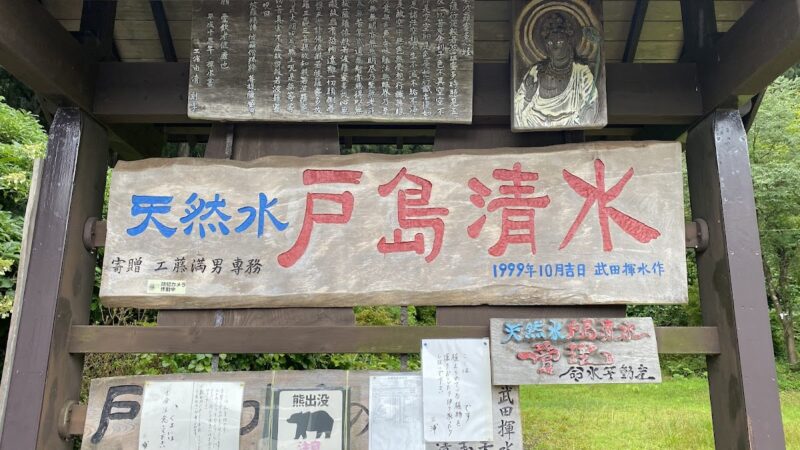
The place name “Mitarai” generally derives from the “temizuya” (hand-washing basin) or “Mitarai Pond,” places where hands and mouths are purified before visiting shrines. The Mitarai region in Akita Prefecture has long been recognized as a sacred place and developed as the center of faith for local residents.
It is believed that people have gathered at this location as a place where clean water springs forth, and settlements formed in the surrounding areas. Water is the source of life and an essential resource for agriculture, so the Mitarai region with its high-quality water sources became an important hub.
History of Mitarai in Akita Prefecture
Mitarai from Ancient to Medieval Times
The history of the Mitarai region in Akita Prefecture is ancient, and its name appears in historical records from the Heian through Kamakura periods. During that time, this region was part of the Dewa Province (出羽国), and while under the control of the central government, it cultivated its own regional culture.
In medieval times, local feudal lords and samurai clans governed this area, and by constructing shrines and temples, Mitarai developed as a religious hub. In particular, places where clean water springs forth were considered sacred, and historical records indicate that they were used as places of training for Shugendo (mountain ascetic practices).
Development in the Early Modern Period
With the arrival of the Edo period under the rule of the Akita Domain, agricultural and forestry activities flourished in the Mitarai region. Rice cultivation utilizing abundant water resources sustained the livelihood of the local people.
Additionally, if the location was situated along a major route, it also functioned as a post town, becoming an important traffic hub where travelers and merchants passed through. Many of the shrines and temples built during this period are preserved today as cultural assets of the region.
Changes Since the Modern Era
After the Meiji Restoration, the Mitarai region experienced significant changes as the wave of modernization swept across it. The opening of railways and road improvements enhanced transportation convenience, activating exchanges with areas outside the region.
During the Showa period, mechanization of agriculture and shifts in industrial structure gradually transformed traditional rural society, yet the region’s traditional culture and festivals have been carefully passed down to the present day.
Geography and Natural Environment of Mitarai
Geographic Features
The Mitarai region in Akita Prefecture is located in a place surrounded by abundant nature. The area is characterized by forests surrounding the region and clear streams flowing through it. This terrain has provided high-quality water sources since ancient times, utilized for agriculture and daily life.
Depending on the region’s elevation and topography, visitors can enjoy beautiful scenery in each of the four seasons. The fresh green of spring, deep green of summer, autumn foliage, and snowy landscapes of winter continuously captivate those who visit.
Climate and Nature
Akita Prefecture is located in the Japan Sea side climate zone and is known for being a heavy snowfall area during winter. The Mitarai region is no exception, covered in deep snow during winter. This snowmelt becomes an abundant water resource, supporting agriculture from spring through summer.
Summer has a relatively cool and comfortable climate, offering appeal as a summer retreat destination. In autumn, beautiful autumn colors can be seen, making it an ideal season for nature walks.
Tourist Spots and Points of Interest in Mitarai
Shrines and Temples
Historical shrines and temples are scattered throughout the Mitarai region. These religious facilities serve as centers of faith for the region, and often possess valuable cultural assets.
When visiting, one can experience the practice of purifying hands and mouth at the hand-washing basin in the temple grounds. Particularly at places where clean water springs forth, which gave rise to the name Mitarai, visitors can experience the clarity of this water.
Natural Scenery
The natural scenery surrounding Mitarai is worth visiting throughout all four seasons. Cherry blossoms and alpine flowers bloom in spring, while summer offers forest bathing in lush greenery. During the autumn foliage season, mountains take on vivid colors, making it a popular spot among photography enthusiasts.
Winter snow scenery creates a fantastical world wrapped in silence, where visitors can enjoy winter sports such as snowshoeing and skiing.
Regional Cultural Facilities
Museums and local history halls that allow visitors to learn about regional history and culture may be established. These facilities display Mitarai’s history, traditional crafts, and folk materials, allowing for deeper understanding of the region.
Traditional Culture and Festivals of Mitarai
Annual Events and Festivals
Traditional annual events and festivals passed down through the ages continue to be carefully preserved in the Mitarai region. Spring prayers for good harvests, summer festivals, autumn harvest thanksgiving festivals, and other seasonal events strengthen the bonds of the local community.
At these festivals, traditional kagura performances and dances are dedicated, being transmitted as intangible cultural assets of the region. When visiting, confirming the schedule of these events in advance makes deeper cultural experiences possible.
Traditional Crafts and Local Products
Akita Prefecture is known as a region of thriving traditional crafts, with various craft products being made around the Mitarai area. Woodcraft products, bamboo work, and ceramics—warm products made by craftspeople’s hands—are popular as souvenirs.
Local agricultural products and processed goods are also known as specialty products. Rice grown with clean water and vegetables, miso and soy sauce made using traditional methods in the region, are exquisite items to taste when visiting.
Access Methods to Mitarai
Access by Public Transportation
When visiting the Mitarai region in Akita Prefecture using public transportation, first head to the nearest major station by Akita Shinkansen or conventional trains. Akita Station is the prefecture’s largest terminal station, from which access to various locations is possible.
From major stations, one can reach the Mitarai region using route buses or community buses. However, since bus frequency may be limited, it is recommended to check the timetable in advance.
Access by Car
When using a car, the Akita Expressway is convenient. From the nearest interchange, one can access the Mitarai region via general roads. When entering the destination on a navigation system, inputting a specific facility name or address will provide accurate guidance.
During winter, there is a risk of snow accumulation and icy road conditions, making the installation of studless tires and preparation of winter equipment essential. Additionally, roads may be closed depending on weather conditions, so it is important to check the latest road information before departing.
Rental Car Usage
When visiting areas where public transportation is inconvenient, rental car usage is convenient. Multiple rental car companies are located around Akita Airport and Akita Station, and advance reservations are possible.
A rental car that allows free movement within the region is particularly effective when wishing to visit multiple tourist spots efficiently. However, extra caution is necessary when driving during winter.
Accommodations Around Mitarai
Hot Spring Inns and Hotels
Akita Prefecture is famous as a hot spring destination, and hot spring inns and hotels are scattered around the Mitarai area. The hot springs in the region are said to have skin-beautifying and fatigue-recovery effects, making them ideal for soothing the tiredness of sightseeing.
At inns, one can taste local cuisine prepared with local ingredients, experiencing Akita’s food culture. Must-try dishes include kiritanpo, Hinai chicken, and inaniwa udon, all unique to Akita.
Minshuku and Guesthouses
For those wishing to enjoy interaction with local people, the use of minshuku (family-run inns) and guesthouses is recommended. In a homey atmosphere, one can touch the region’s life and culture.
Accommodation fees are relatively reasonable, making them suitable for extended stays. The ability to learn tourist information and hidden gem spots from locals is a major attraction of staying at minshuku.
Activities to Enjoy in Mitarai
Nature Experiences
Activities that take advantage of the abundant natural surroundings of Mitarai are abundant. Forest bathing, hiking, and birdwatching allow visitors to interact with nature.
By participating in guided tours led by local guides, one can enjoy nature safely while hearing detailed explanations about plants and wildlife. Nature, which shows different faces with each season, offers new discoveries no matter how many times one visits.
Agricultural Experiences
Regions with thriving agriculture may offer agricultural experience programs such as rice planting, harvesting, and vegetable picking. Through agricultural work that cannot be experienced in urban areas, one can learn the importance of food and agriculture.
Cooking experiences using harvested agricultural products and craft-making experiences using local ingredients are also popular activities.
Cultural Experiences
Programs offering experiences in traditional crafts and local cuisine are well-developed. Under the guidance of craftspeople, visitors can take on authentic craft-making such as pottery, woodworking, and indigo dyeing.
Additionally, deeper cultural understanding can be gained by participating in regional festivals and events.
Food Culture of Mitarai
Local Cuisine
Akita Prefecture’s local dishes contain the wisdom of surviving harsh winters, with abundant preserved foods and fermented foods. Visitors to the Mitarai region can taste these traditional dishes.
Kiritanpo hotpot is an iconic local dish of Akita, in which cooked rice is mashed and wrapped around a stick and grilled, then simmered in Hinai chicken broth. It is enjoyed as a winter dish for warming the body during cold seasons.
Local Ingredients
Agricultural products produced around the Mitarai area are of high quality, grown with clean water and rich soil. Rice in particular is a major industry in Akita Prefecture, with branded rice such as “Akitakomachi” being famous nationwide.
Wild vegetables and mushrooms are abundant, allowing visitors to enjoy mountain vegetable picking in spring and mushroom foraging in autumn. Dishes using these seasonal ingredients offer a luxurious experience of savoring seasonal flavors.
Sake and Local Spirits
Akita Prefecture is also famous as a sake production region, with numerous locally brewed sakes made using high-quality water and rice. Around the Mitarai area as well, local breweries produce sake using traditional methods, with facilities offering brewery tours and tastings.
By enjoying local sake paired with regional cuisine, visitors can experience Akita’s food culture more deeply.
Precautions When Visiting Mitarai
Seasonal Preparations
Akita Prefecture has distinct seasonal changes, with necessary preparations varying by season. Summer is relatively comfortable, though insect repellent measures are needed. Autumn has cool mornings and evenings, so bringing a jacket is recommended.
Winter requires special attention, with warm clothing, waterproof shoes, gloves, and hats being essential equipment. One must be cautious of slipping on snowy roads and choose non-slip footwear.
Manners and Consideration
When visiting shrines and temples, observe proper etiquette. It is good to learn the basic procedures in advance, such as how to use the hand-washing basin and how to bow at the prayer hall.
When visiting areas within residents’ living spaces, move quietly and avoid trespassing on private land. When taking photographs, if people appear in images, obtain permission, showing consideration for privacy.
Emergency Contact Information
In preparation for accidents or health issues, it is recommended to check emergency contact information for medical facilities, police, and fire departments in the region in advance. Since cellular signals may not reach mountainous areas, it is important to inform family or acquaintances of your action plan beforehand.
The Four Seasons of Mitarai
Spring in Mitarai
Spring is a season when new life buds forth with snowmelt. Cherry blossoms bloom slightly later than in other parts of Honshu, with peak bloom occurring from late April through early May. Visitors can enjoy cherry blossom viewing at cherry tree-lined paths and shrine grounds.
It is also the season for wild vegetables, allowing visitors to enjoy spring flavors such as butterbur sprouts, fatsia shoots, and ostrich ferns. Fresh wild vegetables are sold at local markets and direct sales outlets.
Summer in Mitarai
Summer is a season when lush green nature attracts tourists seeking coolness. Visitors can enjoy river play in clear streams and forest bathing. Summer festivals are held, offering traditional performances and fireworks displays.
While daytime temperatures can become warm, mornings and evenings are cool and comfortable. Many visitors from urban areas come seeking a summer retreat.
Autumn in Mitarai
Autumn is a season of beautiful autumn foliage, with mountains taking on breathtaking red and yellow hues. From mid-October through early November is the peak season for viewing autumn colors. People flock to enjoy autumn leaf viewing through drives and hikes.
It is also harvest season, with new rice and fresh vegetables and fruits abundant. It is an excellent time to savor autumn flavors.
Winter in Mitarai
Winter covers the region in deep snow, creating a fantastical world wrapped in silence. Snowy landscapes are beautiful, offering a unique charm of winter. Winter sports such as skiing, snowboarding, and snowshoeing are popular.
Enjoying snow-viewing baths while warming the body in hot springs is a delight of winter. Additionally, visitors can experience warming both heart and body with winter local dishes and hot pot cuisine.
Future and Community Revitalization of Mitarai
Tourism Promotion Initiatives
The Mitarai region is engaged in tourism promotion efforts utilizing regional resources. Conservation and utilization of historic buildings, preservation of natural environments, and transmission of traditional culture—sustainable tourism development is being advanced.
Through promotion of ecotourism and green tourism, efforts are being made to stimulate the regional economy while considering environmental conservation.
Community Activities
Local residents are taking the lead in developing community-building and regional revitalization activities. Transmission of traditional events, development of regional brands, and promotion of relocation are among various initiatives underway.
Increased participation of younger generations is helping to advance new community development that blends tradition and innovation.
Sustainable Development
While facing challenges of population decline and aging, the Mitarai region aims for sustainable development utilizing its unique charm. The sixth industrialization of agriculture, utilization of renewable energy, and information dissemination using ICT are among the forward-looking initiatives underway.
Through exchanges between visitors and local residents, building relationships where both learn and grow together is considered important.
Conclusion
The Mitarai region in Akita Prefecture is a charming area with abundant nature, deep history, and unique culture. As a place where sacred water springs forth, it has long been the focus of faith and has supported people’s livelihoods.
With beautiful scenery in each season, traditional festivals, local cuisine, and hot springs, there are numerous elements that captivate visitors. It is accessible by public transportation or car, enjoyable for both day trips and overnight stays.
Local residents preserve traditions while taking on new challenges, advancing sustainable community development. When visiting, it is important to respect the region’s culture and nature, and enjoy it while observing proper etiquette.
Visiting Mitarai offers encounters with beautiful nature reminiscent of Japan’s original landscape and warm people. Departing from the hustle and bustle of cities, heart and body can be refreshed. Please visit Mitarai, where such experiences await.