Complete Guide to Monzencho Yusui no Sato (Oga City, Akita Prefecture)|Charm of Japan’s Top 100 Waters and Tourist Information
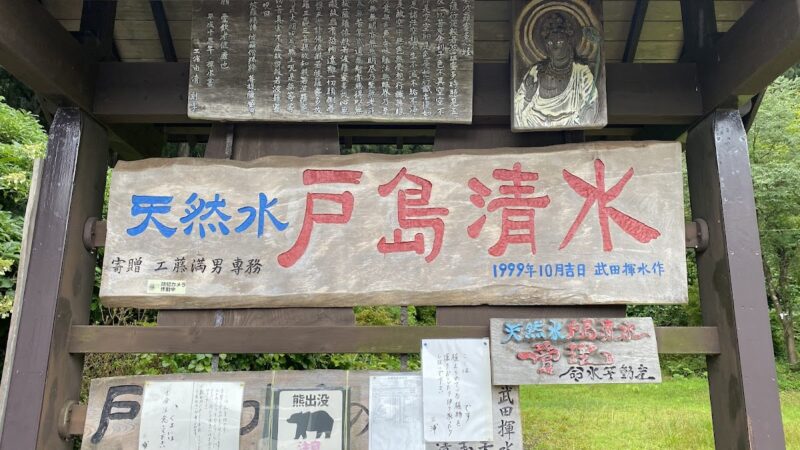
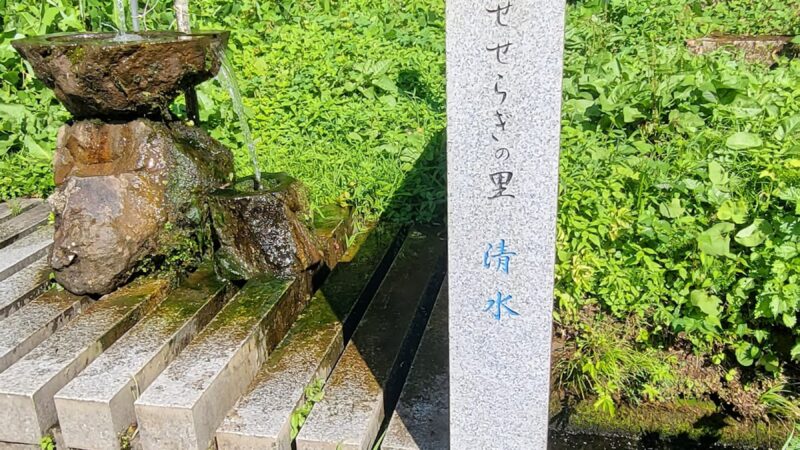
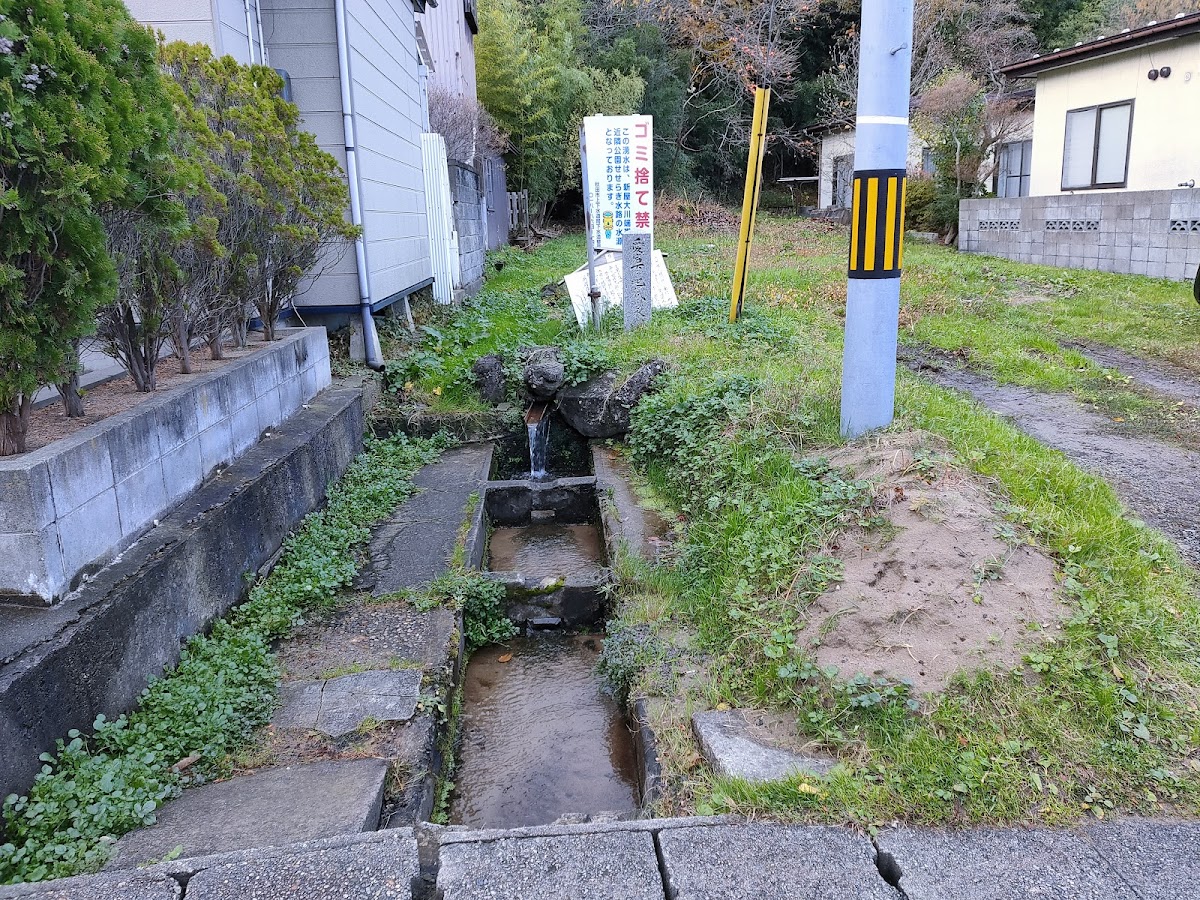
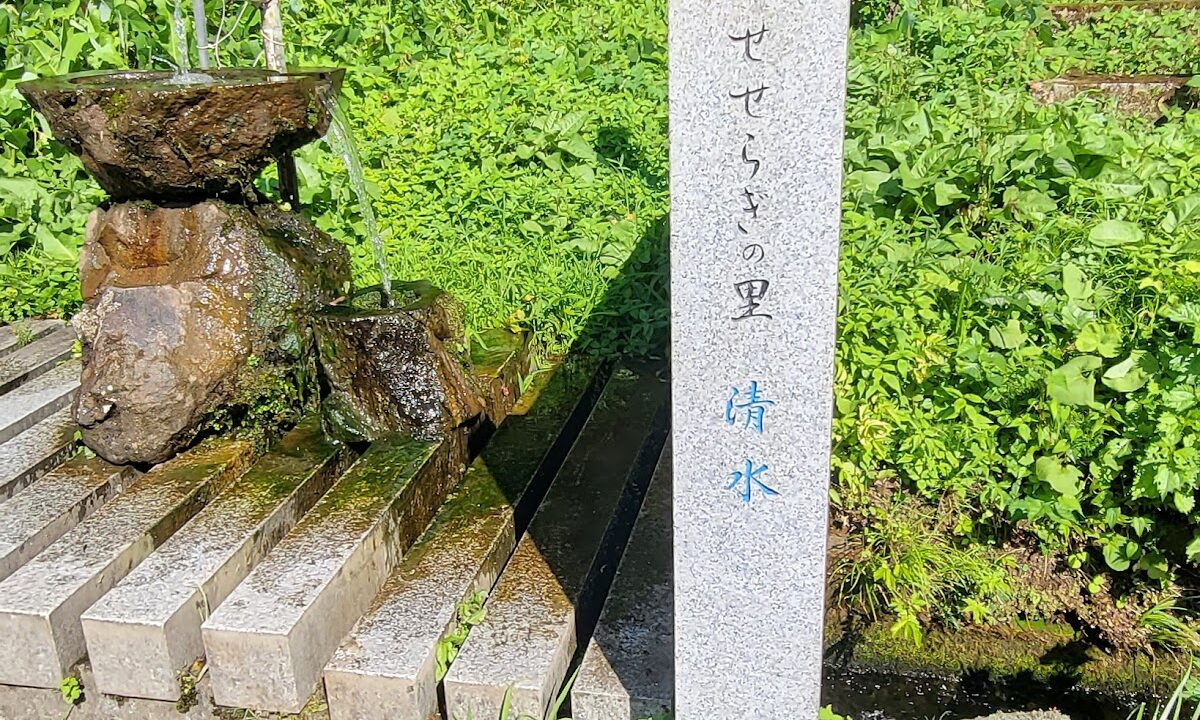
“Monzencho Yusui no Sato” in Oga City, Akita Prefecture is a natural spot where clear spring water flows abundantly, beloved by local residents and tourists alike. Selected as one of Japan’s Top 100 Waters of the Heisei Era, this spring water has long supported the region’s livelihood, and many people still visit to draw water from it today.
This article provides detailed information about the history and characteristics of Monzencho Yusui no Sato, how to access it, and nearby tourist attractions—everything you should know before visiting.
What is Monzencho Yusui no Sato?
Monzencho Yusui no Sato is a spring water spot located in the Monzen district of Oga City, Akita Prefecture. This area flourished as a temple town in front of Mayama Shrine and is blessed with abundant natural surroundings, known since ancient times for its clear, flowing water.
Characteristics of the Spring Water
The spring water of Monzen flows from rainwater that has permeated the mountains of the Oga Peninsula and, over long years, has been filtered through geological layers, emerging as clear water at the surface. The water temperature remains stable year-round at around 10 degrees Celsius, feeling cold in summer and relatively warm in winter.
This spring water is soft water containing appropriate amounts of minerals such as calcium and magnesium, making it suitable not only for drinking but also for cooking and brewing tea. Local residents have utilized this water as household water since ancient times.
Selection as One of Japan’s Top 100 Waters of the Heisei Era
In 2008 (Heisei 20), it was designated as one of the “Top 100 Waters of the Heisei Era” by the Ministry of the Environment. This selection was made in recognition not only of the water’s quality but also of preservation activities by local residents and community development efforts utilizing the water.
Following its selection as one of Japan’s Top 100 Waters, Monzencho Yusui no Sato gained national recognition, attracting visitors from throughout the prefecture and beyond.
History and Cultural Background of Monzencho Yusui no Sato
Relationship with Mayama Shrine
The place name “Monzen-cho” (temple town) originates from its development as a temple town in front of Mayama Shrine. Mayama Shrine is one of the representative shrines of the Oga Peninsula and has long flourished as a center of mountain worship.
It is said that pilgrims and ascetics purified themselves with this clear spring water before heading to the sacred mountain. The spring water was cherished not merely as household water but as sacred water deeply connected with faith.
Spring Water Supporting Local Life
From the Edo period through the Meiji, Taisho, and Showa eras, the spring water of Monzen-cho was indispensable to local residents’ lives. It was used not only as drinking water but also for washing vegetables and rice, and in summer for chilling food—serving numerous purposes.
Even in the modern era with established water systems, many local residents still visit to draw from this spring water, preserving traditional water usage culture.
Water Quality and Composition of the Spring Water
Water Quality Test Results
The water of Monzencho Yusui no Sato undergoes regular water quality tests, maintaining good water quality suitable for drinking. No harmful substances such as coliform bacteria have been detected, and pH values indicate near-neutral readings.
Mineral Components
The main mineral components contained in the spring water are as follows:
- Calcium: An important mineral for maintaining bone and tooth health
- Magnesium: Assists enzyme function and participates in energy metabolism
- Sodium: Necessary for adjusting body fluid balance
- Potassium: Helps with blood pressure regulation and maintaining muscle function
With these minerals balanced appropriately, the water has a mild and easy-to-drink taste.
Access and Basic Information
Location
Address: Yuno no Shio, Monzen, Kitaura, Oga City, Akita Prefecture
Access by Car
- From Akita City: Approximately 60 minutes via National Route 101
- From “Showa Oga Peninsula IC” on the Akita Expressway: Approximately 40 minutes
- From Oga Station: Approximately 15 minutes by car
The spring water site has a parking area available for free use. However, as space is limited, caution is needed during peak times.
Access by Public Transportation
When using public transportation, JR Oga Line’s “Oga Station” is the nearest station. From the station, it takes approximately 15 minutes by taxi or is convenient by rental car.
Route buses also operate, but as their frequency is limited, it is recommended to check the timetable in advance.
Hours of Operation and Fees
- Hours of use: 24 hours (though nighttime use is not recommended for safety reasons)
- Fee: Free
- Closed days: None
How to Draw Water and Etiquette
Items to Bring
When drawing spring water, prepare the following:
- Clean containers: Use food-grade containers such as plastic bottles or water jugs
- Towel: For wiping up water splashes
- Work gloves: Prevents containers from slipping
- Cooler box: To maintain water temperature when carrying it home (especially recommended in summer)
Water Drawing Etiquette
As this is a public spring water spot used by many people, please observe the following etiquette:
- Respect turns: Show consideration and take turns during crowded times
- Avoid monopolizing for long periods: Consider other users
- Take all trash with you: For environmental conservation, always take trash home
- Don’t contaminate the spring outlet: Avoid letting containers directly contact the spring outlet
- Be careful not to wet surroundings: If water splashes, be considerate and wipe it up
Storage Method and Precautions
It is recommended to refrigerate the drawn spring water as soon as possible and use it within 2-3 days. As natural spring water contains no chlorine or other sterilizing agents, it is not suitable for long-term storage.
Especially in summer, water temperature tends to rise easily. Use a cooler box when transporting it home, and place it in the refrigerator immediately upon arrival.
Surrounding Tourist Attractions
When visiting Monzencho Yusui no Sato, why not also visit nearby tourist attractions?
Mayama Shrine
Located approximately 5 minutes by car from the spring water site, Mayama Shrine is a shrine that has long been the center of faith as a sacred mountain representing the Oga Peninsula. The grounds feature giant cedar trees hundreds of years old, creating a sacred atmosphere.
Particularly famous is the “Namahage Saidou Matsuri” (Namahage Bonfire Festival) held during winter, attracting many tourists from across the country.
Namahage Museum
A facility where you can learn about “Namahage,” the traditional culture of the Oga Peninsula. Displays feature namahage masks from various regions, with detailed explanations of namahage history and customs.
There is also a popular corner where visitors can wear namahage costumes and take commemorative photos, especially appealing to families.
Oga Aquarium GAO
An aquarium located near the tip of the Oga Peninsula, mainly displaying creatures from Akita Prefecture’s sea. Particularly popular is the polar bear exhibit, where you can see dynamic swimming up close.
The location overlooking the Sea of Japan is also one of its attractions.
Nyuodozaki
A scenic spot located at the northwestern tip of the Oga Peninsula, featuring dramatic sea cliffs protruding into the Sea of Japan. The Nyuodozaki Lighthouse, characterized by its distinctive black and white striped pattern, is an iconic symbol of the Oga Peninsula.
On clear days, the sunset sinking over the horizon offers spectacular views, attracting many photography enthusiasts.
Kanpu-zan
Kanpu-zan, with an elevation of 355 meters, is a volcano located near the center of the Oga Peninsula. From the observation deck at the summit, you can see the entire Oga Peninsula in a 360-degree view, and on clear days, you can see Mount Chokai and the Shirakami Mountains.
You can drive to the summit, which also has a rotating observation deck, allowing you to easily enjoy spectacular scenery.
Seasonal Attractions
Spring (March-May)
As snow melts, the volume of spring water increases. New green foliage sprouts on the surrounding mountains, allowing you to enjoy spring water drawing in the fresh air.
The cherry blossoms at Mayama Shrine are also worth seeing, and you can enjoy both water drawing and flower viewing together.
Summer (June-August)
Summer is when the cold spring water feels particularly pleasant. With water temperatures around 10 degrees Celsius, the spring water feels wonderfully cold on hot days, refreshing visitors.
The surrounding greenery becomes lush, offering forest bathing experiences rich in negative ions.
Autumn (September-November)
A beautiful season when the mountains of the Oga Peninsula are painted in autumn colors. The area around the spring water site is surrounded by colored trees, allowing you to draw water while experiencing autumn’s atmosphere.
With clear air, the water’s transparency appears even more striking.
Winter (December-February)
The snow-covered spring water site in winter is enveloped in a fantastical, quiet atmosphere. The spring water continues to flow without freezing, allowing water to be drawn even in winter.
On very cold days, you may see steam rising, offering a mystical scene. However, be careful of icy road conditions.
Community Conservation Activities
Cleaning Activities by Residents
Monzencho Yusui no Sato maintains its beautiful environment through regular cleaning activities by local residents. Approximately monthly, local volunteers gather to pick up trash and cut grass around the spring water area.
Such steady efforts were part of the reason for its selection as one of Japan’s Top 100 Waters.
Water Quality Conservation Efforts
To protect the spring water’s quality, surrounding areas implement environmentally conscious practices such as reducing use of agricultural chemicals and chemical fertilizers.
Additionally, regular water quality tests are conducted to confirm safety. Test results are published on the city’s website and other platforms, ensuring transparent management.
Requests of Visitors
Visitors to the spring water site are also asked to cooperate in environmental conservation:
- Always take trash with you
- Don’t contaminate the area around the spring outlet
- Turn off car engines while parked (no idling)
- Avoid making noise
- Don’t pick plants
By observing these courtesies, we can preserve beautiful spring water for future generations.
Cooking with Spring Water and Recommended Uses
As Drinking Water
Monzen’s spring water is delicious even as is, but tastes even better when chilled in a refrigerator. Being soft water, it is mild and easy to drink, making it ideal as daily drinking water.
Tea and Coffee
Soft water is suitable for brewing Japanese tea, as it fully brings out the flavor components of the tea leaves. Whether green tea, hojicha, or genmaicha, all teas can be brewed deliciously.
Coffee brewed with spring water also becomes milder in flavor, allowing you to fully enjoy the inherent taste of the beans.
Cooking Rice
Using spring water when cooking rice produces fluffy, delicious results. Akita Prefecture is famous as a rice-producing region, and using quality water further enhances its deliciousness.
Making Broth
Basic Japanese cooking broths become refined in flavor when made with spring water. The umami components of kombu and bonito flakes dissolve easily, producing clear broth without off-flavors.
Washing and Boiling Vegetables
Spring water is also useful when washing or boiling vegetables. Leafy vegetables in particular maintain their crisp texture when washed with spring water.
Points to Note When Visiting
Safety
- Slippery surfaces: The area around the spring water is often wet and slippery. Especially in winter, there is danger of icing, so watch your footing carefully.
- Avoid nighttime visits: Lighting is limited, making nighttime visits dangerous. Visiting during daylight hours is recommended.
- Supervise children: If bringing small children, always have a parent accompany them.
Weather Effects
- After heavy rain: The water may temporarily become cloudy after heavy rain. It is recommended to draw water after the cloudiness clears.
- Winter season: Heavy snow and road icing may make access difficult. Winter tires are essential.
Parking
Parking space is limited, so wait times may occur during busy periods. Parking lots are especially crowded on weekend mornings, so consider visiting with extra time or during weekdays.
Local Specialties and Cuisine of Oga City
When visiting the spring water site, why not also enjoy the local specialties and cuisine of Oga City?
Stone-Grilled Dishes
Stone-grilling is a traditional dish of the Oga Peninsula, where grilled hot stones are thrown into a fish and seafood broth in a wooden tub for rapid heating. The piping hot broth and fresh seafood flavors are exquisite.
Shottsuru Nabe
A hot pot dish using “shottsuru,” a fish sauce made from atka mackerel. It is enjoyed as a representative winter flavor of Akita.
Atka Mackerel
The prefectural fish of Akita Prefecture, atka mackerel is a representative winter delicacy. It can be enjoyed in various preparations including sashimi, grilled, and simmered dishes.
Oga Shottsuru Yakisoba
Popular as a B-class local dish, this noodle dish is characterized by its unique flavor using shottsuru.
Frequently Asked Questions
Is it really safe to drink the spring water?
Regular water quality tests ensure the water maintains quality suitable for drinking. However, as natural spring water, it may not suit everyone’s body or constitution. When drinking for the first time, it is recommended to try a small amount first. Additionally, for infants, elderly people, or those with weakened immunity, it is safer to boil it before use.
Is a reservation needed to draw spring water?
No reservation is necessary. You can freely draw water during operating hours (effectively 24 hours). However, during crowded times, waits may occur.
How much water can I draw?
There is no specific limit, but as this is public spring water used by many people, please use it within reasonable amounts. If drawing large quantities, please be considerate of other users.
Can I bring pets?
Pets are welcome, but keep them away from the spring outlet, and be sure to dispose of any waste. Be considerate of other users.
Does the same amount of water flow year-round?
Though there are slight seasonal variations, water flows steadily throughout the year. Water volume tends to increase during spring snowmelt and rainy season periods.
Conclusion
Monzencho Yusui no Sato represents the natural blessings of which Oga City, Akita Prefecture is proud. The clear spring water, selected as one of Japan’s Top 100 Waters of the Heisei Era, has long supported the lives of local residents and continues to be cherished by many today.
This area, which flourished as a temple town in front of Mayama Shrine, offers not only spring water but also abundant surrounding attractions that can be enjoyed over a full day. From namahage culture to the magnificent nature of the Oga Peninsula and fresh seafood, Oga City offers unique attractions.
By observing proper etiquette when drawing water and cooperating in environmental conservation, we can pass this precious natural resource to future generations. Why not visit the spring water site, carefully guarded by local people, and experience gratitude for the blessings of clear water?
When visiting Akita Prefecture, be sure to stop by Monzencho Yusui no Sato and experience the delicious water of Japan’s Top 100 Waters firsthand. It will surely move you with its clarity and delicious taste.