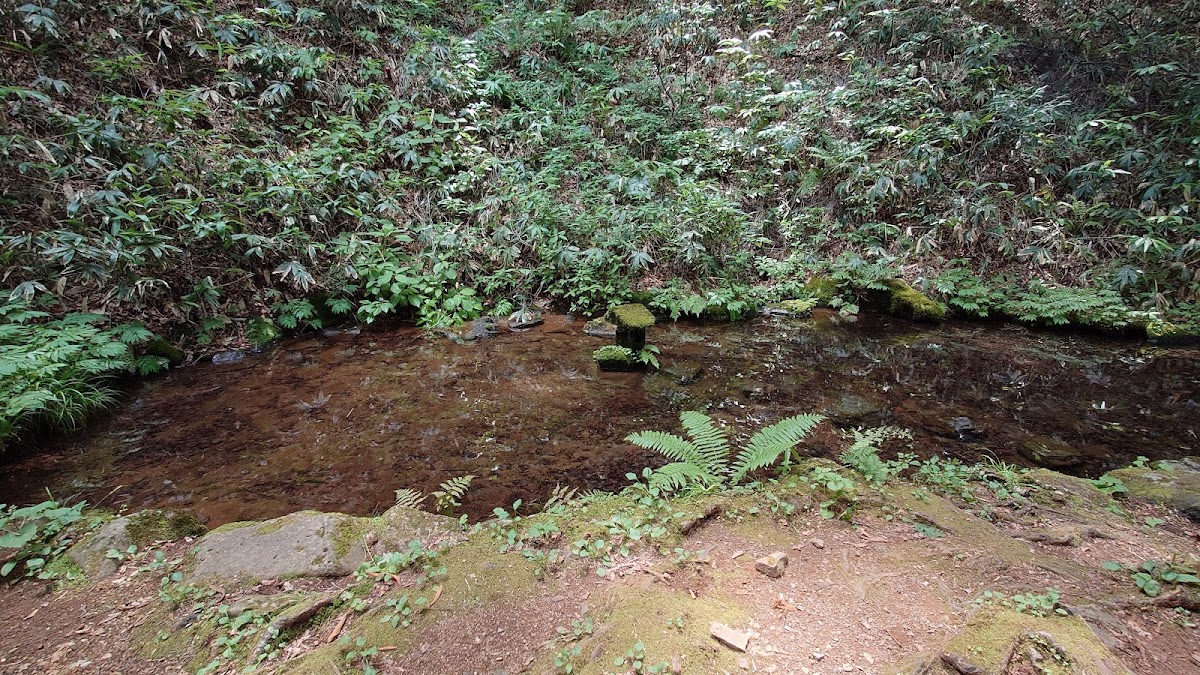
Otane Pond (Nagano Prefecture) | Thorough Explanation of the Mysterious Spring Water and History of Faith within Hijiri Daimon Shrine
Otane Pond (Otaneike), located in Ooka, Nagano City, Nagano Prefecture, is a mysterious spring water pond that stands quietly within the grounds of Hijiri Daimon Shrine (Hijiri Daijinja). Known as one of “Shinshu’s Famous Waters and Secret Waters,” it has long been revered as the source water for irrigation that supports the region’s agriculture. Surrounded by abundant nature designated as a natural monument, this pond continues to captivate many people in modern times.
Basic Information and Characteristics of Otane Pond
Location and Access
Otane Pond is located at 5405 Ooka-hei, Nagano City, Nagano Prefecture, within the grounds of Hijiri Daimon Shrine. As one of the lakes and ponds of the Hijiri Plateau, it exists on a high-altitude mountainside as a secret pond.
Access Methods:
- Approximately 30 minutes by car from “Omi IC” on the Nagano Expressway
- Approximately 20 minutes by taxi from “Hijiri Kogen Station” on the JR Shinano Line
- Approximately 50 minutes from Nagano city center via National Route 19
The pond is located behind the shrine’s main building and is protected by a shrine forest, so its form cannot be confirmed from roads or the sky. One can only see its mysterious appearance by passing through the shrine grounds.
Pond Scale and Water Quality
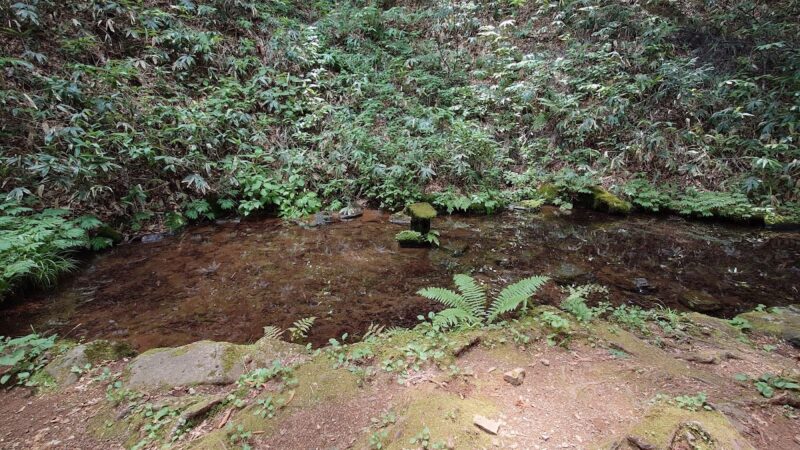
Otane Pond is a small elliptical pond measuring approximately 4m × 8m. The water depth is shallow, around 15-20cm, and is characterized by highly transparent, clear water.
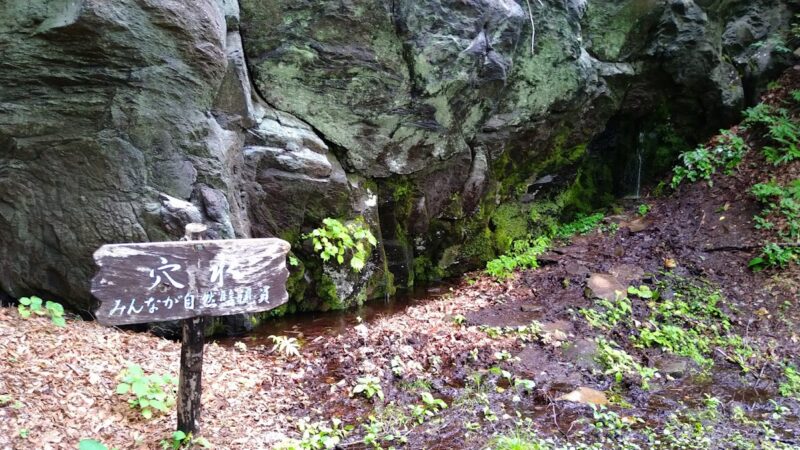
The pond’s water source comes from rainfall that has passed through the surrounding beech forest, becoming groundwater that springs from the pond’s bottom. This spring water never dries up throughout the year and maintains a stable volume. The water that springs forth flows into Hijiri Kawasawa Stream and has been utilized as irrigation water for agriculture in downstream areas.
History and Faith of Otane Pond
Role as Irrigation Seed Water
The name “Otane Pond” (seed water pond) indicates an important role in agriculture. Seed water refers to the water first drawn into seedbeds (nawashiro) during rice planting, carrying ritualistic meaning in praying for good harvests.
Since ancient times, local residents have revered Otane Pond as the source of irrigation water. Particularly during drought years, many people from surrounding areas are said to have visited this pond to perform rain prayers and harvest blessings.
Relationship with Hijiri Daimon Shrine
Otane Pond is located within the sacred grounds of Hijiji Daimon Shrine and is deeply connected to the shrine’s faith. Hijiri Daimon Shrine has long been revered as the guardian deity of the region, and the pond’s water has been treated as sacred.
The shrine forest (shaso) is designated as a scenic site and natural monument of Nagano City along with Otane Pond, protecting the abundant natural environment surrounding the pond. This shrine forest contains a valuable wetland plant community, making it ecologically important.
Local Legends and Traditions
Various legends have been passed down regarding Otane Pond since ancient times. These traditions have been compiled into picture books, and at local middle schools they are performed as plays during cultural festivals, becoming part of the region’s heritage.
Through these efforts, the history and value of Otane Pond are transmitted to younger generations, becoming an important element in forming community identity.
Value as a Natural Monument
Nagano City Designated Natural Monument
The shrine forest of Hijiri Daimon Shrine and its wetland plant community are designated as scenic sites and natural monuments of Nagano City along with Otane Pond. This designation protects the valuable natural landscape formed by the pond and surrounding environment as an integrated whole.
Reasons for Designation:
- Rarity as a spring water pond
- Existence of abundant beech forest and wetland plant community
- Deep connection with regional history and culture
- Well-preserved natural environment
Ecosystem Characteristics
The area surrounding Otane Pond displays vegetation unique to high-altitude mountainous regions. Particularly, the primordial beech forest is a precious presence within Nagano Prefecture.
Wetland plants thrive around the pond, displaying different appearances with each season. Many of these plants are species adapted to the special environment created by spring water, making this location important from a biodiversity perspective.
Recognition as Shinshu’s Famous Water and Secret Water
Selection Criteria for Famous and Secret Waters
Otane Pond is recognized by Nagano Prefecture as one of “Shinshu’s Famous Waters and Secret Waters.” This certification system aims to preserve excellent water environments throughout Nagano Prefecture and widely communicate their value.
Selection Points:
- High water quality
- Historical connection with the region
- State of environmental preservation
- Cultural and scenic value
The water from Otane Pond is currently drawn from above the spring source and is also used as drinking water by surrounding residents. This fact testifies to the high quality of the water.
Comparison with Other Famous Waters
Many famous waters exist throughout Nagano Prefecture, but Otane Pond possesses unique value in the following ways:
- Location within shrine grounds: Water sources connected to faith are rare
- Seed water for irrigation: Deep relationship with agricultural culture
- Mystique as a secret pond: Hidden presence protected by forest
- Natural monument designation: Natural environment is protected as a whole
Current Use of Otane Pond
Use as Drinking Water
Currently, spring water from Otane Pond is used as drinking water by local residents. Clean water can be drawn from water intake facilities installed above the spring source.
Visitors may also draw water, but should do so with respect, remembering that this is shrine grounds.
Value as a Tourism Resource
Otane Pond is not extensively promoted as a tourist destination, but attracts attention as a hidden gem spot known to those interested in its mysterious atmosphere and historical value.
The following types of visitors frequently come:
- People enjoying water tours
- Those interested in history and culture
- Nature photographers
- Power spot pilgrimage enthusiasts
- People researching regional history
Hijiri Plateau’s Lake and Pond System and Otane Pond
Geographic Characteristics of Hijiri Plateau
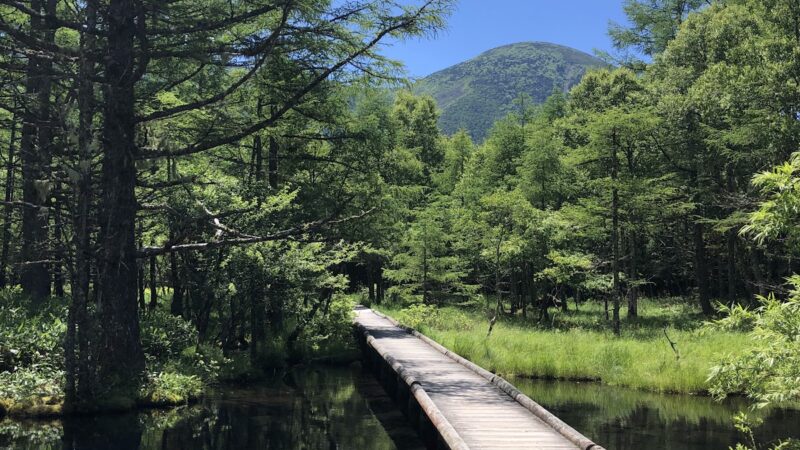
Hijiri Plateau is located in the western part of Nagano City at an elevation of around 1,000m in a highland area. Multiple lakes and ponds are scattered throughout this region, each with its own characteristics.
Major Lakes and Ponds:
- Nakamaki Pond (Nakamakiike)
- Gongen Pond
- Otane Pond
Otane Pond is located at a high elevation second only to Nakamaki Pond and is positioned below the embankment of Gongen Pond. This geographic arrangement creates a mutually related water system while allowing each pond to form an independent ecosystem.
Hydrological Connections of the Lake and Pond System
The Hijiri Plateau’s lake and pond system is part of a complex water network formed on the mountainside. As precipitation and groundwater flow through multiple ponds on their way downstream, each pond nurtures its own water quality and ecosystem.
The spring water of Otane Pond can be understood as part of this wide-reaching water circulation system. The beech forest functions as a natural dam, slowly infiltrating rainwater underground and creating stable spring water.
Precautions and Etiquette for Visiting
Shrine Visitation Etiquette
Since Otane Pond is located within Hijiri Daimon Shrine grounds, observe the following etiquette when visiting:
- Shrine Worship: Pay respects at the main hall before visiting the pond
- Quiet Demeanor: Be mindful that this is a sacred place
- Take Trash with You: Protect the natural environment
- No Collection of Flora and Fauna: Remember the natural monument designation
- Photography: Be considerate of other worshippers
Optimal Visiting Seasons
Otane Pond can be visited year-round, but each season offers different attractions.
Spring (April-May)
- Beautiful fresh green beech forest
- Budding of wetland plants visible
- Abundant water from snowmelt
Summer (June-August)
- Mysterious atmosphere enveloped in deep green
- Thriving wetland plants
- Cool environment ideal for avoiding heat
Autumn (September-November)
- Beautiful beech forest foliage
- High water transparency in clear air
- Fantastical scenery with fallen leaves floating on the pond surface
Winter (December-March)
- Silent world covered in snow
- Access may become difficult
- Check road conditions in advance during winter season
Precautions for Access
Since the location is on the mountainside of Hijiri Plateau, note the following:
- Road Conditions: Risk of snow and ice during winter
- Mobile Phones: Weak signal reception in some areas
- Equipment: Prepare comfortable walking shoes and appropriate clothing
- Time: Plan to descend before sunset
- Parking: Small parking space available near the shrine
Otane Pond and the Local Community
Connections with Local Residents
Otane Pond is not merely a tourist spot but deeply connected to the lives of local residents. It continues to be carefully preserved by the community, with regular cleaning and environmental conservation activities conducted.
For residents of the former Ooka Village (currently merged into Nagano City), Otane Pond is a place symbolizing community identity and a cultural heritage passed down across generations.
Application in Educational Activities
Local schools utilize Otane Pond as teaching material for environmental education and regional studies. Children visit the pond and learn about local nature and history through water quality surveys and biological observations.
As mentioned earlier, legends surrounding Otane Pond have been made into picture books and are performed as plays at middle school cultural festivals, serving as a tool for transmitting regional culture.
Nearby Attractions and Tourist Spots
Hijiri Daimon Shrine
When visiting Otane Pond, Hijiji Daimon Shrine itself is worth seeing. The historic shrine architecture and the beauty of the naturally-designated shrine forest are worth visiting.
Hijiri Plateau
The Hijiri Plateau area allows enjoyment of nature in all seasons. Hiking courses are also developed, allowing visitors to combine an Otane Pond visit with exploring the area.
Cultural Properties in the Ooka District
The former Ooka Village area contains many historical and cultural resources beyond Otane Pond. Touring the entire region allows for deeper understanding of Nagano Prefecture’s mountain village culture.
Conservation Activities of Otane Pond and Future Challenges
Current Conservation Status
Natural monument designation provides legal protection to Otane Pond and its surrounding environment. Nagano City and local residents cooperate in conducting the following conservation activities:
- Regular water quality surveys
- Cleaning of surrounding environment
- Prevention of invasive species
- Shrine forest vegetation management
- Public awareness activities for visitors
Future Challenges
However, conservation of Otane Pond faces several challenges:
- Climate Change Impact: Effects of changing precipitation patterns on water volume
- Aging Population: Maintaining management systems amid community aging
- Awareness: Balancing appropriate information dissemination with conservation
- Wildlife Damage: Environmental impact from wild animals
- Budget: Securing funds for ongoing conservation activities
Addressing these challenges requires cooperation among government, local residents, and experts.
Photography Guide for Otane Pond
Best Photography Spots
Although Otane Pond is small, with photographic creativity, impressive photos can be captured:
- Full Pond View: Capturing the entire pond from the shrine side
- Water Surface Close-up: Details of spring water and stones at the bottom
- Surrounding Nature: Combinations with beech trees and wetland plants
- Seasonal Character: Fall foliage, fresh greenery, snowy landscapes
Photography Precautions
- Follow shrine etiquette for photography
- When using tripods, avoid interfering with other worshippers
- Consider wildlife impact when using flash
- Avoid damaging plants while mindful of natural monument status
- Early morning and evening soft light produces beautiful photos
Conclusion: The Charm and Value of Otane Pond
Otane Pond is a valuable spring water pond where history and nature converge, quietly standing within the grounds of Hijiri Daimon Shrine in Ooka, Nagano City. Although it is merely a small 4m × 8m pond, it contains the following multi-layered values:
Natural Value
- Clear water quality from stable spring water
- Rich shrine forest and wetland plant community designated as natural monument
- Part of a mountain ecosystem including beech forest
Historical and Cultural Value
- Object of reverence as irrigation seed water since ancient times
- Existence deeply connected with regional agricultural culture
- Legends and traditions transmitted across generations
Value in Regional Society
- Drinking water source still in use today
- Core cultural heritage forming community identity
- Teaching material for environmental education and regional studies
Protected as one of “Shinshu’s Famous Waters and Secret Waters” and as a Nagano City natural monument, Otane Pond remains deeply connected to local residents’ lives today. Rather than being extensively developed as a tourist destination, it continues to exist quietly, protected by the shrine forest, truly deserving the term “secret pond.”
When visiting Otane Pond, it is important to approach it with respect not as a mere tourist spot, but as a precious cultural heritage nurtured by people and nature across long history. Complete your shrine worship before visiting the pond, and quietly savor its mysterious atmosphere.
In the rich nature of Hijiri Plateau, when gazing upon the continually flowing clear water, one naturally comes to understand why people throughout history held special feelings toward this place. We who live in modern times also bear responsibility for transmitting this precious nature and culture to future generations.