
Kuretsubo Hachimanshimizu in Ibaraki Prefecture: A Complete Guide to a Sacred Water Spot Where History and Nature Intertwine
Ibaraki Prefecture is home to numerous spring water sites, but among them, “Kuretsubo Hachimanshimizu” holds a special place deeply rooted in the region’s history and faith. This article provides a comprehensive guide to the charm of this renowned water spot, covering its historical background, water quality characteristics, access methods, and surrounding tourist information.
What is Kuretsubo Hachimanshimizu?
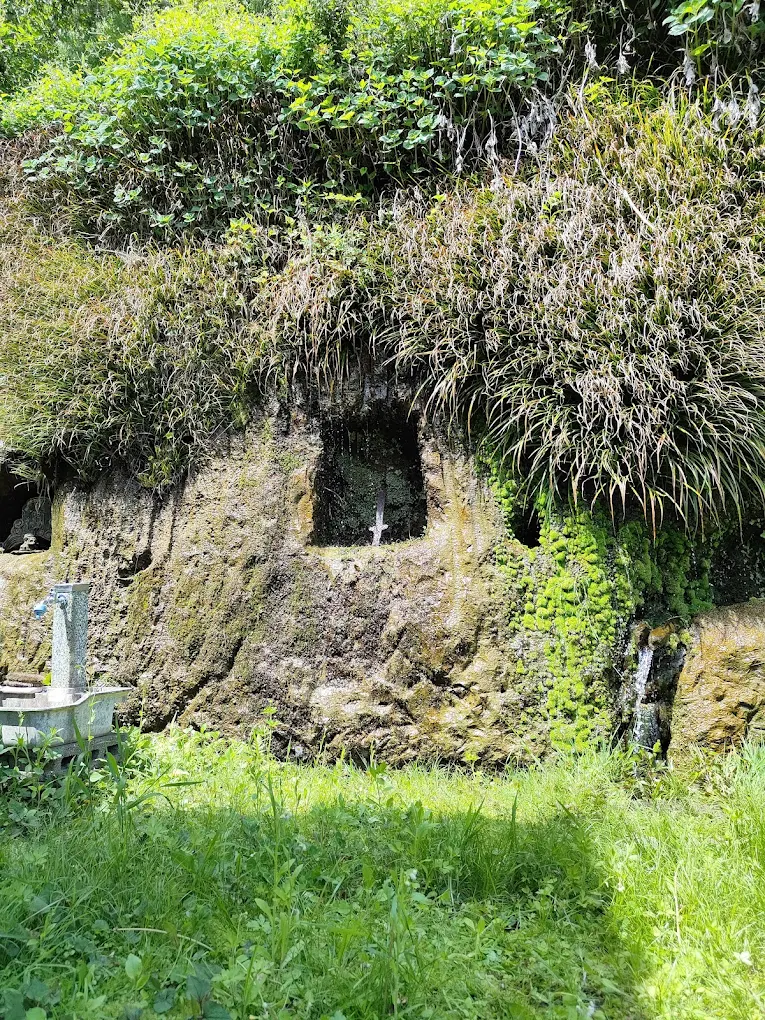
Kuretsubo Hachimanshimizu (呉坪の八幡清水) is a historic spring water site located in Ibaraki Prefecture. As the name “shimizu” (清水, clear water) suggests, it has been cherished by local residents for generations as a place where pristine water springs forth.
Origin of the Name
The name of this spring water site, combining the place name “Kuretsubo” and the name related to “Hachiman” shrine, carries the history of the region. Hachiman shrines are widely distributed throughout Japan, enshrining Hachiman Daijin, the god of war, and this spring water is believed to have deep connections with Hachiman faith.
Shimizu (清水), a Japanese word referring to clear water that springs forth, has been considered sacred by Japanese people since ancient times, serving as an object of reverence. Kuretsubo Hachimanshimizu is thus a precious place that conveys to us today the tradition of Japan’s water worship.
Historical Background and Cultural Value
Connection with Local Faith
Kuretsubo Hachimanshimizu has served not merely as a water source, but also as a center of local faith. Due to its association with Hachiman Shrine, this spring water was treated as sacred and may have been used in religious ceremonies and festivals.
Throughout Japan, clear spring water often exists near Hachiman shrines and has been revered as “sacred water” (goshintsusuisu). Kuretsubo Hachimanshimizu is believed to have similarly become a spiritual pillar for local residents.
History as Domestic Water Supply
Historically, spring water served as an important domestic water source for communities. Before modern water systems were established, people used spring water for drinking, cooking, washing, and other daily activities. Kuretsubo Hachimanshimizu likely supported the lives of people as a central water source within the local community.
Spring water sites were not merely places to draw water, but also served as gathering places where residents could exchange information and interact. Such exchanges at these locations strengthened community bonds and nurtured local culture.
Water Quality Characteristics and Environment
The Mechanism of Spring Water
Spring water is a phenomenon where rain that has infiltrated underground naturally filters through geological layers and emerges at the surface. During this process, the water becomes enriched with various minerals and develops a unique taste.
The geology of Ibaraki Prefecture consists of sedimentary layers forming part of the Kanto Plain and older rock layers that compose mountain ranges such as Mount Tsukuba. The geological structure of the area where Kuretsubo Hachimanshimizu springs forth determines this spring water’s quality.
Water Temperature and Quality
Generally, spring water temperature remains relatively stable throughout the year, feeling cold in summer and warm in winter. This is because groundwater is minimally affected by surface temperature fluctuations.
The water quality of spring water varies greatly depending on the types of geological layers it has passed through, ranging from hard water containing calcium and magnesium to soft water with minimal mineral content. The specific water quality data of Kuretsubo Hachimanshimizu should ideally be verified through regular water quality tests.
Importance of Environmental Conservation
Spring water is a precious natural resource in the region, and its conservation is extremely important. Spring water quality is highly sensitive to surrounding land use and environmental changes. Agricultural pesticides, chemical fertilizers, domestic wastewater, and development activities may adversely affect spring water quality.
To pass Kuretsubo Hachimanshimizu on to future generations, it is essential that local residents, administrative authorities, and visitors cooperate in environmental conservation efforts.
Access Methods and Visiting Information
Location
For accurate location information about Kuretsubo Hachimanshimizu, it is recommended to check the latest information on the regional tourism association’s website or the local municipal government’s official website. Many spring water sites in Ibaraki Prefecture are located in quiet rural areas or mountainous regions.
Transportation
Access by Car:
Car access is often the most convenient way to reach spring water sites in Ibaraki Prefecture. When entering the destination into a navigation system, enter the precise address or facility name. It is advisable to confirm in advance whether parking is available and how many spaces there are.
Access by Public Transportation:
It is also possible to use buses or taxis from the nearest railway station. However, in rural areas, bus service may be limited, so it is recommended to check the timetable in advance and plan your visit accordingly.
Precautions When Visiting
- Respect for Private Property: If the spring water site or its surroundings are on private land, avoid entering without the owner’s permission.
- Environmental Protection: Always take your trash with you and avoid polluting the natural environment.
- Water Use: If you drink the spring water, do so at your own risk. If possible, check the water quality test results in advance or boil the water before consuming it.
- Season and Weather: During rainy periods and in winter, the ground may become slippery. Visit wearing appropriate clothing and footwear.
- Respect for Silence: Respect the living environment of local residents and avoid making noise.
Surrounding Tourist Attractions
When visiting Kuretsubo Hachimanshimizu, you can experience the attractions of Ibaraki Prefecture more deeply by also visiting nearby tourist sites.
Major Tourist Sites in Ibaraki Prefecture
Mount Tsukuba:
Referred to as “Fuji in the west, Tsukuba in the east,” it is an iconic symbol of Ibaraki Prefecture. This twin-peaked mountain consists of the male peak at 877 meters elevation and the female peak at 871 meters elevation, and you can reach near the summit by cable car or ropeway. You can enjoy the natural beauty of all four seasons and the panoramic view of the Kanto Plain from the summit.
Fukuroda Falls:
Counted as one of Japan’s three most famous waterfalls, this cascade is 120 meters tall and 73 meters wide. Because it falls in four stages, it is also called the “Falls of Four Times,” and in winter it becomes an impressive ice waterfall.
Kairakuen Garden:
One of Japan’s three most famous gardens alongside Kenrokuen in Kanazawa and Korakuen in Okayama. With about 100 varieties and 3,000 plum trees planted here, the plum blossom festival in early spring draws many visitors.
Regional Shrines and Temples
In addition to Hachiman Shrine related to Kuretsubo Hachimanshimizu, Ibaraki Prefecture is home to many historic shrines and temples. Visiting these religious facilities allows you to develop a deeper understanding of the region’s history and culture.
When making visits, observe proper etiquette and visit with quiet respect.
Ibaraki Prefecture’s Spring Water Culture
Major Spring Water Sites in the Prefecture
In addition to Kuretsubo Hachimanshimizu, many spring water sites exist throughout Ibaraki Prefecture.
Omatessan Spring Water Group:
Located in the tributary area of the Kuji River, this site has an abundance of clear water springing forth.
Spring Water around Mount Yamizu:
The Mount Yamizu system, spanning three prefectures—Ibaraki, Fukushima, and Tochigi—contains numerous spring water sites, each serving as a precious water source for the region.
The Relationship Between Water and Life
Ibaraki Prefecture is a region where agriculture thrives, and abundant water resources support agricultural production. Spring water is also used for agricultural purposes, and is an indispensable element particularly for paddy field agriculture.
Sake brewing and food processing utilizing spring water also take place here, and the region’s industries maintain close relationships with spring water.
Seasonal Attractions
Kuretsubo Hachimanshimizu in Spring
Spring is the season of fresh green foliage. Trees around the spring water site bud and the landscape becomes filled with vitality. The natural world, quiet during winter, regains its energy, and bird songs can be heard.
In spring, the flow of spring water may increase due to snow melt, and you may be able to observe water gushing forth vigorously.
Kuretsubo Hachimanshimizu in Summer
Summer is the season when the coldness of spring water feels most refreshing. Water springing from underground maintains stable temperature throughout the year, so on hot summer days it provides cooling like a natural air conditioner.
The time spent listening to the murmur of spring water in the shade of lush green trees is a luxurious moment that makes you forget the hustle and bustle of the city.
Kuretsubo Hachimanshimizu in Autumn
Autumn is the season of fall foliage. Surrounding trees change color and enhance the spring water site. Under clear autumn skies, the contrast between vividly colored autumn leaves and clear spring water captivates visitors.
In autumn, the air is also crisp, making it an ideal season for photography.
Kuretsubo Hachimanshimizu in Winter
Winter wraps the spring water site in silence. As temperatures drop, the steam rising from the spring water creates a mystical atmosphere. Since the spring water temperature reflects underground temperatures, it does not freeze in winter and may actually feel warm.
Even in the harsh winter cold, water that springs forth ceaselessly conveys the power of life itself.
Water Use and Regional Revitalization
Utilization as a Tourist Resource
In recent years, tourism development utilizing regional natural resources has attracted attention. Spring water sites like Kuretsubo Hachimanshimizu have the potential to become important resources for ecotourism and green tourism.
Tourists visiting spring water sites seek not only to view the water itself but to comprehensively experience the region’s nature, history, and culture. It is important for the region to provide attractive tourism content combining these elements.
Creation of Regional Brands
It is also possible to create regional brands utilizing spring water. This could include the development of specialty products using spring water (sake, tofu, buckwheat noodles, etc.) or hosting experiential events around the spring water site.
If branding as “famous water” succeeds, it can lead to increased regional recognition and economic activation.
Efforts for Spring Water Conservation
The Role of Local Residents
Spring water conservation requires the understanding and cooperation of local residents. Actions taken with environmental consideration in daily life contribute to preserving spring water quality.
Specific measures include reducing the use of chemical fertilizers and pesticides, properly treating domestic wastewater, and preventing illegal dumping of garbage.
The Role of Government
Government agencies play a role in supporting spring water conservation from an institutional perspective through water quality surveys, designation of conservation areas, and promotion of environmental education.
Additionally, administrative measures promoting use of spring water sites as tourist resources, such as improving access to sites and installing information boards, are important.
Responsibility of Visitors
Tourists and recreational users visiting spring water sites also bear responsibility for conservation. Keep your activities to “seeing, touching, and feeling” without placing undue stress on the natural environment.
Water Environment in Ibaraki Prefecture
Lake Kasumigaura and Water Resources
Ibaraki Prefecture is home to Lake Kasumigaura, which boasts Japan’s second largest surface area, and this is an indispensable element when discussing the prefecture’s water environment. Lake Kasumigaura is used as a water source for agriculture, industry, and municipal water supplies, supporting the lives of prefectural residents.
Spring water sites, distinct from such large-scale water resources, hold their own independent value as small-scale water sources closely integrated with local communities.
Relationship Between Rivers and Spring Water
Rivers flowing through Ibaraki Prefecture, including the Kuji River, Naka River, and Tone River, maintain their water levels through spring water in their basins. Spring water is one source of river water and plays an important role in supporting river ecosystems.
Conservation of spring water is thus an important endeavor that also leads to river environment preservation.
Conclusion
Kuretsubo Hachimanshimizu is a precious spring water site that symbolizes Ibaraki Prefecture’s rich nature and history. This spring water, which has long supported the lives of local residents and has been the object of reverence, should be carefully preserved as a community treasure in the present day.
When visiting, understand its historical and cultural value and do not forget to consider the natural environment while enjoying the mystical sight of clear water springing forth. Through Kuretsubo Hachimanshimizu, we hope this becomes an opportunity to reaffirm the deep connection between water and humanity and the gratitude we should feel for nature’s blessings.
Ibaraki Prefecture is home to many other attractive spring water sites and tourist destinations. Why not embark on a journey exploring the prefecture’s nature and culture, starting from Kuretsubo Hachimanshimizu? By listening to the sound of clear water and experiencing abundant nature, you will discover healing and insights unavailable in daily urban life.
Finally, to pass such precious natural resources on to future generations, the environmental conservation awareness and actions of each and every one of us are important. We look forward to the day when Kuretsubo Hachimanshimizu continues to spring forth clear water unchanged, and let us begin with what we can do individually for environmental conservation.