Complete Guide to Fudo Myoo Shimizu (Fukushima Prefecture)|History of Sacred Water, Benefits, and Access Methods
Fukushima Prefecture is home to numerous famous and sacred waters, and among them, “Fudo Myoo Shimizu” is a special spring water that has long been cherished by local residents and revered as an object of faith. This article provides detailed information about the historical background of Fudo Myoo Shimizu, its characteristics as sacred water, practical visiting methods, and the charm of its surroundings.
What is Fudo Myoo Shimizu
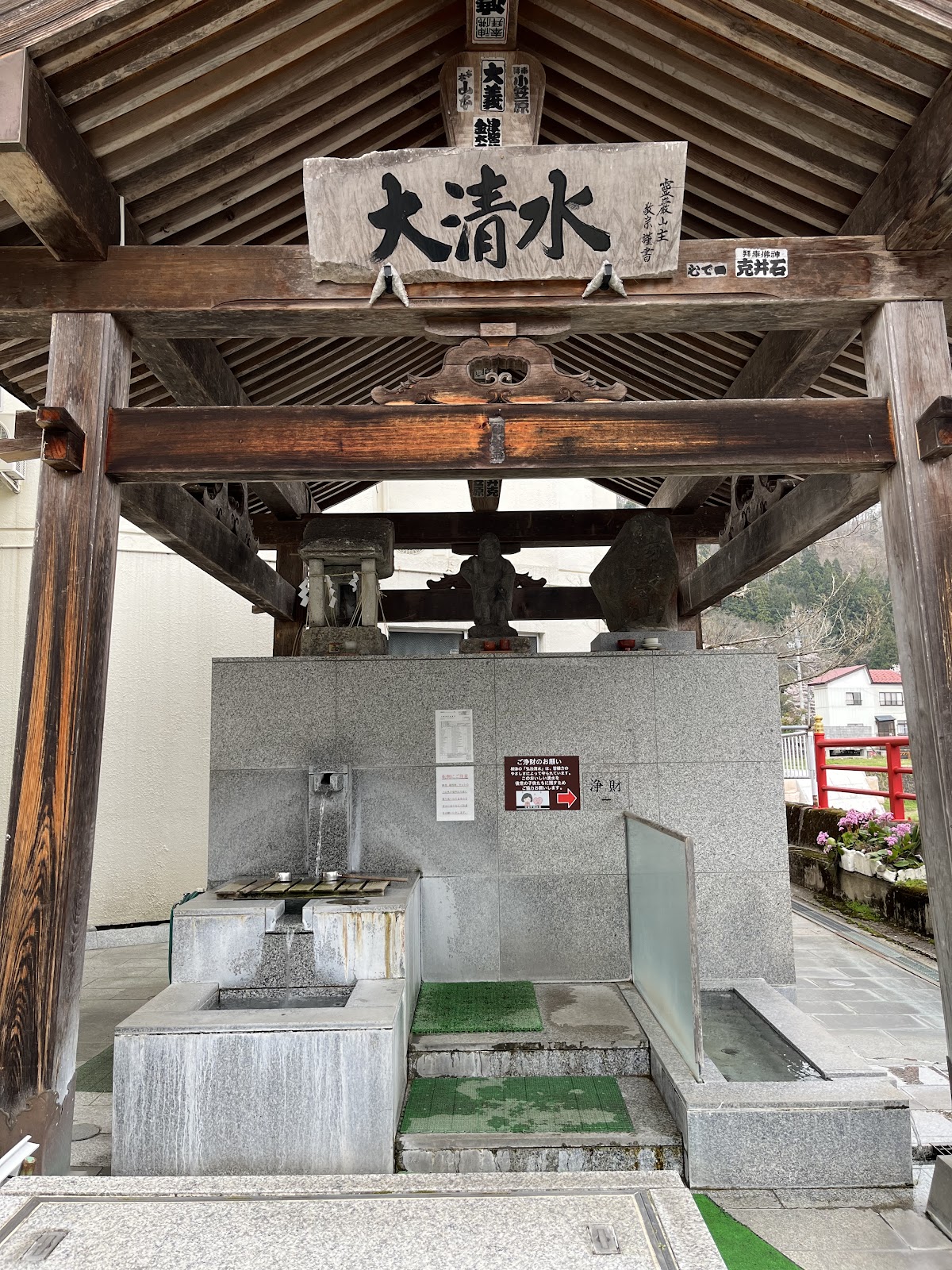
Fudo Myoo Shimizu is one of the sacred waters scattered throughout Fukushima Prefecture, a spring deeply connected with faith in Fudo Myoo. As its name “shimizu” (clear water) suggests, it has been an essential part of the lives and faith of local people since ancient times as a place where clear water springs forth.
Connection with Fudo Myoo Faith
Fudo Myoo is one of the wisdom kings in Buddhism, believed to be an incarnation of Dainichi Nyorai, with the power to sever worldly desires and avert disasters. Throughout Japan, it has become connected with mountain worship and mountain ascetic practices (shugendo), particularly enshrined at natural sacred sites such as waterfalls and water sources. Similar faith has taken root in Fukushima Prefecture as well.
Fudo Myoo Shimizu has been developed as such a place of faith, utilized by worshippers to draw sacred water and perform water ascetic practices.
History of Fudo Myoo Shimizu
An Ancient Place of Faith
Fukushima Prefecture is located in the southern part of the Tohoku region and is divided into three areas: the Aizu region, the Nakadori region, and the Hamadori region. Each area has its own unique history and culture, and Fudo Myoo faith has developed in different forms across the regions.
Multiple legends remain regarding the origins of Fudo Myoo Shimizu, varying by location. According to one account, mountain ascetics discovered this spring water while practicing austerities in the mountains during the Heian and Kamakura periods and enshrined Fudo Myoo there. Another legend tells of the water springing forth in response to prayers to Fudo Myoo during a drought that struck the region during the Edo period.
Connection with Local People’s Lives
Throughout history, Fudo Myoo Shimizu has served not only as an object of faith but also as an important water source for local residents’ daily lives. Particularly in mountainous areas, securing a stable water supply was the foundation of life, and clear spring water was a precious resource.
Even as modernization progressed after the Meiji period, faith in Fudo Myoo Shimizu never ceased but was handed down through connection with local festivals and annual events. Even today, maintenance and management are performed by local preservation societies and shrine parishioners, preserving the faith and traditions.
Characteristics as Sacred Water and Benefits
Characteristics of Water Quality
Fudo Myoo Shimizu is natural spring water that flows up through underground layers of mountains, characterized by clear water quality containing mineral content. The water temperature remains stable throughout the year, with cold, clear water flowing continuously.
Geologically, Fukushima Prefecture’s geological strata consist of volcanic rocks and sedimentary rocks layered in complex patterns. Through the passage of many years, groundwater is filtered through these layers, emerging as clear spring water at the surface. Through this natural filtration effect, Fudo Myoo Shimizu has long been known as “famous water.”
Benefits as a Place of Faith
As sacred water enshrining Fudo Myoo, the following benefits are believed to be obtained:
- Recovery from Illness: Belief that drinking the sacred water alleviates physical ailments
- Warding Off Calamities and Disasters: Protection from harm through the guardianship of Fudo Myoo
- Fulfillment of Wishes: Cleansing oneself with clear water and making prayers with wishes
- Household Safety: Prayers for the health and safety of family members
- Business Prosperity: Prayers for the success of one’s enterprise
These benefits are believed to result from the combination of the powerful protective force of Fudo Myoo and the purifying power of clear water.
How to Draw Sacred Water and Proper Etiquette
When visiting Fudo Myoo Shimizu, it is recommended to observe the following practices:
- Prepare a clean container: Bring a clean plastic bottle or water bottle to draw water
- Cleanse your hands: Purify your hands before drawing water
- Bow before drawing: Show respect to Fudo Myoo by bowing before drawing the water
- Express gratitude: Be grateful for nature’s blessings and Fudo Myoo’s protection
- Keep the surroundings clean: Maintain cleanliness at the water source and surrounding areas
Access Methods and Visiting Information
Basic Information
Basic information for planning a visit to Fudo Myoo Shimizu:
Location: Within Fukushima Prefecture (there are multiple possible locations)
Visiting Hours: Generally accessible at all times (nighttime visits are not recommended for safety reasons)
Admission: Free
Parking: Varies by location, but in most cases there are parking spaces for several vehicles nearby
Access by Car
As Fukushima Prefecture has a vast area, access methods differ depending on the specific location of Fudo Myoo Shimizu. Generally, the following routes are possible:
From the Aizu Region:
- Use the Bandai Expressway and exit at the nearest interchange
- Proceed to the destination via national and prefectural roads
- In mountainous areas, narrow roads may continue, so utilize car navigation or smartphone map applications
From the Nakadori Region:
- Use the Tohoku Expressway and exit at the nearest interchange
- Proceed to the destination via general roads
From the Hamadori Region:
- Use the Joban Expressway and exit at the nearest interchange
- Proceed to the destination via prefectural roads
Access by Public Transportation
When using public transportation, you will need to use buses or taxis from the nearest railway station. However, when located in mountainous areas, bus services are often limited, so it is important to check the timetable in advance.
Railways:
- JR Tohoku Main Line
- JR Bandai-Saisen Line
- JR Bandai-Tosen Line
- Aizu Railway
Among others, use secondary transportation from the nearest station.
Precautions When Visiting
- Road conditions by season: In winter, snow accumulation and icy road conditions may make access difficult. Especially in mountainous areas, winter tires or chains are essential.
- Clothing and equipment: If walking mountain trails, wear comfortable clothing and shoes with good traction.
- Insect repellent measures: During summer, there are many insects such as mosquitoes and deer flies. It is recommended to bring insect repellent spray.
- Bear precautions: Information about bear sightings occurs in mountainous areas of Fukushima Prefecture. Take appropriate measures such as carrying a bear bell.
- Mobile phone signal conditions: In mountainous areas, signal may be weak in some places. Download maps in advance to ensure you can access information offline.
Nearby Tourist Attractions
When visiting Fudo Myoo Shimizu, you can also enjoy nearby tourist attractions. Fukushima Prefecture is blessed with rich nature and many historically significant sites that cannot be explored in a single day.
Tourist Attractions in the Aizu Region
Tsuruga Castle (Aizu Wakamatsu Castle):
A famous castle symbolic of Aizu, this historic site was the setting for the Boshin War during the end of the Edo period. The panoramic view of the Aizu basin from the main tower is spectacular, and the scenery is especially beautiful during cherry blossom season.
Ouchi-juku:
A designated Important Preservation District for Groups of Traditional Buildings that retains the appearance of an Edo period post town. The old road lined with thatched-roof houses feels as though you have slipped back in time.
Higashiyama Hot Spring:
A hot spring area near Aizu Wakamatsu city, said to have over 1,300 years of history. Inns line the riverside, offering an atmospheric hot spring village experience.
Tourist Attractions in the Nakadori Region
Adatara Mountain:
One of Japan’s Hundred Famous Mountains, featured in the poetry collection “The Path of the Sage Chie.” A ropeway is available, making it relatively easy to enjoy mountain nature.
Hanamizaki Park:
A privately owned park in Fukushima City that bursts with plum blossoms, peach blossoms, and cherry blossoms in spring, known as “Fukushima’s Peach Blossom Land.”
Iizaka Hot Spring:
One of the Three Famous Hot Springs of the Oshu region, this historic hot spring is said to have been visited by the poet Matsuo Basho. Many public bathhouses make hot springs easily accessible.
Tourist Attractions in the Hamadori Region
Iwaki Yumoto Hot Spring:
An ancient hot spring with over 1,600 years of history, famous for its abundant hot spring volume. Located near the sea, you can also enjoy local seafood.
Aquamarine Fukushima:
A large aquarium primarily featuring marine life from Fukushima Prefecture. The large tank themed on “The Tidal Current’s Sea” is particularly impressive.
Shioya-zaki Lighthouse:
A beautiful lighthouse overlooking the Pacific Ocean, with the surrounding area developed as a park. There is also a monument to a famous song by the artist Hibari Misora.
Fudo Myoo Shimizu and Fukushima’s Famous Water Culture
Famous Water Spots in Fukushima Prefecture
Fukushima Prefecture, blessed with abundant nature, has famous water spots scattered throughout the prefecture. Besides Fudo Myoo Shimizu, the following waters are well-known:
Bandai Nishi-Sanroku Spring Water Groups:
A group of spring waters selected for the Ministry of the Environment’s “Hundred Famous Waters,” with multiple springs on the west side of Mt. Bandai. The “Onogawa Spring Water” and “Tsugamine Valley Stream Water” are particularly famous.
Onogawa Fudo Waterfall:
A waterfall in the Aizu region that also serves as a spiritual site enshrining Fudo Myoo. The waterfall water is clear, allowing you to fully experience negative ions.
Tatsusawa Fudo Waterfall:
A 10-meter waterfall in Inawashiro Town with a shrine enshrining Fudo Myoo. The waterfall basin has high transparency, creating a mystical atmosphere.
The Relationship Between Water and Faith
In Japanese faith culture, water has held special significance since ancient times. The concept of misogi (purification through water) in Shinto and the philosophy of purity in Buddhism place water purification at the core of religious rituals.
The relationship between Fudo Myoo and water runs deep. The Kurikara sword held by Fudo Myoo is a symbol of severing worldly desires, while the flames depicted behind it represent the power to burn away all desires. Meanwhile, Fudo Myoo being enshrined at waterfalls and clear waters reflects the combination of water’s purifying power with that of Fudo Myoo.
The Value of Famous Waters in Modern Times
In modern society, natural spring waters are increasingly valued from an environmental conservation perspective. Clear water springing forth is evidence that the region’s natural environment is being maintained in good health.
Protecting sacred waters like Fudo Myoo Shimizu and passing them on to future generations is not only about preserving places of faith but also about conserving the region’s natural environment and realizing a sustainable society.
The Significance of Visiting Fudo Myoo Shimizu
Heart Purification and Refreshment
Modern society is full of stress, and it is not uncommon to feel fatigue both mentally and physically. Visiting sacred waters like Fudo Myoo Shimizu provides a valuable opportunity to escape from daily life and quiet the mind in nature.
Through the sound of clear water, forest scents, and bird songs, experiencing nature through the five senses creates a sensation of the heart being cleansed. This is scientifically recognized as the “forest bathing effect,” with reports of benefits such as decreased stress hormones and improved immune function.
Understanding Regional Culture
Visiting Fudo Myoo Shimizu also serves as an entry point to understanding the region’s history and culture. Learning why Fudo Myoo is enshrined at this location and how local people have interacted with this water deepens the travel experience.
Interaction with local people is also a major attraction of travel. By directly hearing from members of local preservation societies and neighboring residents, you can learn valuable information and stories not found in guidebooks.
Respect for Places of Faith
Fudo Myoo Shimizu is simultaneously a place of tourism and a place of faith. When visiting, it is important not to forget this and to act with respect.
Loud behavior, littering, and polluting the water source should be strictly avoided. If there are local rules or practices, follow them accordingly.
Conservation Efforts for Fudo Myoo Shimizu
Local Conservation Efforts
Many sacred and famous waters are protected by local preservation societies, shrine parishioners, and volunteers. Fudo Myoo Shimizu is no exception, with regular cleaning activities, festival celebrations, and pathway maintenance being conducted.
These activities face challenges such as staff shortages due to aging and population decline. As a visitor, it is important to express gratitude for local efforts and cooperate where possible.
What Visitors Can Do
Those of us visiting Fudo Myoo Shimizu can also contribute to conservation:
- Always take trash home: Responsibly take home any garbage you produce.
- Avoid polluting the water source: When drawing water, avoid immersing containers directly into the water source, paying attention to water quality preservation.
- Do not damage nature: Do not pick plants or capture animals.
- Respect local rules: Do not enter off-limits areas, do not use fire in undesignated places, and observe all regulations.
- Share information carefully: When posting information on social media, be mindful of conservation. If excessive crowds might result, exercise careful judgment.
Fudo Myoo Shimizu Through the Four Seasons
Visiting in Spring
Spring is a season of fresh greenery, with dormant nature awakening. The snowmelt increases water volume, allowing you to see more powerful spring water. Mountain blossoms such as wild cherry and Japanese kerria bloom throughout the surrounding mountains, creating a vibrant atmosphere.
Spring in Fukushima Prefecture has many famous cherry blossom spots, and combining a visit to Fudo Myoo Shimizu with cherry blossom viewing is popular.
Visiting in Summer
Summer is when the green becomes most vibrant. The cold water of Fudo Myoo Shimizu is particularly pleasant during hot summers. The forest interior is cool, making it an ideal place for summer retreat.
However, summer is also a season of many insects, so insect repellent measures are essential. Attention should also be paid to sudden weather changes such as afternoon thunderstorms.
Visiting in Autumn
Autumn is the season of autumn leaves, with Fukushima Prefecture’s mountains turning red and yellow. The forest around Fudo Myoo Shimizu also takes on beautiful colors, offering the most scenic views of the year.
With clear air, the water’s transparency appears even greater. Autumn is also ideal for hiking and walking with comfortable temperatures.
Visiting in Winter
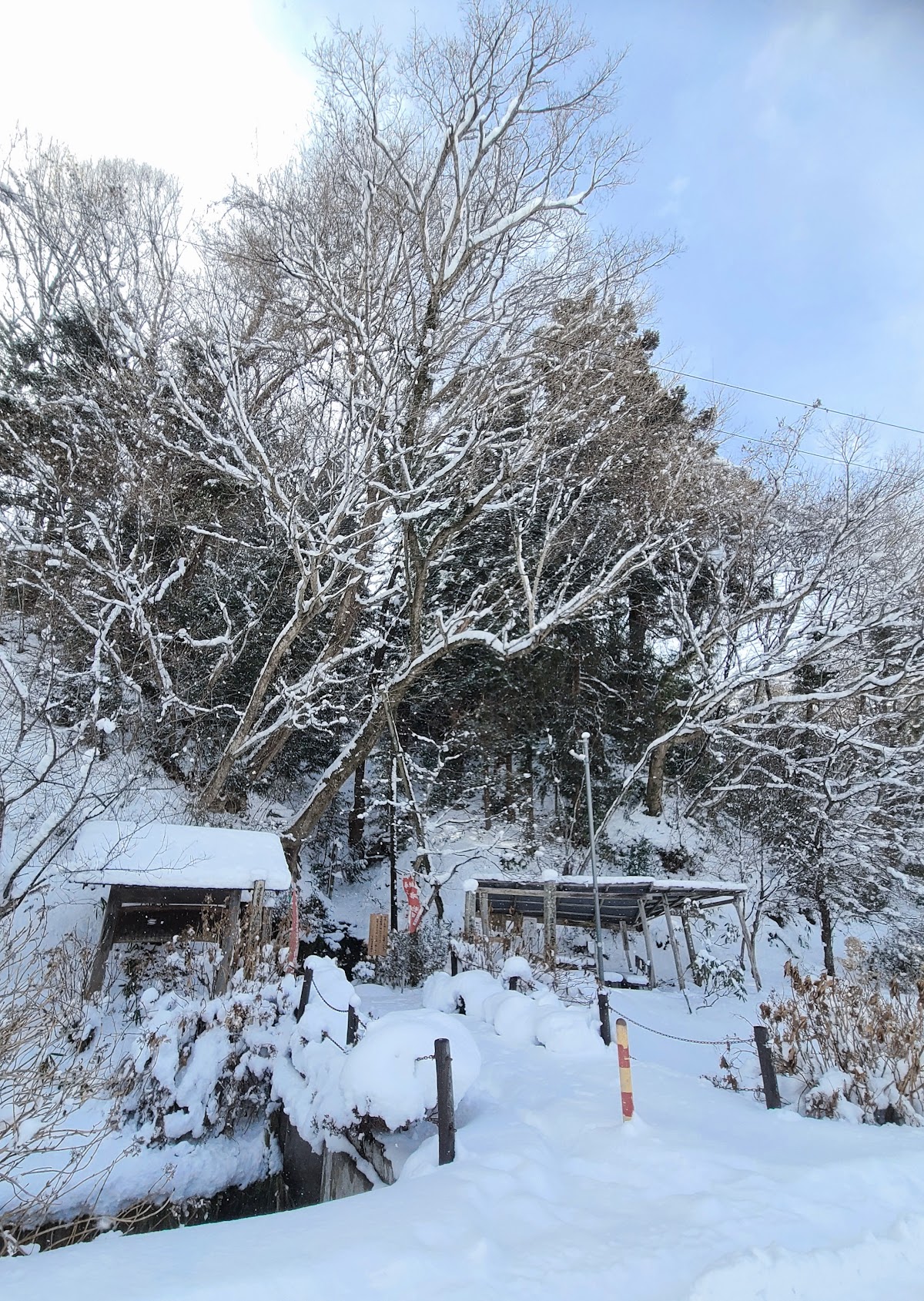
Fudo Myoo Shimizu in winter creates a mystical atmosphere within a snowy landscape. The spring water does not freeze and continues to flow without cessation in the cold air. This scene evokes a sense of the life force that continues even in harsh nature.
However, winter visits require thorough preparation and caution, as snow accumulation may close roads and make footing extremely slippery. Complete winter gear and prioritize safety.
Fudo Myoo Shimizu and Shugendo (Mountain Ascetic Practice)
The Shugendo Tradition
Shugendo is a religion that fuses ancient Japanese mountain worship with Buddhism, particularly esoteric Buddhism. Mountain ascetics (yamabushi) performed strict austerities in mountains, seeking to obtain supernatural powers.
The mountains of Fukushima Prefecture also served as sites of shugendo practice, with many spiritual sites remaining, particularly in the Aizu region and the Abukuma Mountains. Fudo Myoo Shimizu may be deeply connected with these shugendo traditions.
As a Place for Water Ascetic Practice
In shugendo, water ascetic practice (suigyo) at waterfalls and clear springs is an important form of training. Immersing oneself in cold water is believed to wash away worldly desires and purify mind and body.
Whether Fudo Myoo Shimizu was used as a water ascetic practice site varies by specific location, but many water sites enshrining Fudo Myoo had such characteristics as training places.
Continuation of Shugendo in Modern Times
Even today, some temples and shugendo organizations continue traditional practices. Experience programs in which general people can participate are also held, allowing one to experience Fudo Myoo faith and water ascetic traditions.
Conclusion: Visiting Fudo Myoo Shimizu
Fudo Myoo Shimizu is not merely a tourist destination but a special place supported by long history and deep faith. At the site where clear water springs forth, nature’s blessings and people’s prayers are concentrated.
When visiting Fukushima Prefecture, be sure to visit Fudo Myoo Shimizu. Escaping the hustle and bustle of the city and touching the clear water springing from the quiet forest will surely provide an experience that cleanses the heart.
Feeling Fudo Myoo’s protection, tasting clear water, and listening to the surrounding nature. Such moments remind us of the connection between humanity and nature that is often lost in modern society.
Fukushima Prefecture has many famous waters, sacred waters, and abundant natural and historical sites beyond Fudo Myoo Shimizu. I hope this one visit will inspire you to explore the charm of Fukushima Prefecture in depth.
When visiting, please respect regional culture and faith and exercise care for natural environment conservation, creating travel memories that will remain in your heart. Fudo Myoo Shimizu will surely add special meaning to your journey.