Kuzuha Spring (Hadano City, Kanagawa Prefecture) Complete Guide | Thorough Explanation of Access, Water Quality, and Surrounding Information
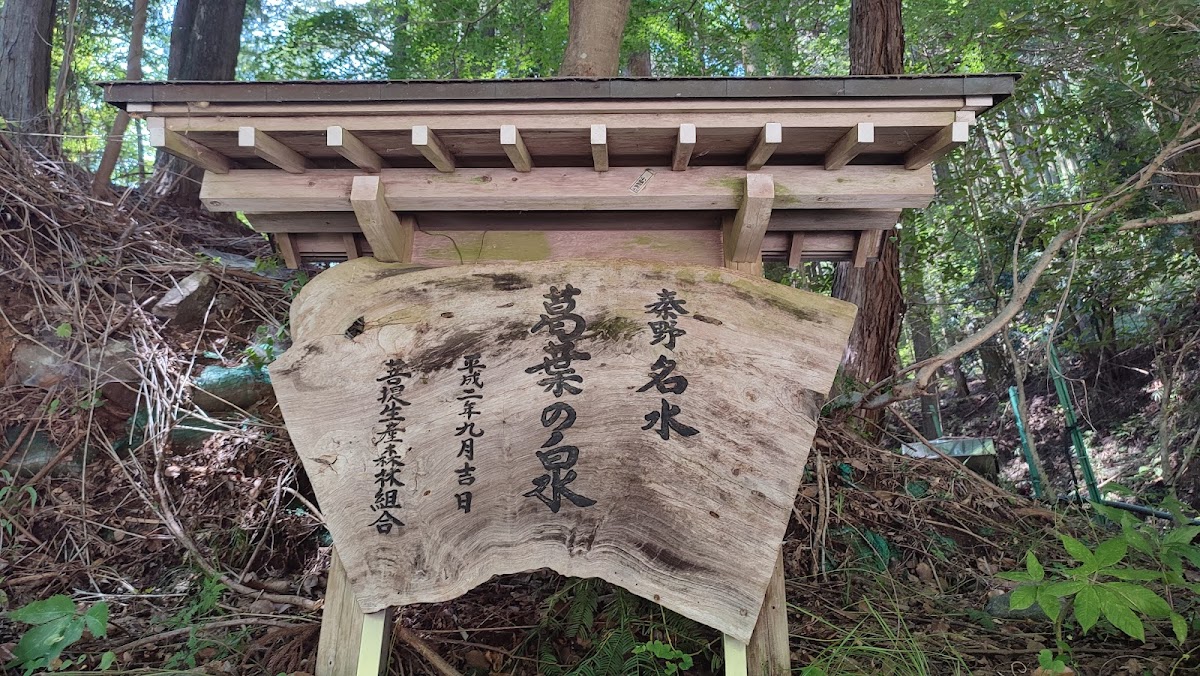
Kuzuha Spring (Kuzuha no Izumi), located at the foot of the Tanzawa Mountains in Hadano City, Kanagawa Prefecture, is a water collection spot characterized by abundant spring water and beautiful natural surroundings. It is known as one of the Hadano Basin spring water group, which was selected by the Ministry of the Environment in 1985 as one of the “100 Famous Waters of the Showa Era,” attracting not only local residents but also many visitors from distant areas.
This article provides comprehensive information needed when actually visiting Kuzuha Spring, covering its characteristics, water quality information, detailed access methods, parking information, and nearby attractions.
What is Kuzuha Spring? The Appeal of the Hadano Basin Spring Water Group
Selected as one of the 100 Famous Waters of the Showa Era
Kuzuha Spring is one of the spring water locations that comprise the “Hadano Basin Spring Water Group,” selected by the Ministry of the Environment in 1985 (Showa 60) as one of the “100 Famous Waters of the Showa Era.” Hadano City has a basin topography surrounded by the Tanzawa Mountains and the Shibusawa Hills, where sediment layers flowing from the Tanzawa mountains function as a natural filtration system.
Most rainwater seeps into the ground and is slowly filtered over many years, eventually emerging as mineral-rich, clear groundwater. This natural blessing has made Hadano City known throughout the nation as a “town of famous waters.”
History of development as part of local revitalization
The current Kuzuha Spring is a relatively new spring water site that was developed mainly by local residents after 1985. Following its selection as one of the 100 Famous Waters, the water site was developed as part of local revitalization efforts, creating an accessible environment.
In March 2016, “Delicious Hadano Water ~ Tanzawa’s Drops,” bottled groundwater from Hadano, won first place nationally in the “100 Famous Waters Selection Tournament Excellent Taste Water Category.” This achievement reaffirmed the deliciousness of Hadano’s water.
Water Quality and Characteristics of Kuzuha Spring
Soft water with hardness of around 40, easy to drink
The water that springs from Kuzuha Spring is soft water with a hardness of around 40. Soft water is known for its mellow taste and is a water that suits Japanese palates, being easy to drink. While it contains appropriate mineral content, it has no unpleasant aftertaste and is suitable for cooking, tea, coffee, and more.
The water temperature is stable throughout the year, with the characteristic quality of groundwater—cool in summer and relatively warm in winter. The high transparency is captivating, with water flowing along the roadside being beautifully clear.
Regular water quality testing by Hadano City
Hadano City conducts water quality testing three times per year on the main water collection sites within the city to ensure the safety and peace of mind of its citizens. Kuzuha Spring is included in these testing targets, and the test results are published on the Hadano City website.
This highly transparent information disclosure allows users to use the water with confidence. However, the city’s official recommendation is to boil the water before drinking it. If consuming untreated water, it is at your own risk, so especially for small children and those in poor health, it is recommended to boil the water before use.
Water outlets and water volume
Two water outlets are installed at Kuzuha Spring, and the water volume is fairly abundant. The design allows multiple people to collect water simultaneously, making it relatively smooth to use even during busy times.
The overall balance of the water site is excellent, and maintenance is properly carried out, maintaining a clean and user-friendly environment. Through the care and cooperation of local residents and water enthusiasts, this beautiful water site is maintained.
Access Methods to Kuzuha Spring
Access by car and road conditions
Car access is the most convenient way to reach Kuzuha Spring. The road from the Bodai direction to this spring is paved, and can be reached without problems by ordinary passenger vehicles.
The spring is about 4 km from the Shin-Tomei Expressway Hadano-Tanzawa Smart Interchange, located further back from the Omote-Tanzawa Outdoor Activity Center. The drive allows you to feel the natural surroundings of Tanzawa, but there are sections with narrow road widths, so careful attention to oncoming traffic is necessary.
Araiwigoshi (river crossing)
Just before arriving at Kuzuha Spring, there is a wash-over (araiwigoshi), which is a water flow crossing the road. This is where the water of the Kuzuha River crosses the road, and in April there is water flowing with substantial depth. Water volume increases further during the rainy season and after typhoons, so attention to the timing of your visit is necessary.
Under normal weather conditions, even passenger vehicles can pass through, but after heavy rain or during high water levels, it is recommended not to force your way through and to check conditions before proceeding. Beyond this wash-over awaits the beautiful, transparent water flowing at Kuzuha Spring.
Access by public transportation
Using public transportation, take a bus from the Odakyu Odawara Line “Hadano Station” to the “Bodai” bus stop, then it’s about a 50-minute walk from there. As bus services are limited, it is recommended to check the schedule in advance.
Access on foot is suitable for visits combined with hiking, but considering carrying back large amounts of water, car access is more practical.
Parking Information and Nearby Facilities
Kuzuha Hiroba Parking Area (Free)
Free parking is provided at Kuzuha Spring. The official name is “Kuzuha Hiroba Parking Area,” located at 2317-15 Bodai, Hadano City, Kanagawa Prefecture 259-1302.
Parking spaces are limited, so the lot may be full on weekends and holidays. Especially during hiking season (spring and autumn) or when many people come to collect water, early visits are recommended. It is common to find other vehicles already parked, but turnover is relatively quick, so parking is usually possible with a short wait.
Toilets and rest facilities
Toilets are installed around the parking area for use by hikers and water collection visitors. As they are maintained cleanly, they can be used with confidence.
A park is developed right next door, with benches and other rest spaces available. It is a convenient environment for waiting during water collection or resting before and after hiking.
Water play in Kuzuha River
Kuzuha River flows immediately near Kuzuha Spring, and there is a developed area where you can go down to the river. During summer, families can be seen enjoying water play, making it a local gathering spot.
It’s also convenient for cleaning hiking boots after a climb, washing off mud with the clear river water. The river water is extremely transparent and beautiful, allowing you to experience the richness of nature.
Kuzuha Spring as a Hiking Base
Trailhead for hiking to Ninomata and Sannouta
Kuzuha Spring is also known as the trailhead for hiking to Ninomata and Sannouta on Tanzawa’s Omote Ridge. Beyond the parking area is a gate through which vehicles cannot pass, but beyond the forest road gate is the trailhead for Ninomata, where you can access the Tanzawa Omote Ridge.
Compared to Sannouta Ridge and Omote Ridge, this course has fewer people, making it ideal for those who want to enjoy hiking in solitude. As the approach to the trailhead is via paved road, it is also recommended for hiking beginners.
Convenience for hikers
Filling water bottles with fresh spring water before a hike, washing boots in Kuzuha River after descending, and then refreshing your throat with spring water again—this ideal hiking style can be realized, which is a major attraction of Kuzuha Spring.
Free parking is also a great benefit for hikers. It’s possible to park early and enjoy a full day of hiking, returning in the evening.
Attractions Around Kuzuha Spring
Strolling along Kuzuha River
Kuzuha River originates in Tanzawa Mountain’s Sannouta, and in its upper reaches is called “Honzawa.” The administrative starting point of Kuzuha River is around Shiyama Bridge near the confluence with the Arata River.
The area along the river from Kuzuha Spring to Kuzuha Bridge is a pleasant hiking course where you can enjoy beautiful streams and rich nature. For those who want to enjoy nature without full-scale hiking, a walk along the river is recommended.
Omote-Tanzawa Outdoor Activity Center
“Omote-Tanzawa Outdoor Activity Center,” located on the way to Kuzuha Spring, is a facility where you can enjoy camping and barbecuing. It can be used as a base for family outdoor activities, and you can also plan a full day combining water collection at Kuzuha Spring with activities here.
Other spring water spots in Hadano City
Hadano City has many other spring water spots besides Kuzuha Spring. “Kobo’s Clear Water,” “Gomayadashiki Water,” “Imaizumi Spring Pond,” and others are also known. A “spring water tour” visiting multiple spring water sites is popular. If you have time, it’s interesting to visit several water sites and compare their differences.
Things to Note and Etiquette When Visiting Kuzuha Spring
Etiquette for water collection
- Respect the order: Show consideration and take turns during busy times
- Avoid monopolizing for long periods: Even when collecting large amounts, don’t forget to be considerate of other users
- Take all trash with you: Always take trash home to maintain the beautiful environment
- Keep the water site clean: Be careful not to splash water around when rinsing containers
Safety precautions
- Check wash-over conditions: After heavy rain or during high water, don’t force passage—confirm conditions first
- Winter freezing: Winter roads may freeze, so studded tires are recommended
- Wild animals: Due to the Tanzawa foothills location, you may encounter wild boar or deer
- Cell phone signal: In some areas, signal may be weak, so check a map in advance
Water handling
As mentioned earlier, Hadano City recommends boiling before drinking. Pay special attention to the following points:
- Storage method: Place collected water in clean containers and store in a cool, dark place
- Early consumption: Not suitable for long-term storage, so use as soon as possible
- Thorough boiling: If drinking, always boil first
- Health management: Avoid consuming untreated water if your health is poor
Seasonal ways to enjoy Kuzuha Spring
Spring (March–May)
Spring features beautiful fresh greenery and is ideal for hiking. In April, the wash-over still has abundant water flow, and you can enjoy clear water mixed with snowmelt. During cherry blossom season, tourism combining Kuzuha Spring with other Hadano cherry blossom spots is popular.
With mild temperatures, water collection and strolling are comfortable activities. However, congestion is expected during holidays like Golden Week, so early visits are recommended.
Summer (June–August)
Summer is the season when water play in Kuzuha River can be enjoyed. Many families can be seen enjoying river play. The cold spring water is perfect for hydration on hot days and effective for cooling down after hiking.
However, during the rainy season and typhoon season, wash-over water volume increases, making weather and road condition confirmation especially important.
Autumn (September–November)
Autumn is the best hiking season, and foliage is beautiful. Many people visit combining hiking to Ninomata and Sannouta with Kuzuha Spring, and parking areas tend to be crowded.
As temperatures begin to drop, the coldness of the spring water becomes even more pronounced. Water collection under clear autumn skies becomes an exceptional experience.
Winter (December–February)
Winter is a season to enjoy water collection in solitude, with fewer visitors. However, road freezing and snowfall are possibilities, requiring winter tires and careful driving.
Winter spring water feels relatively warm and may steam. Collecting water in cold conditions is difficult, but has a clearness unique to winter.
Ways to maximize the water from Kuzuha Spring
Use in cooking
The soft water from Kuzuha Spring is suitable for various dishes:
- Cooking rice: Produces fluffy, delicious rice
- Making broth: Easily brings out umami flavors from kombu and bonito
- Simmered dishes: Brings out ingredients’ flavors in a gentle, refined taste
- Miso soup: Creates mellow-flavored miso soup
Use in tea and coffee
Soft water is excellent for Japanese tea, especially green tea. Tea leaf umami components extract easily, with less astringency and a mellow taste. With coffee, the beans’ original flavor is highlighted, with good balance between acidity and bitterness.
Use in beauty and health
- Face washing: Soft water is gentle on skin and suitable for facial cleansing
- Hair washing: Hair becomes moist and easier to manage
- Hydration: Contains appropriate minerals, ideal for daily water consumption
Conclusion: Kuzuha Spring is a Treasure Nurtured by Hadano’s Nature
Kuzuha Spring in Hadano City, Kanagawa Prefecture is a representative spring water spot of the Hadano Basin spring water group, selected as one of the 100 Famous Waters of the Showa Era. With its soft water of hardness around 40 that is easy to drink and regular water quality testing by Hadano City, it can be used with confidence.
The major appeal includes free parking and easy access via paved roads. Beyond the wash-over, a natural theatrical effect awaits, with clear, transparent flowing water at the water site and a beautiful environment for water play and strolling in Kuzuha River.
Kuzuha Spring is ideal whether as a base for hiking or simply to seek delicious water. Through the care and maintenance of local residents, this wonderful natural blessing is preserved. When visiting, respect proper etiquette and maintain awareness of preserving this beautiful environment for the future.
Come to Kuzuha Spring seeking the clear water nurtured by Tanzawa’s nature. Surely, you’ll experience healing time that makes you forget the hustle and bustle of the city.