Harutake Yusui (Hadano City, Kanagawa Prefecture) Complete Guide | Access, Water Quality, and Water Collection Information
Harutake Yusui (春嶽湧水), located in Minoge, Hadano City, Kanagawa Prefecture, is clear spring water that flows from the rich nature of the Tanzawa Mountains. Known as soft water with low hardness, this spring water is also used as a local water source and is highly popular among water collection enthusiasts and climbers. This article provides detailed explanations of Harutake Yusui’s characteristics, water quality data, access methods, and surrounding information.
What is Harutake Yusui? A Famous Water Spot Boasting Hadano City
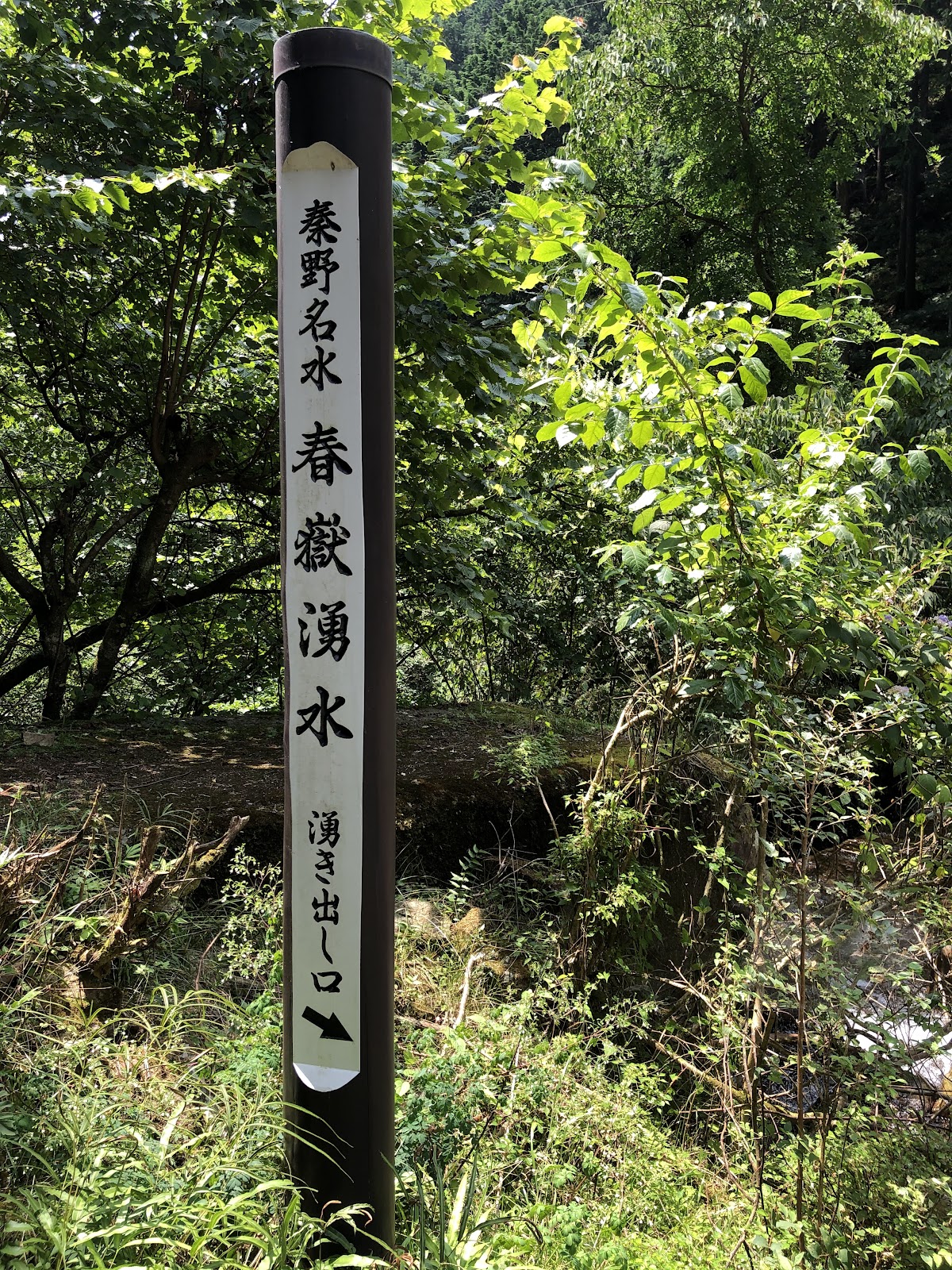
Harutake Yusui is natural water that springs from the foot of Harutake-yama (春嶽山) on the Itatsumi Ridge near 926 Minoge, Hadano City. Located in the source area of the Kaneme River, it is known as a spring water spot where groundwater that has permeated through the geological layers of the Tanzawa Mountains over many years appears on the surface.
Historical Background of Harutake Yusui
Harutake Yusui was developed as a water source for the East Simple Water Supply completed in 1955 (Showa 30). This simple water supply has historically functioned as crucial infrastructure supporting living water for the Minoge district. Today, it continues to be used as a local water source and has become an indispensable water resource for local residents’ lives.
Hadano City is known as a “town of famous waters” and is recognized as part of the Hadano Basin Spring Water Group, which was selected by the Ministry of the Environment as one of the “100 Famous Waters.” The abundant rainfall in the Tanzawa Mountains and the highly permeable geological layers such as volcanic ash and Kanto loam soil nurture the region’s abundant spring water.
Water Quality Characteristics of Harutake Yusui | Hardness and Component Analysis
The greatest characteristic of Harutake Yusui is that it is soft water with low hardness. Soft water has a gentle mouthfeel and is suitable for Japanese cuisine, tea, and coffee, making it preferred by many water collection enthusiasts.
Characteristics and Benefits of Soft Water
Hardness is an indicator showing the amount of calcium ions and magnesium ions contained in water. According to WHO (World Health Organization) standards, water with hardness below 60mg/L is classified as soft water. Harutake Yusui maintains low hardness water quality that is well below this standard.
The following points can be cited as benefits of soft water:
- Suitability for Cooking: Umami flavors from dashi are easily drawn out, making it ideal for Japanese cuisine
- Drinkability: Smooth mouthfeel makes it easy to drink
- Tea and Coffee: Does not diminish the flavor of tea leaves or coffee beans
- Gentleness on Skin: Gentle on skin when used for face washing
- Gentle on Appliances: Less likely to cause limescale buildup in kettles and washing machines
Temperature and Refreshing Quality of Spring Water
Spring water maintains a stable temperature throughout the year, generally holding around 15°C. It feels cold in summer and warm in winter, allowing you to enjoy a pleasant refreshing sensation regardless of season. This constant temperature is a characteristic of natural water that springs from deep underground.
Access Methods to Harutake Yusui | Detailed Route Guide
Harutake Yusui is located in a mountainous area, so accessing it requires some time and physical exertion. However, the journey itself is a charming hiking course where you can enjoy the natural beauty of Tanzawa.
Access by Public Transportation
Nearest Station: Odakyu Odawara Line Hadano Station
- Board a Bus from Hadano Station North Exit
- Take the Kanagawa Chuo Bus heading to “Yabitsu Pass” or “Minoge”
- Travel time: Approximately 15 minutes
- Fare: Approximately 300 yen one way (as of 2024)
- Get off at Minoge Bus Stop
- Approximately 30 minutes walk from the bus stop to Harutake Yusui
- Follow the hiking trail along the Kaneme River
- Walk Along the Trail
- A hiking trail is maintained along the Kaneme River from Minoge Bus Stop
- Gentle uphill terrain continues, with many paved sections that are easy to walk
- Information boards for “Hadano Famous Water Harutake Yusui” are posted along the way
Car Access and Parking Information
When accessing by car, reaching the Minoge district is relatively easy, but the road to the spring water point becomes a narrow mountain road.
Route:
- Approximately 20 minutes from Hadano Nakui IC on the Tomei Expressway
- Head from National Route 246 to Prefectural Route 705 (Hadano-Kiyokawa Line)
- Proceed toward the Minoge area
Parking:
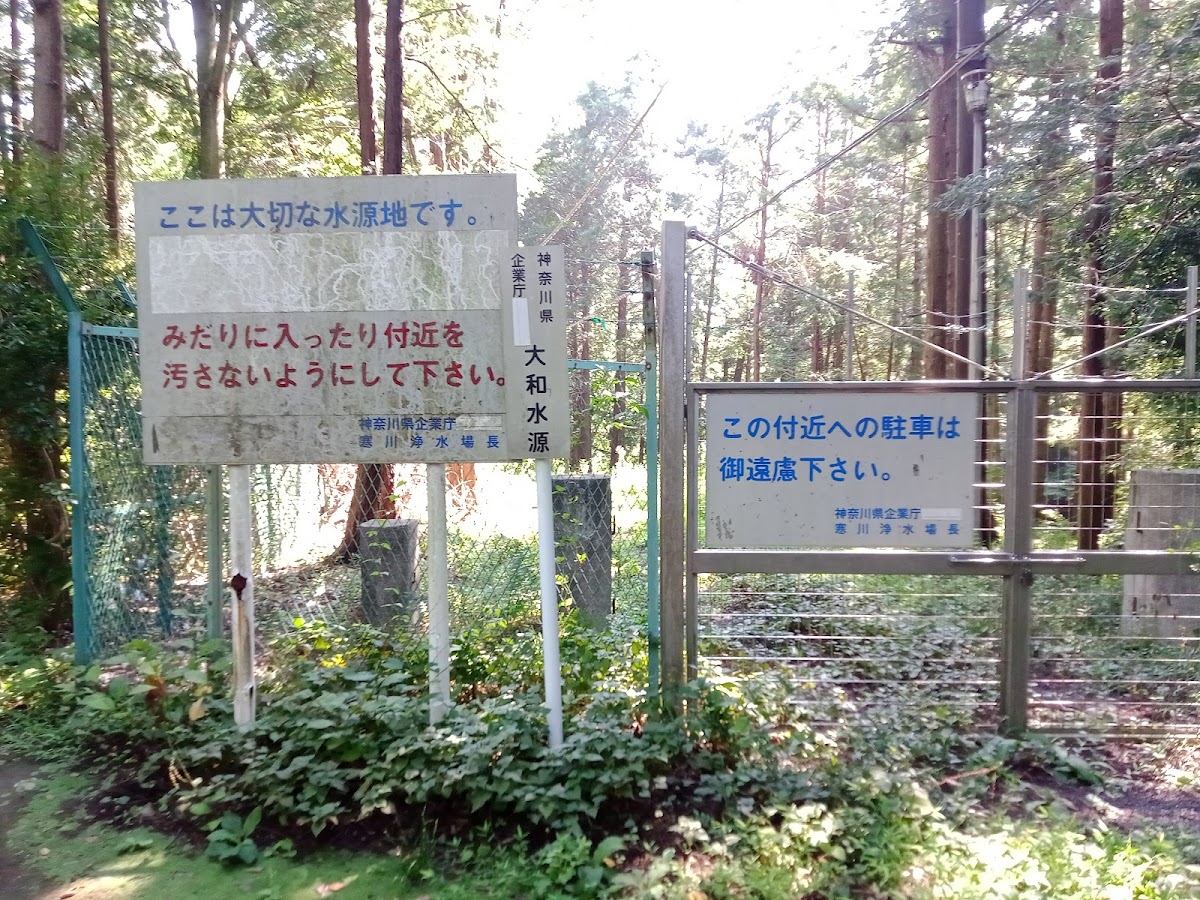
There are only limited parking spaces around Minoge Bus Stop. Roadside parking is a nuisance to local residents, so using public transportation is recommended. There are several paid parking lots for climbers in the Minoge district, but these can be crowded on holidays.
Hiking Route Details and Time Required
The hiking route from Minoge Bus Stop to Harutake Yusui follows the trail along the Kaneme River.
Route Overview:
- Distance: Approximately 1.5km
- Time Required: 20-30 minutes on foot (varies by individual fitness level)
- Elevation Gain: Approximately 100m
- Difficulty Level: Beginner (light hiking level)
Along the way, you walk alongside a valley rich in nature, allowing you to enjoy forest bathing while heading to the spring water point. However, the ground becomes slippery during rain or after rain, so wearing appropriate footwear such as trekking shoes or sneakers is recommended.
Water Collection at Harutake Yusui | Facilities and Precautions
Water collection is possible at Harutake Yusui through the kindness of local residents. Observe proper etiquette when using the facility.
Water Collection Point Facilities
The water intake at Harutake Yusui is a piped water system. Clear water flows from a pipe led from the spring water point, allowing you to collect water in plastic bottles, water bottles, and the like.
Facility Characteristics:
- Direct piped water collection method
- Water volume fluctuates by season and weather
- Small rest space available nearby
- Information board installed with explanations of the spring water
Water Collection Etiquette and Precautions
Harutake Yusui is a valuable water resource that is also used as a local water source. Observe the following etiquette when using it.
- Use Clean Containers
- Bring containers that have been thoroughly cleaned beforehand
- Be careful not to contaminate the water source with dirty containers
- Avoid Dirtying the Surroundings
- Always take trash home with you
- Pay attention to water droplets after collecting water
- Avoid Long-Term Occupation
- If other users are present, show courtesy by yielding
- If collecting large quantities, avoid busy times
- Use Raw Water at Your Own Risk
- While water quality is good, consuming raw spring water is at your own risk
- If concerned, it is recommended to boil before consuming
- Those in poor health or with weakened immunity should take special care
- Consideration for Private Land
- The surrounding area is a residential district of local residents
- Be careful not to cause trouble through noise or unauthorized trespassing
Recommended Containers and Belongings for Water Collection
The following items are convenient to have when collecting water at Harutake Yusui.
Recommended Containers:
- Plastic bottles (approximately 2L is easy to handle)
- Water tanks (folding type is convenient)
- Water bottles or containers
Helpful Items to Bring:
- Towel (for wiping water droplets)
- Plastic bag (for wet containers)
- Backpack (safer with hands free)
- Light snacks and drinking water (for the round trip)
- Rain wear (to prepare for weather changes)
Tourist Spots Around Harutake Yusui
When visiting Harutake Yusui, you can also enjoy nature and tourist spots in the surrounding area.
Harutake Sandbank (春嶽堰堤)
Near Harutake Yusui is a sandbank called Harutake-entei. Located in the upper reaches of the Kaneme River, this sandbank was installed to prevent sediment disasters and tells the story of Tanzawa’s history of flood control. The area around the sandbank is also known as a spot where you can enjoy gorge scenery.
Mitsumata Thicket
Beyond the Kaneme River from Harutake Yusui is a dense thicket of mitsumata on the slope of a Japanese cedar forest. Maintained by local residents, this thicket displays golden flowers in full bloom from late March to early April, creating a beautiful scene announcing the arrival of spring.
Mitsumata is also known as the raw material for Japanese washi paper and is one of Tanzawa’s representative spring flowers. During the blooming season, many photography enthusiasts and nature lovers visit.
History and Culture of the Minoge District
The Minoge district is an ancient region that flourished as a base for pilgrimages to Oyama. During the Edo period, it prospered with visitors to Oyama, and many lodges and tea houses lined the streets. Today, historical structures and stone monuments remain, allowing you to sense echoes of the past.
Source Area of the Kaneme River
Harutake Yusui is located in the source area of the Kaneme River, which flows into Sagami Bay. The Kaneme River is a Class II river approximately 40km long that flows into Sagami Bay through Hiratsuka City. Known as a clear stream, a rich ecosystem is nurtured along its banks.
Walking downstream from the spring water point, you can enjoy beautiful stream scenery, and during summer, you can spend healing moments in nature full of freshness.
Hiking and Trekking Courses with Harutake Yusui as the Starting Point
Harutake Yusui is also used as a starting point for mountaineering and hiking in the Tanzawa Mountains.
Route to Oyama Area
The route from Harutake Yusui to Oyama (elevation 1,252m) is popular as an intermediate-level climbing course. The route from Minoge to Oyama typically goes via the Itatsumi Ridge, with a travel time of approximately 3 hours one way.
Oyama is known as a mountain with excellent views overlooking the Kanto Plain and has the main hall of Oyama Afuri Shrine at its summit. Many climbers collect water at Harutake Yusui before starting their climb.
Access to Yabitsu Pass Area
From the Minoge district to Yabitsu Pass (elevation 761m) takes approximately 1 hour walking on a mountain road. Yabitsu Pass is famous as a starting point for the Tanzawa front ridge climbing route, and some hikers visit the pass via Harutake Yusui.
From Yabitsu Pass, routes extend to the Tanzawa main ridge including To-no-dake and Tanzawa-san mountains, serving as a starting point for serious mountaineering.
Sengen-yama Area
Near Harutake Yusui are low mountains including Sengen-yama (approximately 600m elevation) and Harutake-yama, where you can enjoy light hiking. These mountains are easy to climb for beginners and are popular with families.
Seasonal Charm of Harutake Yusui
Harutake Yusui is a natural spot that displays different faces throughout the four seasons.
Spring (March to May)
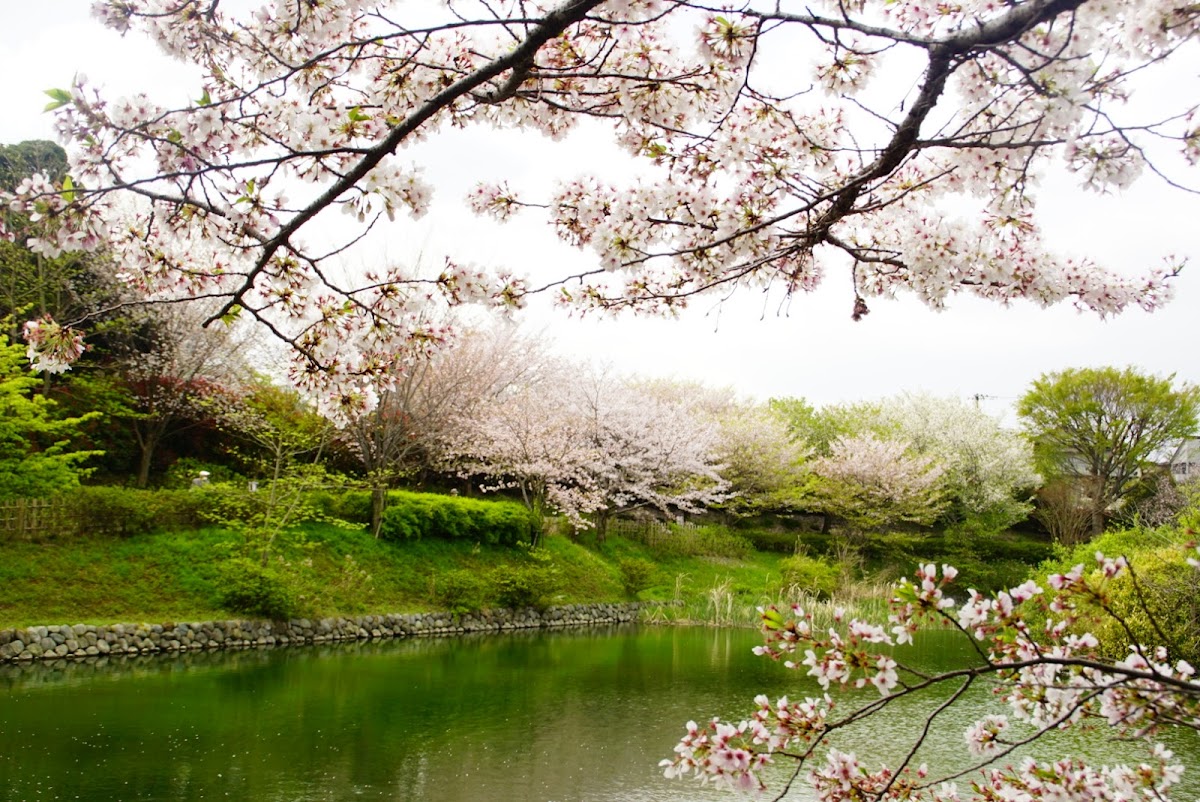
Spring is the season of fresh greenery, with mountains in the surrounding area wrapped in budding green leaves. From late March to early April, golden mitsumata flowers bloom abundantly, and the Harutake Yusui area bustles with cherry blossom viewers. Wild flowers such as wild cherry blossoms and Japanese kerria are also visible, adding color to spring mountain walks.
The temperature is pleasant and the season is ideal for water collection and hiking. However, those with hay fever should not forget to take precautions.
Summer (June to August)
Summer is the season of deep green, with the hiking trail along the gorge offering plenty of shade and feeling cool. The cold spring water is pleasant, making water collection particularly enjoyable on hot days.
During the rainy season (June to early July), there is more rain and water volume increases, but caution is needed as the ground becomes slippery. In summer, visiting in the cool early morning or evening hours is recommended.
Autumn (September to November)
Autumn is the season of fall foliage, with mountains in Tanzawa turning red and yellow. Late October to early November is peak viewing season, and the trail along the Kaneme River is surrounded by beautiful autumn scenery.
As temperatures drop and the air becomes clearer, the transparency of the water increases further, and you can feel the beauty of the spring water even more. The season is ideal for climbing and hiking, and many people visit.
Winter (December to February)
Winter sees fewer visitors, allowing you to enjoy the spring water in a quiet atmosphere. On cold days, you can experience the strange sensation of spring water feeling warm. Snow and freezing are possible, so when visiting in winter, prepare cold-weather gear and non-slip footwear. On clear days, you can view the Tanzawa mountains in the clear winter air.
Clothing and Equipment for Visiting Harutake Yusui
Accessing Harutake Yusui requires equipment for light hiking.
Recommended Clothing
- Comfortable Clothing: Stretch pants are recommended over jeans
- Layering: Wear clothing that is easy to remove and add to adapt to temperature changes
- Hat: To protect your head from sun and branches
- Gloves (Winter): For cold weather protection
Required Equipment
- Trekking Shoes or Sneakers: With non-slip soles
- Backpack: Safer with hands free
- Drinking Water: Sufficient for the round trip
- Towel: For wiping sweat and during water collection
- Rain Wear: To prepare for sudden weather changes
- Map or Smartphone: To avoid getting lost
- First Aid Kit: To prepare for unexpected injuries
Safety Precautions
- Avoid Solo Travel: Try to visit with others if possible
- Check Weather: Check the forecast beforehand and don’t push if there’s bad weather
- Allow Extra Time: Plan to descend before sunset
- Cellular Reception: Be aware that cell signal may be weak in mountainous areas
- Wild Animals: Be cautious of wild animals such as bears and wild boars, and walk while making noise
Other Famous Water Spots in Hadano City
Hadano City has many spring water spots besides Harutake Yusui.
Kobo’s Clear Water
One of the most famous spring water spots in Hadano City with legends remaining of Kobo Daishi. It’s relatively close to Hadano Station and easy to access.
Gomayashiki Water
Spring water located on the middle slope of Oyama, where pilgrims to Oyama historically quenched their thirst. Currently used by climbers.
Tochikubo Water
Spring water in the Tochikubo district of Hadano City, cherished by local residents as a water source. With abundant water volume, it’s also popular as a water collection spot.
Imaizumi Yusui Pond
A spring water pond in Imaizumi, Hadano City, developed as a park where families can easily visit. Carp swim in the pond, allowing you to enjoy a peaceful atmosphere.
Environmental Conservation Activities for Harutake Yusui
The spring water group in Hadano City, including Harutake Yusui, is an important water resource for the region, with both government and local residents cooperating in conservation activities.
Hadano City Initiatives
Hadano City is putting effort into the conservation and utilization of spring water as a “town of famous waters.” Through regular monitoring of water quality, environmental improvements around spring water areas, and installation of information boards, the city is working to protect spring water while utilizing it as a tourist resource.
Community Resident Activities
Residents of the Minoge district regularly conduct cleanup activities around Harutake Yusui and maintain the hiking trails. Maintenance of the mitsumata thicket is also supported by volunteer activities by local residents.
How Visitors Can Contribute
Visitors can contribute to environmental conservation through the following actions:
- Take all trash home with you
- Do not pick plants
- Do not enter areas outside designated locations
- Do not contaminate water sources
- Follow local rules
These small considerations help preserve valuable spring water for future generations.
Conclusion: Experience the Blessings of Nature at Harutake Yusui
Harutake Yusui is a natural blessing of which Hadano City, Kanagawa Prefecture, is proud and a spring water spot of high quality as soft water with low hardness. Accessible by light hiking of approximately 30 minutes from Minoge Bus Stop, it offers multifaceted charm not only for water collection but also as a starting point for nature walks and mountaineering in the surrounding area.
The clear water nurtured by the rich natural environment of Tanzawa is a valuable resource used as a local water source. When visiting, observe proper etiquette and consider environmental conservation while experiencing the blessings of nature.
Harutake Yusui and its surroundings display different faces throughout the seasons and are charming spots with new discoveries each time you visit. Why not visit Hadano City’s famous water once?