Complete Guide to Minowa Spring Water (Chiba Prefecture): Thorough Explanation from Access, Water Quality, and History to Surrounding Tourism
Among the precious spring waters scattered throughout Chiba Prefecture, Minowa spring water is a water source that has long been cherished by local residents. This article provides detailed information about the characteristics of Minowa spring water, how to access it, water quality, historical background, and surrounding tourism information—all useful for those considering a visit.
What is Minowa Spring Water?
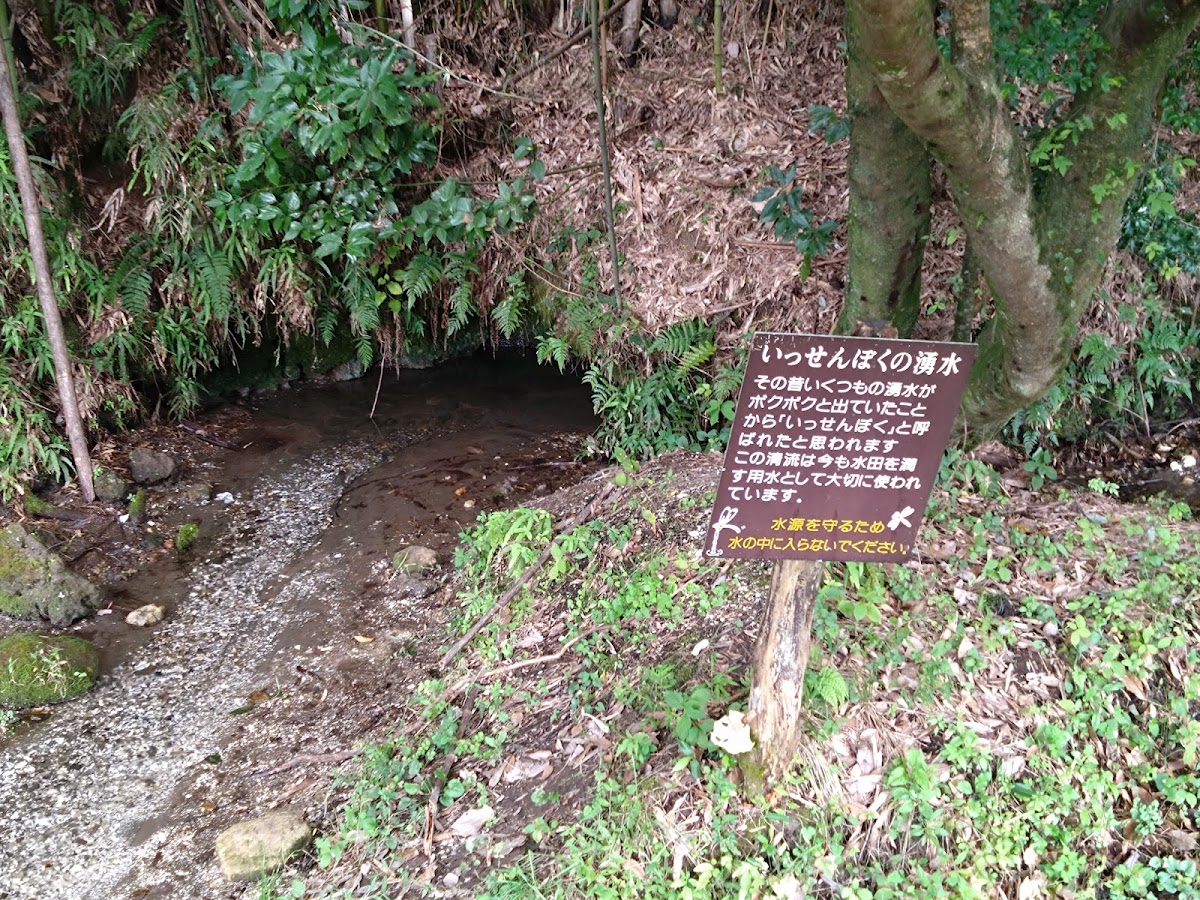
Minowa spring water is one of the natural spring waters existing in Chiba Prefecture, a precious water source where groundwater wells up to the surface. Chiba Prefecture forms part of the Kanto Plain, and geologically, the Shimosa Plateau, called an alluvial upland, spreads across the region. In the marginal areas of this plateau and in valleys called “yatsu” (谷), there are scattered locations where groundwater springs forth.
Geological Background of Spring Water
Spring water in Chiba Prefecture primarily emerges from sand and gravel layers or highly permeable strata that exist beneath the Kanto loam layer. Rainwater penetrates into the ground and is accumulated as groundwater until reaching an impermeable layer. Spring water appears on the surface due to differences in terrain elevation and the inclination of geological strata. This is how spring water is formed.
Minowa spring water is believed to have been formed through such a geological structure. At the boundary between uplands and lowlands, groundwater naturally springs forth easily, and has long been used as domestic water and agricultural water.
Characteristics of Minowa Spring Water
Water Quality Characteristics
Water quality is greatly influenced by the geology and environment of the region. Generally, spring water has the following characteristics:
- Water Temperature Stability: Water temperature remains relatively constant throughout the year (usually around 15-17 degrees Celsius)
- Clarity: Due to natural filtration as water passes through soil layers, transparency is high
- Mineral Content: Contains minerals from the geological strata, offering a unique taste
Water quality can fluctuate depending on season and precipitation, so when considering drinking it, it is essential to confirm the latest water quality test results.
Spring Flow Volume and Seasonal Variation
The spring flow volume varies seasonally with precipitation and groundwater level changes. Generally, the flow volume increases during the rainy season and typhoon season when groundwater is abundant, and tends to decrease during the dry winter period.
Access Methods to Minowa Spring Water
Location Information
When visiting Minowa spring water, it is important to confirm the precise location in advance. Many spring waters in Chiba Prefecture are located near residential areas or farmland, and may be adjacent to private property, so visitors must observe proper etiquette.
Access via Public Transportation
Access to spring water spots in Chiba Prefecture typically involves a combination of train and bus. You can reach them from the nearest station by bus or taxi, or in some cases by foot.
Access by Automobile
When considering access by private vehicle, attention to the following points is necessary:
- Parking Space: Since there are often no dedicated parking lots, nearby paid parking must be used
- Road Conditions: Narrow roads or farm roads may be used, so large vehicles should be avoided
- Using Map Applications: Confirm the route in advance using car navigation or smartphone map applications
History and Cultural Background of Minowa Spring Water
The Role of Spring Water in the Region
Spring water in Chiba Prefecture has long been used as an essential water source for local residents’ lives. From the Edo period and earlier, it was utilized for the following purposes:
- Domestic Water: Drinking water and water for cooking and washing
- Agricultural Water: Irrigation for rice paddies and fields
- Industrial Water: For traditional industries such as brewing and dyeing
- Object of Faith: Regarded as sacred due to its purity and used in religious ceremonies
Conservation Activities in Modern Times
In recent years, urbanization and environmental changes have caused problems of spring water decline and water quality deterioration. In many regions, conservation activities are being conducted by local residents and volunteer organizations:
- Cleaning Activities: Regular cleaning of the area around spring water
- Water Quality Surveys: Regular water quality testing
- Environmental Education: Utilized as a place for environmental learning for children
- Vegetation Management: Appropriate management of surrounding trees and grassland
Spring Water Use and Precautions
Use as Drinking Water
When using spring water as drinking water, the following points require careful attention:
Confirming Safety
- Check the latest water quality test results
- Confirm the absence of E. coli and harmful substances
- Verify that local government or managing organizations explicitly indicate “safe to drink”
Precautions When Drinking
- Boiling before drinking is recommended
- Avoid drinking during illness or when immune function is low
- Special care is necessary for infants and the elderly
Etiquette When Drawing Water
When drawing water from a spring, observe the following etiquette:
- Respect Order: Wait for your turn if other users are present
- Avoid Monopolizing Time: After drawing the necessary amount, promptly yield the space
- Maintain Cleanliness: Pre-wash containers and do not contaminate the spring outlet
- Take Away Your Trash: Always take your own garbage with you
- Consider Surrounding Private Property: Exercise special consideration if the surroundings are private property
Other Famous Waters and Spring Water Spots in Chiba Prefecture
Besides Minowa spring water, many other spring water spots exist in Chiba Prefecture. Here are some representative ones:
Kururi Famous Water (Kimitsu City)
Kururi in Kimitsu City is known as the “town of water,” with multiple wells and springs in the urban area. It has been selected for the “Heisei Top 100 Famous Waters” and attracts many tourists.
Kumano Clear Water (Chonan Town)
A spring water in Chonan Town, Chosei District, cherished by local residents. With stable water temperature, it feels cold in summer and warm in winter.
Shiraiwa Falls (Otaki Town)
A waterfall in Otaki Town, Isumi District, with spring water as its water source. The surrounding area is rich in nature and is popular as a hiking course.
Tourist Spots Around Spring Water
When visiting Minowa spring water, you can enjoy surrounding tourist spots. Here are some of Chiba Prefecture’s attractive sightseeing destinations:
Nature and Landscape Spots
Boso Satoyama Landscape
The inland areas of Chiba Prefecture preserve beautiful satoyama (traditional rural landscape). The landscape woven by rice paddies, deciduous forests, and small streams presents a different appearance with each season.
Yatsu Fields (Yatsu-ta)
Rice paddies formed in valley-shaped terrain carved into uplands, with high biodiversity and preserved rare ecosystems.
Historical and Cultural Spots
Historic Shrines and Temples
Chiba Prefecture has many ancient shrines and temples. Those near spring water often have deep connections with water.
Castle Ruins and Historical Heritage
The Boso Peninsula has scattered castle ruins from the Sengoku period and historical sites from the Edo period, where you can enjoy historical exploration.
Gourmet and Local Products
Local Agricultural Products
Chiba Prefecture has active agriculture, with abundant fresh vegetables and fruits. You can enjoy local flavors at direct sales shops and roadside stations.
Regional Cuisine
You can taste regional cuisine unique to Chiba Prefecture, blessed with both sea and mountain resources.
What We Can Do to Protect Spring Water
There are things each of us can do to pass on precious spring water to the future:
Environmental Conservation Awareness
- Protection of Water-Source Forest: Cherish forests that serve as water sources for springs
- Reduction in Chemical Use: Control excessive use of pesticides and chemical fertilizers
- Appropriate Groundwater Use: Avoid excessive groundwater pumping
- Prevention of Illegal Dumping: Prevent environmental pollution
Participation in Community Activities
By participating in spring water conservation activities and cleanup events held in your community, you can contribute directly to conservation. It also provides an opportunity to learn local history and culture.
Passing On to the Next Generation
Conveying the value and importance of spring water to children and utilizing it as an environmental education venue is also important. Developing awareness of gratitude for nature’s gifts and sustainable use will lead to long-term conservation.
How to Enjoy Your Spring Water Visit
Scenery Through the Four Seasons
Spring water areas show different appearances with each season:
- Spring: Fresh greenery is beautiful, and birdsong can be heard
- Summer: The area around the cool spring acts as a natural air conditioner
- Autumn: The contrast between autumn leaves and clear water is beautiful
- Winter: You may see frost and ice as natural art
Photography Tips
Spring water is an excellent photography spot:
- Water Surface Reflection: Surrounding greenery and sky reflected on the water surface
- Water Flow: Express water movement with slow shutter speed
- Living Creatures: Small fish and aquatic insects in the spring
- Seasonal Changes: Photograph the same spot in different seasons for comparison
Nature Observation
The area around spring water is a habitat for diverse organisms:
- Aquatic Life: Medaka fish, loach, freshwater crabs, etc.
- Plants: Wetland-preferring plants and aquatic vegetation
- Waterfowl: Various bird species visiting water areas
- Insects: Dragonflies, fireflies, and other aquatic insects
Scientific Knowledge About Spring Water
Groundwater Circulation
Spring water is part of Earth’s water cycle system. It repeats: precipitation → infiltration → groundwater → spring outflow → rivers → sea → evaporation → precipitation. This cycle can take from several years to several decades, so water welling up today may be rainwater from years ago.
Water Quality Formation Mechanism
Spring water quality is determined by the type of geological strata water passes through and retention time:
- Limestone Areas: Hard water rich in calcium and magnesium
- Volcanic Rock Areas: Medium-hard water with good mineral balance
- Sand and Gravel Layers: Relatively soft water that is easy to drink
Spring Water and Climate Change
Recent climate change also affects spring water. Changes in precipitation patterns and rising temperatures have caused changes in flow volume and water temperature in some locations. Long-term monitoring is important.
Best Season to Visit Minowa Spring Water
The optimal time to visit spring water varies depending on your purpose:
When Water Volume is Abundant
After the end of the rainy season or after typhoons pass, groundwater is abundant and spring flow increases. However, water may be turbid immediately after heavy rain, so it is recommended to wait a few days before visiting.
When Weather is Comfortable
Spring (April-May) and autumn (October-November) have mild weather and are ideal for exploring around the spring. Summer is also good for seeking coolness.
When Suitable for Organism Observation
From spring to early summer, aquatic organisms are active and observation is suitable. At springs where fireflies inhabit, fantastic scenery can be seen around June.
Checklist of Items to Bring When Visiting
Convenient items to bring when visiting Minowa spring water:
Essential Items
- Clean Container: For drawing water
- Towel: For wiping hands and containers
- Garbage Bag: For taking your trash home
- Insect Repellent Spray: Necessary depending on season
- Hat and Sunscreen: For sun protection
Convenient Items
- Camera: To record beautiful scenery
- Binoculars: For bird watching
- Notebook: For observation records
- Small Cooler Box: To keep drawn water cold on the way home
- Boots or Waterproof Shoes: For cases where feet may get wet
Summary: Experience the Charm of Minowa Spring Water
Minowa spring water is a precious natural resource of Chiba Prefecture and an existence that conveys the region’s history and culture to the present day. Witnessing clear water spring forth allows you to tangibly appreciate nature’s blessings and the importance of water.
When visiting, keep the following points in mind:
- Advance Information Gathering: Confirm access methods and site conditions
- Observing Etiquette: Consideration for local residents and other visitors
- Safety First: Confirm water quality when drinking
- Environmental Conservation: Cherish nature and take trash home
- Spirit of Enjoyment: Savor the beauty of nature in each season
Visiting Minowa spring water allows you to feel the connection with nature that urban life cannot provide and offers both physical and mental refreshment. It is our responsibility to protect Chiba Prefecture’s rich natural environment and pass on the blessings of spring water to the next generation.
Please visit in person and experience the charm of Minowa spring water. The sound of clear water, surrounding greenery, seasonal scents—experiencing the world of spring water with all five senses will surely become an unforgettable memory.