Artesian Spring “Taro” (Chiba Prefecture) Complete Guide | Famous Water Spot at Togawa Water Village Park
Togawa Water Village Park, located in Wakaba Ward, Chiba City, Chiba Prefecture, is home to a precious spring water spot called “Artesian Spring Taro.” This artesian spring boasts the largest water discharge volume in the Togawa river basin and has long been cherished by local residents. This article provides detailed information about the history, characteristics, access methods, and attractions surrounding “Taro” artesian spring.
What is “Taro” Artesian Spring?
Basic Information About the Artesian Spring
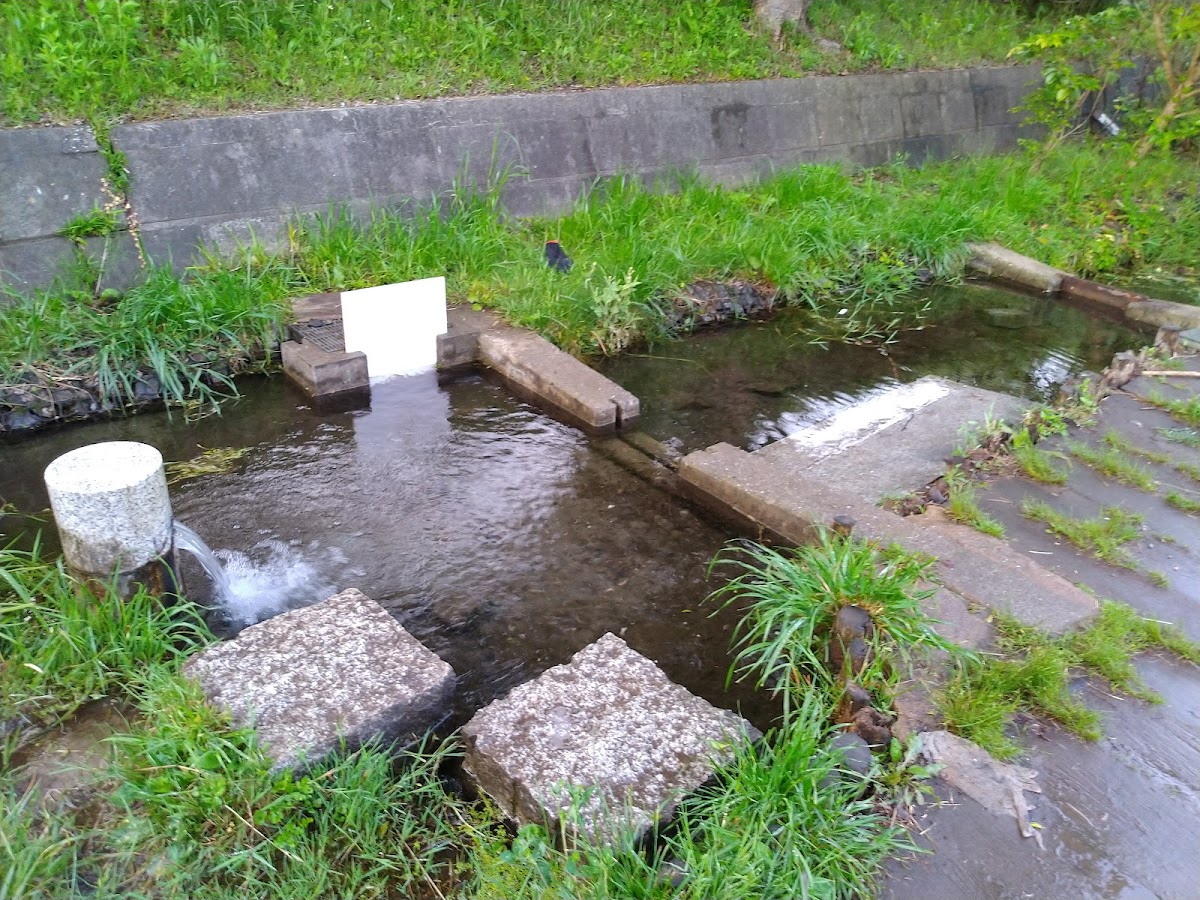
“Taro” Artesian Spring is a well installed in Togawa Water Village Park at 258-1 Omiya-cho, Wakaba Ward, Chiba City, Chiba Prefecture. An “artesian spring” (jifunsei) refers to a well from which water naturally flows to the surface due to underground water pressure, without requiring an artificial pump.
Basic Data:
- Name: Artesian Spring Taro
- Location: 258-1 Omiya-cho, Wakaba Ward, Chiba City, Chiba Prefecture (within Togawa Water Village Park)
- Daily Water Discharge: Approximately 170–240 tons per day
- Characteristics: Boasts the largest water discharge volume in the Togawa river basin
- Origin of Nickname: Affectionately called “Taro” by local residents
Why Is It Called “Taro”?
The background to this artesian spring being called by the familiar name “Taro” lies in its deep connection with the local community. While multiple artesian springs exist in the Togawa river basin, this well, which possesses the largest discharge volume among them, was named “Taro” as if it were the eldest son in the family. This naming reflects gratitude and affection toward water.
About Togawa Water Village Park
Park Overview and History
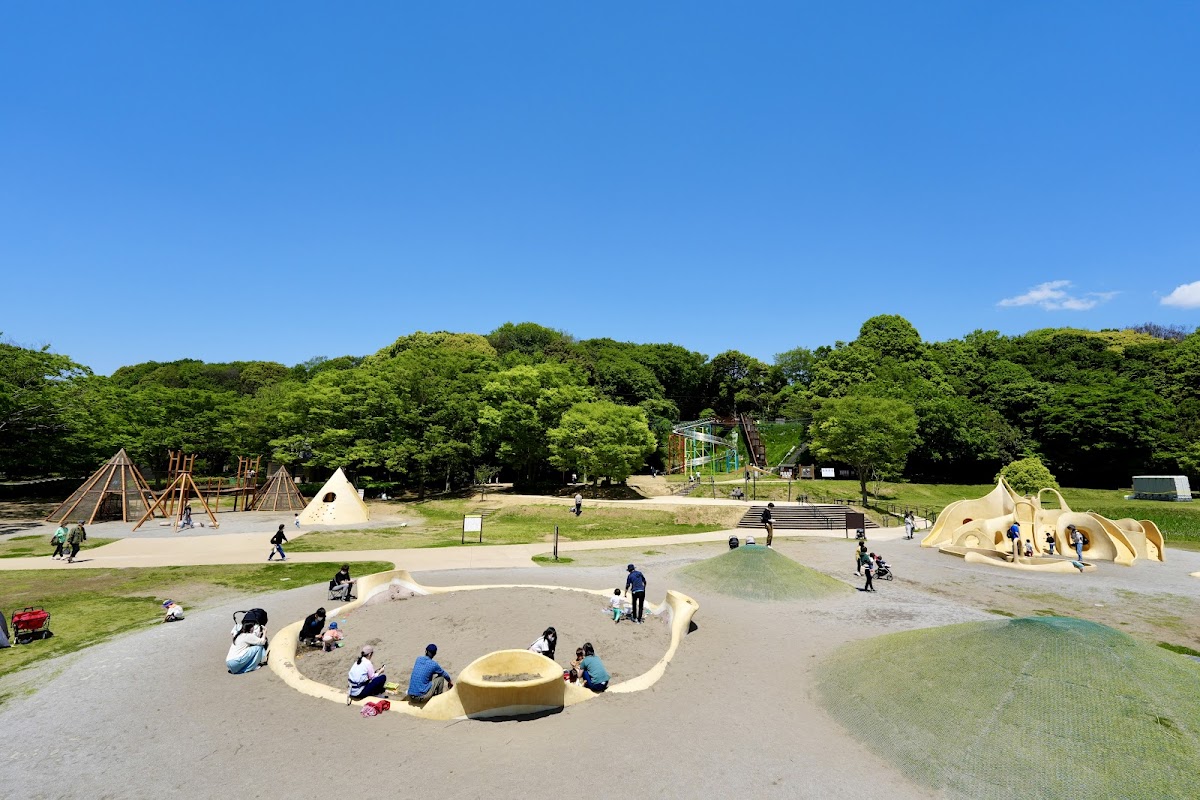
Togawa Water Village Park began development in fiscal year 2009 and partially opened in fiscal year 2010, making it a relatively new park. Adjacent to Chiba City’s Urban Greening Botanical Garden, it was developed as a comprehensive park that conserves and utilizes the rich water environment and rural landscape of the Togawa river basin.
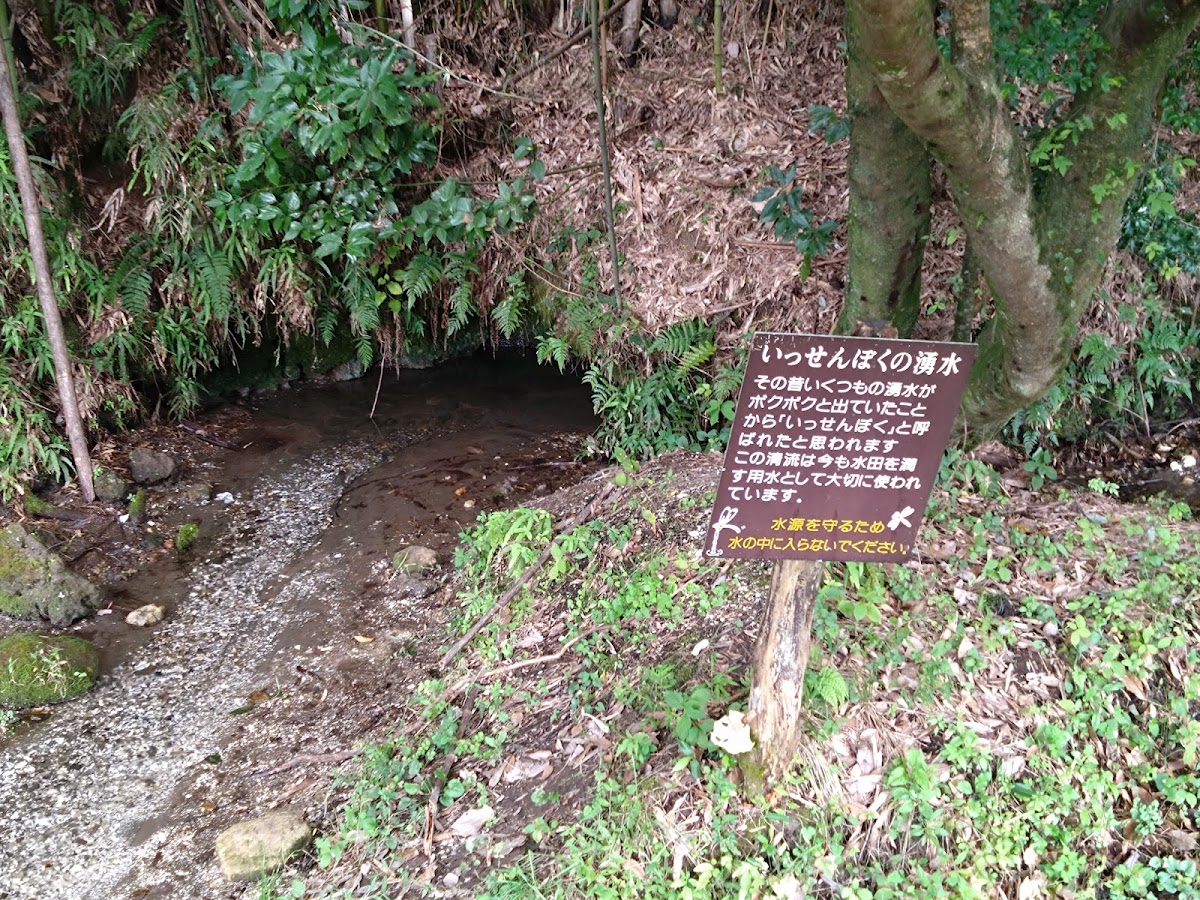
Within the park is the Ogata Rice Paddy Area, where “Taro” artesian spring is located. The artesian spring, once used as irrigation water for agriculture, is preserved to convey the blessings of water and regional history to future generations.
Park Facilities and Features
Togawa Water Village Park functions as a waterfront park with the following facilities and features:
- Rural Landscape Preservation: Traditional rice paddy scenery remains, allowing visitors to enjoy a countryside atmosphere despite proximity to urban areas
- Recreational Space: Benches and rest areas are provided for leisurely relaxation in nature
- Waterfront Environment: Waterfront space utilizing the former course of the Togawa River allows observation of aquatic organisms
- Free Parking: Parking facilities are complete for visitors, making car access convenient
Water Quality and Use of “Taro” Artesian Spring
Characteristics of the Spring Water
Water flowing from “Taro” Artesian Spring is groundwater pushed to the surface by natural pressure from deep underground. The abundant daily discharge of 170–240 tons indicates the geological structure of the Togawa river basin and the existence of rich groundwater veins.
Water temperature remains relatively stable year-round, feeling cool in summer and warm in winter. This is because groundwater is less affected by surface temperature fluctuations.
Use as Drinking Water
In the past, many people came to draw water from “Taro” artesian spring. However, water quality test results now indicate that it does not fully meet drinking water standards. Therefore, use as drinking water is not recommended.
Groundwater undergoes natural filtration, but can be affected by surrounding land use and geology. Due to environmental changes in the Togawa river basin, use as pure drinking water like in the past has become difficult.
Current Uses
Though unsuitable for drinking, “Taro” artesian spring is utilized in the following ways:
- Environmental Education: As teaching material for learning about natural water cycles
- Landscape Preservation: Communicating the culture of historical water use
- Ecosystem Maintenance: Supplying water to surrounding rice paddies and waterways, supporting biodiversity
- Recreation Space: As a healing spot for enjoying water sounds and scenery
Artesian Spring Culture of the Togawa River Basin
Geology and Hydrological Environment of the Togawa River Basin
The Togawa is a secondary class river flowing through Chiba City, with characteristic geological structure in its basin. The Shimosa Plateau’s strata consist of alternating highly permeable sand layers and impermeable clay layers, creating confined groundwater.
Confined groundwater refers to underground water trapped between permeable layers within impermeable strata. Since pressure is applied, water naturally springs to the surface when a well is dug. Numerous such artesian springs exist in the Togawa river basin, with “Taro” being a prime example.
History of Agriculture and Artesian Springs
In Chiba Prefecture’s agricultural regions, artesian springs have been valued water sources since the Edo period. Particularly for rice paddy agriculture, securing stable water sources was critical. Artesian springs were extremely valuable to farmers because they provided water through natural force without requiring manual pump operation.
In the Togawa river basin’s rice paddy areas, water from artesian springs was utilized as irrigation water, supporting regional rice production. “Taro” artesian spring likely played an important role in supplying water to surrounding rice paddies.
Water Deity Belief and Artesian Springs
In many places throughout Japan, water deities are enshrined at spring water locations and wells. Records remain of an artesian spring on the right bank of the Murata River, which flows along the boundary between Ichihara and Chiba Cities, where a water deity was enshrined.
Water is the source of life and an indispensable resource for agriculture. Consequently, places where water springs forth have been viewed as sacred, carefully protected with gratitude and reverence. The familiar name “Taro” artesian spring reflects appreciation for water.
Access Information and Visiting Details
Access by Public Transportation
Togawa Water Village Park is located somewhat away from the city center, making access by public transportation somewhat inconvenient.
Route from Nearest Station:
- Using bus from JR Soga Station
- Walking required from bus stop (confirm bus routes and schedules on Chiba City’s homepage or the Chiba Central Bus website)
When using public transportation, it is recommended to check bus schedules in advance and plan with adequate time.
Access by Automobile
Car access is most convenient.
Parking Information:
- Free parking available
- Togawa Water Village Park dedicated parking lot
- Chiba City Urban Greening Botanical Garden parking lot nearby
GPS Settings:
- Address: 258-1 Omiya-cho, Wakaba Ward, Chiba City, Chiba Prefecture
- Facility Name: Togawa Water Village Park
Precautions for Visiting
When visiting “Taro” artesian spring, observe the following:
- Not for Drinking: Water quality makes it unsuitable for drinking, so avoid using it as drinking water
- Season and Clothing: As the park is in a natural environment, wear season-appropriate clothing and bring insect repellent
- Opening Hours: Confirm park opening hours in advance (especially note early sunsets in winter)
- Facilities: Facilities such as restrooms and vending machines are limited, so prepare necessary items beforehand
Nearby Attractions and Combined Enjoyment
Chiba City Urban Greening Botanical Garden
The Chiba City Urban Greening Botanical Garden, adjacent to Togawa Water Village Park, allows visitors to enjoy seasonal plants. Visiting alongside “Taro” artesian spring enables a more fulfilling nature experience.
The botanical garden allows observation of different flowers and trees by season, with exhibits and lectures on gardening and greening. It is recommended as a date spot for couples and family outings.
Natural Observation of the Togawa River
Surrounding Togawa Water Village Park is a waterfront space utilizing the former course of the Togawa River, where observation of aquatic organisms and birds is enjoyable. From spring through summer, many insects such as dragonflies and butterflies are visible.
For nature observation enthusiasts, the Togawa river basin is a valuable field. Bringing a camera or binoculars allows deeper enjoyment of nature.
Local History Walking Tour
Throughout Wakaba Ward in Chiba City, historical spots such as Kasori Shellmound are scattered. Using “Taro” artesian spring as a starting point for a walking tour of the area’s history and culture can be rewarding.
Importance of Spring Water Conservation
Environmental Ministry’s Spring Water Conservation Activities
The Ministry of the Environment supports spring water conservation activities nationwide through its “Spring Water Conservation Portal Site.” Spring water has long been cherished by local people as water for daily use and agriculture, with many serving as water sources for small and medium rivers.
Urban spring water provides precious natural resources offering moisture and peace for people. Conserving spring water spots like “Taro” artesian spring is important from perspectives of ecosystem maintenance and cultural inheritance.
Changes and Challenges in Groundwater Environment
In recent years, the groundwater environment has undergone significant changes due to urbanization. Increased asphalt paving of ground surfaces reduces rainwater infiltration into groundwater, decreasing underground water recharge volume.
Additionally, excessive groundwater extraction risks causing land subsidence and reduced spring discharge. Maintaining “Taro” artesian spring’s discharge volume requires comprehensive groundwater conservation efforts across the Togawa river basin.
What We Can Do
There are things each of us can do to protect spring water:
- Practice Water Conservation: Reduce daily water usage, valuing groundwater resources
- Promote Rainwater Infiltration: Install home rainwater tanks or choose permeable paving
- Environmental Clean-up Activities: Participate in community cleaning to prevent water pollution
- Environmental Education: Teach children water’s importance, cultivating next-generation environmental awareness
Charm and Value of Visiting “Taro” Artesian Spring
Experiencing Nature’s Blessings in Urban Suburbs
Despite being in Chiba City’s urban area, “Taro” artesian spring allows direct experience of natural water cycles. Hearing the sound of water flowing from underground and feeling its coolness is a precious experience providing respite from daily hustle.
Particularly on hot summer days, the spring’s surroundings feel cool, functioning like a natural air conditioner. Sitting by the water for rest refreshes both body and mind.
Appeal as a Photography Spot
“Taro” artesian spring has appeal as a photography subject for enthusiasts. Flowing water movement, surrounding greenery, and seasonal scenery offer various composition opportunities.
Particularly, photographing in morning light or soft sunset light creates atmospheric, whimsical images. It is gaining attention as an Instagram-worthy spot.
As an Environmental Learning Space
“Taro” artesian spring is an ideal location for school field trips and family environmental education. Multi-perspective learning is possible regarding artesian spring mechanics, groundwater circulation, and ecosystem relationships.
Information signs are installed allowing visitors to gather basic information on-site. Combined with prior study, deeper understanding is achievable.
Conclusion: Visit “Taro” Artesian Spring
“Taro” artesian spring in Togawa Water Village Park in Wakaba Ward, Chiba City is a precious spring water spot boasting the largest water discharge in the Togawa river basin. Witnessing 170–240 tons of groundwater daily spring to the surface through natural pressure impresses visitors with nature’s strength and blessings.
Though drinking water use is not recommended, it holds considerable value as environmental education space, natural observation site, and healing environment. Togawa Water Village Park, retaining rich natural surroundings despite suburban location, is ideal for weekend strolls and family outings.
Visiting alongside Chiba City’s Urban Greening Botanical Garden enables a more fulfilling day. As an opportunity to appreciate nature’s blessings and reconsider water resources’ importance, please visit “Taro” artesian spring.
Why not spend special time away from daily life at this spring water spot where regional history and culture pulse with vitality?