Complete Guide to the Spring Water of Akagi Shrine (Gunma Prefecture) | History, Access, Water Quality, and Surrounding Tourist Information
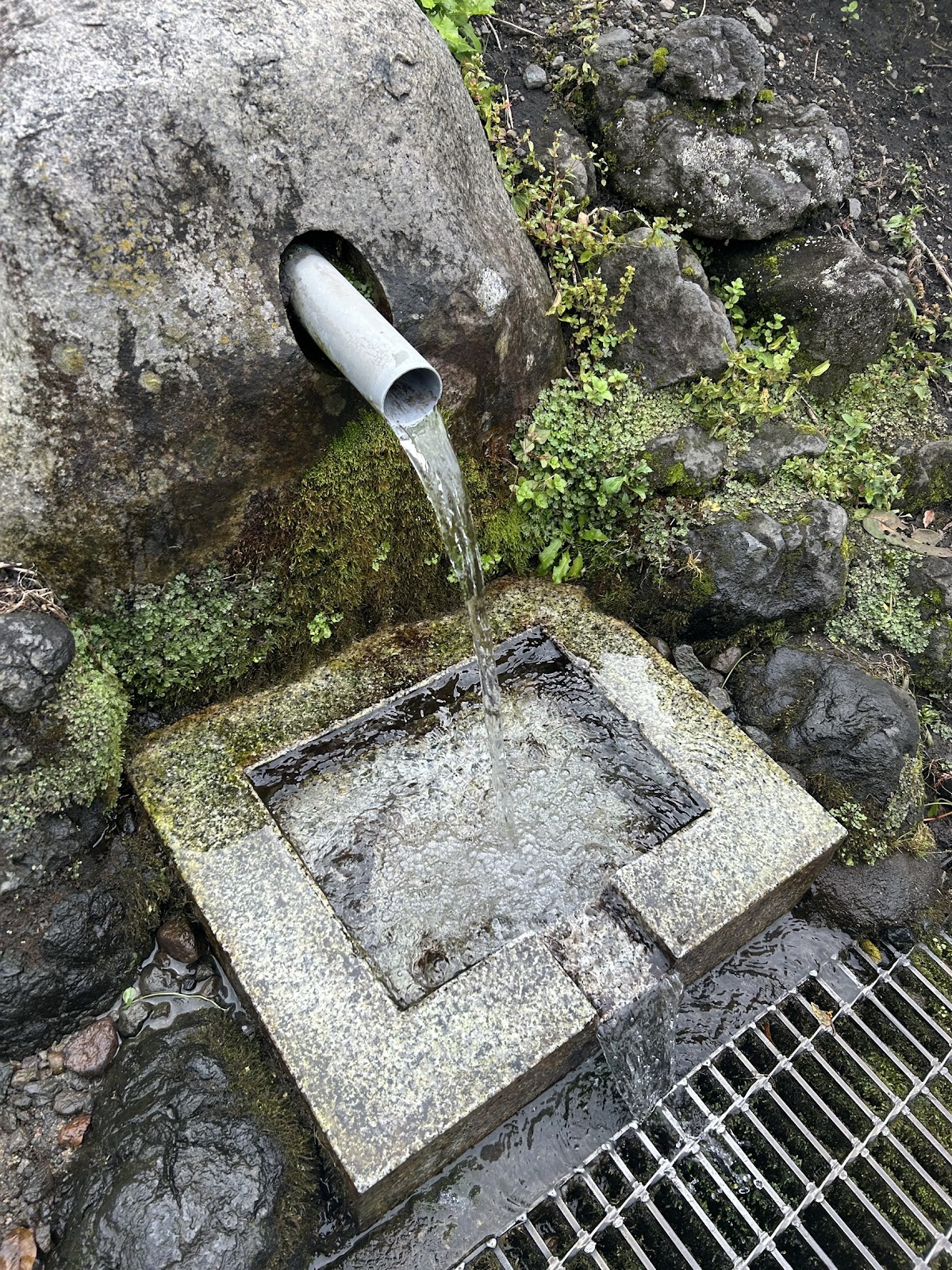
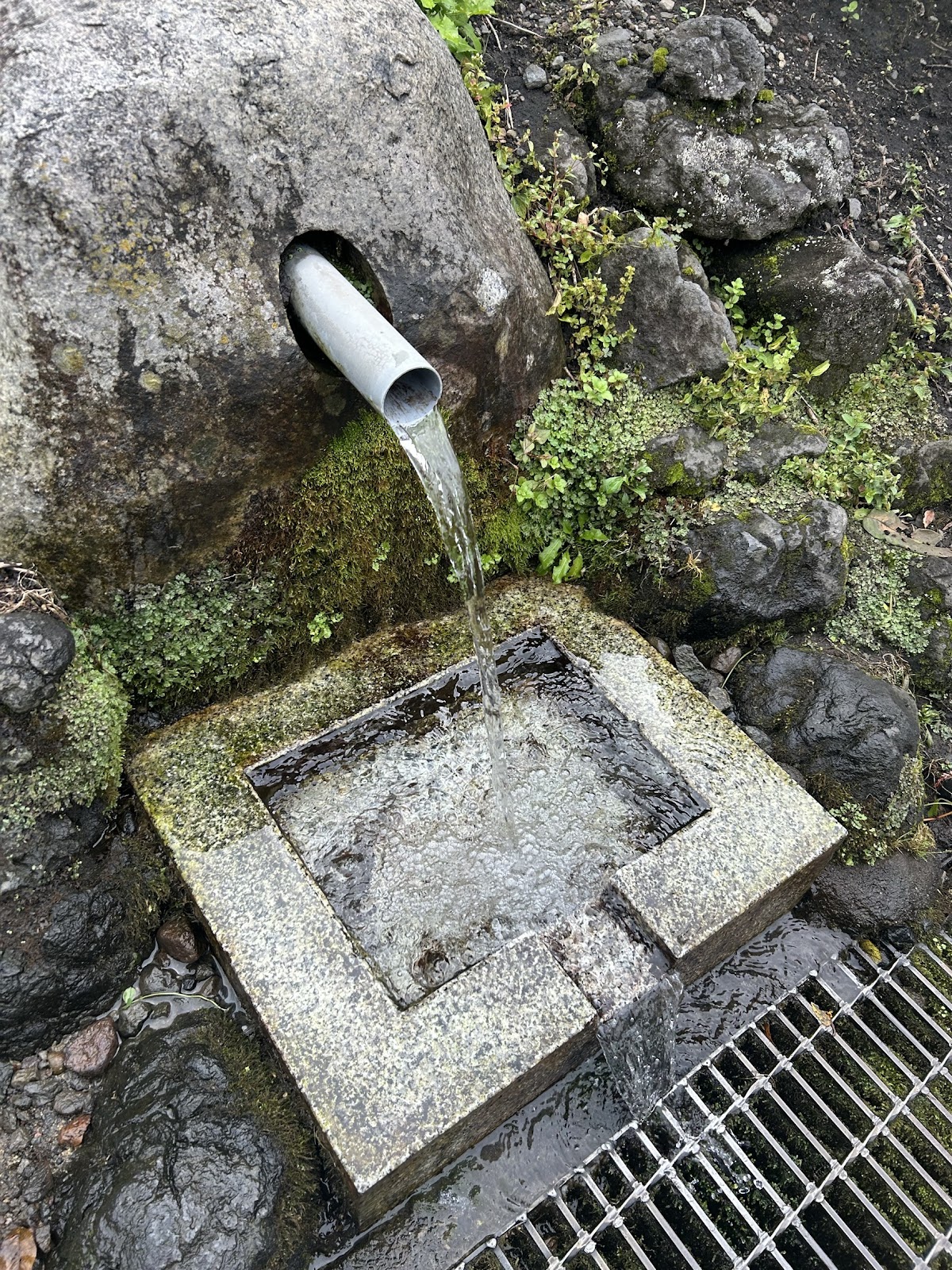
At the foot of Akagi Mountain, a representative peak of Gunma Prefecture, lies Akagi Shrine, a venerable shrine that has long attracted faithful devotees. Within and around its grounds, clear spring water nurtured by the abundant nature of Akagi Mountain exists, cherished by local residents and visitors alike. This article provides a thorough explanation of the spring water at Akagi Shrine, covering its historical background, water quality characteristics, access methods, and surrounding tourist information.
About Akagi Shrine
History and Origins of Akagi Shrine
Akagi Shrine is one of Gunma Prefecture’s most representative shrines, and has long been revered as the center of mountain worship with Akagi Mountain as its sacred body. Multiple Akagi Shrines exist on Akagi Mountain, with the following three being the most well-known:
- Sanyo-sawa Akagi Shrine (Sanyo-sawa-cho, Maebashi): Considered the main shrine of Akagi Shrine, with the oldest history
- Oohora Akagi Shrine (Fujimi-cho, Maebashi): A beautiful shrine situated on the shores of Lake Onuma on Akagi Mountain
- Nonomiya Akagi Shrine (Ninomiya-cho, Maebashi): Known as the Second Shrine of Kozuke Province
All of these shrines are surrounded by the abundant nature of Akagi Mountain, with clear spring water existing in their vicinity.
Natural Environment of Akagi Mountain
Akagi Mountain is a composite volcano with its highest peak at Kurogane Mountain at an elevation of 1,828 meters, featuring caldera lakes such as Lake Onuma and Lake Konuma, a naturally rich mountain. The terrain formed by volcanic activity stores abundant groundwater, which emerges as spring water at various locations on the mountain slopes.
Akagi Mountain receives approximately 1,500mm of annual precipitation. This abundant rainwater and snowmelt passes through volcanic geological layers, becoming clear spring water containing mineral content.
Characteristics of Akagi Shrine’s Spring Water
Water Quality and Composition
The spring water surrounding Akagi Shrine has the following characteristics, as it slowly permeates through volcanic geological layers:
Water Quality Characteristics:
- Water temperature: Stable at approximately 10-14°C year-round
- pH value: Slightly acidic to neutral (approximately 6.5-7.5)
- Hardness: Soft water to moderately hard water
- Transparency: Extremely high and crystal clear
Contained Mineral Components:
- Calcium
- Magnesium
- Silicic acid
- Trace mineral elements
By passing through volcanic geological layers, the water contains appropriate mineral content while becoming smooth and easy to drink. However, please check the precautions mentioned later regarding drinking water consumption.
Spring Water Volume and Seasonal Fluctuations
The spring water surrounding Akagi Shrine fluctuates in volume depending on precipitation and season. Generally, the following trends are observed:
- Spring (March-May): Spring water volume increases due to snowmelt
- Summer (June-August): Abundant during the rainy season, slightly decreasing in midsummer
- Autumn (September-November): Varies with typhoon rainfall and other precipitation
- Winter (December-February): Temporarily decreases due to snowfall, but stable water discharge continues
Throughout the year, the water source rarely dries up and functions as a stable water supply.
Major Akagi Shrine Spring Water Spots
Spring Water at Sanyo-sawa Akagi Shrine
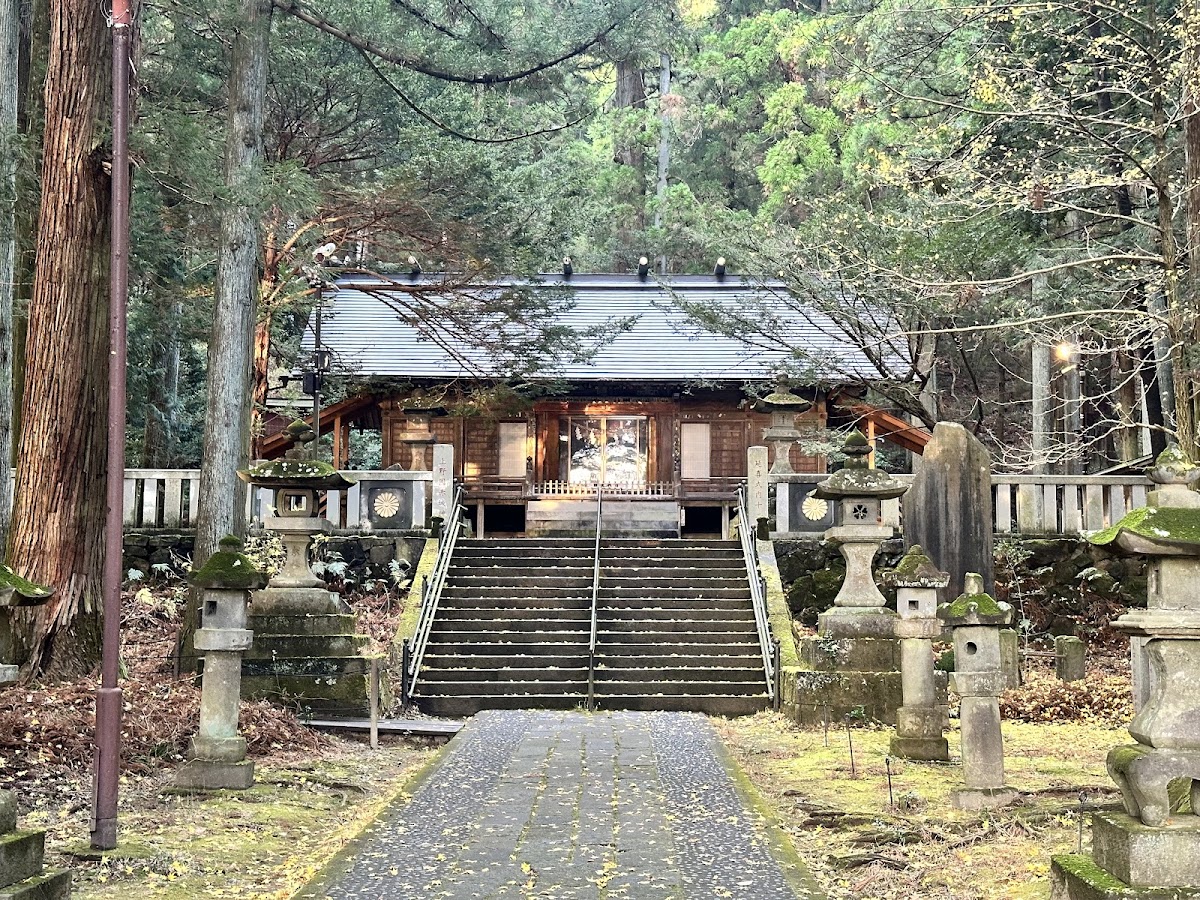
Sanyo-sawa Akagi Shrine is considered the main shrine of Akagi Shrine, with spring water that has existed in its grounds since ancient times.
Characteristics:
- Quiet environment surrounded by forest in the shrine grounds
- Multiple spring water points around the approach
- Local residents visit to draw water
- Clear water flowing with a sacred atmosphere
Access:
- Location: 114 Sanyo-sawa-cho, Maebashi, Gunma Prefecture
- By car: Approximately 20 minutes from Maebashi IC on the Kan-Etsu Expressway
- Parking: Free parking lot for worshippers available
Spring Water Around Oohora Akagi Shrine
Oohora Akagi Shrine is located on the shores of Lake Onuma on Akagi Mountain, with abundant spring water existing in its vicinity.
Characteristics:
- Located at high elevation of approximately 1,300 meters
- Cool climate year-round produces cold water
- Part of the water source for Lakes Onuma and Konuma
- Beautiful environment also known as a famous autumn foliage spot
Access:
- Location: 4-2 Akagi Mountain, Fujimi-cho, Maebashi, Gunma Prefecture
- By car: Approximately 60 minutes from Maebashi IC on the Kan-Etsu Expressway
- Road closure possible during winter (late December to early April)
Spring Water at Nonomiya Akagi Shrine
Spring water points exist around Nonomiya Akagi Shrine and have been used as a regional water source.
Characteristics:
- Located in relatively accessible flat terrain
- History of utilization as agricultural water
- Spring water cherished by local residents
Access:
- Location: 886 Ninomiya-cho, Maebashi, Gunma Prefecture
- By car: Approximately 15 minutes from Maebashi IC on the Kan-Etsu Expressway
Historical and Cultural Significance of Spring Water
Relationship Between Faith and Spring Water
Spring water at Akagi Shrine holds significance beyond being merely a natural resource. Since ancient times, clear water has been revered as sacred and has been used in Shinto rituals and ceremonies.
Religious Significance:
- Used as water for misogi (purification) and cleansing
- Water for preparing shinsen (sacred food offerings)
- Used as te-mizu (hand-washing water) for visitors
- Sacred water for purifying the shrine grounds
Spring Water and Community Life
Akagi Shrine’s spring water has been deeply connected to the lives of local residents.
History as Life Water:
- Use as drinking water and cooking water
- Utilization as agricultural water
- Use in laundry and daily life
- Functioning as an emergency water source
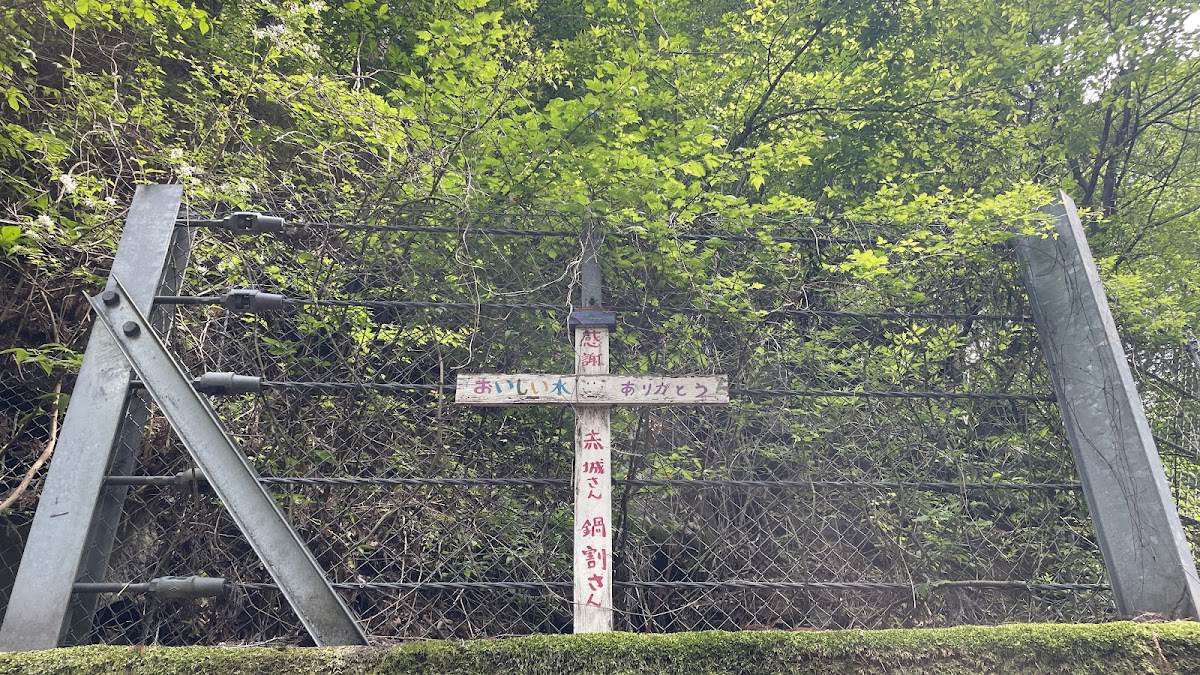
Even today, locals can be seen visiting to draw water, and the spring serves as a community gathering place.
Methods of Using Spring Water and Precautions
Drinking the Water
The following points require attention when drinking spring water from Akagi Shrine.
Important Cautions:
- Confirmation of Water Quality Testing: Confirm whether regular public water quality testing is conducted
- Boiling is Recommended: When drinking raw water, do so at your own risk, and preferably boil before consumption
- Seasonal Changes: Water quality may change after heavy rain
- Health Considerations: Avoid drinking if experiencing poor health or weakened immunity
- Storage Method: Keep drawn water in a clean container and use it promptly
Recommended Usage Methods:
- Brewing tea or coffee
- Cooking rice
- General cooking
- Watering plants
Water Drawing Etiquette
When using spring water, please observe the following etiquette.
Basic Etiquette:
- Maintain quiet and respectful behavior in the shrine grounds
- Share water points, showing a spirit of cooperation
- Always take away your trash
- Do not soil areas around the water
- Do not draw more than necessary
- Be mindful of parking placement
- Do not trespass on private property without permission
Access Information
Access by Car
To Sanyo-sawa Akagi Shrine:
- Approximately 20 minutes from Maebashi IC on the Kan-Etsu Expressway (approximately 12km)
- Via National Route 17 and prefectural roads
- Car navigation setting: Search for “Sanyo-sawa Akagi Shrine”
To Oohora Akagi Shrine:
- Approximately 60 minutes from Maebashi IC on the Kan-Etsu Expressway (approximately 35km)
- Via Prefectural Route 4 (Maebashi-Akagi Line)
- Note winter road closures (late December to early April approximately)
To Nonomiya Akagi Shrine:
- Approximately 15 minutes from Maebashi IC on the Kan-Etsu Expressway (approximately 8km)
- Via National Route 17 and prefectural roads
Access by Public Transportation
To Sanyo-sawa Akagi Shrine:
- From JR Maebashi Station by bus “Fuji-mi Onsen line” for approximately 30 minutes, get off at “Sanyo-sawa,” then walk approximately 10 minutes
- Check the schedule in advance as service is limited
To Oohora Akagi Shrine:
- From JR Maebashi Station by Kan-Etsu Bus “Akagi Mountain Visitor Center line” (seasonal service)
- Service period: Primarily weekends and holidays from late April to early November
- Travel time: Approximately 90 minutes
To Nonomiya Akagi Shrine:
- From JR Maebashi Station by bus to “Ninomiya,” then walk approximately 5 minutes
Parking Information
Each shrine has parking facilities for worshippers.
- Sanyo-sawa Akagi Shrine: Free parking available (approximately 20 spaces)
- Oohora Akagi Shrine: Free parking available (approximately 100 spaces)
- Nonomiya Akagi Shrine: Free parking available (approximately 30 spaces)
Congestion is possible on holidays and during festivals, so it is recommended to visit with ample time.
Surrounding Tourist Attractions
Natural Scenery of Akagi Mountain
Lake Onuma:
- A beautiful lake known as a caldera lake
- Circumference of approximately 4.2km with a well-maintained walking trail
- Boat recreation and fishing available
- Famous autumn foliage spot (mid-October to early November)
Lake Konuma:
- Quiet and mysterious atmosphere lake
- Starting point for trekking courses
- Bird-watching spot
Kakumanbuchi:
- Also called the “Little Oze,” a high-altitude wetland
- Wooden paths are installed, ideal for strolling
- Alpine plants can be observed in each season
Hot Spring Facilities
Multiple hot spring facilities exist around Akagi Mountain.
Akagi Hot Spring Area:
- Spring water types: Calcium/sodium sulfate spring and others
- Many facilities offer day-use bathing
- Tours combining spring water exploration and hot springs are popular
Fuji-mi Onsen:
- Good access from Sanyo-sawa Akagi Shrine
- Hot spring enjoyed by local residents
Historical and Cultural Facilities
Akagi Mountain Visitor Center:
- Facility where you can learn about Akagi Mountain’s nature and history
- Convenient for obtaining mountaineering information
- Free to use
Tourist Attractions in Maebashi:
- Rinko-kaku: A modern Japanese-style building designated as a national important cultural property
- Gunma Prefectural Government Observation Hall: Views from 127 meters above ground
- Maebashi Luna Park: Japan’s most nostalgic amusement park
Akagi Shrine and Spring Water Through the Seasons
Spring (March-May)
Points of Interest:
- Abundant spring water from snowmelt
- Beautiful fresh greenery in the shrine grounds
- Mountain cherry blossoms in bloom (late April to early May)
- Observing skunk cabbage flowers (Kakumanbuchi)
Precautions:
- Watch your footing as snow patches may remain
- Wear clothing suited to cold mornings and evenings
Summer (June-August)
Points of Interest:
- Cool spring water to escape the heat
- Mystical atmosphere enveloped in deep green
- Alpine plant blooms (around Lake Onuma and Lake Konuma)
- Ideal as a summer retreat
Precautions:
- Use sun protection as ultraviolet radiation is strong at high elevations
- Watch for sudden weather changes
- Don’t forget insect repellent
Autumn (September-November)
Points of Interest:
- Spectacular autumn foliage (peak from mid-October to early November)
- Clear air and pristine spring water
- Fall Grand Festivals (timing varies by shrine)
- Beautiful contrast between foliage and lake surface
Precautions:
- The autumn foliage season is very crowded
- Early morning visits are recommended
- Wear adjustable clothing as temperature differences are large
Winter (December-February)
Points of Interest:
- Fantastical snow-covered shrine
- Frozen lake surface (Lake Onuma with wakasagi smelt fishing)
- Spring water enveloped in silence
- Crystal clear air with far-reaching views
Precautions:
- Road to Oohora Akagi Shrine closes in winter (late December to early April)
- Snow and freezing countermeasures are essential
- Prepare thoroughly for cold weather
- Spring water areas may also freeze
Major Festivals and Events at Akagi Shrine
Spring Grand Festival
Timing: April-May (varies by shrine)
Content: Portable shrine processions, sacred music performances, festival stalls along approach
Fall Grand Festival
Timing: September-October (varies by shrine)
Content: Prayers for abundant harvest, traditional arts performances
New Year’s Visit
Timing: January 1-3
Features: Crowds of worshippers, hot amazake distribution
Community Initiatives Utilizing Spring Water
Environmental Conservation Activities
Local municipal governments and resident organizations conduct various activities to preserve spring water around Akagi Shrine.
Main Activities:
- Regular water quality testing
- Spring water source cleanup activities
- Forest preservation activities (tree planting, thinning, etc.)
- Environmental education programs
- Monitoring and raising awareness about illegal dumping
Utilization as a Tourism Resource
Akagi Shrine’s spring water is positioned as an important tourism resource for the region.
Usage Examples:
- Creation and distribution of spring water maps
- Planning spring water exploration tours
- Development of local products (processed goods using the water)
- Information dissemination via social media
Packing List for Visiting Spring Water Sites
The following items are helpful when going to draw spring water.
Essential Items:
- Clean water container (plastic bottles or water barrels, etc.)
- Towel (for spilled water)
- Trash bag (always take trash with you)
- Comfortable clothing and shoes
Convenient to Have:
- Work gloves (some spring water sites have rocky areas)
- Folding chair (in case of wait times)
- Camera (to record beautiful scenery)
- Insect repellent spray (summer)
- Warm clothing (winter/early morning)
- Rain gear (prepared for weather changes)
Scientific Value of Akagi Shrine Spring Water
Geological Significance
Akagi Mountain began its volcanic activity approximately 500,000 years ago, and its geological structure produces abundant spring water.
Geological Features:
- Layers of volcanic ash and pumice function as natural filters
- Multiple aquifer layers exist
- Combination of high-permeability and low-permeability layers
- Long water retention time ensuring water quality stability
Contribution to Ecosystems
Spring water plays an important role for the surrounding ecosystem.
Impact on Ecosystems:
- Unique vegetation around spring water areas (wetland plants, etc.)
- Habitat for aquatic insects
- Functioning as a water source for wild birds
- Breeding ground for amphibians
- Water source for forest ecosystems
Frequently Asked Questions
Q: Can I freely draw water from Akagi Shrine’s spring?
A: Generally, you are free to draw water, but if it is within the shrine grounds, observe visitor etiquette and draw only a reasonable amount. If it is private property, permission may be required, so caution is necessary.
Q: Is it safe to drink the spring water raw?
A: While public water quality testing may have confirmed safety at some locations, it is generally recommended to boil before consumption. Special caution is necessary for those with weakened immunity or small children.
Q: When is the spring water most abundant throughout the year?
A: Spring (April-May) when snowmelt flows in and the rainy season (June-July) tend to have the highest spring water volume. However, water quality may change after heavy rain, so caution is necessary.
Q: Can spring water be used in winter?
A: Winter access is possible at lower-elevation shrines such as Sanyo-sawa Akagi Shrine and Nonomiya Akagi Shrine. However, the road to Oohora Akagi Shrine closes in winter and cannot be visited late December to early April. Spring water locations may also be frozen.
Q: Is there a charge for drawing spring water?
A: It is basically free, but it is recommended to make a monetary offering at the shrine as an expression of gratitude. Parking is also usually free, though some places may have a maintenance cooperation fee.
Q: Can I use containers other than plastic bottles?
A: There is no problem with clean containers. Water barrels and glass bottles can also be used. When drawing large quantities, remember to show consideration for other users.
Conclusion
Akagi Shrine’s spring water is a precious water resource nurtured by the abundant nature of Akagi Mountain and has been deeply connected to the lives and faith of local people since ancient times. This spring water, which possesses clear water quality, beautiful natural environment, and historical and cultural value, continues to enchant many people in the modern age.
When visiting the spring water, remember to hold gratitude for nature and use it while observing proper etiquette. Additionally, combining visits with beautiful seasonal scenery and nearby tourist attractions provides a more fulfilling experience.
Akagi Shrine’s spring water is not merely a water-drawing spot, but a special place where one can feel the harmony between nature and humanity and the coexistence of tradition and modernity. Please experience its clear water and sacred atmosphere at least once.
Key Points for Visiting:
- Check weather and road conditions in advance
- Observe shrine etiquette
- Prepare necessary items
- Plan with ample time
- Enjoy surrounding tourist attractions
- Cooperate in preserving the natural environment
It is hoped that Akagi Shrine’s spring water will become a place of refreshment, restoring both body and mind for all who visit.