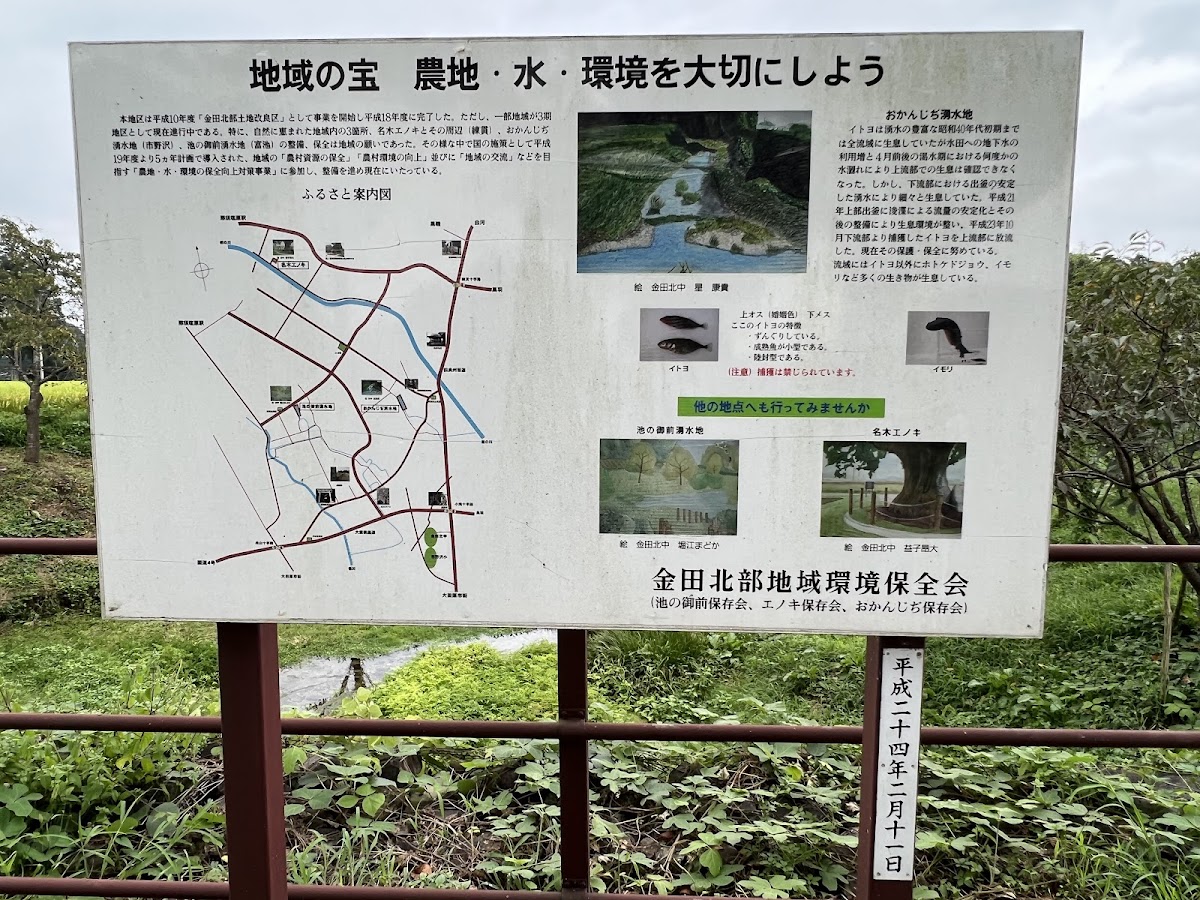

Ike no Gozen (Tochigi Prefecture) Complete Guide: History, Legends, Access, and Attractions Thoroughly Explained
Ike no Gozen, which remains in Tochigi Prefecture, is a historical site deeply connected to a tragic story from the late Heian period. The legend surrounding Minamoto no Yoshitsune and Shizuka Gozen continues to be passed down today, and the site has become a popular destination for history enthusiasts and tourists alike. This article provides a detailed explanation covering the historical background of Ike no Gozen, local attractions, access methods, and surrounding tourism information.
What is Ike no Gozen? Basic Information and Overview
Ike no Gozen is a historical place name and legendary site in Tochigi Prefecture, said to be the stage for a legend concerning Shizuka Gozen, known as the beloved concubine of Minamoto no Yoshitsune. The title “Gozen” is an honorific term referring to a woman of noble status, and it is believed to have been given because of Shizuka Gozen’s connection to this place.
Location and Geographical Features
Legends about Ike no Gozen are preserved in multiple regions throughout Tochigi Prefecture, with related historical sites and place names particularly scattered throughout the Nasu region and central parts of the prefecture. In most cases, these are places associated with actual ponds or waterside locations, historically known as lands rich in water.
Geographically, Ike no Gozen is located in the hilly and plateau regions of Tochigi Prefecture, with related historical sites found along former routes such as the Oshu Kaido and the Aizu-nishi Kaido. These roads were important transportation routes connecting the capital to the Tohoku region from the Heian through Kamakura periods.
Historical Background of Ike no Gozen
The Story of Minamoto no Yoshitsune and Shizuka Gozen
To understand the legend of Ike no Gozen, one must first know the relationship between Minamoto no Yoshitsune and Shizuka Gozen. Minamoto no Yoshitsune was a military commander in the late Heian period who, together with his older brother Minamoto no Yoritomo, destroyed the Taira clan and became a hero. However, his relationship with Yoritomo subsequently deteriorated, and he became a fugitive.
Shizuka Gozen was a shirabiyoshi (a woman who engaged in entertainment as a profession) from Kyoto and is known as Yoshitsune’s beloved concubine. When Yoshitsune was forced to flee the capital while being pursued by Yoritomo, Shizuka Gozen accompanied him, but was captured along the way and sent to Kamakura. The famous scene of her dance in Kamakura and the tragic fate that followed after giving birth to Yoshitsune’s child have become the subject of many literary works and legends.
Tochigi Prefecture and the Yoshitsune Legend
When Yoshitsune and his entourage fled toward Oshu (present-day Tohoku region) to rely on Fujiwara no Hiraei, legends of their passage through Tochigi Prefecture have been preserved in various locations. Tochigi Prefecture is positioned on the route from the capital to Oshu, making it historically plausible that Yoshitsune and his entourage passed through or stayed there.
The legend of Ike no Gozen is based on the oral tradition that Shizuka Gozen visited or had some connection to this area during Yoshitsune’s flight eastward. While the content of the legends varies by region, what is common is sympathy for Shizuka Gozen’s tragic fate and admiration for her beauty and talent in entertainment.
Legends and Folk Beliefs Surrounding Ike no Gozen
Main Legend Content
Legends about Ike no Gozen in Tochigi Prefecture have several variations.
Legend of Parting: A tradition that Yoshitsune and Shizuka Gozen parted ways at this location. It is said that Yoshitsune, while heading to Oshu to avoid pursuers, left Shizuka Gozen behind at this place.
Legend of Residence: A tradition that Shizuka Gozen temporarily hid at this location and lived with the help of local people. There are also stories that she performed dances by the pond’s edge or taught her art to local people during this time.
Legend of Tragic Love: A tradition that Shizuka Gozen shed tears at this location while hoping for a reunion with Yoshitsune. Some areas transmit tragic endings such as her tears becoming the pond or her throwing herself into it.
Folk Beliefs Rooted in the Region
Ike no Gozen is not merely a historical tradition but is also connected with local folk beliefs. Due to Shizuka Gozen’s beauty and entertainment talents, she is believed to offer blessings for improvement in the arts and beauty, drawing the faith of local women.
Additionally, because the legend is connected with a waterside location, it also has aspects as a water deity and prosperity god. In agriculture-focused Tochigi Prefecture, it has also become an object of prayer for good harvests. In some regions, shrines and stone monuments commemorating Ike no Gozen have been built and continue to be carefully preserved by local people.
Attractions and Tourism Points at Ike no Gozen
Historical Sites and Commemorative Monuments
Historical sites related to Ike no Gozen are scattered throughout multiple locations in Tochigi Prefecture. Representative examples include:
Stone Monuments and Commemorative Plaques: Stone monuments commemorating Shizuka Gozen’s stay and information boards explaining the legend of Ike no Gozen are installed at various locations. These are maintained by local historical preservation societies and volunteers.
Ponds and Waterside Areas: In some cases, the actual ponds and waterside areas that served as the stage for the legend still remain. The scenery of the waterside displays different appearances depending on the season, offering visitors a quiet sense of emotion.
Related Shrines and Temples: Shrines and temples that enshrine Shizuka Gozen or are related to the Yoshitsune legend also exist. At these locations, visitors can learn about the region’s history and culture.
Scenery Through the Four Seasons
The area surrounding Ike no Gozen offers beautiful scenery to enjoy in each season.
Spring: Cherry blossoms and fresh greenery add color to the waterside, harmonizing the historical atmosphere with natural beauty.
Summer: Lush trees create cool shade, and the refreshing quality of the waterside is pleasant.
Autumn: Red leaves reflect on the water’s surface, creating a fantastical landscape. Combined with the historical legend, one can feel a melancholic beauty.
Winter: Ike no Gozen under snow conveys a sense of silence and solemnity, evoking the tragic story of Shizuka Gozen more deeply.
Recommended Photography Spots
The site is appealing not only to history enthusiasts but also to photography lovers. There are many subjects to photograph, including the waterside scenery, stone monuments and commemorative plaques, and surrounding natural landscapes. The light during early morning and dusk hours, in particular, creates a fantastical atmosphere.
Access to Ike no Gozen
Access by Public Transportation
Since related historical sites to Ike no Gozen are scattered in multiple locations, access methods differ depending on the specific site you plan to visit. Generally:
Rail: JR Tohoku Main Line, Utsunomiya Line, and various Tobu Railway lines provide access to major stations throughout Tochigi Prefecture. From the nearest station, bus or taxi use is usually necessary.
Bus: Local buses from major stations can provide access near historical sites in many cases. However, since service is often limited, it is recommended to check the schedule in advance.
Access by Automobile
Access by private vehicle or rental car is most convenient.
Expressways: Use the Tohoku Expressway or Kita-Kanto Expressway, then proceed via local roads from the nearest interchange.
Parking: Some historical sites may not have dedicated parking lots; it is recommended to use nearby public parking areas or roadside stations.
Navigation System Setup: Research specific site names and addresses in advance and input them into your car’s navigation system for smooth travel.
Precautions When Visiting
- Prior Research: Many historical sites related to Ike no Gozen are not extensively developed as tourist destinations, so it is important to research the locations and attractions beforehand.
- Consideration for Locals: Some sites are near residential or private areas, so remember to be considerate to local residents.
- Season and Weather: In the case of waterside or mountainous areas, access may become difficult depending on season and weather.
- Clothing and Equipment: Prepare comfortable walking shoes and clothing appropriate to the season.
Surrounding Tourist Attractions and Model Courses
Tourist Spots in the Nasu Area
If Ike no Gozen is related to the Nasu region, there are many tourist attractions nearby.
Nasu Highlands: A popular tourist destination with hot springs, nature, and leisure facilities.
Nasu Hot Spring Village: A historic hot spring area where visitors can enjoy day bathing or overnight stays.
Sessho Stone: A representative historical site of Nasu, known for the nine-tailed fox legend.
Nasu Animal Kingdom: A popular animal theme park for families.
Tourist Spots in the Tochigi Central Area
If related to the central part of the prefecture, visitors can combine visits with the following tourist destinations.
Nikko Toshogu Shrine: A Japanese representative shrine registered as a World Heritage Site.
Utsunomiya City: Famous as the city of gyoza (dumplings), offering gourmet tourism as well.
Oya Stone Quarry Ruins (Oya Museum): A fantastical underground space popular with visitors.
Mashiko Ware Village: Offers pottery experience and gallery tours.
Recommended Model Courses
History Exploration 1-Day Course
- Morning: Visit historical sites related to Ike no Gozen
- Lunch: Enjoy local regional cuisine
- Afternoon: Visit nearby historical shrines, temples, and castles
- Evening: Relax at a hot spring
2-Day Course Enjoying Nature and History
- Day 1: Visit Ike no Gozen, nature walks in the surrounding area, stay at a hot spring inn
- Day 2: Tourism in the Nasu Highlands or Nikko area
Ways to Enjoy Your Visit to Ike no Gozen
Feeling Historical Romance
The greatest appeal of visiting Ike no Gozen is being able to feel the historical romance of the late Heian period firsthand. By reflecting on the tragic love story of Shizuka Gozen and Yoshitsune while imagining the lives and emotions of people from that era, visitors can have a more profound experience.
Reading classic literature such as “Gikeiki” or “The Tale of the Heike” before your visit, or modern historical novels, will double the emotional impact of the site. It is also recommended to research the unique traditions of that particular region at local history museums or libraries.
Connection with Regional Culture
The legend of Ike no Gozen is sometimes connected with local culture, festivals, and folk customs. Through conversations with local people, you may be able to learn valuable information not found in tourist guidebooks and stories that have been passed down through generations.
Visiting during the time of local festivals or events allows for deeper contact with regional culture. It is helpful to check event information in advance through local tourism associations or municipal websites.
Sense of Unity with Nature
Ike no Gozen is often located in a nature-rich environment. Beyond historical exploration, visitors can also enjoy nature walks, birdwatching, and viewing seasonal flowers.
The quiet environment of the waterside is also a healing space that allows one to forget the chaos of modern life. By spending time slowly, listening to the sounds of nature, and taking in the scenery, both mind and body can be refreshed.
Preservation of Ike no Gozen and Regional Efforts
Value as a Cultural Asset
Historical sites and traditions related to Ike no Gozen are important cultural heritages of the region. Beyond tangible historical sites, the stories and legends transmitted orally also have value as intangible cultural properties.
In recent years, movements to reassess local history and culture have become active throughout the country, and legends rooted in the community such as Ike no Gozen are being revaluated. Local educational institutions have incorporated the legend of Ike no Gozen into local studies curricula, working to transmit regional history to children.
Utilization for Regional Promotion
The legend of Ike no Gozen has also been attracting attention as a resource for regional and tourism promotion. As part of history tourism and cultural tourism, routes for visiting historical spots in the region, including Ike no Gozen, are being developed.
Local chambers of commerce and tourism associations are also developing special local products inspired by Ike no Gozen and planning events. These efforts contribute not only to regional economic revitalization but also to strengthening regional identity.
Participation in Preservation Activities
Tourists visiting Ike no Gozen can also contribute to the preservation of cultural assets. Treating historical sites respectfully, purchasing local products, and participating in regional events are small actions that support cultural preservation in the region.
Promoting the charm of Ike no Gozen through social media also indirectly supports preservation activities. As more people become interested, the value of cultural assets is recognized, and momentum for preservation increases.
Tochigi Prefecture’s Yoshitsune Legend and Comparison with Other Regions
Yoshitsune Legends Spread Throughout Japan
Legends about Minamoto no Yoshitsune exist throughout Japan. In particular, numerous Yoshitsune legends remain in regions along Yoshitsune’s flight route from the capital to Oshu, and in the areas surrounding Hiraizumi, where his life is said to have ended.
Kyoto: The place where Yoshitsune and Shizuka Gozen met, and also where they parted.
Kanagawa (Kamakura): Where Shizuka Gozen was captured and famously performed her dance at Tsurugaoka Hachimangu Shrine.
Fukushima and Yamagata: Located along the route to Oshu, with traditions of Yoshitsune’s passage or stay.
Iwate (Hiraizumi): Yoshitsune’s final place, with many historical sites remaining.
Hokkaido: A legend also exists that Yoshitsune did not die but crossed over to Hokkaido.
Characteristics of Yoshitsune Legends in Tochigi Prefecture
Yoshitsune legends in Tochigi Prefecture reflect its geographical characteristics as a midpoint between the capital and Oshu. The character is primarily that of a transit point, with legends more often involving temporary stopovers and refuges from pursuers rather than prolonged stays.
Additionally, legends focusing on Shizuka Gozen are a distinguishing feature of Tochigi Prefecture. Rather than Yoshitsune himself, the center of the narratives is on Shizuka Gozen’s footsteps after her parting from him, and stories of the local people’s sympathy and support for her.
Historical Authenticity of Legends
Most Yoshitsune legends are a mixture of historical fact and tradition. The parts that can be historically verified are limited, but this does not diminish the value of the legend.
Legends are important cultural materials that show what a region’s people valued and what values they held. The legend of Ike no Gozen reflects various aspects of Japanese culture, including sympathy for those who met tragic fates, admiration for the arts and beauty, and hospitality toward travelers.
Literary and Artistic Works Featuring Ike no Gozen as Subject Matter
Shizuka Gozen in Classical Literature
Shizuka Gozen has long been portrayed as an important character in literary works.
“Gikeiki”: A military tale depicting Yoshitsune’s life, with his relationship with Shizuka Gozen described in detail.
“The Tale of the Heike”: A work depicting the downfall of the Taira clan, in which Shizuka Gozen appears alongside Yoshitsune’s activities.
Noh Theater: Noh plays such as “Futari Shizuka” and “Funa Benkei” feature Shizuka Gozen as their subject.
Works in Modern Times
In modern times, the story of Yoshitsune and Shizuka Gozen continues to be taken up by many writers and artists.
Novels: Many writers, including Shohei Ooka, Eiji Yoshikawa, and Tomiko Miyao, have left works featuring Yoshitsune and Shizuka Gozen as their subject.
Film and Television Drama: Beginning with taiga dramas, many film and television works have portrayed the story of Yoshitsune and Shizuka Gozen.
Manga and Anime: In modern times, the Yoshitsune legend is also featured in manga and anime, with the legend being passed down to new generations.
Regional Cultural Activities
In regions with Ike no Gozen, local cultural organizations and schools sometimes perform theatrical works and dance based on the legend. These activities play an important role in transmitting regional traditional culture to future generations.
During regional festivals and cultural fairs, performances related to Ike no Gozen may be presented; if your visit timing aligns, you may be able to view them.
Preliminary Knowledge to Enrich Your Visit to Ike no Gozen
Historical Background of the Late Heian Period
To more deeply understand the legend of Ike no Gozen, it is helpful to understand the historical background from the late Heian period through the early Kamakura period.
Genpei War: The conflict between the Minamoto and Taira clans was an important turning point in Japanese history.
Establishment of the Samurai Government: The establishment of the Kamakura Shogunate by Minamoto no Yoritomo symbolizes the shift from an aristocratic society to a samurai-centered society.
Conflict Between Brothers: The conflict between Yoshitsune and Yoritomo involved not only personal feelings but also complex political and military factors.
The Shirabiyoshi
Shizuka Gozen was a shirabiyoshi. Shirabiyoshi were female performers who were active from the late Heian period through the Kamakura period.
Entertainment: They were skilled in dance and song, performing their arts at banquets of aristocrats and samurai.
Social Status: While the social status of performers was not high, talented shirabiyoshi sometimes received the patronage of powerful figures.
Cultural Influence: The entertainment of shirabiyoshi had a major impact on later Japanese performance culture.
Fujiwara of Oshu and Yoshitsune
Understanding Fujiwara no Hiraei and the Fujiwara clan of Oshu, whom Yoshitsune ultimately relied upon, allows for a more multifaceted understanding of the Ike no Gozen legend.
Fujiwara no Hiraei: A powerful warlord ruling Oshu who became Yoshitsune’s protector.
Prosperity of Hiraizumi: Hiraizumi at that time flourished as a cultural center rivaling Kyoto.
Yoshitsune’s End: After Hiraei’s death, his son Yasuhira attacked Yoshitsune, and it is said he committed suicide at Koromogawa Castle.
Conclusion: The Value of History and Culture Conveyed by Ike no Gozen
Ike no Gozen is not merely a place name or stage for a legend, but a precious cultural heritage that conveys Japanese history, culture, and human emotion to the present day. The legend encompasses various values of Japanese culture, including sympathy for those who met tragic fates such as Yoshitsune and Shizuka Gozen, admiration for beauty and the arts, and compassion for travelers.
When visiting Tochigi Prefecture, in addition to famous tourist attractions, consider visiting historical sites rooted in the local community. Standing at the quiet waterside of Ike no Gozen and reflecting on the stories of people from over 800 years ago will make history feel more immediate and vivid.
Valuing local legends and culture protects our own identity and allows us to pass down rich culture to future generations. If your visit to Ike no Gozen becomes a step toward deeper understanding of Japanese history and culture, I would be delighted.
In the landscape woven by Tochigi Prefecture’s abundant nature and history, listen to the tragic love story from the Heian period and feel the presence of Shizuka Gozen. Surely it will become a special experience that remains in your heart.