Mizunashi Former Fish Farm Spring Water (Tochigi Prefecture) Complete Guide | Hidden Famous Water Spot in Nikko and the Charm of Mizunashi Spring Water Hermitage
In the Mizunashi district of Nikko City, Tochigi Prefecture, there is beautiful spring water that was once used as a fish farm. This location, where underground water flows from the Nikko mountain range, is a famous water spot selected for the “Nikko Landscape with Water: 100 Selections,” while maintaining a quiet charm untouched by tourism. This article provides detailed information about the history and characteristics of the Mizunashi Former Fish Farm Spring Water, as well as the popular soba restaurant “Mizunashi Spring Water Hermitage” that utilizes this spring water.
What is Mizunashi Former Fish Farm Spring Water?
Geographic Features of Mizunashi District
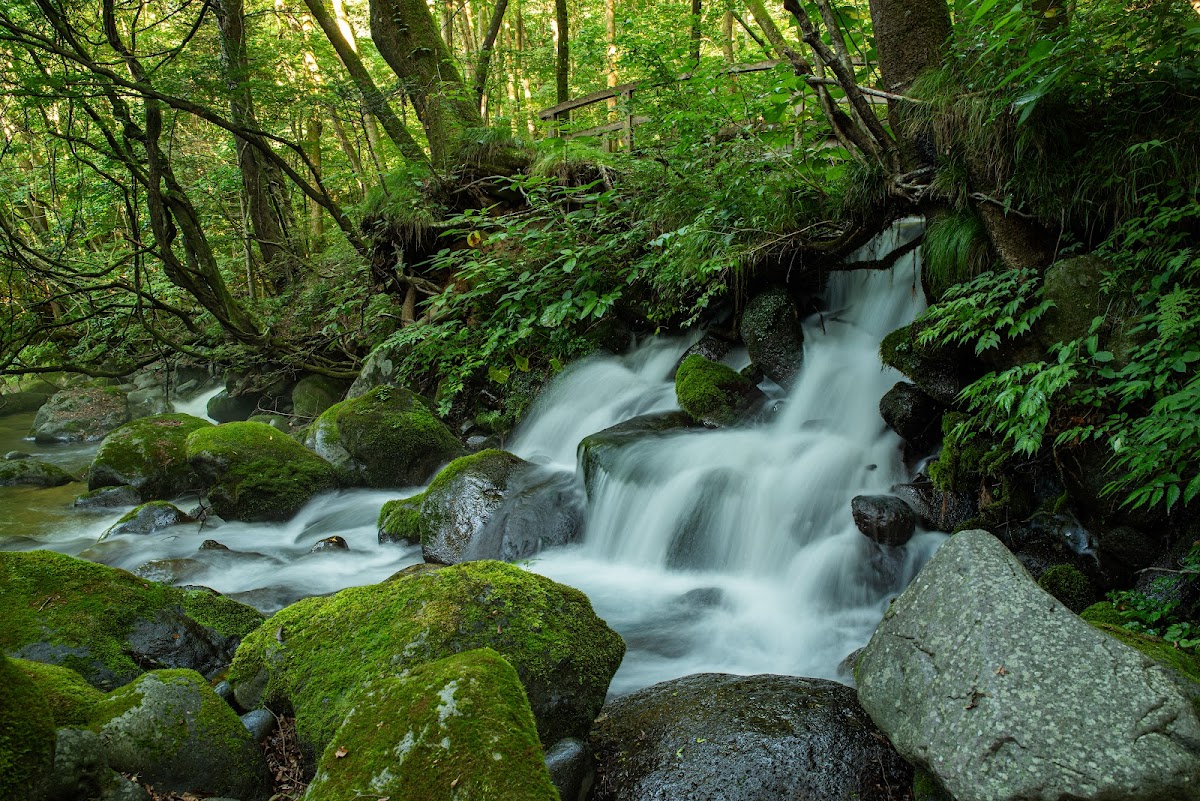
The Mizunashi district is located in the Imaichi area of Nikko City, spreading across paddy fields at the foot of the Nikko mountain range. This region has long been blessed with abundant spring water and is known as the “Village of Famous Water.” Rain and snow that fall on the Nikko mountains infiltrate underground, and after being filtered over many years, the water emerges here as clear spring water at the surface.
The place name “Mizunashi” is said to derive either from the fact that water was once so abundant that water channel management was unnecessary, or from “water that never runs out” due to numerous spring water points in the area. In fact, multiple spring water locations exist in this region and have been used for generations as household water and agricultural water for local residents.
History as a Fish Farm
The Mizunashi fish farm was a facility established to utilize these abundant spring waters. The spring water maintains stable temperatures throughout the year, being cold in summer and relatively warm in winter—characteristics ideal for fish farming. This property was particularly suitable for raising freshwater fish such as carp and rainbow trout.
During the time the fish farm was in operation, elegant carp could be seen swimming in pools of clear spring water, making it a notable local attraction. Even now, carp swim in the spring water pool as a remnant of those days, delighting visitors. While commercial fish farming operations have ended, the spring water itself continues to flow abundantly as ever.
Characteristics and Water Quality of Mizunashi Spring Water
Water Volume and Temperature
The Mizunashi former fish farm spring water produces a considerable amount of water daily. While precise official data on water volume is limited, visitors to the site can confirm that water continuously flows from the spring water pool. This abundant water volume results from the Nikko mountain range’s vast water collection area and the excellent water permeability of its volcanic geology.
The water temperature remains stable at approximately 12–15 degrees Celsius year-round, offering a refreshing coolness even in summer. In winter, the water rarely freezes, and this stable temperature provides ideal conditions for fish habitat and water used in soba making.
Water Quality Characteristics
The Mizunashi spring water undergoes natural filtration as it passes through the Nikko mountain range’s volcanic rock layers over extended periods. Consequently, it boasts extremely high transparency, with the pool bottom clearly visible as if through glass.
The mineral content is well-balanced, and the hardness is classified as relatively soft water. This soft water property brings out the taste of ingredients when used in soba making or cooking. Additionally, with low iron and sulfur content, it is valued as water that is easy to drink without any unpleasant aftertaste.
Environmental Conservation Efforts
In the Mizunashi district, efforts to conserve the environment around spring water are conducted primarily by local residents and staff at “Mizunashi Spring Water Hermitage.” Through cleaning around the spring water pool, vegetation management, and water quality monitoring, ongoing efforts ensure this precious natural resource is passed on to future generations.
Nikko City has selected the Mizunashi spring water as one of the “Nikko Landscape with Water: 100 Selections,” working to raise citizens’ environmental awareness and utilize it as a tourism resource. However, excessive tourism development is avoided in favor of maintaining a quiet environment, preserving the intrinsic value of the spring water.
Mizunashi Spring Water Hermitage | Popular Soba Restaurant Utilizing Spring Water
Overview of Mizunashi Spring Water Hermitage
Mizunashi Spring Water Hermitage is a handmade soba specialty restaurant located immediately adjacent to the Mizunashi former fish farm spring water. Despite its location surrounded by rice paddies in a peaceful setting, it is known as a popular restaurant with lines forming on weekends.
The restaurant’s greatest feature is its use of the adjacent spring water in soba preparation. By using spring water for all aspects—boiling soba, rinsing soba, and making broth—it achieves a unique flavor and throat sensation impossible to experience elsewhere.
Commitment to Local Production
Mizunashi Spring Water Hermitage commits not only to water but also to using locally grown buckwheat. It self-mills Tochigi Prefecture-grown buckwheat groats and prepares fresh soba daily. Buckwheat flour ground carefully with a stone mill is aromatic and nutrient-rich.
The soba is prepared by experienced local female staff members. Through years of experience and technique, they produce soba that combines rustic countryside flavor with firm texture. By adhering to handmade soba rather than relying on machinery, they practice heartfelt soba making in each bowl.
Menu and Popular Dishes
Mizunashi Spring Water Hermitage’s menu features a simple composition that highlights the natural taste of soba.
Mori soba / Zaru soba: The standard menu that most straightforwardly showcases soba fragrance and spring water’s refreshing coolness. It features countryside soba style where the buckwheat’s natural flavor is clearly appreciated.
Tempura zaru soba: A set with tempura made from fresh local vegetables. The combination of crispy tempura and soba is popular.
Various warm soba options: Kake soba, kitsune soba, tempura soba, and other warm soba varieties are offered seasonally. The broth made with spring water has outstanding broth flavor.
The soba portions are generous enough to satisfy men. Reasonable pricing contributes to its popularity among local patrons.
Store Information and Access
Store Name: Soba Restaurant Mizunashi Spring Water Hermitage (Soba-dokoro Mizunashi Yuusuiuan)
Address: 309 Mizunashi, Nikko City, Tochigi Prefecture
Phone Number: 0288-26-3355
Business Hours: 11:00–15:00 (Closes when soba sells out)
Closed Days: Wednesdays (open on holidays; may be closed the following day in such cases)
Parking: Available (several spaces in front of the restaurant)
Access:
- About 10 minutes by car from “Imaichi Station” on the JR Nikko Line
- About 10 minutes by car from “Shimoimaichi Station” on the Tobu Nikko Line
- About 15 minutes by car from “Imaichi IC” on the Nikko-Utsunomiya Expressway
Public transportation access is inconvenient, making a car visit recommended. Since the restaurant is situated within rice paddies, using a car navigation system or smartphone map application is advisable for first-time visitors.
Notes for Visiting
As Mizunashi Spring Water Hermitage is popular, lines often form before opening, especially on weekends and holidays. For guaranteed service, arriving before the 11:00 opening time is recommended.
Soba is prepared in fixed daily quantities and closes when sold out. Visiting late in the afternoon risks the restaurant being closed, making an early visit prudent.
The interior has tatami mat seating and table seats, making it family-friendly. However, since seating is limited, waiting times occur during crowded periods. While waiting, one can enjoy the view of the spring water pool or the surrounding paddy field scenery.
Points of Interest in the Mizunashi District Area
Famous Water Spots in the Nikko Imaichi Region
Multiple spring water spots are scattered throughout the Imaichi area of Nikko City, including the Mizunashi district. Besides the Mizunashi spring water, the “Nikko Landscape with Water: 100 Selections” includes various waterside scenery in the region.
For those with extra time, enjoying a “spring water tour” visiting these spring water spots before or after dining at Mizunashi Spring Water Hermitage is recommended. Each spring water location has unique characteristics, allowing visitors to experience the richness of the region’s water culture.
Access to Nikko Toshogu Direction
From Mizunashi district to the Nikko Toshogu area is approximately 20–30 minutes by car. A popular plan involves enjoying soba at Mizunashi Spring Water Hermitage before or after Nikko sightseeing.
The Nikko Toshogu area also features famous water spots such as “Iwasaki Spirit Water,” indicating the entire Nikko area is blessed with abundant water resources. The bounty from the Nikko mountain range supports this region’s nature and culture.
History and Culture of Imaichi Region
The Imaichi region prospered as a post station on the Nikko Kaido during the Edo period. Remnants of the former post station townscape and traditional structures remain today.
While the Mizunashi district area spreads across agricultural countryside, a short drive reaches the center of Imaichi, offering historical townscape strolls and local specialty shopping. The Nikko Sugi Namiki avenue is also nearby, providing tourism that harmonizes nature and history.
Comparison with Other Famous Water Spots in Tochigi Prefecture
Shoninzawa Spring Water (Shioya Town)
Shoninzawa Spring Water, Tochigi’s representative famous water selected in the “Japan’s 100 Famous Waters,” is located in Shioya Town. It boasts abundant daily water volume of approximately 65,000 tons and features a mystical atmosphere surrounded by virgin forest.
Compared to the Mizunashi former fish farm spring water, Shoninzawa Spring Water is more developed for tourism with established walking trails and signage. Conversely, Mizunashi spring water possesses rustic charm closely connected to local life, allowing visitors to enjoy a quiet environment untouched by tourism.
Derugaihara Bentendo Pond (Sano City)
Also selected in the “Japan’s 100 Famous Waters,” Derugaihara Bentendo Pond in Sano City is a spring water pool located within the grounds of Isoyama Benzaiten, enshrining Benzaiten, the goddess of fortune. It represents a famous water spot with faith-based historical connections.
Derugaihara Bentendo Pond is renowned for extremely high transparency, allowing views of the pool bottom. While Mizunashi former fish farm spring water also has high transparency, Derugaihara Bentendo Pond is larger in scale with greater tourism recognition.
Uniqueness of Mizunashi Spring Water
The Mizunashi former fish farm spring water’s greatest characteristic is the adjacent soba restaurant “Mizunashi Spring Water Hermitage” that actively utilizes the water. While many famous water spots center on viewing and touching water, Mizunashi allows visitors to experience spring water’s blessings more directly through cuisine made with the water.
Its location within agricultural paddy fields is also distinctive. Unlike tourism-developed famous sites, the spring water exists integrated into the community’s daily life, providing visitors with simple and pleasant experiences.
Etiquette and Precautions for Enjoying Spring Water
Environmental Conservation Considerations
Spring water is a precious natural resource for the region. When visiting, please note the following points to cooperate in environmental conservation:
- Always take trash back with you
- Do not pollute the spring water pool or surrounding areas
- Do not collect plants or disrupt the ecosystem
- Avoid loud voices or other actions that disturb the quiet environment
- Use only designated parking areas
Using Spring Water
It is recommended to enjoy the Mizunashi former fish farm spring water primarily for viewing. Those wishing to drink it should confirm with local residents or Mizunashi Spring Water Hermitage staff beforehand.
When drinking spring water generally, the following precautions apply:
- If water quality is not guaranteed, boil before consuming
- Refrain from drinking if in poor health
- Avoid large-scale collection for transport home in consideration of impact on regional water resources
Photography Etiquette
The beautiful spring water pool and paddy field scenery are attractive photography spots, but observe the following etiquette:
- Do not trespass on private property without permission
- Be considerate not to interfere with agricultural work
- Respect other visitors’ privacy
- When posting on social media, avoid including information that specifically identifies the location (to preserve the quiet environment)
Mizunashi Spring Water’s Charm Through the Four Seasons
Mizunashi Spring Water in Spring
Spring brings rice paddy preparation in the Mizunashi district area. The sight of water flowing through irrigation channels using spring water and flooding paddies is the essence of Japanese traditional landscapes.
During cherry blossom season, nearby cherry blossoms bloom beautifully, and cherry blossoms can be seen floating on the clear spring water pool surface. In the fresh green season, surrounding trees turn vibrant green, making the spring water’s clarity even more striking.
At Mizunashi Spring Water Hermitage, seasonal menu items such as tempura featuring spring mountain greens occasionally appear.
Mizunashi Spring Water in Summer
Summer is the season when spring water’s coldness is most noticeable. Even on days exceeding 30 degrees Celsius, spring water maintains 12–15 degrees Celsius—refreshingly cold.
Paddies showcase lush growing rice, while vegetation thickens around the spring water pool. The experience of enjoying soba chilled in spring water while hearing cicada calls is a hidden pleasure of Nikko summer tourism.
On hot days, Mizunashi Spring Water Hermitage’s cold zaru soba becomes especially popular. The throat sensation of soba chilled in spring water makes one forget summer heat.
Mizunashi Spring Water in Autumn
Autumn brings the harvest season when surrounding paddies display golden ripe rice ears. Trees around the spring water pool display autumn colors, creating beautiful scenery reflected in the water surface.
During new buckwheat season, Mizunashi Spring Water Hermitage serves new soba using freshly harvested buckwheat groats. Autumn new soba is particularly aromatic, a season buckwheat enthusiasts cannot miss.
As temperatures begin cooling in autumn, warm soba becomes appealing. Warm broth made with spring water thoroughly warms the body.
Mizunashi Spring Water in Winter
Winter transforms surrounding paddies into snow-covered silent landscapes. However, the spring water pool continues flowing uncovered with pure water.
The fantastical sight of steam rising from the spring water pool amid snow scenery represents winter’s unique beauty. Carp swimming vigorously in winter spring water demonstrates the water’s temperature stability.
Mizunashi Spring Water Hermitage continues operating through winter (except closed days), with warm soba warming visitors. Visiting on the way home from winter Nikko tourism is recommended.
Recommended Plans for Visiting Mizunashi Spring Water
Day Trip Plan
Morning: Sightseeing at Nikko Toshogu and Rinno-ji and other World Heritage sites
Around 11:00 AM: Arrive at Mizunashi Spring Water Hermitage, aiming for relatively quiet post-opening hours
Lunch: Enjoy soba made with spring water at Mizunashi Spring Water Hermitage
After lunch: Stroll around the spring water pool area, enjoying paddy field scenery
Afternoon: Explore other Nikko City sightseeing spots or Imaichi area historical townscape
Spring Water Tour Plan
A comprehensive experience results from visiting multiple famous water spots throughout Tochigi Prefecture.
Day 1:
- Morning: Visit Shoninzawa Spring Water (Shioya Town), enjoy walking trail
- Lunch: Soba at Mizunashi Spring Water Hermitage
- Afternoon: Tour Nikko City spring water spots
- Accommodation: Nikko hot spring area or Kinugawa hot spring area
Day 2:
- Morning: Nikko Toshogu area sightseeing, view Iwasaki Spirit Water
- Lunch: Yuba cuisine in Nikko City
- Afternoon: Travel to Derugaihara Bentendo Pond (Sano City), sightseeing
Plan for Enjoying Like Local Residents
Beyond touring sightseeing sites, enjoying the Mizunashi district like local residents also offers rich experiences.
- Visit early morning to monopolize quiet spring water pool and paddy field scenery
- Purchase fresh vegetables at local farm produce stands
- After soba at Mizunashi Spring Water Hermitage, relax at nearby hot spring facilities
- In the evening, visit sake shops handling local spirits in the Imaichi area
Such local-focused enjoyment provides fulfillment different from conventional sightseeing.
Conclusion: The Value and Charm of Mizunashi Former Fish Farm Spring Water
Mizunashi former fish farm spring water is arguably a hidden treasure of Nikko City, Tochigi Prefecture. While lacking nationwide recognition, this very obscurity preserves its quiet, rustic charm.
Clear underground water flowing from the Nikko mountain range, once supporting local fish farming industry, now delivers spring water’s blessings to many through the popular soba restaurant “Mizunashi Spring Water Hermitage.” The transparent spring water pool where carp swim, the surrounding paddy field scenery, and exquisite soba using spring water—all provide visitors heart’s ease and delicious experiences.
The very lack of tourism development represents Mizunashi spring water’s greatest charm. Those of us visiting bear responsibility to enjoy this water that local residents have carefully protected, respecting it and passing it to future generations.
When visiting Nikko, beyond famous sightseeing sites and World Heritage locations, please visit this Mizunashi former fish farm spring water. The experience of savoring spring water’s blessings at a small soba restaurant within paddies will surely become unforgettable. Through this simple, rich time woven by clean water nurtured by Nikko’s nature and the local people’s wisdom and technique to utilize it, please experience the harmony.