Yahata Spring Water A (Fukushima Prefecture) Complete Guide | Access, Water Quality, and History Explained in Detail
Fukushima Prefecture is home to numerous renowned waters, and among them, “Yahata Spring Water A” is a precious water resource that has been cherished by local residents for many years. This article explores the appeal of Yahata Spring Water A from multiple perspectives, providing detailed explanations of its water quality, history, access methods, and nearby tourist information.
What is Yahata Spring Water A?
Yahata Spring Water A is a natural spring water site located within Fukushima Prefecture. It is formed by the phenomenon of groundwater naturally welling up to the surface, and has been treasured since ancient times as both a domestic water source and an object of faith for the local community.
Characteristics of the Spring Water
The greatest characteristic of Yahata Spring Water A is that it maintains nearly constant water temperature throughout the year while preserving clear water quality. Although the water volume fluctuates slightly depending on the season, it maintains a stable water quantity and functions as a precious water source for the region.
The water has high transparency, and from the spring outlet, one can clearly see the sand and pebbles at the bottom of the water. This high transparency results from natural filtration as water passes through the ground.
Water Quality of Yahata Spring Water A
Water Quality Characteristics
The water quality of Yahata Spring Water A is generally classified as soft water. Soft water has a smooth taste and is considered suitable for drinking. The mineral balance is also favorable, with appropriate levels of calcium and magnesium.
The water temperature remains around 10-15 degrees Celsius throughout the year, feeling cold in summer and relatively warm in winter. This stable water temperature is evidence of the water welling from deep underground.
Water Quality Testing and Safety
Regular water quality testing is important when using spring water. Yahata Spring Water A undergoes water quality monitoring by local health centers and related organizations.
Generally, the following points require attention when drinking spring water:
- Confirmation of test results for bacteria such as E. coli
- Checking for heavy metals and chemical substance content
- Understanding water quality fluctuations due to season and weather
- Monitoring impacts from changes in surrounding environment
It is recommended that visitors confirm the latest water quality information before using the spring water.
History and Cultural Background of Yahata Spring Water A
Connection with the Region
The name “Yahata” of Yahata Spring Water A suggests a connection to the place names of surrounding areas and Yahata Shrines. Yahata Shrines exist throughout Japan, and spring waters have had a history of being viewed as sacred.
Since ancient times, spring water has been used for the following purposes:
- Domestic water: Drinking water, cooking, laundry, and other daily activities
- Agricultural water: Irrigation of fields and vegetable washing
- Object of faith: Water deity worship and use as purification water
- Community gathering place: Formation of local community through water collection
History of Conservation Activities
Conservation activities by local residents to protect spring water have been passed down across generations. Regular cleaning activities, environmental improvements around water sources, and educational programs for future generations have been carried out in various ways.
In recent years, with growing environmental awareness, more organized conservation activities have been implemented, establishing a framework where administration and residents cooperate to protect the spring water environment.
Access Methods to Yahata Spring Water A
Location Information
When planning access to Yahata Spring Water A, it is important to confirm the precise location in advance. Identify the specific municipality and district within Fukushima Prefecture and select an appropriate route.
Access by Transportation Method
By Automobile
When using a private vehicle, it is recommended to check in advance the travel time from the nearest interchange and road conditions. When setting the destination in a navigation system, it is helpful to also confirm nearby landmarks and intersection names.
It is also advisable to check beforehand whether parking is available and how many spaces there are. Expect congestion, particularly on weekends and during tourist seasons.
By Public Transportation
When using trains or buses, check the distance from the nearest station and the timetables of connecting bus routes. In rural areas, bus frequency may be limited, so it is necessary to plan sufficient time for the return journey.
Taxi usage is also an option, but it is reassuring to arrange for the return ride in advance.
Precautions When Visiting
- Road conditions by season: In winter, appropriate equipment is necessary due to possibilities of snow and ice
- Operating hours and usage times: If facilities are managed, confirm any time restrictions
- Observance of etiquette: Show consideration to landowners if passing through private property
- Trash disposal: Always take trash with you for environmental conservation
Ways to Enjoy Yahata Spring Water A
Water Collection Experience
The greatest pleasure of visiting a spring water site is collecting fresh spring water. When collecting water, the following preparations are recommended:
Useful Items to Bring
- Clean water containers such as plastic tanks or food-grade bottles
- Funnel: For easier pouring of water
- Towels or rags: For wiping water droplets
- Work gloves: For non-slip purposes
- Cooler box: Especially for transport in summer
Water Collection Etiquette
- Consideration for other users: Follow turn order and avoid monopolizing the space for extended periods
- Maintaining water source cleanliness: Do not submerge containers directly in the water source
- Collecting appropriate amounts: Avoid collecting excessively large quantities
- Post-use cleaning: Keep the surrounding area clean after use
Nature Observation and Hiking
The area around spring water sites is often blessed with rich natural environments where one can enjoy observing plants and birds throughout the four seasons.
Spring: Fresh greenery and wildflower blooms
Summer: A refreshing and healing water-side space
Autumn: Contrast between autumn leaves and clear streams
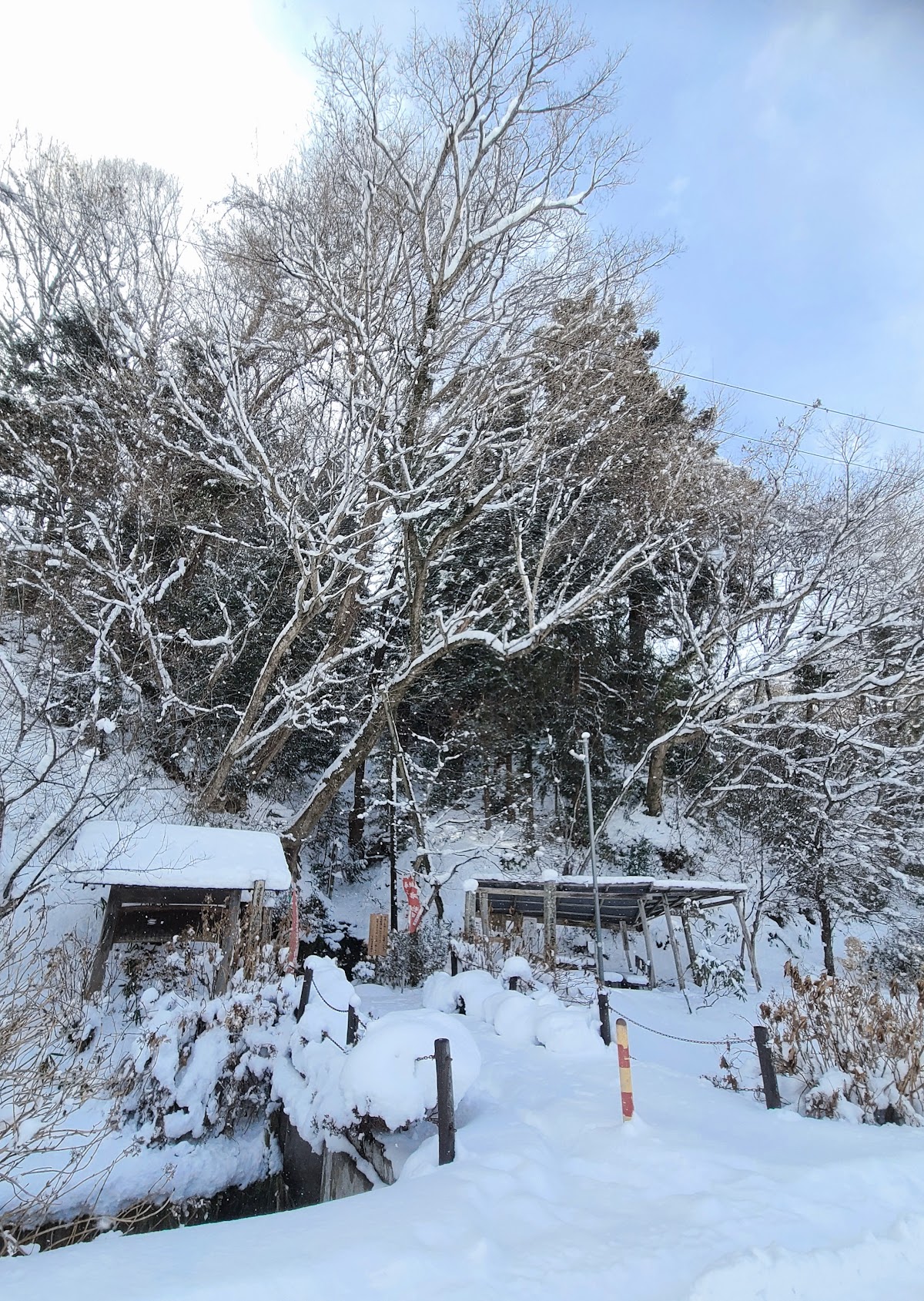
Winter: Spring water and snowy scenery in silence
When hiking, it is important to be careful not to damage flora and fauna, and to respect the natural environment.
Photography Spots
Yahata Spring Water A and its surroundings are suitable locations for photography. The highly transparent water surface, the appearance of the spring outlet, and the surrounding natural scenery provide no shortage of subjects.
Photography tips:
- Utilizing soft light in early morning or evening
- Slow shutter photography to express water flow
- Fixed-point observation capturing seasonal changes
- Close-up macro lens photography of water droplets and plants
Nearby Tourist Spots and Combination Plans
Nearby Attractions
When visiting Yahata Spring Water A, combining it with nearby tourist spots allows for a more fulfilling itinerary.
Shrines and Temples
One can visit local Yahata Shrines and historic temples to experience the region’s culture and history. This is a valuable opportunity to experience the relationship between spring water and faith.
Roadside Stations and Direct Sales Shops
Facilities where one can purchase fresh local farm products and specialty items are also attractive. It is possible to obtain vegetables grown with spring water and traditional regional foods.
Hot Spring Facilities
Fukushima Prefecture is also famous as a hot spring destination. A plan to relax at a hot spring facility after spring water tours is popular.
Sample Course Examples
Day Trip Course
- Morning: Water collection and hiking at Yahata Spring Water A (1-2 hours)
- Lunch: Local regional cuisine at a local restaurant
- Afternoon: Nearby shrine visits and shopping at roadside station
- Evening: Refresh at a day-use hot spring facility
1 Night 2 Day Course
- Day 1: Visit Yahata Spring Water A, nearby nature hiking, check into accommodations
- Day 2: Revisit spring water in the morning, nearby sightseeing, purchase specialty products
Environmental Conservation of Yahata Spring Water A
Environmental Issues Surrounding Spring Water
The spring water environment is extremely delicate and affected by various factors.
Major Environmental Issues
- Decrease in water source forest coverage
- Impacts on groundwater veins from surrounding development
- Changes in precipitation patterns due to climate change
- Environmental burden from increased number of users
- Risk of illegal dumping and pollution
What We Can Do
There are things each visitor can do to protect the spring water environment.
Specific Actions
- Strict trash disposal: “Leave it more beautiful than when you arrived”
- Consideration for water sources: Do not use detergents or chemicals
- Protection of vegetation: Do not enter areas other than designated locations
- Observance of local rules: Follow instructions on signs and guidance
- Sharing information: Communicate proper usage methods to others
- Participation in conservation activities: Cooperate with local cleaning activities
Toward Sustainable Use
Sustainable use is essential to pass spring water on to future generations. Cooperation among local residents, administration, and visitors is required to minimize environmental burden while enjoying the benefits of spring water, creating systems that make this possible.
By incorporating ecotourism perspectives and utilizing spring water sites as venues for environmental education, both conservation awareness improvement and regional revitalization can be achieved.
How to Use Water Collected from Yahata Spring Water A
Use as Drinking Water
When using spring water for drinking, confirm water safety before use. In addition to drinking it directly, it has the following applications:
- Tea and coffee: Soft water easily brings out the flavor of tea leaves and coffee beans
- Rice cooking: Rice cooks up fluffy
- Dashi broth: Ideal for Japanese soup stock
- Ice: Creates beautiful transparent ice
Use in Cooking
Clear spring water enhances the flavor of dishes.
- Vegetable blanching: Brings out the natural sweetness of vegetables
- Simmered dishes: Allows for delicate seasoning that brings out ingredient flavor
- Soup and hot pot dishes: Creates clear-tasting dishes without off-flavors
- Bread making: Water quality affects the finished product
Other Uses
- Watering houseplants: Plants grow healthily
- Cosmetic water ingredient: As a base material for homemade cosmetics
- Pet drinking water: Use after confirming safety
Four Seasons Highlights When Visiting Yahata Spring Water A
Spring (March to May)
With the melting of snow, water volume increases, and one can feel the stirrings of spring around the spring water site.
- Flowering of alpine plants: Trillium and other species
- Beauty of fresh greenery: Vivid green of the budding season
- Bird songs: Activity of birds entering breeding season
Summer (June to August)
In hot season, cold spring water provides exceptional healing.
- Visitors seeking coolness gather
- Aquatic plants grow abundantly
- Aquatic insect observation is enjoyable
- Early morning visits allow appreciation of quiet time
Autumn (September to November)
Autumn leaf season is when the spring water site is most beautifully colored.
- Surrounding trees change color
- Contrast between fallen leaves and clear stream
- Hiking in crisp air
- Combination of autumn flavors and spring water
Winter (December to February)
Spring water in a snowy landscape creates a fantastical atmosphere.
- Water surface appearing like steam
- Beauty of snow and ice formations
- Space enveloped in silence
- Opportunity to observe winter birds
Trivia About Yahata Spring Water A
Spring Water Mechanism
Spring water is a phenomenon where precipitation infiltrates the ground, groundwater reaches an impermeable layer, and due to terrain and geological conditions, the groundwater wells up to the surface. Yahata Spring Water A also comes from rain and snow that falls on surrounding mountains, passes through the ground over a long time, and is filtered through nature’s filtration system.
This process can take several years to several decades, and the water we collect today may be rain from many years ago.
Reason for Constant Water Temperature
The reason spring water maintains nearly constant temperature throughout the year is that deep underground is less affected by outside air temperature. Generally, below 10 meters underground, the temperature stabilizes at approximately the same as the region’s annual average temperature.
Spring Water and Ecosystems
Spring water sites form unique ecosystems. Stable water temperature and abundant water volume serve as habitats for specific plants and organisms, playing an important role in maintaining biodiversity.
Visitor Voices and Testimonials
Local Resident Voices
“I grew up drinking water from Yahata Spring Water. The deliciousness of rice cooked with this water is exceptional.”
“I come to collect water every weekend. I also participate in cleaning activities at the spring water site and want to continue protecting this environment.”
Tourist Testimonials
“I stopped by during a Fukushima trip. I was moved by the high transparency of the water and brought back a bottle.”
“It was a healing spot where I could spend time slowly in nature. I want to visit during different seasons.”
Conclusion: Charm and Future of Yahata Spring Water A
Yahata Spring Water A is a precious natural resource that Fukushima Prefecture can be proud of. It is a special place cherished by many people, where clear water quality, rich natural environment, and the region’s history and culture converge.
While enjoying the benefits of spring water, it is our responsibility to protect its environment and pass it on to future generations. When visiting, remember to have respect for nature and practice courteous usage.
Yahata Spring Water A is not merely a water collection site but also serves as a place for education where we can realize the greatness of nature and learn the importance of environmental conservation. Please visit in person and experience its charm.
We hope that clear spring water will continue to flow abundantly, and let us each begin what we can do. We look forward to the expansion of a circle that treasures and nurtures Yahata Spring Water A, a jewel of Fukushima Prefecture.