Kanro Water (Fukui Prefecture) Complete Guide | History, Access, and Water Quality Appeal of the Famous Water at the Ruins of Kōshōji Temple
“Kanro Water (kanrosui)” that springs from Kanaya Town, Fukui City, Fukui Prefecture is a famous water source that continues to flow from the ruins of Kōshōji Temple, which has a history of approximately 700 years. As one of Fukui Prefecture’s certified “Fukui’s Delicious Water,” it is a precious spring water spot where not only local residents but also visitors from distant places come to draw water.
This article provides a thorough explanation of Kanro Water, from its historical background and water quality characteristics to access methods and information about nearby famous waters.
What is Kanro Water | Fukui Prefecture-Certified Famous Water “Fukui’s Delicious Water”
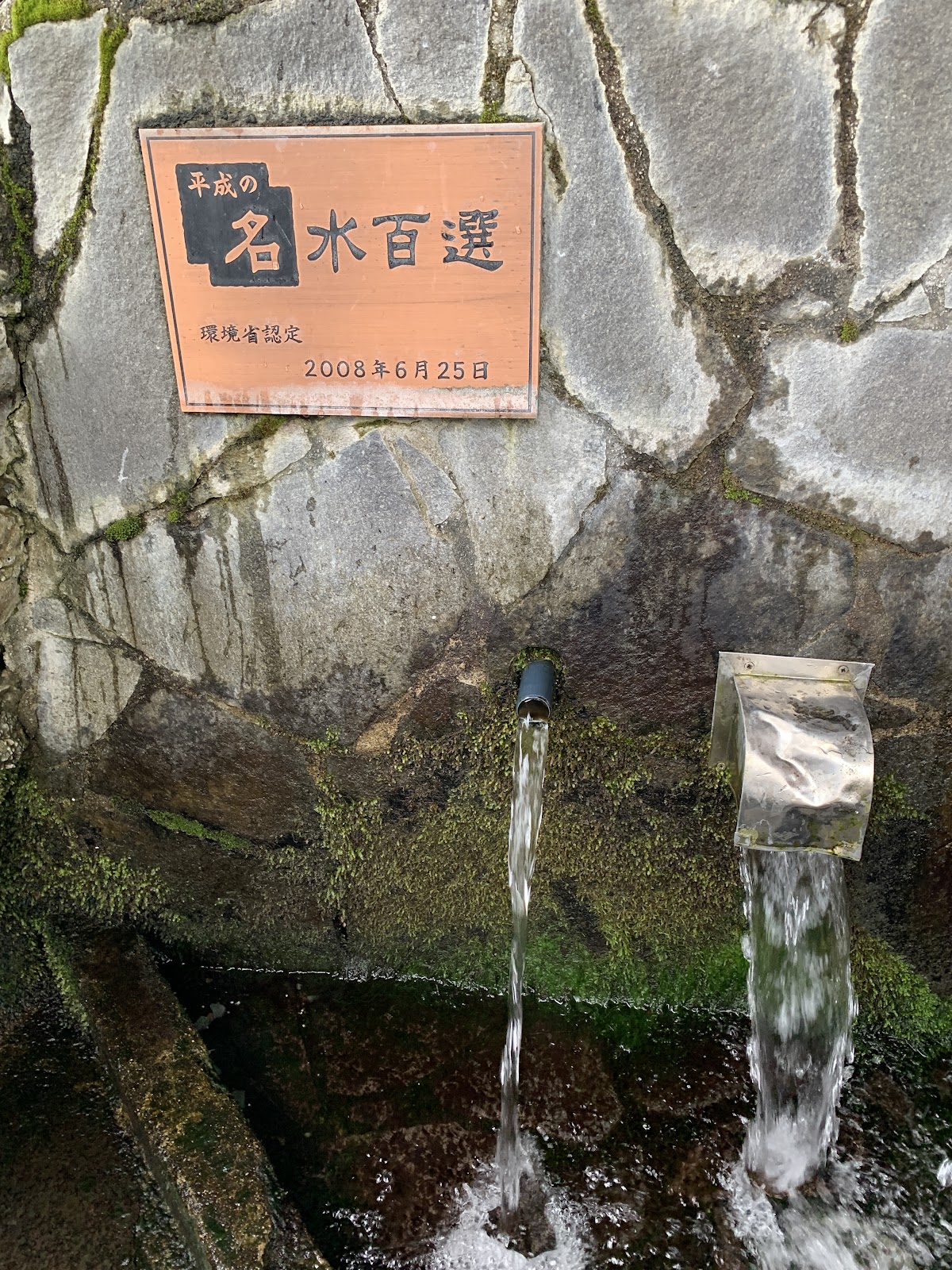
Kanro Water is a natural spring that flows from the ruins of Kōshōji Temple in Kanaya Town, Fukui City. Since fiscal year 2005, Fukui Prefecture has been certifying directly drinkable spring water and similar sources throughout the prefecture as “Fukui’s Delicious Water,” and Kanro Water is one of these certified precious water sources.
The Origin of the Name “Kanro Water”
The name “Kanro Water” derives from the taste of this water. According to tradition, even people who had become ill and whose mouths had turned bitter would say “this is sweet water” when drinking it, which is how this name came to be. In fact, many people who have tasted the water have given feedback that it is “sweet, mellow, and very delicious,” and it is said to be ideal for cooking rice and making tea.
In Buddhist terminology, “kanro” refers to a sweet dew that falls from heaven, or an elixir of immortality, making it a name befitting the clarity and deliciousness this spring water possesses.
Positioning Among Famous Waters in Fukui Prefecture
While Fukui Prefecture has many spring waters, Kanro Water is one of the particularly notable famous waters due to its historical background and good water quality. Similarly in Fukui City, there is a famous water called “Kanro Izumi” at Zenlin Temple in Tokuo Town, which is also certified as “Fukui’s Delicious Water.” The Kanro Izumi at Zenlin Temple, located at the western foot of Mt. Monju, is so popular that people come from distant places to draw water.
The History of Kōshōji Temple and the Origin of Kanro Water
When discussing Kanro Water, one cannot overlook the history of Kōshōji Temple, the place where this spring water flows.
Kōshō Gokoku Zen Temple Built in the Kamakura Period
Kōshōji (Kōshō Gokoku Zen Temple) is a venerable temple built during the Kamakura period under the imperial decree of Emperor Kameyama (Emperor Kameyama). It is also known as the clan temple of the Asakura clan of Echizen, and continued to make history in this location for over 700 years. Until it closed during the Meiji period, it was loved by many people as the center of regional faith.
Yakushi Nyorai Devotion and Spiritual Water Legend
Yakushi Nyorai (the Buddha of Medicine) was enshrined at Kōshōji, and this Kanro Water has long been associated with legends of miraculous efficacy. According to tradition, people would draw this spring water to offer to Yakushi Nyorai and pray; they would wash the affected areas or prepare medicine to drink from it, and it is said they would recover.
Because of such faith, people came to draw water year-round without ceasing. One can see how deeply this spiritual water for illness recovery and health blessing was rooted in the lives of the regional people.
The Ruins of Kōshōji Temple Today
While the buildings of Kōshōji Temple have been lost today, the ruins retain gravestones and stone monuments, and one can recall the temple’s former appearance in the quiet natural surroundings. Most importantly, Kanro Water continues to flow without interruption to this day, bringing its blessings to us in the present, spanning over 700 years of time.
Water Quality and Characteristics of Kanro Water
The reason Kanro Water was certified as “Fukui’s Delicious Water” and is beloved by many people lies in its excellent water quality.
Taste Characteristics
Summarizing the evaluations of those who have actually drunk Kanro Water, the following characteristics can be noted:
- Sweet and mellow taste: A soft mouthfeel with a subtle sweetness, just as the name suggests
- No peculiar taste and easy to drink: Low in impurities with a clean aftertaste
- Cold and refreshing: Natural coldness from flowing up from underground
Suitability for Cooking and Tea
Kanro Water is suitable not only for drinking but also for cooking and tea.
- Cooking rice: Rice cooks up fluffy and the natural sweetness of the grain stands out
- Tea: The flavor of tea leaves is not diminished, and the taste becomes mellow
- Coffee: Free of impurities, the aroma of the beans stands out
- Soups and broths: Brings out the flavors of ingredients for a gentle finish
Due to these characteristics, many local residents also come to draw water for daily cooking use.
Water Volume and Temperature
Kanro Water maintains a stable water volume throughout the year, with little extreme seasonal fluctuation. The consistent temperature characteristic of spring water feels cold in summer and relatively warm in winter, making it appealing as a year-round resource.
Access to Kanro Water and Location
Here is detailed access information for visiting Kanro Water.
Address
- Location: Kanaya Town, Fukui City, Fukui Prefecture (Ruins of Kōshōji Temple)
- Accessibility: Directly drinkable, visually accessible, can be approached and touched
Access by Car
Access by car is most convenient.
- Using Apita Fukui Store as a landmark: Turn left at the Nishi Gakuen/Iizuka intersection from Apita Fukui Store
- Proceed along the river: Continue along the road and cross the river
- Look for signs: There are signs along the river, but they are somewhat difficult to find, so be careful
- Use Google Maps: Searching for “Kōshōji Ruins Kanro Water” will display the location
Points to Note When Visiting
- Small signage: The riverside signs are easy to miss, so it is recommended to proceed slowly
- Road width: As you pass through residential areas, watch for oncoming traffic
- Parking space: Limited parking is available, so be considerate of other visitors
- Quiet environment: The Kōshōji Temple ruins are a quiet place, so be mindful of noise
Nearby Landmarks
It is located relatively close to central Fukui, and using Apita Fukui Store as a reference point is helpful. Since the route follows a riverside road, you can enjoy a natural landscape while accessing it.
How to Use Kanro Water and Drawing Water
Here is an explanation of how to use Kanro Water when visiting.
Basic Etiquette for Drawing Water
While Kanro Water is certified as “Fukui’s Delicious Water,” when using it, please follow the following etiquette:
- Prepare containers: Bring clean PET bottles or water containers
- Respect order: Wait your turn if other users are present
- Clean the surroundings: Always take trash with you and do not dirty the water area
- Do not monopolize: If drawing large amounts, do not forget to be considerate of others
- Keep quiet: As it is near residential areas, be mindful of noise
Water Storage Methods
Points to note when storing drawn water at home:
- Clean containers: Use containers that have been sterilized by boiling in advance
- Store in a cool, dark place: Avoid direct sunlight, and refrigerator storage is preferable
- Use early: Since natural water is not chlorinated, use within several days
- Boiling recommended: For peace of mind, it is advisable to boil water before drinking
Available Hours
Kanro Water is an outdoor spring and is generally accessible 24 hours, but visits during nighttime or early morning should be avoided out of consideration for nearby residents. Visiting during daylight hours is recommended.
Other Famous Water Spots in Fukui City
In addition to Kanro Water, there are multiple spring waters in Fukui City certified as “Fukui’s Delicious Water.”
Kanro Izumi at Zenlin Temple (Tokuo Town)
The “Kanro Izumi” at Zenlin Temple in Tokuo Town, Fukui City is also certified as “Fukui’s Delicious Water” just like Kanro Water.
- Location: Tokuo Town, Fukui City
- Characteristics: Located in the precincts of Zenlin Temple, built on high ground at the western foot of Mt. Monju
- Water quality: Sweet and mellow, ideal for cooking rice and making tea
- Popularity: Many people come from distant places to draw water
- History: A Soto Zen temple that was founded approximately 600 years ago
In the precincts of Zenlin Temple, there is also a spring water named “Kanro Water,” and it is said that Japanese tree frogs can be seen acting as water guardians, a charming sight.
Other Representative Spring Waters in Fukui Prefecture
Multiple spring waters in Fukui Prefecture have been selected as the Ministry of the Environment’s “Representative Spring Waters.” When you visit Kanro Water, why not also enjoy touring other famous waters in Fukui Prefecture.
Excellent spring waters are scattered throughout Fukui Prefecture in places such as Eihei Town and Katsuyama City, each with its own unique history and characteristics.
Points of Interest Around Kanro Water
When visiting Kanro Water, you can also visit nearby historical sites.
Historic Sites at the Ruins of Kōshōji Temple
At the Kōshōji Temple ruins where Kanro Water flows, there are scattered historic sites that retain vestiges of the former temple.
- Grave stone groups: Grave stones that tell the story of the temple’s history that continued until the Meiji period
- Stone monuments: Stone monuments recording the history of Kōshōji Temple
- Natural environment: A healing space surrounded by quiet forest
For history enthusiasts, spending time touring these historic sites while reflecting on the former Kōshōji Temple can be a valuable experience.
Historical walks in the Higashi-Yasui District
Kanaya Town, where Kanro Water is located, is part of the Higashi-Yasui District, which has other historical points of interest. You can also enjoy walking tours of the district’s history using historic site maps distributed by local community centers.
About the “Fukui’s Delicious Water” Certification System
Let’s take a closer look at the “Fukui’s Delicious Water” system under which Kanro Water is certified.
Purpose of the Certification System
Fukui Prefecture began a system in fiscal year 2005 to certify directly drinkable spring water and similar sources throughout the prefecture as “Fukui’s Delicious Water.” The purposes of this system are:
- Water resource preservation: Raising awareness to preserve precious spring water for future generations
- Regional resource utilization: Enhancing the value of spring water as a tourism resource
- Water environment awareness: Cultivating citizens’ awareness of water environment conservation
- Regional revitalization: Promoting regional development centered on famous waters
Certification Standards
To be certified as “Fukui’s Delicious Water,” the following standards must be met:
- Water quality standards: Water must be suitable for drinking
- Accessibility: Must be available for public use
- Continuity: Must have stable water volume throughout the year
- Regional character: Must be cherished by the region and be preserved
Management of Certified Waters
For certified spring waters, Fukui Prefecture’s Environmental Affairs Division and Health and Welfare Centers conduct regular water quality tests to confirm safety. Additionally, information is made public through the “Fukui Prefecture Environmental Information Comprehensive Processing System Green Net” (operated by the Fukui Prefecture Hygiene and Environmental Research Center).
The Appeal of Kanro Water by Season
Kanro Water can be visited throughout the year, but each season offers different attractions.
Spring (March to May)
- Beauty of new foliage: Surrounding trees bud and create a refreshing atmosphere
- Water temperature: In the spring weather, cold spring water is pleasant
- Flowers: Wild flowers blooming nearby add color
Summer (June to August)
- Seeking coolness: On hot days, cold spring water tastes especially delicious
- Shade of trees: Tree shade is cool, making it ideal as a summer retreat spot
- Water volume: During the rainy season, water volume may become abundant
Autumn (September to November)
- Autumn colors: Surrounding trees turn colors, creating a beautiful landscape
- Clear air: Water tasted in autumn’s clear air is exceptional
- Season of harvest: Some people visit to draw water for cooking new rice
Winter (December to February)
- Silence: With fewer visitors, one can draw water in quiet
- Benefits of water temperature: While the outside air is cold, spring water feels relatively warm
- Snowy landscape: The landscape on snowy days is fantastical
Lifestyle Using Kanro Water
People who regularly visit to draw Kanro Water incorporate this famous water into their lives in various ways.
As Daily Drinking Water
The simplest way to use it is as drinking water directly. By pouring it into a PET bottle and chilling it in the refrigerator for daily use, you can experience the natural blessings differently from commercially available mineral water.
Enhancing the Quality of Cooking
- Cooking rice: The sweetness of the rice stands out, cooking fluffy
- Miso soup and soups: A gentle flavor that brings out the essence of ingredients
- Simmered dishes: Brings out the umami of vegetables and meat
- Making broth: The flavors of kombu and bonito flakes stand out
Enhancing Favorite Beverages
- Japanese tea: Enjoy the delicate flavors of sencha and gyokuro
- Coffee: The natural aroma and taste of beans shine through
- Black tea: Does not diminish the individuality of tea leaves
- Whiskey and shochu on the rocks: Creates a mellow taste
As a Health Habit
Some people incorporate Kanro Water into healthy lifestyle habits, such as drinking a cup of water right after waking up in the morning or using it for hydration after exercise.
Water Source Preservation and Sustainable Use
To preserve precious spring water like Kanro Water for the future, the awareness of each individual user is important.
Environmental Conservation of Water Sources
Water quality of spring water is greatly affected by the surrounding environment. Please be mindful of the following points:
- Do not litter: Do not throw trash not only at the water source but also upstream
- Do not use detergent: Do not use detergent when washing containers at the water source
- Protect vegetation: Do not damage surrounding plants
- Do not damage the land: Do not unnecessarily trample the area
Coexistence with the Community
Kanro Water is a precious regional resource, and it can only be used with the understanding and cooperation of community residents.
- Consideration for noise: As it is near residential areas, use it quietly
- Parking etiquette: Be careful not to park on the street or obstruct traffic
- Compliance with community rules: If there are rules established by the community for use, follow them
- Gratitude: Do not forget gratitude toward the community members
Avoid Excessive Drawing
Drawing large amounts of water at once can lead to a decrease in water volume and impacts on other users. Drawing only what is necessary and visiting regularly is a more desirable style.
Historical and Cultural Value of Kanro Water
Kanro Water is not merely a drinking water source but a precious presence that conveys the history and culture of the region to the present day.
Connection with the Asakura Clan of Echizen
From the fact that Kōshōji Temple was the clan temple of the Asakura clan of Echizen, Kanro Water is deeply connected to the history of Echizen during the Sengoku period. The Asakura clan, with its base in Ichijodani, ruled Echizen as a feudal lord, and as a spring from their clan temple, it would have been an important water source at that time.
Relationship Between Belief and Water
The history of this spiritual water connected with Yakushi Nyorai devotion demonstrates the deep relationship between water and belief in Japan. Since ancient times, clear water has been considered sacred, and water flowing from temple and shrine precincts has held special significance. Kanro Water can be said to inherit this tradition.
Symbol of Regional Identity
Kanro Water, which has continued to flow for over 700 years, is a living witness to the region’s history and has become part of the regional residents’ identity. Water that continues to flow unchanged despite changing times is a symbol of regional continuity and stability.
Kanro Water and Fukui’s Water Culture
Fukui Prefecture is blessed with abundant water resources, and a unique water culture has been cultivated.
Geographic Characteristics of Fukui
Fukui Prefecture faces the Sea of Japan, with mountains behind it. Due to abundant rainfall and groundwater from the mountainous areas, high-quality spring water exists throughout the prefecture. This natural condition forms the foundation for creating “Fukui’s Delicious Water.”
Water and Food Culture
Fukui’s food culture is supported by high-quality water.
- Rice cultivation: The deliciousness of Fukui rice grown with clear water
- Sake: Fukui’s local sake is brewed using famous water
- Soba: Fukui’s specialty “Echizen soba” is also affected by water quality
- Seafood: Cooking water that brings out the charm of the bounty of the Sea of Japan
Famous waters like Kanro Water are important elements supporting these food cultures.
Spirit of Valuing Water
Among Fukui residents, a spirit of valuing water is deeply rooted. The “Fukui’s Delicious Water” certification system is an expression of this spirit. The effort to protect the region’s treasure, its spring water, and pass it on to future generations can be said to be a model case for creating a sustainable society.
Conclusion | The Appeal of Kanro Water and Recommendation to Visit
“Kanro Water” that springs from the ruins of Kōshō Temple in Kanaya Town, Fukui City, Fukui Prefecture is a precious spring water with a history of over 700 years. Flowing from the precincts of Kōshō Gokoku Zen Temple, built during the Kamakura period, and connected with Yakushi Nyorai devotion, this spiritual water has been cherished by people for many years.
Certified by Fukui Prefecture as “Fukui’s Delicious Water,” this famous water is characterized by its sweet and mellow taste and is suitable not only for drinking but also for cooking rice, making tea, and cooking. Even today, local residents and visitors from afar continue to come to draw water and incorporate it into their daily lives.
Located at a relatively accessible distance from central Fukui, it offers an opportunity to draw this famous water while sensing history in a quiet natural environment. When visiting, remember water source preservation and consideration for the community, and use it while following proper etiquette.
Kanro Water is not merely a drinking water source but a precious presence that conveys the region’s history and culture to the present day. Once you visit, you will be fascinated by the deliciousness of the water and the atmosphere of the place. If you have an opportunity to visit Fukui, be sure to experience this historic famous water.
Experiencing Kanro Water flowing from the ruins of Kōshōji Temple, which displays different appearances in each season and has continued to flow over 700 years, will surely be a valuable experience that teaches us the blessings of nature and the weight of history in contemporary times.