
Complete Guide to Shigedo (Gunma Prefecture): Thorough Explanation of the Shigedo Water Source of the Nitta Manor Ruins and Surrounding Historical Value
Shigedo (しげどの), located in Ota City, Gunma Prefecture, is an important region that conveys the history of the medieval manor system to the present day. In particular, the “Shigedo Water Source” is designated as a national historic site as a component of the Nitta Manor Ruins, and is known as an abundant spring water area located at the fan edge of the Omama alluvial fan. This article provides a thorough explanation of the charm of this region, covering Shigedo’s geographical features, historical background, value as cultural property, and surrounding tourism information.
Geographical Location and Characteristics of Shigedo
Location in the Northwestern Part of Ota City
Shigedo is located in the northwestern part of Ota City, Gunma Prefecture, at a geographically distinctive location at the fan edge of the Omama alluvial fan. This location is a factor that creates the abundant spring water that is Shigedo’s greatest characteristic.
The Omama alluvial fan is an alluvial fan formed by tributaries of the Watarase River, such as the Kiryu River. At the fan edge around an elevation of approximately 60 meters, phenomena where groundwater springs to the surface are frequently observed. The Shigedo Water Source is one of its representative spring water locations.
Elevation and Topographical Characteristics
The elevation in the Shigedo area is approximately 60 meters, positioned at the northern edge of the Kanto Plain. This topographical relationship becomes a rich source of groundwater supply, and has been utilized since ancient times for agricultural water and domestic water use.
Due to the topography unique to alluvial fans, groundwater that has passed through highly permeable geological layers naturally springs at the fan edge, and multiple spring water points are confirmed around Shigedo. This geographical condition became the foundation for the development of the Nitta Manor in the medieval period.
Historical Value of the Nitta Manor Ruins and Shigedo Water Source
Establishment and Development of the Nitta Manor
The Nitta Manor was a manor estate established from the late Heian period through the Kamakura period, and was the base of the Nitta clan, a branch of the Minamoto clan. The Nitta clan, with Nitta Yoshishige as the founder, developed this area and developed agricultural production utilizing abundant water resources.
The place name “Shigedo” suggests the existence of important manor facilities or the residences of influential figures, and is thought to have played a central role in the Nitta Manor. This region with abundant spring water was suitable for paddy field development and became essential to manor management.
Current Status and Preservation of the Shigedo Water Source
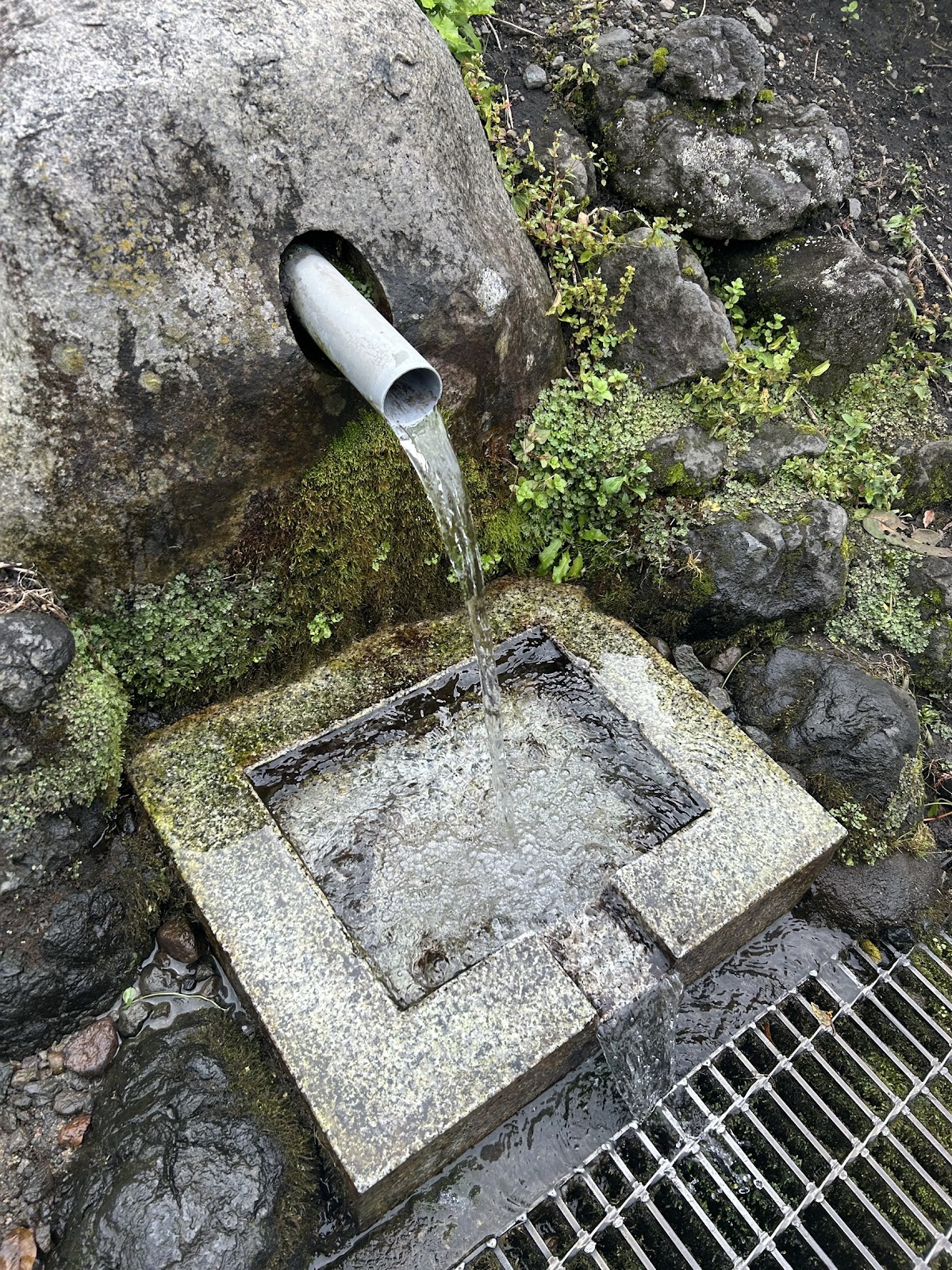
The current Shigedo Water Source is located in an urbanized environment surrounded by residential houses and factories. It remains as a small pond approximately 10 meters east-west and 23 meters north-south, with embankments on four sides made of stone and concrete.
Despite significant changes in the surrounding environment amid the waves of modernization, this water source continues to spring clear water and is preserved as a valuable cultural heritage conveying glimpses of the medieval manor. Ota City, recognizing this historical value, conducts appropriate preservation management.
Significance of National Historic Site Designation
The Nitta Manor Ruins are extremely valuable as ruins demonstrating the actual conditions of medieval manors, and multiple constituent elements including the Shigedo Water Source are designated as national historic sites. This designation indicates that the ruins provide important information for understanding Japanese medieval history.
The Shigedo Water Source is positioned not merely as a spring water location but as historical evidence telling of medieval water utilization systems, agricultural techniques, and the actual conditions of manor management. There are movements aiming for World Heritage registration, and further attention is expected in the future.
Hydrogeological Characteristics of the Shigedo Water Source
Spring Water Mechanism
The spring water of Shigedo Water Source derives from the geological structure of the Omama alluvial fan. Rainwater and river water that infiltrate underground in the upper part of the alluvial fan pass through highly permeable sand and gravel layers and reach impermeable layers such as clay at the fan edge, causing the water to spring to the surface.
This natural filtration system ensures that the water of Shigedo Water Source is clear with good water quality. Water temperature is relatively stable throughout the year, with little seasonal variation as a characteristic.
Water Volume and Water Quality
The water discharge of the Shigedo Water Source varies with precipitation and groundwater level fluctuations, but maintains stable spring water over many years. This abundant water resource has supported the region’s life and agriculture from ancient times to the present.
Regarding water quality, regular surveys are conducted and the clean water quality derived from groundwater is maintained. However, concerns arise about the impact on groundwater due to surrounding urbanization, making continuous monitoring and conservation activities important.
Historical Heritage Around Shigedo
Other Constituent Elements of the Nitta Manor Ruins
The Nitta Manor Ruins consist not only of the Shigedo Water Source but of multiple historical elements. The Ikishina Shrine, Yata Water Source, and Junisho Shrine, among others, each tell the history of the Nitta Manor as important heritage sites.
By visiting these ruins, one can understand the overall picture of medieval manors. Ota City is advancing development of walking routes connecting these ruins and installation of guide signboards, also promoting their use as tourism resources.
Historic Sites Related to the Nitta Clan
Throughout the Ota City area including Shigedo, numerous historic sites related to the Nitta clan remain. The Ikishina Shrine, known as the base of Nitta Yoshisada’s uprising, and the Daiji Temple, the clan temple of the Nitta clan, allow one to trace the footsteps of this distinguished samurai family descending from the Minamoto line.
These historic sites serve as valuable information sources for understanding history from the Kamakura through Nanboku-chō periods and have become attractive exploration destinations for history enthusiasts.
Representative Temples and Shrines in Gunma Prefecture
When visiting the Shigedo area, a more enriching tourism experience can be obtained by also visiting famous temples and shrines throughout Gunma Prefecture.
Hottoku Temple
Located in Kiryu City, Hottoku Temple is a Zen temple of the Rinzai school affiliated with Kenchoji. It is particularly famous for its autumn floor maple reflections. The beauty of maple leaves reflected in the temple hall floor is known nationwide as “floor maple” and attracts many tourists during the season.
Hottoku Temple was founded in the Muromachi period and also possesses high historical value, with Important Cultural Property-grade buildings and gardens within its grounds. It is popular as a place where one can experience Zen spirituality in a serene atmosphere.
Haruna Shrine
Haruna Shrine, situated halfway up Mount Haruna in Takasaki City, is an ancient shrine with a history of over 1,400 years. Its unique landscape, with gigantic boulders integrated with the shrine structures, overwhelms visitors.
The main hall is designated as a National Important Cultural Property, and its grand appearance with the rocky mountain as a backdrop is considered a masterpiece of Japanese shrine architecture. Known also as a power spot, it attracts many worshippers.
Myogi Shrine
Located on the east mountain slope of Mount Myogi in Tomiokam Myogi Shrine is said to have been founded by Minamoto no Yoshikuni, father of Nitta Yoshishige, in 1125. It has deep connections with the Nitta clan of Shigedo.
The shrine structures with the odd rocks and strange stones of Mount Myogi as a backdrop retain the architectural style of the Edo period and are also known for the beauty of their carvings. Used as a climbing trailhead, it has become a sacred site where nature and faith are fused.
Kiryu Tenmangū
Located in the center of Kiryu City, Kiryu Tenmangū is a shrine dedicated to Sugawara Michizane, the deity of learning. Affectionately known as “Tenjin-sama” by local people, it attracts many students and parents during exam season seeking prayers for success.
The grounds contain ancient trees several hundred years old, and a quiet worship environment is maintained despite being in an urban area. Regular antique fairs held here are popular and it has become a cultural center for the community.
Access to Shigedo and Tourism Information
Transportation Access
The Shigedo Water Source can be accessed by bus or taxi from Ota Station or Nishi-Koizumi Station on the Tobu Isesaki Line. By private vehicle, it is approximately 15 minutes from the Ota-Kiryu interchange on the Kita-Kanto Expressway.
Parking is limited, making use of public transportation recommended. Ota City provides tourism maps for touring the Nitta Manor ruins, from which efficient viewing route information can be obtained.
Precautions When Viewing
The Shigedo Water Source is located within a residential area, and the surroundings are living spaces. Consideration for the lives of area residents is required when viewing, with quiet observation being necessary.
The water source is bordered by stone embankments and concrete, but for safety reasons entry beyond the fences is not permitted. Photography is possible, but trespassing on private property and causing nuisances must be strictly avoided.
Optimal Visiting Season
The Shigedo Water Source is open to viewing year-round, but spring’s new greenery and autumn’s colored leaves make the surrounding nature beautiful and the seasons favorable for walking. Summer offers a pleasantly cool atmosphere from the spring water, while winter allows for quiet observation in crisp air.
When touring the entire Nitta Manor ruins site, preparation of comfortable clothing and shoes is recommended, with half a day to a full day of time being advisable.
Cultural Property Protection Activities in Ota City
Preservation and Development of the Nitta Manor Ruins
Ota City makes efforts in the preservation and utilization of the Nitta Manor Ruins. Appropriate management of each constituent element including the Shigedo Water Source, installation of guide signboards, and improvement of surrounding environments are conducted continuously.
Centered on the City Board of Education Cultural Properties Division, preservation activities are promoted in cooperation with area residents and experts, working to maintain historical value. Regular research investigations are also conducted to accumulate new knowledge.
Efforts Toward World Heritage Registration
The Nitta Manor Ruins, as valuable ruins demonstrating the actual conditions of medieval manors, have movements aiming for future World Heritage registration. The Shigedo Water Source is positioned as a core element with potential to receive international recognition.
World Heritage registration requires meeting strict criteria, including preservation condition of ruins, proof of historical value, and establishment of protection systems, necessitating clearing of many challenges. Ota City continues efforts to address these challenges while working to present the region’s treasures to the world.
Regional Revitalization and Tourism Utilization
As a Base for Historical Tourism
The Nitta Manor Ruins group including Shigedo is positioned as an important tourism resource for Ota City. Attracting tourists interested in history contributes to regional economic revitalization.
The city conducts diverse initiatives through tourism pamphlets and website information dissemination, guided tour implementations, and event hosting to broadly convey the charm of the ruins.
Coordination with Educational Activities
The Nitta Manor Ruins including the Shigedo Water Source serve as important teaching materials in the region’s school education. Ruins viewing and historical study are conducted as part of local history learning in elementary and junior high schools, providing opportunities for children to learn about the region’s history and culture.
Through such educational activities, transmitting the importance of cultural property protection to the next generation and fostering affection for the region also becomes important goals of Ota City’s cultural property administration.
Surrounding Tourist Attractions
Points of Interest Within Ota City
When visiting Shigedo, it is recommended to also tour other tourist attractions within Ota City. Kanayama Castle Ruins, selected as one of Japan’s 100 Famous Castles, is a mountain castle with well-preserved ruins of stone walls and earthwork enclosures.
Additionally, the Takayama Social History Museum, a constituent asset of the World Heritage site “Tomioka Silk Mill and Related Sites of Sericulture,” is nearby, allowing one to learn about the history of sericulture that supported Japan’s modernization.
Related Spots Within Gunma Prefecture
Gunma Prefecture contains many historical and cultural spots beyond Shigedo. In addition to the aforementioned Hottoku Temple, Haruna Shrine, Myogi Shrine, and Kiryu Tenmangū, famous hot springs such as Kusatsu Hot Spring and Ikaho Hot Spring are nearby, making travel plans combining historical exploration with hot spring bathing popular.
The Important Traditional Building Preservation District of Kiryu City preserves streetscapes that flourished with textile industry, offering a nostalgic atmosphere to enjoy.
Conclusion: Charm of Shigedo and Future Prospects
Shigedo in Ota City, Gunma Prefecture, is a region possessing the valuable historical heritage of the Shigedo Water Source. The abundant spring water created by the geographical characteristics of the fan edge of the Omama alluvial fan supported the medieval Nitta Manor and continues to spring clear water even today.
As part of the Nitta Manor Ruins designated as a national historic site, the Shigedo Water Source is indispensable cultural property for understanding Japanese medieval history. Despite advancing urbanization, it is preserved through the efforts of area residents and administration, and its historical value is being passed on to future generations.
Scattered throughout the surrounding area are temples and shrines representative of Gunma Prefecture such as Hottoku Temple, Haruna Shrine, Myogi Shrine, and Kiryu Tenmangū, making it an enriched tourism area where history and culture can be experienced. A journey of exploration beginning from Shigedo into Gunma Prefecture’s profound history and natural charm will bring visitors new discoveries and inspiration.
If World Heritage registration efforts advance in the future, the renown of Shigedo will further increase, and it may become a place visited by many people from within and outside the country. Maintaining balance between preservation of historical value and tourism utilization while passing this precious cultural heritage to the next generation can be said to be the mission entrusted to us.