Sakaizawa Shimizu (Nagano Prefecture) Complete Guide: Thorough Explanation from Access, Water Quality, and History to Surrounding Tourism
What is Sakaizawa Shimizu?
Sakaizawa Shimizu (境沢清水) is a clear spring water that wells up in Nagano Prefecture and is cherished by local residents and visitors alike. Nagano Prefecture is surrounded by mountainous areas including the Japanese Alps, and numerous renowned waters are born as abundant snowmelt and precipitation are filtered through geological layers. Sakaizawa Shimizu is one such natural blessing, and has been deeply connected to the region’s life and culture since ancient times.
Geographic Characteristics of Sakaizawa Shimizu
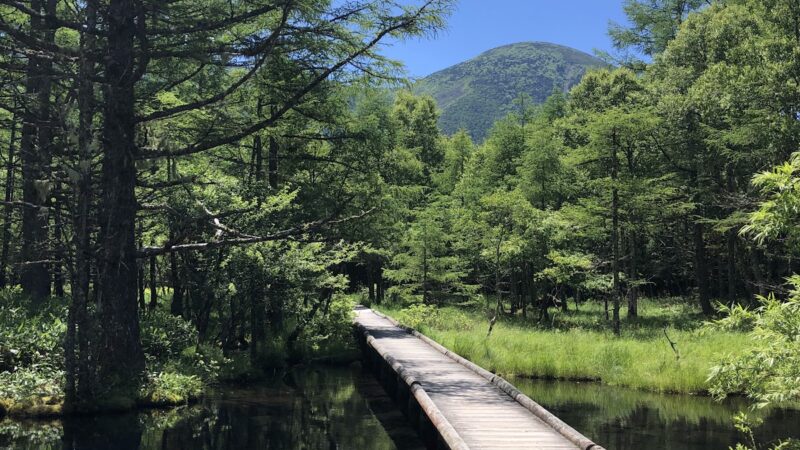
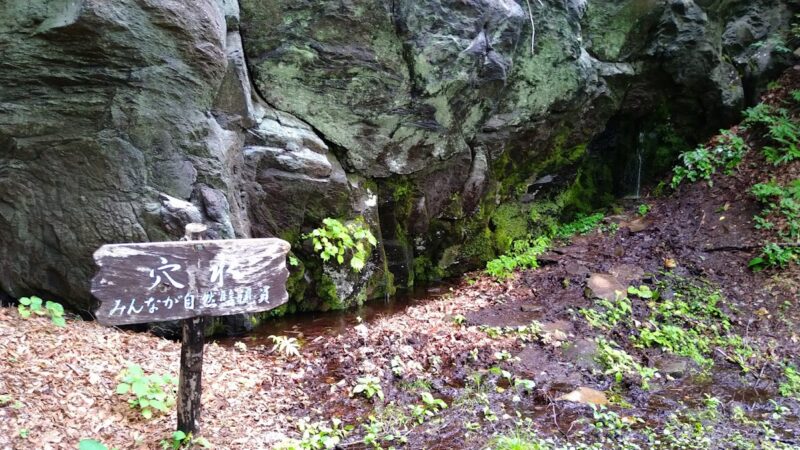
Sakaizawa Shimizu is located in a mountainous area within Nagano Prefecture, surrounded by rich forests in a natural environment. Water welling up from high-altitude areas maintains stable temperatures throughout the year, being cold in summer and resistant to freezing even in winter. This spring water naturally wells up from underground water veins and is pure natural water without any artificial processing.
The geology surrounding the spring area consists mainly of volcanic layers and sedimentary rock, which function as a natural filter, removing impurities from the water and producing clear water with well-balanced minerals.
History and Cultural Background of Sakaizawa Shimizu
Connection with the Local Community
Sakaizawa Shimizu has a long history of being used as daily water for local residents. Before modern water systems were established, people in the settlements routinely used this spring water for drinking and cooking. It also played an important role as agricultural water, becoming a precious water source that nourished surrounding rice paddies and fields.
Beliefs and Legends
Like many spring waters in Nagano Prefecture, Sakaizawa Shimizu may be connected with local traditions and beliefs. Clear water has long been considered sacred since ancient times and often becomes the object of water deity worship. It is conceivable that this spring water may have played some role in local festivals and annual events.
Water Quality Characteristics of Sakaizawa Shimizu
Composition and Minerals
Sakaizawa Shimizu is a natural spring water that acquires various mineral components as it passes through geological layers. Generally, water welling up from mountainous areas in Nagano Prefecture contains minerals such as calcium, magnesium, and potassium in good balance, and is often classified in the soft to moderately hard water range.
Soft water pairs well with Japanese cuisine and has the characteristic of enhancing the flavors of tea and coffee. As drinking water, it also has a smooth, mellow taste that is easy to drink.
Water Temperature and Clarity
The temperature of spring water remains relatively stable throughout the year, maintaining coldness of around 10-15 degrees even in summer. This stable low temperature plays an important role in maintaining water quality. Additionally, its high transparency, allowing visibility to the water bottom, serves as evidence of high-quality spring water.
Water Quality Testing and Safety
When consuming natural spring water, water quality safety is important. When drinking Sakaizawa Shimizu, it is recommended to check the results of regular water quality testing. Generally, items such as the presence or absence of coliform bacteria, pH value, and nitrate nitrogen are tested.
Even with natural water, water quality may fluctuate due to changes in surrounding environment or weather conditions, so it is important to confirm the latest water quality information, especially when consuming it.
Access Methods to Sakaizawa Shimizu
Access by Public Transportation
Many spring water spots in Nagano Prefecture are located in mountainous areas, so access by public transportation may be restricted. When visiting Sakaizawa Shimizu, it is important to confirm in advance the distance from the nearest railway station or bus stop, the number of services, and other details.
Smooth access becomes possible by using a taxi from the nearest station or by gathering information from local tourism information centers.
Access by Automobile
When using a private vehicle or rental car, set the destination on your car navigation system or confirm the exact location using a map app before departing. Roads in mountainous areas may be narrow, and there is a possibility of snow accumulation and icing in winter, so preparation suitable for the season is necessary.
Parking space may be limited, so it is recommended to visit during earlier times of day, especially on weekends and during tourist season.
Precautions When Visiting
When visiting Sakaizawa Shimizu, please note the following points:
- Take all trash with you: Bringing back all garbage is essential to protect the natural environment
- Do not pollute around the water source: Use of soap and shampoo is strictly prohibited
- Follow local rules: Do not enter private property or restricted areas
- Wear appropriate clothing and equipment: The temperature is low in mountainous areas, and the ground may be slippery
- Be alert to wild animals such as bears: Attention to bear sightings is necessary in mountainous areas of Nagano Prefecture
Ways to Use Sakaizawa Shimizu
Use as Drinking Water
When taking Sakaizawa Shimizu home as drinking water, prepare a clean container. It is important to use containers suitable for food use, such as plastic bottles or poly tanks. Store the collected water in a cool dark place and use it as soon as possible.
Natural water is not chlorine-disinfected, so it has lower storage stability than tap water. Especially in summer it spoils easily, so refrigeration is the basic approach.
Use in Cooking
Clear spring water is also ideal for cooking. You can truly experience its flavor in uses such as the following:
- Cook rice: Rice cooked with mineral-rich water becomes fluffy and flavorful
- Tea and coffee: Soft water brings out the flavor of tea leaves and makes coffee taste mellow
- Make soup stock: Japanese soup stock made with soft water maximizes the umami of kombu and bonito flakes
- Wash vegetables: Vegetables washed in fresh water stand out in their original flavor
Use for Health and Beauty
Natural mineral water is useful for maintaining health. Adequate mineral intake is expected to adjust bodily condition and promote metabolism. Also, consuming sufficient high-quality water contributes to skin health maintenance.
However, claiming specific health effects requires scientific evidence, and it is most appropriate to use it as a high-quality water source for hydration.
Tourist Spots Around Sakaizawa Shimizu
Nature Walking Spots
The area around Sakaizawa Shimizu is blessed with abundant nature, allowing visitors to enjoy landscapes that change with the four seasons. Spring brings fresh greenery, summer deep green, autumn brings autumn leaves, and winter brings snowy landscapes, offering different appearances depending on the season of visit.
Hiking courses and walking paths may be developed in the surrounding area, allowing visitors to enjoy nature walks together with spring water touring. The area is also attractive for nature enthusiasts such as bird watching and observation of alpine plants.
Historical and Cultural Facilities
Nagano Prefecture has numerous historical buildings and cultural facilities. When visiting Sakaizawa Shimizu, by also visiting nearby shrines, temples, local history museums, and traditional craft workshops, you can more deeply understand the region’s history and culture.
Hot Spring Facilities
Nagano Prefecture is also famous as a hot spring area. After touching the cold spring water at Sakaizawa Shimizu, it is also recommended to warm your body at nearby hot spring facilities. Many facilities offer day-use bathing and can be easily visited during a drive.
Local Specialties and Food Culture
Nagano Prefecture is known for abundant specialties such as Shinshu soba, Nozawana greens, apples, and grapes. When visiting Sakaizawa Shimizu, stop by local farm direct sales shops and roadside stations to purchase fresh local ingredients, which is one of the pleasures of the trip.
Shinshu soba in particular, made with clear water, is exquisite. You may be able to taste authentic soba made with water from the same system as Sakaizawa Shimizu at local soba restaurants.
Seasonal Attractions When Visiting Sakaizawa Shimizu
Spring (March to May)
Spring is the season of snowmelt, when the flow of spring water becomes abundant. Patches of snow remain on the surrounding mountains, and fresh greenery begins to sprout—a scene full of vitality. It is also wild vegetable picking season, allowing visitors to experience local food culture.
Summer (June to August)
Summer is the season when the coolness of Sakaizawa Shimizu is most pleasant. More visitors seek cooling relief from the heat of urban areas. The clear water welling up in a forest enveloped in deep green is truly a natural air conditioner.
However, summer is also a season when insects become numerous, so do not forget insect repellent measures.
Autumn (September to November)
Autumn is the season of autumn leaves, when the forests around Sakaizawa Shimizu turn red and yellow. Spring water tasted in the clear autumn air is exceptional. Also, autumn is harvest season, when local agricultural products are most abundant.
Winter (December to February)
Sakaizawa Shimizu in winter presents a quiet appearance in a snowy landscape. Since spring water is resistant to freezing, water can often be drawn even in winter, but careful attention to snow accumulation and icing on surrounding roads is necessary.
Winter has fewer visitors, allowing you to spend precious time facing nature in silence. However, cold weather protection and safety assurance are essential.
Conservation Activities and Regional Efforts Regarding Sakaizawa Shimizu
Importance of Water Source Conservation
To pass clear spring water on to future generations, environmental conservation of water source areas is essential. Proper forest management, protection of water source conservation forests, development restrictions in surrounding areas, and other multifaceted efforts are necessary.
In many cases, local residents, government agencies, and environmental protection organizations cooperate to conduct cleaning activities and tree-planting activities at water sources.
What Visitors Can Do
We who visit Sakaizawa Shimizu also have a responsibility to protect this precious natural resource:
- Avoid creating and bringing trash: Practice thorough trash removal
- Do not contaminate water sources: Do not use detergents or chemicals; properly dispose of waste
- Do not damage vegetation: Walk only on designated paths and do not collect plants
- Spend time quietly: Remember this is a habitat for wildlife
- Respect local rules: Obey restrictions on private property and prohibited activities
Sustainable Tourism
Natural resources like Sakaizawa Shimizu become sustainable tourism resources when properly managed. To avoid environmental burden from excessive visitor numbers, dispersal of visiting times and restrictions on the number of people visiting at once may be considered.
It is important to maintain the spring water long-term while balancing the local economy and environmental conservation.
Other Famous Water Spots in Nagano Prefecture
When visiting Sakaizawa Shimizu, why not tour other famous water spots within Nagano Prefecture?
Environmental Ministry-Selected “One Hundred Famous Waters”
Nagano Prefecture has several spring waters selected for the Environmental Ministry’s “One Hundred Famous Waters.” These waters are spring waters recognized nationally for their water quality and environment.
Hidden Local Famous Waters
Local spring waters that have not been developed as tourist attractions are also precious water sources loved by local people. By asking locals, you may encounter unknown famous water spots.
Planning Your Visit to Sakaizawa Shimizu
Pre-Visit Preparation Checklist
Before visiting Sakaizawa Shimizu, it is reassuring to prepare the following:
- Check weather forecast: Mountain weather changes rapidly, so check the latest forecast
- Confirm access methods: Road conditions, parking availability, public transportation schedules
- Prepare necessary items: Container for collecting water, towel, insect repellent, sunscreen, rain gear, map
- Choose appropriate clothing: Easy-to-move clothing suitable for getting dirty, non-slip shoes
- Confirm emergency contacts: Nearest medical facilities, police, fire department contact information
Expected Staying Time
A stay at Sakaizawa Shimizu of about 30 minutes is sufficient if you are just collecting water, but allow 1-2 hours if you plan to enjoy surrounding walks and photography. When combining with nearby tourist spots, a plan with half-day to full-day flexibility is recommended.
Photography Tips
Tips for capturing the beauty of Sakaizawa Shimizu in photographs:
- Early morning or evening light: Soft light brings out the clarity of water
- Express water flow: Use slow shutter to express water movement smoothly
- Include surrounding nature: Include forest and sky in composition, not just the spring
- Close-up for water texture: Pay attention to fine details such as water droplets and reflections on the surface
Conclusion: Passing On the Charm of Sakaizawa Shimizu to Future Generations
Sakaizawa Shimizu is a precious natural resource created by Nagano Prefecture’s abundant nature. The clear water has supported regional history and culture, and continues to bring blessings to many people today.
Visiting this spring water is not merely about obtaining delicious water; it is an opportunity to realize the grandeur of nature and consider the importance of environmental conservation. By respecting nature and acting appropriately, each of us can pass on the clarity of Sakaizawa Shimizu to future generations.
When visiting Nagano Prefecture, please be sure to visit Sakaizawa Shimizu and experience its clear taste and the natural beauty of its surroundings. Time spent away from urban hustle and bustle in nature is ideal for mental and physical refreshment.
I hope that your encounter with Sakaizawa Shimizu becomes a special memory for you and serves as an opportunity to deepen your understanding and gratitude for nature.