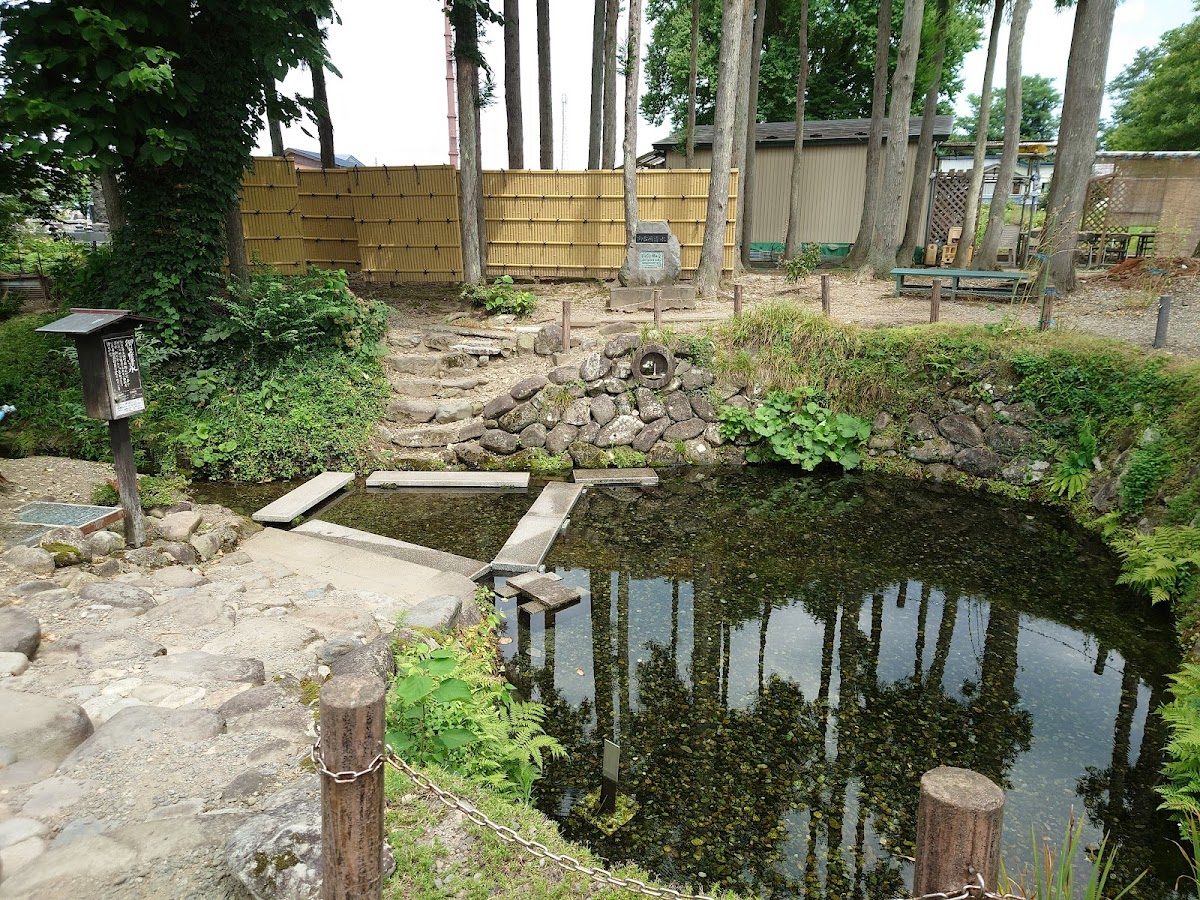

Complete Guide to Rokugō Yūsui Group (Misato Town, Akita Prefecture) | Charm of Japan’s Top 100 Water Springs and Tourism Spots Summary
The Rokugō Yūsui Group, which spans Misato Town in Senboku District, Akita Prefecture, is a rare spring water area throughout Japan where clear groundwater flowing from the Ou Mountain Range gushes forth from over 60 locations. In 1985 (Showa 60), it was selected as one of the “Top 100 Water Springs” by the Ministry of the Environment, and continues to captivate many people not only as a water source for local residents’ daily life but also as a tourism resource.
This article provides a complete introduction to the charm of the Rokugō Yūsui Group, covering its historical background, representative spring water spots, access methods, surrounding tourism information, and regional cuisine that makes use of the spring water.
What is the Rokugō Yūsui Group? Reasons for Selection as Top 100 Water Springs
Overview and Characteristics of Rokugō Yūsui Group
The Rokugō Yūsui Group is a collective term for spring water areas that spread primarily through the Rokugō district of Misato Town in Senboku District, Akita Prefecture. Groundwater originating from Waga-dake (elevation 1,440m) in the Ou Mountain Range naturally springs forth at various locations throughout the town. The total number of spring water locations exceeds 60, and the total daily discharge is said to be approximately 100,000 tons.
The water temperature of the springs remains nearly constant throughout the year, maintaining approximately 10-12 degrees Celsius. This stable water temperature, abundant water volume, and high water quality are the greatest characteristics of the Rokugō Yūsui Group. The water quality is extremely clear and suitable for drinking, and local residents have used it as daily water for ancient times.
Background of Top 100 Water Springs Selection
In March 1985 (Showa 60), the Environmental Agency (now Ministry of the Environment) selected “Top 100 Water Springs” for the purpose of preserving excellent water environments throughout Japan. The Rokugō Yūsui Group was successfully selected in this first round of designations, making it the only Top 100 Water Spring in Akita Prefecture.
The selection was evaluated based on the following points:
- Water Quality Excellence: Mineral-balanced water quality suitable for drinking with excellent clarity
- Abundant Water Volume: Stable discharge throughout the year
- Coexistence with Community: The point that residents cherish the spring water and utilize it in their daily lives
- Scenic Value: Beautiful scenery surrounding spring water areas and cultural value
- Historical Significance: History of use as a water source for the region since ancient times
History and Geological Background of Rokugō Yūsui Group
Geological Structure Creating Spring Water
The spring water mechanism of the Rokugō Yūsui Group stems from the geological structure unique to this region. Rain and snowmelt that fall on the Ou Mountain Range permeate underground through volcanic permeable layers. Subsequently, after traveling underground for extended periods while being filtered, the water is blocked by an impermeable layer in the Rokugō district’s alluvial fan and springs forth to the surface.
This natural filtration system results in spring water with few impurities and minerals in balanced proportions. The underground retention time is said to be several decades, meaning the water currently gushing forth is rain that fell several decades ago.
History of Rokugō District and Spring Water
Records remain showing that the Rokugō district has used spring water as daily water since before the Edo period. Particularly during the Edo period, sake brewing and soy sauce fermentation using spring water were actively conducted, serving as important resources supporting the regional economy.
After the Meiji period, spring water continued to be an indispensable resource for agriculture and daily water supply. Upon entering the Showa period, “water areas” managed by local residents were established at each spring water location, and a culture of jointly protecting spring water was established.
In modern times, many households continue to visit to draw spring water, using it for drinking water and cooking. This very culture of “living with spring water” is the greatest reason the Rokugō Yūsui Group has been preserved to this day.
Detailed Guide to Representative Spring Water Spots
The Rokugō Yūsui Group has over 60 spring water locations, but we will introduce particularly famous spots worthy of visiting.
Niteko Shimizu (Niteko Clear Water)
The most famous spring water location in the Rokugō Yūsui Group is “Niteko Shimizu.” “Niteko” means “front garden” in Akita dialect, and as the name suggests, abundant water springs forth from the front garden of a private home.
Characteristics:
- Daily discharge of approximately 1,000 tons
- Water temperature of approximately 11 degrees Celsius year-round
- Extremely high transparency; the sight of sand on the water bottom swirling can be observed
- Suitable for drinking; many people visit to draw water
Access: Approximately 5 minutes on foot from the center of Rokugō district, Misato Town
Odaidokoro Shimizu (Kitchen Clear Water)
“Odaidokoro Shimizu” is a historic spring water reportedly used by Satake clan lords at a rest house. As the name “kitchen” suggests, it is soft water suitable for cooking and is favored by local chefs.
Characteristics:
- Soft water with a mellow taste
- Surroundings are developed as a park, making it ideal as a rest spot
- Scenery changes with the seasons
Usage Tips: Using this water for cooking and tea brings out the natural flavors of ingredients.
Suwa Shimizu (Suwa Clear Water)
“Suwa Shimizu,” which springs from within Suwa Shrine grounds, is a spring water location surrounded by a sacred atmosphere. Local people hold it dear as “the water of the gods.”
Characteristics:
- Serene environment within shrine grounds
- Relatively modest spring volume, but extremely high water quality
- Locally used as “water bringing good fortune” for celebrations such as weddings
Kowa Shimizu (Strong Clear Water)
“Kowa Shimizu” was named from the abundant discharge and vigorous gushing of water. Cold water gushes forth abundantly even in summer, serving as a precious water source for the region.
Characteristics:
- Daily discharge of approximately 800 tons
- High water pressure with vigorous spring water flow
- Also used as agricultural water
Dai Shimizu (Great Clear Water)
“Dai Shimizu” boasts one of the largest discharge volumes among the Rokugō Yūsui Group. True to its name, large volumes of water gush forth, forming a small stream.
Characteristics:
- Daily discharge exceeding approximately 1,500 tons
- Spring water area surroundings are developed as a park
- Popular as a water play spot for children in summer
- Observation of aquatic plants and small fish nurtured by spring water is also enjoyable
Other Notable Spring Water Locations
- Yude Shimizu: Named from slightly higher water temperature (approximately 14 degrees) compared to other springs
- Izumi Shimizu: Features a beautiful spring-like water pool
- Chokai Shimizu: Spring water location with good scenery overlooking Mount Chokai
- Hondōjō Shiro Mawari Shimizu: Historic spring water near medieval castle ruins
How to Enjoy Rokugō Yūsui Group | Recommended Tourism Plans
Spring Water Tour Walking Course
Since the spring water spots in Rokugō district are situated relatively close together, a walking tour of spring water locations is most recommended.
Model Course (Duration: approximately 2-3 hours)
- Misato Town Tourism Information Center (Starting point, obtain spring water map)
- Niteko Shimizu (15 minutes) – Take commemorative photos at the most famous spring
- Odaidokoro Shimizu (10 minutes) – Rest at the park
- Suwa Shimizu (15 minutes) – Shrine visit and spring water viewing
- Dai Shimizu (20 minutes) – Experience abundant spring water
- Kowa Shimizu (15 minutes) – Observe vigorous spring water flow
- Rokugō City Area (10 minutes) – Enjoy local cuisine
Items to Bring:
- Empty plastic bottles or water containers (if bringing spring water home)
- Comfortable walking shoes
- Towel (you may get wet from water splashes)
- Camera
- Spring water map (available at tourism information center)
Highlights by Season
Spring (April-May)
- Snowmelt increases discharge; period of most abundant water volume
- Beautiful contrast between cherry blossoms and fresh greenery with spring water
- Morning fog may occur at spring water locations from temperature differences
Summer (June-August)
- Cold spring water provides refreshment
- Popular as water play spot for families
- Aquatic plants nurtured by spring water are at their most beautiful
- Early morning spring water tours are especially recommended (cooler, more comfortable)
Autumn (September-November)
- Spectacular combination of autumn foliage and spring water
- Water becomes clearest; period of highest transparency
- Abundant local ingredients using spring water available in harvest season
- Close to perfect season for visiting
Winter (December-March)
- Spring water does not freeze; creates fantastical scenes with rising vapor
- Beautiful contrast of snow and spring water scenery
- Few tourists; can enjoy spring water quietly
- Cold weather protection is essential
Photography Tips
The Rokugō Yūsui Group is also popular with photography enthusiasts. We introduce tips for taking beautiful photographs.
Photography Techniques:
- Early Morning Photography: Soft morning light highlights the transparency of spring water
- Slow Shutter: Express the movement of gushing water smoothly
- Macro Photography: Capture details of water bottom sand and aquatic plants
- Reflection: Utilize scenery reflected in water surface for composition
- Backlighting: Water splashes appear luminous creating a fantastical atmosphere
Recommended Photography Spots:
- Niteko Shimizu’s discharge point (moment water swirls up sand)
- Dai Shimizu’s small stream (flowing water and surrounding nature)
- Suwa Shimizu’s shrine grounds (sacred atmosphere)
- Winter spring water locations (vapor and snow scenery)
Access to Rokugō Yūsui Group
Access by Public Transportation
By Train:
- Get off at JR Ou Main Line “Daito Station”
- From Akita Station to Daito Station: approximately 40 minutes (express train)
- From Morioka Station to Daito Station: approximately 1 hour 30 minutes (shinkansen + local train)
- Bus from Daito Station
- Board Ugo Transportation Bus “Rokugō-bound” (approximately 30 minutes)
- Get off at “Rokugō Honmachi” bus stop, 5 minutes on foot to main spring water locations
- Buses operate approximately 4-5 times daily (confirm schedule)
By Taxi:
- From Daito Station to Rokugō district: approximately 20 minutes, fare approximately ¥4,000-5,000
Access by Car
Travel Time from Major Cities:
- From Akita City: Approximately 1 hour (via Route 13, approximately 50km)
- From Morioka City: Approximately 1 hour 30 minutes (via Route 46 → Route 13, approximately 80km)
- From Sendai City: Approximately 2 hours 30 minutes (via Tohoku Expressway → Akita Expressway, approximately 180km)
Using Expressways:
- Exit at “Daito IC” on Akita Expressway
- From IC to Rokugō district: approximately 15 minutes (approximately 10km)
- Via Route 105
- From “Morioka IC” on Tohoku Expressway
- Approximately 1 hour 30 minutes via Route 46 → Route 13
GPS Navigation Settings:
- Destination: “Misato Town Tourism Information Center” or “Niteko Shimizu”
- Address: Rokugō, Misato Town, Senboku District, Akita Prefecture
Parking Information
Parking spaces exist near major spring water spots, but are limited in number.
- Misato Town Central Fureai Hall Parking: Free, approximately 50 spaces
- Near Each Spring Water Location: Small parking spaces of 2-5 spaces
- Rokugō City Area Public Parking: Free, approximately 30 spaces
Notes:
- May be crowded on weekends, holidays, and peak tourism seasons
- On-street parking is prohibited as it inconveniences local residents
- Spring water locations are in residential areas; be mindful of noise
Cuisine Utilizing Spring Water in Misato Town
The clear spring water of the Rokugō Yūsui Group has greatly influenced the region’s food culture.
Japanese Sake Brewed with Spring Water
Misato Town has sake breweries that use spring water as brewing water, and their sake receives high evaluation nationally.
Representative Brands:
- “Misato Nishiki”: Pure rice sake brewed with local sake rice and spring water
- “Ou Jiman”: Characterized by crisp, clean taste
The soft water characteristics of spring water create mellow, easy-to-drink Japanese sake. Some sake breweries in town offer tasting and tour facilities.
Spring Water Tofu
Tofu made with Rokugō spring water is characterized by the natural sweetness of soybeans and smooth texture. Local tofu shops sell spring water-made tofu, popular as souvenirs.
Recommended Ways to Eat:
- Chilled tofu (chilled with spring water)
- Hot pot tofu
- Tofu steak
Spring Water Soba and Udon Noodles
Noodles made with spring water excel in firmness and smooth throat feel. Dining establishments in town offer noodle dishes made with spring water.
Spring Water Coffee and Tea
Town cafes offer coffee and tea brewed with spring water. The water quality enhances the taste of beverages, creating a mellow flavor.
Agricultural Products Using Spring Water
Agriculture utilizing spring water is also thriving, with the following agricultural products being particularly famous:
- Spring Water Rice: Rice grown with spring water has strong sweetness and stickiness
- Spring Water Vegetables: Hydroponically grown tomatoes, cucumbers, lettuce, etc.
- Wasabi: Genuine wasabi cultivation that can only be grown in clear streams
Surrounding Tourism Spots
We introduce nearby spots worth visiting along with tourism to the Rokugō Yūsui Group.
Lavender Garden (Misato Town)
From late June through early July, Misato Town’s lavender garden comes into bloom. Approximately 20,000 lavender plants bloom, creating a purple carpet-like scenery. Visiting together with a spring water tour is recommended.
Harita Barrier Ruins (Senboku City)
The nationally designated historic site “Harita Barrier Ruins,” approximately 20 minutes by car from Rokugō, are remains of a Heian period fortress. A must-see for history enthusiasts, the spacious grounds are perfect for exploration.
Kakunodate Samurai House District (Senboku City)
Called “the Little Kyoto of the Northeast,” Kakunodate is approximately 40 minutes by car from Rokugō. Edo period samurai residences are preserved in historic town scenery, particularly spectacular during cherry blossom and autumn foliage seasons.
Lake Tazawa (Senboku City)
Known as Japan’s deepest lake, Lake Tazawa is approximately 50 minutes by car from Rokugō. The lapis lazuli-colored beautiful lake surface and surrounding natural scenery are attractions.
Ōmagari Fireworks (Daisen City)
The “National Fireworks Competition Tournament” held annually in August is one of Japan’s three major fireworks displays. From Rokugō to Daisen city area is approximately 20 minutes by car.
Spring Water Conservation Activities and Regional Initiatives
Behind the preservation of the Rokugō Yūsui Group to the present day lies the community residents’ continuous conservation activities.
Resident Cleaning Activities
In Misato Town, neighborhood associations and town councils regularly conduct cleaning activities at spring water locations. Several times annually, local residents gather to pick up trash and cut grass around spring water areas, maintaining a beautiful environment.
Water Quality Monitoring
The town periodically conducts water quality testing of spring water, monitoring changes in water quality. Constant checking ensures environmental standards are met and early pollution detection is possible, enabling prompt countermeasures.
Environmental Education Programs
Local elementary and middle schools conduct environmental education using spring water as a theme. Children learn the spring water mechanism and develop awareness to protect spring water, the regional treasure, through water quality surveys and biological observations.
Ecotourism Promotion
Misato Town promotes sustainable tourism “ecotourism” utilizing spring water. Local guide-led spring water tours and experience programs using spring water are offered, pursuing tourism promotion while considering environmental protection.
Manners and Requests for Visitors
When visiting the Rokugō Yūsui Group, please observe the following manners and help preserve this precious natural environment for future generations.
Basic Manners
- Always Take Trash Home: There are no trash cans at spring water locations. Please take all trash with you.
- Do Not Pollute Spring Water Areas: When washing hands or containers, do not use soap or shampoo.
- Consideration for Private Property: Many spring water locations are within residential properties. Do not enter without permission; always show consideration for residents.
- Be Mindful of Noise: Avoid loud voices and noise in residential areas.
- Parking Manners: Avoid on-street parking and use designated parking areas.
When Drawing Spring Water
- Use Clean Containers: Dirty containers can pollute spring water.
- Draw Appropriate Amounts: Drawing large quantities inconveniences other users. Keep amounts reasonable.
- Respect Order: Yield to others during busy times with a spirit of mutual consideration.
- Drinking Water is Your Responsibility: While spring water undergoes regular water quality testing, drinking is at your own risk. Those with health concerns are recommended to boil water before use.
Photography Consideration
- Respect Privacy: Be considerate if residents or other visitors appear in photos.
- Drone Photography: Drone photography over residential airspace is generally prohibited.
- Tripod Use: Be careful not to obstruct pedestrian traffic.
Conclusion: Experience the Charm of Rokugō Yūsui Group
The Rokugō Yūsui Group in Misato Town, Akita Prefecture is a rare existence in Japan due to its abundant spring water volume, excellent water quality, and coexistence between local residents and spring water. Its value as a Top 100 Water Spring lies not merely in beautiful water, but in the very culture of residents protecting and utilizing spring water throughout long history.
Walking through over 60 spring water locations, the emotion of witnessing clear water gushing forth, savoring local cuisine using spring water, and beautiful scenery changing with the seasons—the Rokugō Yūsui Group possesses diverse charms that captivate visitors.
Leaving behind the bustle of the city, listening to the sound of clear water, and spending leisurely time—such a luxurious experience is possible at Rokugō Yūsui Group. When visiting Akita Prefecture, please visit this village of fine water and touch Japan’s beautiful water culture.
Spring water is a treasure of the region and a treasure of Japan. By each of us observing proper manners and cherishing this precious natural environment, the Rokugō Yūsui Group will be passed on to the future.