Oshōzu (御清水) Fukui Prefecture Ono City Spring Water – Complete Guide to History, Access, and Highlights
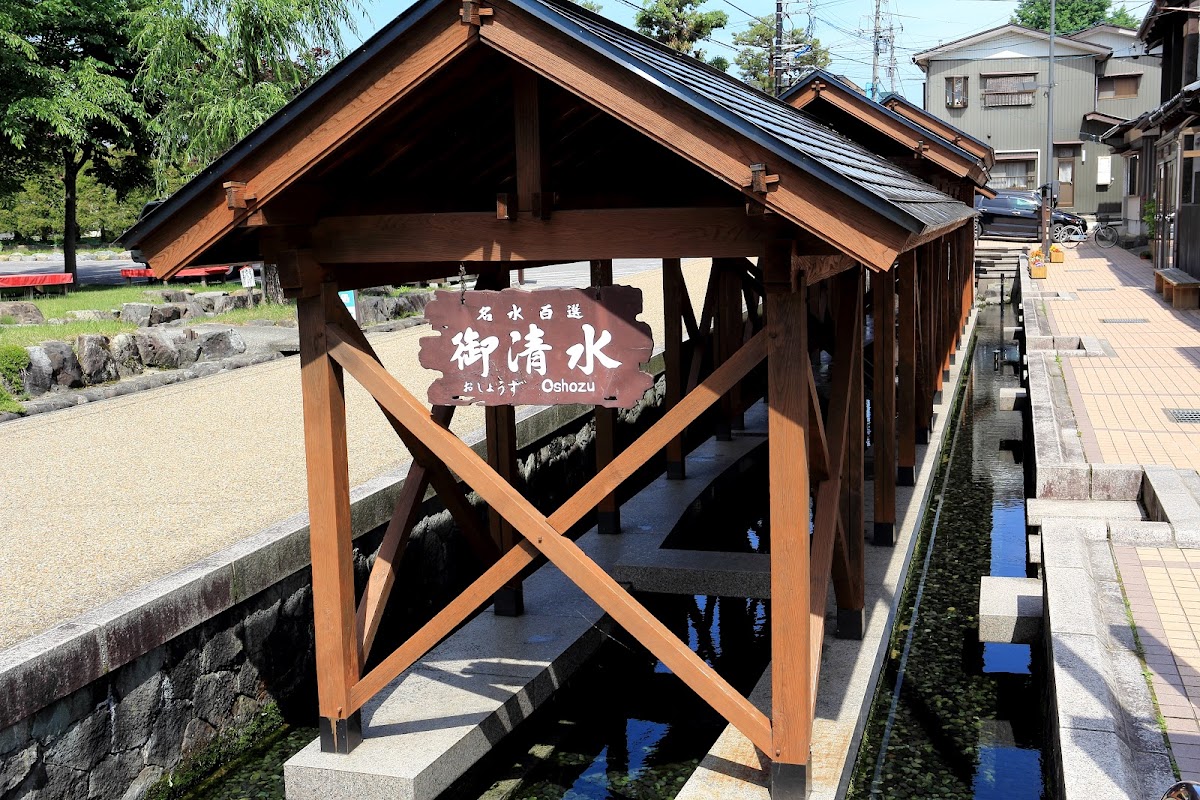
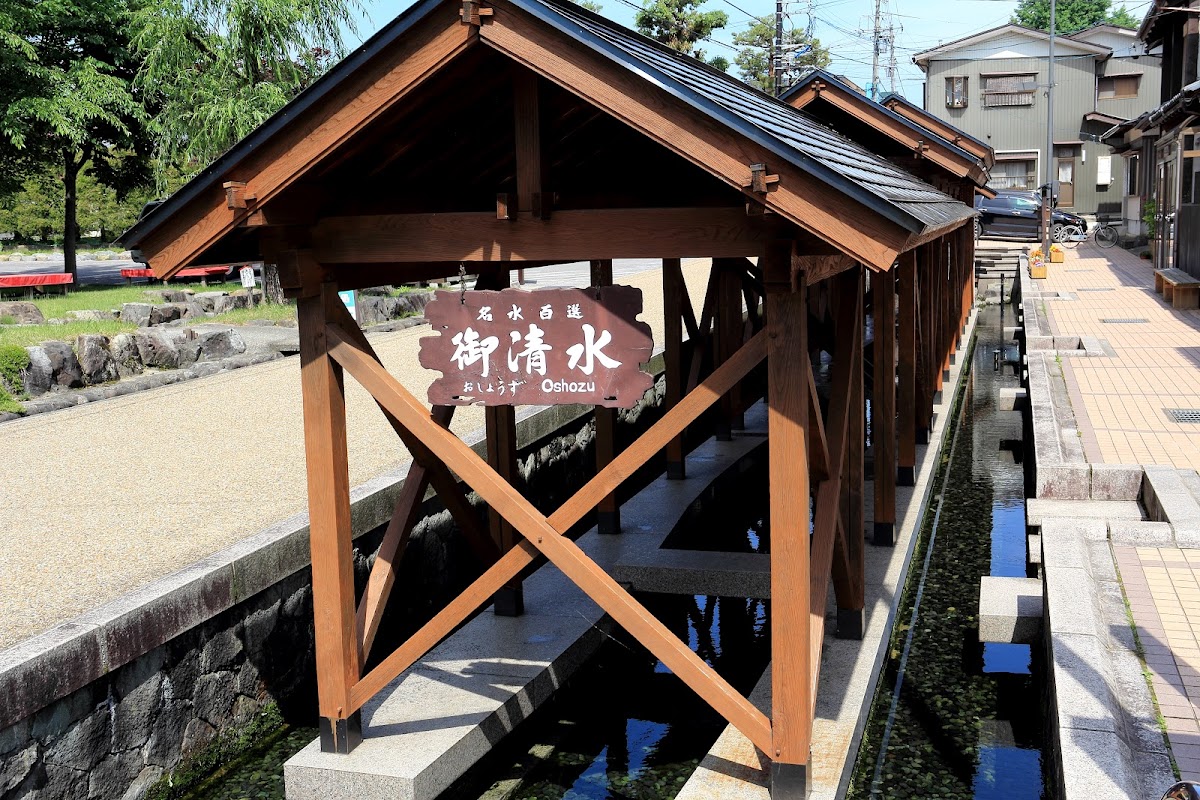
Oshōzu (Oshōzu), located in Izumi Town, Ono City, Fukui Prefecture, is a spring water site selected as one of Japan’s One Hundred Famous Waters and represents Fukui Prefecture. Positioned in the castle town below Echizen Ono Castle, it has supported the lives of local people for over 400 years and remains a popular tourist destination visited by many.
What is Oshōzu – A Famous Water Representative of Fukui Prefecture’s Ono City
Oshōzu is a spring water site located at 4-10 Izumi Town, Ono City, Fukui Prefecture, and was selected in 1985 (Showa 60) as one of the Ministry of the Environment’s “One Hundred Famous Waters.” It is also known as a representative famous water of the “Water and Morning Market Town of Echizen Ono” in the Water Towns One Hundred selection.
The spring water wells up from the center of a metal circular plate, and the unique shape of its outlet creates a somewhat mysterious atmosphere. The water temperature remains stable at approximately 12 degrees Celsius year-round, feeling cold in summer and warm in winter as clear water continuously wells forth.
Value as One of the Hundred Famous Waters
The Hundred Famous Waters selected by the Ministry of the Environment is a system designed to preserve outstanding spring waters and rivers throughout the nation and pass them on to future generations. Oshōzu was selected for the following reasons:
- Water Quality Excellence: Crystal clear water of high quality suitable for drinking
- Historical Value: Track record of use as domestic water since the Edo period
- Connection with Community: Spring water culture deeply rooted in residents’ lives
- Conservation Activities: Ongoing preservation and maintenance activities by local residents
History of Oshōzu – From “Daimyo’s Water” to the Present Day
The history of Oshōzu is deeply connected with the construction of Echizen Ono Castle. Ono City developed as a castle town centered on Echizen Ono Castle, and the spring water zone spreading along the eastern foot of the castle supported the castle town’s livelihood.
“Daimyo’s Water” in the Edo Period
During the Edo period, Oshōzu was called “Daimyo’s Water” (殿様清水) because it was used as drinking water for the castle lord. It is said that this name was used out of respect for the Ono Domain’s lord at that time.
While managed as exclusive water for the lord, Oshōzu’s abundant water supply meant it was also used as domestic water for neighboring samurai residences and townspeople, becoming an indispensable water source for the castle town’s development.
Role as Domestic Water
From the Edo period to the present day, Oshōzu has been intimately connected to local residents’ lives. For over 400 years, it has been used not only as drinking water but also for washing vegetables and rinsing rice as domestic water.
Particularly before refrigerators became widespread, it was utilized as a natural refrigerator for cooling vegetables and fruits during summer. Even today, one can observe local residents coming to draw water as part of their daily lives.
Geography and Water Source of Oshōzu – Echizen Ono’s Spring Water Culture
Ono City is also called the “Kyoto of Hokuriku,” a castle town, characterized by a beautiful street layout arranged in a grid pattern centered on Echizen Ono Castle. This region is geologically blessed with an abundant spring water environment.
Spring Water Zone at the Eastern Foot of Kameyama
Oshōzu wells up at the eastern foot of Kameyama, where Echizen Ono Castle stands. This area is known as a spring water zone with numerous other spring water sites scattered throughout.
The geology surrounding Kameyama consists of a structure where water-permeable gravel layers and water-impermeable clay layers overlap. Rainwater that falls on the mountains infiltrates underground and flows over the clay layers, appearing at the surface as spring water. This natural filtration system maintains the water’s clarity.
Water Circulation of the Ono Basin
Ono City is a basin surrounded by mountains and is located in the upper reaches of the Kuzu River. In winter, it becomes a heavy snow area, and abundant snowmelt water replenishes groundwater. This blessed natural environment nurtures the spring water groups including Oshōzu.
Annual precipitation is abundant at approximately 2,500mm, and this water infiltrates underground, being gradually filtered over several to several dozen years before appearing as spring water. For this reason, Oshōzu’s water quality remains stable regardless of season, continuously providing clear water year-round.
Highlights and Ways to Enjoy Oshōzu
When visiting Oshōzu, deeper experience can be gained not merely by viewing the water but by strolling while sensing its history and cultural background.
Landscape of the Spring Water Site
Oshōzu’s spring water site is a space with a settled atmosphere surrounded by stone walls. The water welling from the central circular plate has high transparency, allowing clear visibility to the bottom. The scenery reflected on the water’s surface is also beautiful and popular as a photography spot.
The area surrounding the spring water site is well maintained, with water-drawing facilities provided. The sight of local residents drawing water makes one realize that this spring water is presently rooted in local life.
Water Tasting Experience
Oshōzu’s water is potable, and visitors are free to taste it. If you bring a container such as a plastic bottle, you can take some home. However, drinking raw water is at your own risk, and those with health concerns are advised to boil it before drinking.
The water’s taste is soft with a faint sweetness, a soft water with good mineral balance. Whether drunk as is or used to brew tea or coffee, it is delicious.
Strolling through the Surrounding Samurai Residence District
The area around Izumi Town where Oshōzu is located is a historic district with remaining samurai residences. Stone-paved roads and irrigation channels are maintained, retaining much of the Edo period castle town atmosphere.
Within walking distance from Oshōzu are viewing facilities such as the former Uchiyama samurai residence and former Tamura residence, allowing glimpses of samurai life of that era. The walking course touring spring water and samurai residences has become a standard tourist route in Ono City.
Access Information – How to Reach Oshōzu
Basic Information
- Location: 4-10 Izumi Town, Ono City, Fukui Prefecture
- Viewing Hours: Open 24 hours for viewing
- Admission: Free
- Parking: Public parking available in surrounding area
Access by Public Transportation
By JR
- Get off at “Echizen Ono Station” on the JR Echimi Kita Line, approximately 15 minutes on foot
- Approximately 1.2km from the station to Oshōzu; you can enjoy the castle town ambiance while walking
By Bus
- Community buses operate from Echizen Ono Station
- Get off at “Honmachi-dori” bus stop, approximately 5 minutes on foot
Access by Car
Using Expressway
- Approximately 10 minutes from “Ono IC” on the Chubu Longitudinal Expressway
- Approximately 40 minutes from “Fukui IC” on the Hokuriku Expressway via Route 158
Parking Information
- There is no dedicated parking for Oshōzu, but municipal parking lots are available nearby
- “Yui Station” parking lot (free) is approximately 5 minutes on foot
- The lot may become crowded during tourist season; early arrival is recommended
Optimal Season for Tourism
Oshōzu can be visited year-round, but each season offers different attractions.
- Spring (April–May): Cherry blossom season; can be enjoyed together with Echizen Ono Castle
- Summer (June–August): Many tourists visit seeking coolness; the cold spring water is pleasant this season
- Autumn (September–November): Beautiful contrast between autumn leaves and spring water
- Winter (December–March): Spring water in snow scenery is fantastical. However, caution is necessary for footing during heavy snow
Surrounding Tourist Spots – Places to Visit Together with Oshōzu
Echizen Ono Castle
Approximately 15 minutes on foot from Oshōzu, Echizen Ono Castle stands atop Kameyama mountain and is the symbol of Ono City. From the castle keep, one can view the entire Ono Basin, and from early autumn through spring, at dawn it appears as the fantastical “Castle in the Sky” floating in sea of clouds.
Shichiken-dori (Morning Market Street)
Approximately 5 minutes on foot from Oshōzu, morning markets are held every morning on Shichiken-dori from spring through autumn. Fresh local vegetables, wild vegetables, folk crafts and other items are displayed, allowing enjoyment of interaction with local people. The morning market has over 400 years of history and has become a specialty of Ono City.
Hongan Shōzu and Shōzu Shōzu
In addition to Oshōzu, many other spring water sites exist throughout Ono City, including “Hongan Shōzu (本願清水)” and “Shōzu Shōzu (清水清水).” A “spring water tour” visiting each unique spring is also popular.
Teramachi-dori (Temple Street)
Approximately 10 minutes on foot from Oshōzu, sixteen temples line Teramachi-dori. One can appreciate the architecture and gardens of each temple while walking the quiet stone-paved street.
Conservation Activities of Oshōzu and Community Efforts
That Oshōzu has continued to well forth clear water for over 400 years is thanks to residents’ ongoing conservation efforts.
Management by Local Residents
Residents of Izumi Town regularly clean and maintain Oshōzu. In addition to cleaning the spring water area, water quality monitoring and surrounding environmental maintenance are carefully conducted.
Through such community efforts, Oshōzu, nearly 40 years after its selection as one of the Hundred Famous Waters, continues to maintain unchanged water quality.
Water Towns One Hundred Selection Certification
Ono City has been certified as one of the Water Towns One Hundred as the “Water and Morning Market Town of Echizen Ono.” This recognition evaluates town development utilizing water, with Oshōzu serving as its central presence.
The city is advancing various initiatives including tourism promotion utilizing spring water, environmental education, and inheritance of water culture.
Use as Environmental Learning Site
Oshōzu serves as an environmental learning site for the community’s elementary and middle schools. Through Oshōzu, children learn the importance of water, regional history, and environmental conservation.
Such educational activities work toward passing water culture on to the next generation.
Precautions and Etiquette When Visiting Oshōzu
Etiquette When Drawing Water
- Since it is also domestic water for local residents, use it with a spirit of give-and-take
- Ensure your container is clean beforehand
- Avoid occupying the space for extended periods; consider those waiting
- Always take your trash with you
Consideration During Photography
- Be mindful of local residents’ privacy
- If using a tripod, ensure it does not obstruct passage
- Exercise restraint when entering the spring water area or touching the water
Consideration for Surrounding Environment
- As this is a residential area, be mindful of noise
- Roadside parking is strictly prohibited. Always use designated parking lots
- Do not enter private property
Ono City’s Water Culture and Positioning of Oshōzu
Ono City is known as a “city of water” with over 60 spring water sites throughout the city. Oshōzu is the most famous among them and is an existence symbolizing Ono City’s water culture.
Spring Water Culture Rooted in Daily Life
In Ono City, many households still utilize spring water as domestic water. Each household has a “well side” communal water place that also serves as a communication space between residents.
This lifestyle centered on spring water is rare nationwide and is a major characteristic of Ono City.
Gratitude for Water
Ono City residents hold deep gratitude toward spring water. Every summer, a “Festival of Gratitude for Water” is held, serving as an opportunity to express gratitude for water’s blessings and heighten awareness of water quality conservation.
Oshōzu, as a central presence in Ono City’s water culture, plays an important role in forming the region’s identity.
Water Quality and Components of Oshōzu
Oshōzu’s water naturally filters through geological layers over many years, maintaining high water quality.
Characteristics of Water Quality
- pH Value: Approximately 7.0, neutral
- Hardness: Approximately 30–40 mg/L soft water
- Water Temperature: Approximately 12 degrees Celsius year-round
- Transparency: Extremely high; bottom clearly visible
Mineral Components
Oshōzu’s water contains minerals such as calcium, magnesium, and potassium in good balance. Being soft water, it suits Japanese palates and is appropriate for cooking and tea. Its low hardness ensures good soap lathering, making it suitable for laundry and dishwashing—one reason it has been valued as domestic water since the Edo period.
Oshōzu Through the Four Seasons
Oshōzu presents different appearances depending on the season.
Oshōzu in Spring
As snowmelt season arrives, the spring water volume increases slightly. When cherry blossoms bloom around the spring water area, the area is colored in pale pink, offering beautiful scenery.
Oshōzu in Summer
Even in hot summer, water temperature remains at approximately 12 degrees Celsius and cool. It provides a natural air conditioning effect. Many local residents come to cool vegetables or draw water during this season.
Oshōzu in Autumn
When autumn leaves begin to color, surrounding trees turn, and the reflection of foliage in the spring water creates beautiful contrast. With clear air, the water’s transparency appears further enhanced.
Oshōzu in Winter
Though Ono City is a heavy snow area, spring water continues to well without freezing. Spring water appearing to steam in a snow landscape creates a fantastical atmosphere. Since water temperature is higher than ambient temperature, winter feels relatively warmer.
Conclusion – Charm and Value of Visiting Oshōzu
Fukui Prefecture’s Ono City Oshōzu is not merely a spring water site but a special place where history and culture spanning over 400 years remain alive. It possesses multifaceted value: high-quality water selected as one of the Hundred Famous Waters, its role as domestic water continuing from the Edo period, conservation activities by local residents, and its positioning as the symbol of “Water Town” Ono City.
Positioned in the castle town below Echizen Ono Castle, visiting together with surrounding tourist spots such as samurai residences and morning market streets allows deeper understanding of Ono City’s history and culture. Furthermore, by actually tasting the spring water and observing local residents drawing water, one can realize it is a “living cultural heritage” still rooted in daily life.
Showing different faces through the four seasons, Oshōzu offers new discoveries with each visit. When visiting Fukui Prefecture, please be sure to stop at Oshōzu and touch the blessings of clear water and the livelihoods of the people who have continued protecting it.
Frequently Asked Questions (FAQ)
Q1: Is it safe to drink water from Oshōzu?
A1: Oshōzu’s water is high-quality spring water selected as one of the Hundred Famous Waters, and many people drink it. However, drinking raw water is at your own risk. Those with health concerns or small children are advised to boil it before drinking. Also, use a clean container.
Q2: Is there parking at Oshōzu?
A2: There is no dedicated parking for Oshōzu, but public parking lots such as “Yui Station” (free) are available about 5 minutes on foot away. Tourist seasons and weekends can be crowded; public transportation use is also worth considering.
Q3: Is there a charge for viewing Oshōzu?
A3: Viewing Oshōzu is free. You can visit anytime 24 hours, though as it is a residential area, please view quietly during early morning or nighttime visits.
Q4: Can Oshōzu’s water be taken home?
A4: Yes, if you bring a container such as a plastic bottle, you can take water home. However, as it is also domestic water for local residents, use it with a spirit of consideration and avoid drawing large quantities. Ensure your container is clean beforehand.
Q5: What tourist spots around Oshōzu do you recommend?
A5: Within walking distance of Oshōzu are Echizen Ono Castle (approximately 15 minutes on foot), morning market on Shichiken-dori (approximately 5 minutes on foot), former Uchiyama samurai residence (approximately 5 minutes on foot), and Teramachi-dori (approximately 10 minutes on foot). Exploring the entire castle town over half a day to a full day is recommended.
Q6: Can Oshōzu be viewed in winter?
A6: Yes, viewing is possible in winter. Though Ono City is a heavy snow area, spring water continues to well year-round without freezing. Oshōzu in snow scenery is fantastical and beautiful, but the ground becomes slippery; wear winter footwear and take sufficient precautions.
Q7: What is the origin of the name “Oshōzu” (御清水)?
A7: “Oshōzu” is a respectful way of referring to “clear water” (清水). Since it was used as the lord’s drinking water in the Edo period and called “Daimyo’s Water,” locals respectfully added the honorific “o” (御) to refer to it.
Q8: Can I walk from Echizen Ono Station to Oshōzu?
A8: Yes, it is approximately 15 minutes on foot (approximately 1.2km) from JR Echizen Ono Station to Oshōzu. You can enjoy the castle town atmosphere while walking. Direction signs are posted along the way, allowing you to arrive without getting lost.