
Omigawa (Higashine City, Yamagata Prefecture) Complete Guide | Thorough Explanation of the Charm of Spring Water and Clear Streams from Japan’s 100 Select Waters
Omigawa, which flows through Higashine City in Yamagata Prefecture, is a clear stream that was selected as one of Japan’s 100 Select Waters by the Ministry of the Environment in 1985 (Showa 60). It originates from abundant spring water that wells up from the end of the Arakawa alluvial fan, and approximately 2,000 tons of clear water gush forth every hour. This article presents a comprehensive introduction to Omigawa’s charm, covering its geographical characteristics, ecosystem, usage methods, and access information.
About Omigawa | Japan’s 100 Select Waters in Higashine City, Yamagata Prefecture
Omigawa is a first-class river that is a tributary of the Niiguchi River in the Mogami River system flowing through Higashine City, Yamagata Prefecture. Although it is a short river with a total length of approximately 6 kilometers, it was designated as one of Japan’s 100 Select Waters by the Ministry of the Environment in 1985 due to its excellent water quality, abundant water volume, and valuable ecosystem.
Geographical Characteristics and Water Source
The source of Omigawa is located at the end of the Arakawa alluvial fan that spreads across the Murayama Basin. The Arakawa alluvial fan was formed by the Arakawa River, which originates from Gassan and the Asahi Mountain Range, over a long period of time, and abundant groundwater is stored beneath it.
At the end of this alluvial fan, in the Ōtomi district of Higashine City, groundwater wells up to the surface and becomes the source of Omigawa. The spring water volume is extremely abundant at approximately 2,000 tons per hour (approximately 48,000 tons per day), maintaining stable water volume throughout the year.
The water temperature remains constant at approximately 12-14 degrees Celsius year-round, feeling cold in summer and warm in winter. This stable water temperature enables the habitation of rare organisms such as Ibara-tomyo (mentioned later).
Characteristics as a River
Omigawa flows with a relatively gentle gradient for approximately 6 kilometers from its source to its confluence with the Niiguchi River. With a channel width of approximately 5-10 meters, it is small in scale but is known as a clear stream with high transparency, where the riverbed is visible.
The watershed is surrounded by paddy fields, and water from Omigawa has long supported regional agriculture as irrigation water. Today, its primary role continues to be agricultural water use, serving as an indispensable water source for the region’s rice cultivation.
Reasons for Selection as Japan’s 100 Select Waters and Water Quality
What are Japan’s 100 Select Waters?
Japan’s 100 Select Waters is a designation of 100 locations of springs and rivers selected in 1985 (Showa 60) by the Ministry of the Environment (then the Environmental Agency) with the aim of introducing excellent water environments throughout the country and raising awareness of the importance of water quality conservation.
Selection criteria evaluate not only water quality and water volume, but also the conservation status of surrounding environments, conservation activities by local residents, and accessibility for water use, from multiple perspectives.
Reasons for Omigawa’s Selection
The main reasons Omigawa was selected as one of Japan’s 100 Select Waters are as follows:
Excellent Water Quality: The underground water that has permeated through the Arakawa alluvial fan over a long period of time maintains an extremely clean state through natural filtration. Water quality tests have shown results that meet drinking water standards.
Abundant and Stable Water Volume: The abundant spring water volume of 2,000 tons per hour demonstrates the richness of groundwater stored in the alluvial fan. Additionally, there is little seasonal variation, maintaining stable water volume throughout the year.
Valuable Ecosystem: With species such as Ibara-tomyo (Ōtomi Ibara-tomyo), a glacial relict species, inhabiting the waters, it holds high value from the perspective of biodiversity.
Conservation Activities by the Community: The efforts of local residents and organizations such as the “Society to Protect Ōtomi Ibara-tomyo” in preserving the natural environment over many years were evaluated.
Current Water Quality Status
Periodic water quality surveys conducted by the Ministry of the Environment and Yamagata Prefecture show that Omigawa’s water quality is maintaining good conditions. However, even water designated as one of Japan’s 100 Select Waters does not necessarily guarantee suitability for drinking. If considering drinking water use, confirmation with the relevant local government such as Higashine City Hall is recommended.
In recent years, some concerns about water quality have been raised due to agricultural activities and urbanization; however, the water quality has been maintained in generally good condition through local conservation efforts.
Ibara-tomyo and Omigawa’s Ecosystem
Glacial Relict Species: Ibara-tomyo
The most noteworthy aspect of Omigawa’s ecosystem is the habitation of Ibara-tomyo (prickly sculpin). Ibara-tomyo is a freshwater fish of the Cottidae family with a body length of 5-6 centimeters.
Ibara-tomyo is known as a “glacial relict species,” referring to fish that were widely distributed throughout the Japanese archipelago during the glacial period but were left behind in only cool spring water areas as the climate warmed. Currently, its habitat is extremely limited, and it is designated as an endangered species on the Ministry of the Environment’s Red List.
Characteristics of Ōtomi Ibara-tomyo
The Ibara-tomyo inhabiting Omigawa is called “Ōtomi Ibara-tomyo” and is designated as a natural monument of Higashine City. It inhabits primarily the spring water areas of the Ōtomi district, and the stable water temperature throughout the year in Omigawa enables the survival of this rare species.
A characteristic of Ibara-tomyo is that males build nests in water plants and protect eggs. During breeding season, the male’s body color changes beautifully, and one can observe nest-building and egg-caring behavior.
Other Organisms
Besides Ibara-tomyo, diverse organisms inhabit Omigawa:
Fish: Freshwater fish such as loaches, crucian carp, and common carp inhabit the waters. Additionally, Omigawa Trout Farm engages in rainbow trout aquaculture.
Aquatic Insects: Aquatic insects favoring clear streams are abundantly visible, including dragonfly nymphs (yago), mayflies, and stoneflies.
Plants: Water plants such as Sparganium and Basionym grow along the water’s edge, and surrounding areas have dense stands of reed and cattail.
Birds: Waterfowl such as kingfishers and wagtails can be observed.
The ecosystem woven by these organisms symbolizes Omigawa’s rich natural environment.
Conservation Activities of the Society to Protect Ōtomi Ibara-tomyo
History of Conservation Activities
The “Society to Protect Ōtomi Ibara-tomyo” is an environmental conservation organization formed primarily by local residents. It has carried out various activities over many years with the aim of preserving the habitat of Ibara-tomyo and passing it on to future generations.
Main Activities
Preservation of Habitats: The organization works diligently on environmental improvements suitable for Ibara-tomyo habitation, including cleanup activities around spring water areas, management of aquatic plants, and removal of invasive species.
Organization of Observation and Learning Sessions: Regular observation sessions are held for local elementary school students and the general public, providing opportunities to learn about Ibara-tomyo and Omigawa’s natural environment.
Research and Surveys: Regular surveys of Ibara-tomyo populations and water quality are conducted to monitor changes in habitat conditions.
Awareness Activities: The organization conducts awareness activities such as creating pamphlets and hosting lectures to broadly communicate the value of Omigawa’s natural environment.
Through such steady conservation efforts, the habitat of Ōtomi Ibara-tomyo is being protected, and Omigawa’s natural environment conservation serves as a model case attracting attention.
Omigawa Trout Farm and Rainbow Trout Aquaculture
Overview of the Trout Farm
At the water source of Omigawa, there is the “Omigawa Trout Farm,” where rainbow trout aquaculture is conducted utilizing abundant and clear spring water. The stable water temperature throughout the year makes Omigawa’s waters an optimal environment for rainbow trout farming.
Characteristics of Rainbow Trout Raised in Select Waters
Rainbow trout raised in Omigawa’s clear water is characterized by absence of odor and firm flesh. It lacks the characteristic muddy odor of general farmed fish and is highly regarded as delicious even when eaten as sashimi.
The trout farm implements rigorous water quality management and is particular about feed, realizing the production of high-quality rainbow trout.
Cooking and Tasting Methods
Rainbow trout from Omigawa Trout Farm can be purchased and enjoyed at regional restaurants and farm stands. Main cooking methods include:
- Salt grilled: By simply sprinkling salt and grilling, one can enjoy the original flavor of rainbow trout.
- Sashimi: Fresh rainbow trout is suitable for raw consumption, lacking odor that would be unsuitable for sashimi.
- Fried: The contrast between crispy batter and tender flesh is enjoyable.
- Meunière: The subtle flavor of butter and the delicate taste of rainbow trout are a perfect match.
Rainbow trout from Omigawa occupies an important position in the region’s food culture.
History and Culture Around Omigawa
Jizō Swamp and Jizō Deity Legend
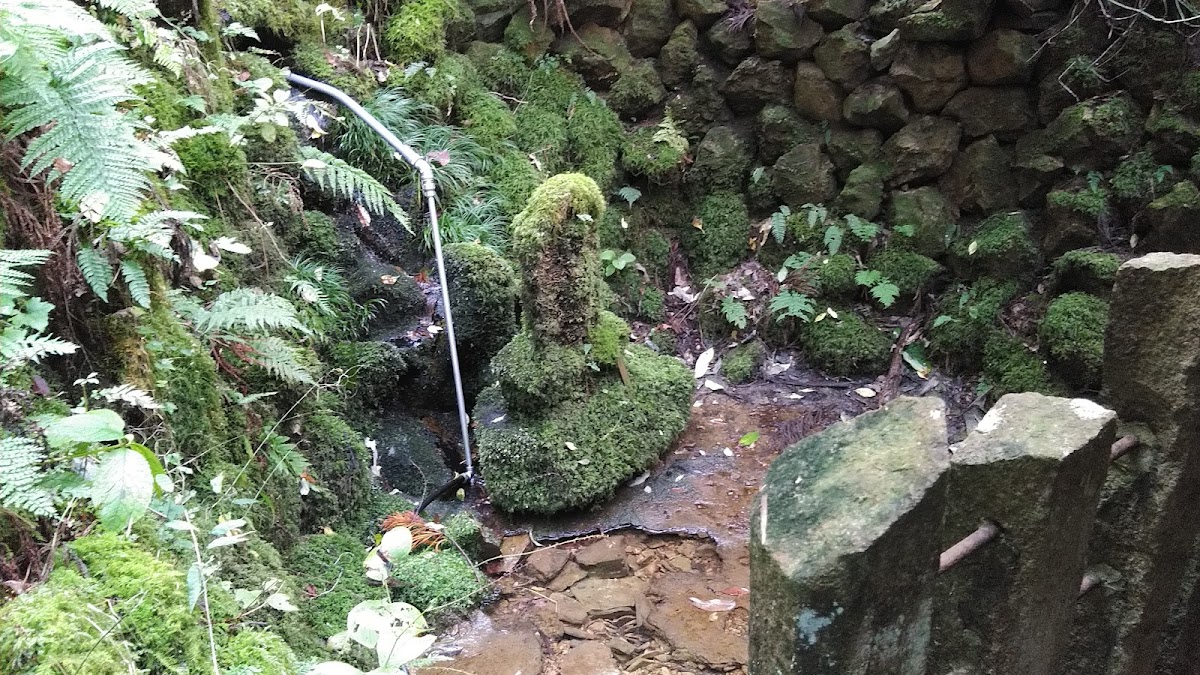
Near the source of Omigawa, there is a spring water pond called “Jizō Swamp.” This Jizō Swamp has a legend dating back to the Nara period.
According to legend, a Jizō deity was enshrined in this area during the Nara period and was widely venerated by local people. The name Jizō Swamp is said to derive from this Jizō deity.
Today, a small shrine remains in the area around Jizō Swamp and continues to be an object of local religious veneration.
History as Irrigation Water
Omigawa has long been used as important irrigation water supplying the paddies of Ōtomi district and surrounding areas of Higashine City.
Records of Omigawa remain in documents from the Edo period, indicating that it has supported regional agriculture for at least several hundred years.
Today, water from Omigawa continues to be supplied to paddies over a wide area through agricultural waterways, serving as an important water source supporting rice cultivation in Higashine City. Its abundant and stable water volume and good water quality also contribute to the production of high-quality rice.
Community Connection
For local residents, Omigawa represents more than just a river. As a place for children’s nature study and as a source of community pride, Omigawa is deeply rooted in the local community.
Each year, elementary school environmental studies include visits to Omigawa for observing Ibara-tomyo and conducting water quality surveys, serving as a venue for environmental education.
Access to Omigawa and Tourism Information
Access by Car
When using the Tōhoku Central Expressway:
- Approximately 10 minutes from “Higashine IC” on the Tōhoku Central Expressway
- After exiting at Higashine IC, head toward Ōtomi district via National Route 287 and prefectural roads
When using the Yamagata Expressway:
- Approximately 30 minutes from “Yamagata Kita IC” on the Yamagata Expressway
- Head north on National Route 13, proceeding via Higashine City center
Parking is available for several vehicles around the Omigawa Trout Farm area, but caution is necessary during crowded times.
Access by Public Transportation
JR Yamagata Shinkansen and Ou Main Line:
- Get off at “Sakuranbo Higashine Station,” then approximately 15 minutes by taxi
- Or use local bus service (advance confirmation is necessary as service is infrequent)
Public transportation access is somewhat inconvenient, so rental car use is recommended.
Points of Interest for Viewing and Observation
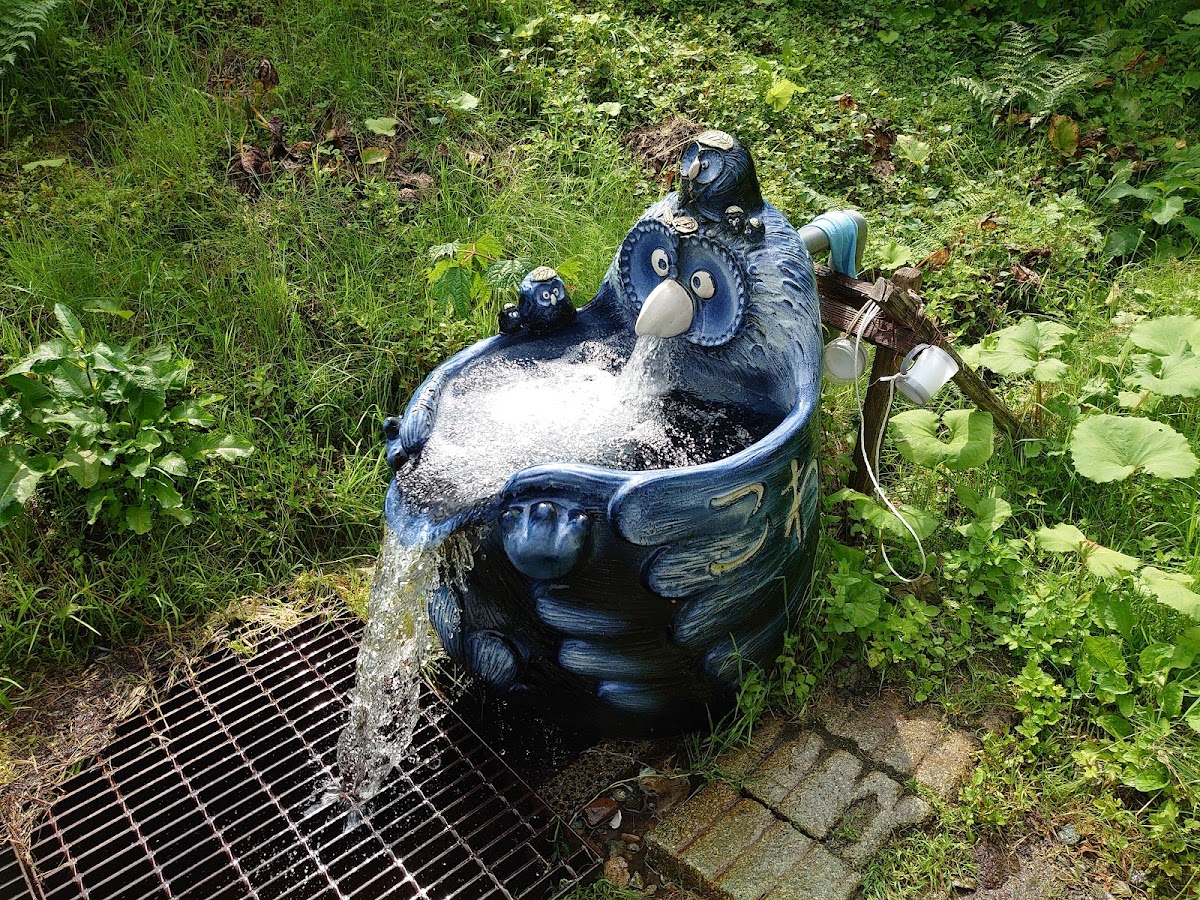
Water Source Area: The location where Omigawa’s spring water can be seen is a must-see. The sight of transparent water welling up from the ground is mystical.
Ibara-tomyo Observation Site: A dedicated observation facility is set up where Ibara-tomyo can be observed through aquarium tanks.
Omigawa Trout Farm: Viewing may be possible with advance reservation (confirmation required).
Precautions When Visiting
- Omigawa is a precious natural environment, so please observe the following to protect its ecosystem:
- Do not enter the river (to protect aquatic organism habitats)
- Take all trash with you
- Collection of plants and animals is prohibited
- Avoid loud voices or actions that startle wildlife
- Avoid entering areas outside designated observation areas
Nearby Tourist Attractions
Higashine Hot Spring: Approximately 15 minutes by car from Omigawa. Day-use bathing facilities are well-equipped.
Cherry Picking: Higashine City is known as the “Land of Cherries,” and cherry picking is available from mid-June to early July.
Ōmori Mountain Park: Known as a famous cherry blossom viewing spot. Approximately 1,000 cherry trees bloom magnificently in spring.
Azuma no Mori Museum: A museum where one can learn about Higashine City’s history and culture. Exhibits related to Omigawa are also on display.
Optimal Visiting Seasons
Omigawa can be visited year-round, but each season offers different attractions:
Spring (April-May): A season of beautiful budding plants and fresh greenery along the waterside. Also the breeding season for Ibara-tomyo, when nest-building behavior can be observed.
Summer (June-August): A pleasant season featuring coolness from abundant spring water. Aquatic insect activity is also active.
Autumn (September-November): Beautiful autumn foliage in surrounding areas, with striking contrast against the clear stream.
Winter (December-March): The clear stream amid snowy scenery is ethereal. However, heavy snow may sometimes make observation difficult.
Conservation Challenges and Future of Omigawa
Current Conservation Challenges
Several challenges surround Omigawa’s environment:
Effects of Urbanization: With the development of Higashine City, surrounding area development is progressing. This raises concerns about reduced rainwater infiltration into the alluvial fan and potential water quality impacts.
Effects of Agricultural Activities: Water quality impacts from pesticide and fertilizer use have been noted. The transition to environmentally conscious agriculture through promotion of organic farming is an issue.
Invasive Species Problem: The invasion of non-native fish and plants threatens to endanger the native ecosystem.
Climate Change: Changes in precipitation patterns may cause fluctuations in groundwater recharge to the alluvial fan.
Conservation Efforts
Higashine City, local residents, and conservation organizations are advancing various initiatives to address these challenges:
Continued Monitoring: A system is in place to continue periodic surveys of water quality and biological conditions, enabling early detection of environmental changes.
Environmental Education Promotion: Through school education and citizen lectures, efforts are being made to broadly communicate Omigawa’s value and raise conservation awareness.
Sustainable Land Use: Land use plans are being considered that balance development and conservation while maintaining the aquifer recharge function of the alluvial fan.
Community-based Conservation: Systems are being established for cooperation among the government, residents, experts, and businesses in advancing conservation activities.
Future Prospects
Omigawa is a precious natural heritage for the region and a treasure to be passed on to future generations. Nearly 40 years after its designation as one of Japan’s 100 Select Waters, its value remains unchanged, and its significance grows increasingly as the importance of environmental conservation rises.
By continuing sustainable conservation activities and having local residents maintain pride in protecting Omigawa, this clear stream and its rich ecosystem will be passed on to the future.
Summary
Omigawa in Higashine City, Yamagata Prefecture, is a clear stream designated as one of Japan’s 100 Select Waters, originating from abundant spring water that wells up from the end of the Arakawa alluvial fan. With its abundant water volume of 2,000 tons per hour, stable water temperature throughout the year, and excellent water quality, it nurtures a valuable ecosystem including Ibara-tomyo, a glacial relict species.
The conservation activities of the “Society to Protect Ōtomi Ibara-tomyo” conducted by local residents have gained attention as a model case for environmental conservation, and rainbow trout aquaculture utilizing select water is conducted at Omigawa Trout Farm. Having long supported regional agriculture as irrigation water, Omigawa remains an invaluable presence for the community.
With good accessibility—approximately 10 minutes from Higashine IC on the Tōhoku Central Expressway—one can enjoy nature in all four seasons. When visiting, please remember to be considerate of this precious natural environment and help pass this beautiful clear stream on to the future.
Omigawa, as a representative example of Japan’s select waters where the bounty of nature and people’s conservation efforts are in harmony, will continue to be cherished by many in the years to come.