
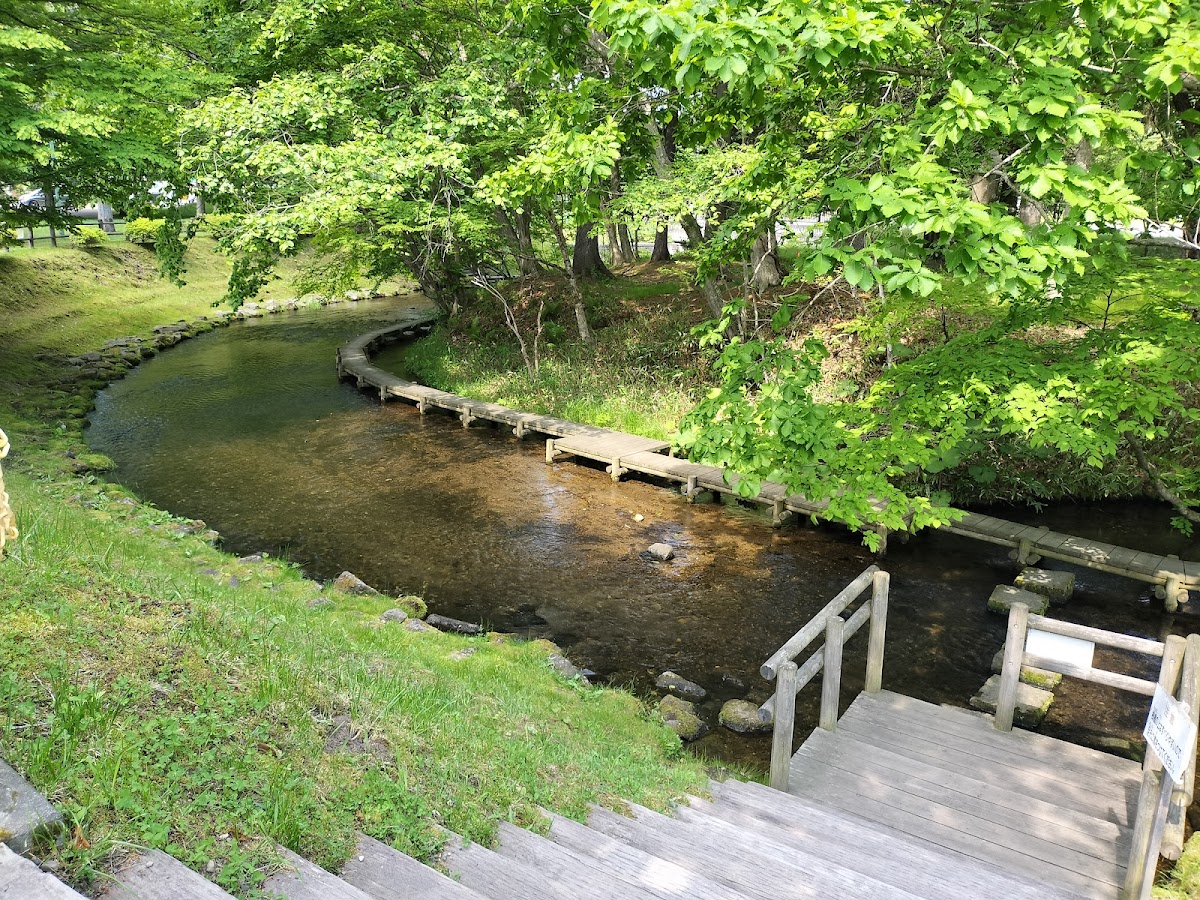
Naibetsu River Spring Water Hokkaido Chitose City Famous Water 100 Selection Complete Explanation | Access, Water Quality, History
Naibetsu River Spring Water located in Chitose City, Hokkaido, is a precious water resource nationally known as one of the “100 Famous Waters” selected by the Ministry of the Environment in 1985 (Showa 60). Abundant groundwater flowing from the outer rim mountains of the Shikotsu Lake caldera gushes out from over 60 locations in the Naibetsu River basin, and is utilized as the main water source for the tap water that supports the lives of Chitose City residents.
This article comprehensively conveys the charm of this famous water, covering the characteristics of Naibetsu River Spring Water, water quality, historical background, experience methods at the Famous Water Interaction Park, and access information.
What is Naibetsu River Spring Water | Reasons for Selection as Famous Water
Naibetsu River Spring Water is a collective name for spring water groups that flow into the Naibetsu River (Naibetsu-gawa), a tributary of the Chitose River. Although the Naibetsu River is only about 2.5 km long, over 60 spring water locations have been confirmed in this short section, boasting a generous water volume of approximately 60,000 tons per day.
Background of Famous Water Selection
When the Ministry of the Environment (then the Environment Agency) selected excellent water environments nationwide as the “100 Famous Waters” in 1985, Naibetsu River Spring Water was recognized as a representative famous water of Hokkaido. The following points were evaluated as reasons for selection:
- Abundant Water Volume: Stable spring water volume of 60,000 tons per day
- Excellent Water Quality: Clear water quality from Shikotsu Lake groundwater
- Regional Water Source: Importance as the main water source for Chitose City’s tap water
- Historical Value: Relationship with the Usakumai Ruins Group
- Natural Environment: Natural filtration function by Shikotsu volcano ejecta
Shikotsu Lake Caldera and Spring Water Mechanism
The water source of Naibetsu River Spring Water comes from rain and snow that fell on the outer rim mountains of the Shikotsu Lake Caldera, which was formed by volcanic activity approximately 40,000 years ago. This water seeps into the ground and passes through layers of Shikotsu volcano ejecta, being naturally filtered in the process, and emerges at the surface in the Naibetsu River basin over a long period of time.
The volcanic geological structure functions as a natural filter, producing delicious water containing an appropriate amount of minerals. This geological characteristic is the reason why Chitose City’s tap water is nationally known as “delicious water.”
Famous Water Interaction Park | A Place to Experience Naibetsu River Spring Water
The upper stream area of the Naibetsu River is off-limits to the public to protect the water source and natural environment, but to commemorate the selection of Naibetsu River Spring Water as one of the 100 Famous Waters, the Famous Water Interaction Park opened in Heisei 1 (1989).
Park Characteristics and Facilities
The Famous Water Interaction Park is located in Ranekoshi, Chitose City, adjacent to the Ranekoshi Water Purification Plant. The following facilities are equipped within the park:
Spring Water Recreation Facility
- Equipment that recreates the outlet where Naibetsu River spring water gushes out is installed
- Visitors can experience water of the same quality as the actual spring water
- Water collection points are provided, allowing visitors to freely collect the famous water
Exhibition Facility
- The purification plant’s administrative building displays a model of the “Hokkai Ichigo-ki” (Hokkai No. 1), which was the catalyst for the development of New Chitose Airport
- Information panels related to Naibetsu River Spring Water and the history of Chitose City are also displayed
Park Environment
- Maintained as a well-organized and clean park
- Parking lot is also complete, making access by car convenient
- Both admission and parking fees are free
Notes on Water Collection
When collecting water at the Famous Water Interaction Park, please note the following:
- Regarding Drinking: The Ministry of the Environment’s selection as one of the 100 Famous Waters does not guarantee suitability for drinking. If you wish to drink it, it is recommended to check with Chitose City or boil it before use
- Container Preparation: If you wish to take water home, please bring a clean container
- Etiquette: Since it is a public facility used by many people, please use it with a spirit of consideration for others
- Storage Method: It is recommended to store the collected water in a dark, cool place and use it as soon as possible
Water Quality and Characteristics of Naibetsu River Spring Water
Water Quality Data
Naibetsu River Spring Water is high-quality water naturally filtered by passing through Shikotsu volcano ejecta. Main characteristics include:
- Water Temperature: Stable at approximately 8-10°C throughout the year
- Water Quality: Clear with high transparency
- Minerals: Soft water containing an appropriate amount of minerals
- Taste: Mellow and easy-to-drink flavor
Utilization as Chitose City’s Tap Water
Naibetsu River Spring Water serves as an important role as the main water source for Chitose City’s tap water. The reason Chitose City’s tap water is nationally evaluated as “delicious water” is because it uses this famous water as its source.
The Ranekoshi Water Purification Plant appropriately treats the spring water and supplies it to the entire city, making it an indispensable water resource for the daily lives of Chitose City residents. Many tourists visiting New Chitose Airport also use tap water made from this famous water.
Abundance of Water Volume
Over 60,000 tons of spring water per day is confirmed throughout the Naibetsu River basin. This abundant water volume has the following characteristics:
- Sufficient to support the daily lives of approximately 100,000 Chitose City residents
- Stable supply is possible throughout the year
- Less fluctuation in water volume even during dry seasons
and is highly evaluated as a sustainable water resource.
Usakumai Ruins Group | Water Source Area with Historical Value
The basin of Naibetsu River Spring Water is not merely a water source but is historically and archaeologically an extremely important place.
National Historic Site “Usakumai Ruins Group”
The area around the Naibetsu River basin is designated as a national historic site under the name “Usakumai Ruins Group“. From these ruins:
- Jomon Period: Evidence of people’s daily life spanning from the early to late period
- Post-Jomon Period: Artifacts showing Hokkaido’s unique culture
- Satsumon Period: Traces of culture influenced by Honshu
- Ainu Period: Structures and artifacts from the Ainu cultural period
have been discovered, proving human activity over approximately 7,000 years.
Abundant Water and People’s Livelihood
The reason people settled in this area from ancient times is due to the abundant water resources of Naibetsu River Spring Water. The supply of clean and stable water:
- Use as drinking water
- Fishing and hunting grounds in the river environment
- Humid environment suitable for plant gathering
- Living activities such as pottery production
made it possible and supported long-term sedentary living. Considering that modern Chitose City residents use the same water source, one can sense the continuity of the relationship between water and people spanning thousands of years.
Reasons for Access Restrictions
The upper stream area of the Naibetsu River is off-limits for three important reasons:
- Water Source Protection: To protect Chitose City’s tap water source from contamination
- Natural Environment Protection: To maintain the precious spring water environment
- Ruins Protection: To preserve the national historic site Usakumai Ruins Group
For these reasons, the Famous Water Interaction Park is a valuable place where the general public can come into contact with the famous water.
Access Information | How to Get to Famous Water Interaction Park
Basic Information
- Location: Ranekoshi, Chitose City, Hokkaido
- Facility Name: Famous Water Interaction Park (adjacent to Ranekoshi Water Purification Plant)
- Operating Hours: Park is open 24 hours (however, nighttime use is not recommended)
- Admission Fee: Free
- Parking: Free parking available
Access by Car
From New Chitose Airport
- Travel Time: Approximately 15 minutes
- Distance: Approximately 8 km
- Route: Head north on Route 258 from the airport, toward Chitose city center
From Sapporo City
- Travel Time: Approximately 50 minutes
- Distance: Approximately 45 km
- Route: Use the Dō-Ō Expressway, exit at Chitose IC, and head toward the city center
From Chitose City Center
- Travel Time: Approximately 10 minutes
- Distance: Approximately 5 km
- Route: From Route 36 to Route 258
Access by Public Transportation
Public transportation access is somewhat inconvenient:
- Use a bus route from JR Chitose Station
- Taxi use is most convenient (approximately 10 minutes from Chitose Station)
- Car rental is recommended
Search Tips
When searching with car navigation or Google Maps:
- Search for “Famous Water Interaction Park”
- Search for “Ranekoshi Water Purification Plant”
- Search for “Ranekoshi, Chitose City”
Any of these will show the location clearly. Note that searching only for “Naibetsu River Spring Water” may not display the exact location.
Nearby Tourist Attractions | Charm of Chitose City
When visiting Naibetsu River Spring Water, you can also enjoy other tourist attractions in Chitose City.
Lake Shikotsu
- Approximately 30 minutes by car
- Known as Japan’s northernmost non-freezing lake
- High transparency with water quality ranking among Japan’s best
- Enjoy sightseeing cruises, canoeing, and hot springs
Chitose Aquarium (Salmon Hometown Chitose Aquarium)
- Inside Michi-no-Eki Salmon Park Chitose
- Japan’s largest freshwater fish aquarium
- Popular for its underwater observation window where you can watch salmon migration
New Chitose Airport
- Has hot springs, movie theaters, and shopping facilities inside the airport
- Perfect for purchasing Hokkaido souvenirs
- Rich in gourmet offerings and enjoyable as a tourist attraction
Chitose Outlet Mall Lera
- Approximately 10 minutes by car from New Chitose Airport
- Hokkaido’s largest outlet mall
- Enjoy shopping and dining
Points to Note When Visiting Naibetsu River Spring Water
Optimal Visiting Season
Naibetsu River Spring Water can be visited year-round, but each season has its own characteristics:
Spring (April-June)
- Beautiful fresh greenery after snowmelt
- Period with abundant water volume
- Mild temperatures and pleasant climate
Summer (July-August)
- Peak tourist season with many visitors
- Cold spring water is refreshing
- Easy to combine with nearby Lake Shikotsu sightseeing
Autumn (September-November)
- Beautiful autumn foliage period
- Clear air makes water transparency stand out
- Fewer tourists, allowing for quiet enjoyment
Winter (December-March)
- Experience famous water amid snowy landscape
- Fantastic sight with steam rising from the difference between water and air temperature
- Be careful of icy road surfaces
Convenient Items to Bring
- Container for water: Plastic bottle or water container
- Towel: To dry wet hands when collecting water
- Warm clothing: Water areas can be cold
- Camera: To photograph the beautiful spring water
Photography Tips
The Famous Water Interaction Park is also suitable for photography:
- Close-up of the spring water outlet
- Flow of transparent water
- Harmony with surrounding nature
- Seasonal landscape changes
Many visitors take and share photos that are Instagram-worthy from this location.
Hokkaido’s Famous Water Culture and Naibetsu River Spring Water
Hokkaido is blessed with abundant natural environment, and many famous waters exist. Naibetsu River Spring Water holds a particularly important position among them.
Famous Waters of Hokkaido’s 100 Selection
The Ministry of the Environment’s 100 Famous Waters includes the following four locations from Hokkaido:
- Naibetsu River Spring Water (Chitose City)
- Kanro Spring Water (Rishiri Town)
- Kyogoku Spring Water (Kyogoku Town)
- Yotei Spring Water (Mashiki Village)
These famous waters each possess different geological backgrounds and characteristics, representing Hokkaido’s diverse water environments.
Relationship Between Volcanoes and Famous Water
The characteristic of Naibetsu River Spring Water lies in the natural filtration function by Shikotsu volcano ejecta. Hokkaido has many volcanoes, and numerous famous waters created by volcanic geology exist. By passing through layers of volcanic ash and pumice:
- Impurities are removed
- An appropriate amount of minerals dissolves
- Water temperature becomes stable
- Long periods of underground residence allow for maturation
these effects produce mellow and delicious water.
Relationship Between Chitose City Residents and Famous Water
For Chitose City residents, Naibetsu River Spring Water is not merely a tourist resource but the source of tap water essential to daily life. The fact that water coming from the tap originates from spring water selected as one of the 100 Famous Waters is a source of pride for residents.
Many restaurants and dining establishments in the city promote “dishes made with Chitose’s famous water,” and this has become an element that enhances the region’s brand value.
Environmental Conservation Efforts
Various conservation activities are being conducted by Chitose City and local residents to maintain the water quality and volume of Naibetsu River Spring Water for future generations.
Designation of Water Source Protection Area
The upper stream area of the Naibetsu River is designated as a water source protection area and is managed strictly:
- Public access prohibited
- Development activities restricted
- Regular water quality monitoring
- Appropriate forest management
Citizen Participation in Conservation Activities
Chitose City implements citizen-participation-type environmental conservation activities:
- Cleaning activities around the water source area
- Environmental education programs
- Water quality conservation awareness activities
- Maintenance of the Famous Water Interaction Park
Sustainable Water Resource Management
Long-term water resource management is emphasized, considering the effects of climate change:
- Continuous monitoring of precipitation and spring water volume
- Groundwater level observation
- Forest conservation for water source recharge
- Water conservation awareness promotion
Through these efforts, Naibetsu River Spring Water is preserved as a precious water resource to be passed on to future generations.
Conclusion | Experience the Charm of Naibetsu River Spring Water
Naibetsu River Spring Water is one of the 100 Famous Waters that Chitose City, Hokkaido, takes pride in, and is a rich and clean water resource created by groundwater from Lake Shikotsu. With an abundant daily water volume of 60,000 tons, it supports Chitose City’s tap water supply and is an indispensable presence in residents’ lives.
At the Famous Water Interaction Park, you can actually experience spring water and enjoy water collection. Its accessibility, being only 15 minutes by car from New Chitose Airport, is also appealing, making it an easy-to-visit spot during a Hokkaido trip.
The Usakumai Ruins Group spanning the Naibetsu River basin is a valuable historic site that tells the story of the relationship between people and water from the Jomon period to the present day. Contemplating the fact that people thousands of years ago, as well as we of the present day, receive the blessings of the same water source will allow for a deeper understanding of the value of this famous water.
When visiting Hokkaido, be sure to visit Naibetsu River Spring Water and the Famous Water Interaction Park, and experience the charm of the clear famous water with all your senses. The transparent spring water, the taste of cold clear water, and the rich natural environment will surely become unforgettable memories.
