Kirizawa Water Deity’s Spring Water (Ibaraki Prefecture) Complete Guide: Thorough Explanation of Access, Water Quality, and History
Ibaraki Prefecture is home to many spring water spots, but among them, “Kirizawa Water Deity’s Spring Water,” which has been cherished locally for a long time, is a precious water source with clear water and historical significance. This article provides detailed information about the characteristics of this spring water, how to access it, its water quality, historical background, and precautions to take when visiting.
What is Kirizawa Water Deity’s Spring Water?
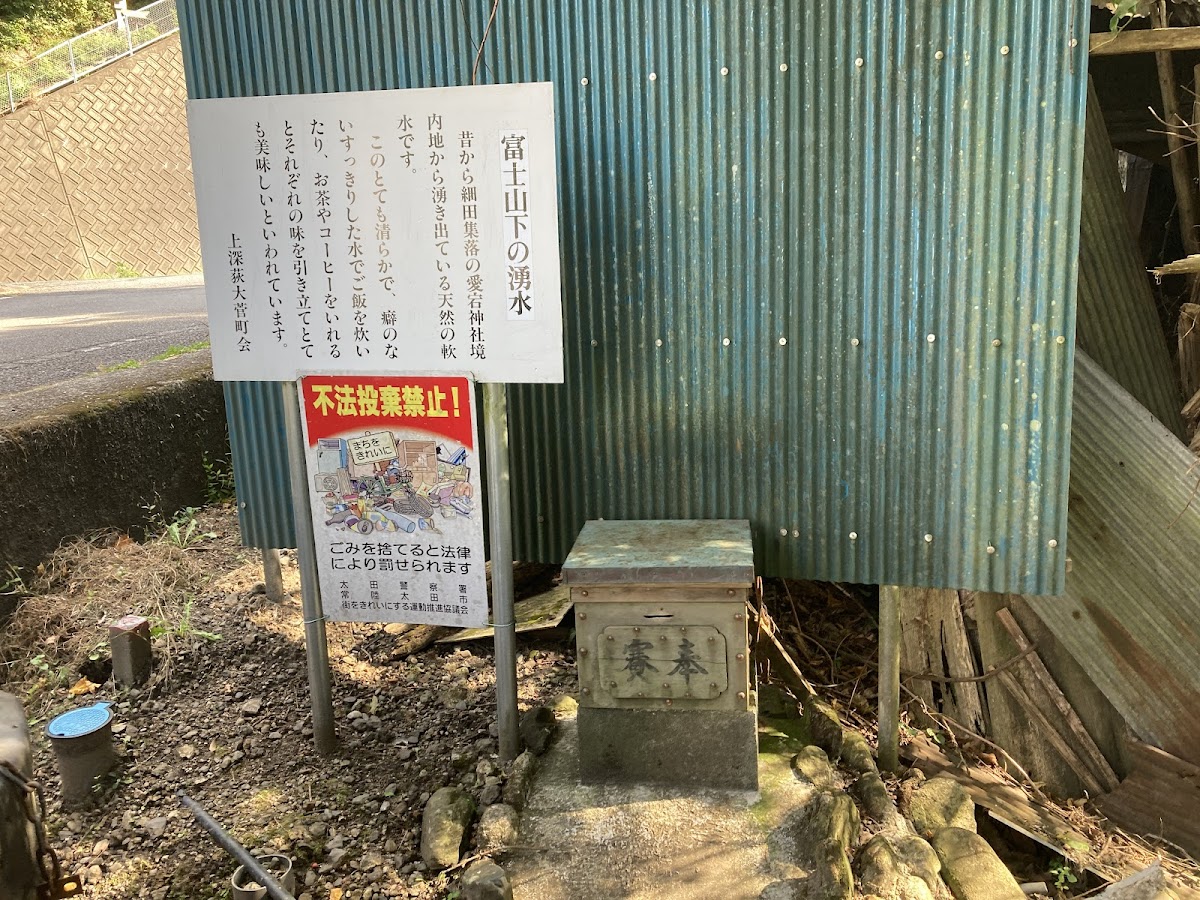
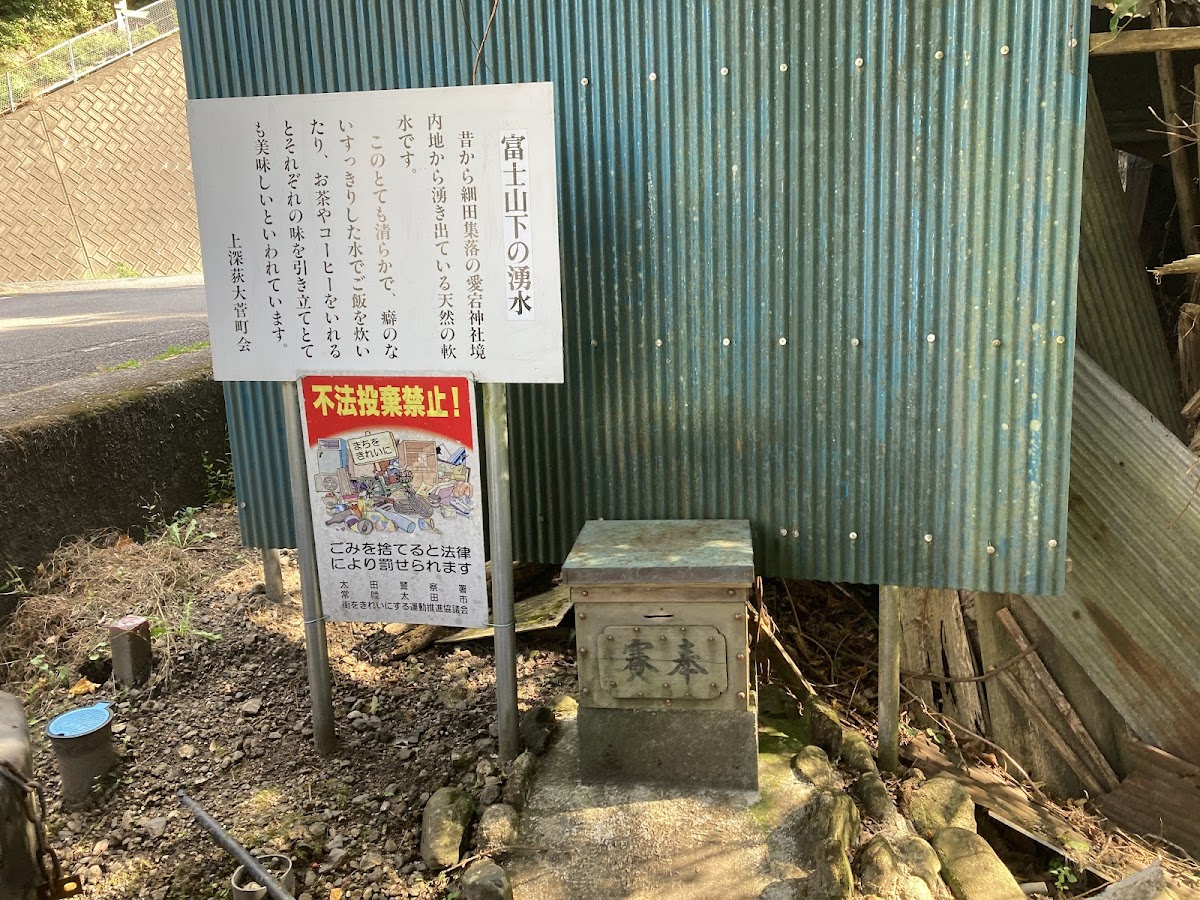
Kirizawa Water Deity’s Spring Water is a natural spring located in Ibaraki Prefecture that has been treasured by local residents for many years as a water source. As the name “Water Deity” suggests, it has long played an important role as an object of faith in worshiping the water deity.
Characteristics of the Spring Water
Kirizawa Water Deity’s Spring Water is pure water that naturally wells up from underground water veins. The water temperature remains relatively stable throughout the year, and the main characteristic is its cold, clear quality. Water naturally filtered by the surrounding geology and forest environment contains an appropriate amount of minerals and is said to have a smooth taste.
The amount of spring water varies with the season and rainfall, but the fact that it continues to well up year-round without drying up increases the value of this water source. Locally, it has a history of being used as domestic water and agricultural water since ancient times, and has been an important water resource supporting the community’s livelihood.
Location and Access Methods
Basic Information
When visiting Kirizawa Water Deity’s Spring Water, it is important to confirm the location and access methods in advance. Spring water spots, which are often located in mountainous or hilly areas within Ibaraki Prefecture, may have limited access by public transportation.
Access by Car
Access by private car is most convenient. When using a navigation system, it is a good idea to enter nearby landmarks or intersections as reference points. The roads leading to the spring water may in some cases be narrow mountain roads or unpaved roads, so careful driving is necessary.
As for parking space, a dedicated parking lot may not be provided. When parking on the roadside, be considerate not to obstruct the passage of other vehicles and avoid inconveniencing local residents.
Access by Public Transportation
It is also possible to use buses or taxis from the nearest station, but since the frequency is often limited, it is recommended to check the timetable in advance. Additionally, walking from the bus stop to the spring water may be necessary, so it is important to visit wearing comfortable shoes and appropriate clothing.
History and Cultural Background of Water Deity Belief
Faith in the Water Deity
In Japan since ancient times, water has been revered as the source of life, and spring waters and wells have been places where the water deity is enshrined. Kirizawa Water Deity’s Spring Water, as its name suggests, has been a place of faith for giving thanks for the blessing of water and protecting the water source.
Water deity belief was born from the necessity of a stable water supply in agricultural life. People wished to be protected from water-related disasters such as droughts and floods, and feelings of gratitude for abundant water blessings became shaped into faith in the water deity.
Connection with the Community
Kirizawa Water Deity’s Spring Water has functioned not only as a water source but also as a spiritual anchor for the community. Through regularly held cleaning activities and religious festivals, it has become a place that deepens the bonds of local residents.
Even in modern times, cherishing such traditional beliefs and customs holds important meaning from the perspective of inheriting regional culture. Visitors are also required to understand the historical and cultural value of this place and treat it with respect.
Water Quality and Usage
Characteristics of Water Quality
The water quality of spring water is determined by the surrounding geology, vegetation, climate conditions, and other factors. Kirizawa Water Deity’s Spring Water is groundwater that has been filtered over a long period within the natural environment, and is generally said to have high transparency and low impurities.
However, natural spring water may change in quality depending on weather and season. After heavy rain, for example, the water may become cloudy, so it is important to check the conditions at the time of visit.
Regarding Drinking
There are several precautions when drinking spring water. Even natural spring water is not necessarily suitable for drinking. Except in cases where there is a “safe to drink” sign at the site or when local people have confirmed its safety, it is best to avoid drinking it as is.
Even if drinking, pay attention to the following points:
- Boil before drinking
- Use a portable water purifier
- Avoid during poor health
- Be especially careful with infants, elderly people, and those with weakened immunity
Taking Home and Storage
When taking spring water home, it is recommended to use a clean container and use it as soon as possible. When storing, keep it in the refrigerator and use within a few days.
Nearby Attractions and Tourist Spots
Natural Environment
The area around Kirizawa Water Deity’s Spring Water is blessed with abundant natural environment. You can enjoy nature observation such as forests, streams, and vegetation that changes with the seasons. Spring brings fresh greenery, summer brings deep green, autumn brings autumn leaves, and winter brings quiet snowy landscapes—you can feel the beauty of each season.
For nature lovers, birdwatching and observation of alpine plants are also appealing activities. However, since the collection of wild plants and animals is prohibited by law in some cases, limit yourself to observation.
Nearby Tourist Spots
Within Ibaraki Prefecture, there are many tourist spots worth visiting along with Kirizawa Water Deity’s Spring Water. Historic shrines and temples, hot spring facilities, roadside stations, and farmers’ markets are places where you can experience the charm of the region. Visiting these places together will make your trip more fulfilling.
Enjoying local cuisine and specialty products is also a pleasure of regional tourism. Ibaraki Prefecture is strong in agriculture and blessed with abundant ingredients such as fresh vegetables and fruits, brand-name Hitachi beef, and seafood.
Etiquette and Precautions When Visiting
Consideration for Environmental Conservation
When visiting a spring water site, it is important to follow proper etiquette to protect the natural environment. Pay attention to the following points:
- Always take trash with you
- Do not damage or collect plants
- Avoid actions that startle wildlife such as shouting loudly
- Do not use detergents or chemicals that could pollute the spring water
- Do not enter areas outside designated zones
Consideration for Local Residents
Most spring water is a precious water source used daily by local residents. As a visitor, the following considerations are necessary:
- Do not trespass on private property without permission
- Avoid coming with large groups that obstruct local residents’ use
- Do not make noise
- Avoid roadside parking that obstructs traffic
- Do not touch crops or private property
Safety Precautions
When visiting spring water in nature, attention to safety is also necessary:
- Wear appropriate shoes as many areas are slippery
- If weather deteriorates, do not push yourself and turn back
- Avoid traveling alone and visit with multiple people
- Check mobile phone signal status in advance
- Take insect repellent and sun protection measures
- Bring drinking water and emergency food
Spring Water Conservation Activities
Conservation Efforts by the Community
To protect precious water sources like Kirizawa Water Deity’s Spring Water, local residents, government agencies, and volunteer groups conduct conservation activities. Through regular cleaning, water quality testing, and environmental improvements, efforts continue to pass the spring water on to future generations.
What Visitors Can Do
Visitors can also contribute to the conservation of spring water. Simply visiting while following proper etiquette contributes to conservation, but those wishing to be more actively involved can participate in community cleaning activities or support organizations conducting conservation work.
Additionally, when posting about the spring water’s charm on social media, it is important to be mindful of information distribution that does not invite excessive tourism through overzealous promotion.
Other Spring Water Spots in Ibaraki Prefecture
Within Ibaraki Prefecture, besides Kirizawa Water Deity’s Spring Water, there are multiple spring water spots worth visiting. Each has its own unique characteristics and history, allowing you to enjoy spring water tours.
Spring Water in Northern Ibaraki
Northern Ibaraki has many mountainous areas and is blessed with abundant spring water. Visiting along with clear streams and valleys allows you to enjoy nature more deeply.
Spring Water in Central and Southern Ibaraki
Even in the relatively flat areas of central and southern Ibaraki, historic spring water spots are scattered. Many are easy to access and can be visited casually.
How to Enjoy Each Season
Visiting in Spring
Spring is a season when fresh greenery is beautiful and nature around the spring water awakens. You can also enjoy observing wild plants and herbs, but refrain from collecting them. With mild temperatures, it is also a season well-suited for walks.
Visiting in Summer
Summer is a season when the coldness of spring water feels pleasant. However, it is also a time when insects are abundant, so insect repellent measures are essential. Also, be careful about heat stroke prevention by maintaining adequate water intake.
Visiting in Autumn
Autumn is a season when autumn leaves are beautiful and the scenery around the spring water becomes most colorful. The climate is also stable, making it an optimal time for visiting. However, since sunset comes early, a schedule with plenty of time is necessary.
Visiting in Winter
Winter is a season when there are few visitors and you can enjoy the spring water in quiet. In snowy areas, you can see fantastical snowy landscapes. However, there are dangers from frozen road surfaces and snow accumulation, so winter visits require thorough preparation and caution.
Spring Water and the Region’s Future
Sustainable Usage
To pass on natural resources like Kirizawa Water Deity’s Spring Water to the future, sustainable usage is essential. Excessive tourism development or water pumping can lead to spring water depletion and water quality deterioration.
Local residents, government, and visitors must cooperate to balance appropriate usage and conservation.
Educational Value
Spring water is also a valuable educational material for learning about water circulation, geology, and ecosystems. By utilizing it as a place for school education and environmental education, we can pass on to the next generation the importance of nature.
When children visit spring water and directly experience the blessings of nature, it holds important significance in cultivating environmental conservation consciousness.
Conclusion
Kirizawa Water Deity’s Spring Water is a precious natural resource in Ibaraki Prefecture and an important place that conveys the region’s history and culture. This spot, where clear spring water, abundant natural environment, and the tradition of water deity belief converge, offers visitors healing and learning.
When visiting, be mindful of environmental conservation, respect for local residents, and safety precautions, and practice responsible tourism. Each person’s awareness and actions will contribute to preserving this precious spring water for the future.
If you have the opportunity to visit Ibaraki Prefecture, be sure to visit Kirizawa Water Deity’s Spring Water. Away from the hustle and bustle of the city, you will have a valuable experience touching the blessings of nature and the region’s history. Through that experience, it will become an opportunity to reconsider the importance of water, conservation of the natural environment, and the inheritance of regional culture.
While wishing that the spring water continues to well up unchanged and provide blessings to many people, let us each start with what we can do.