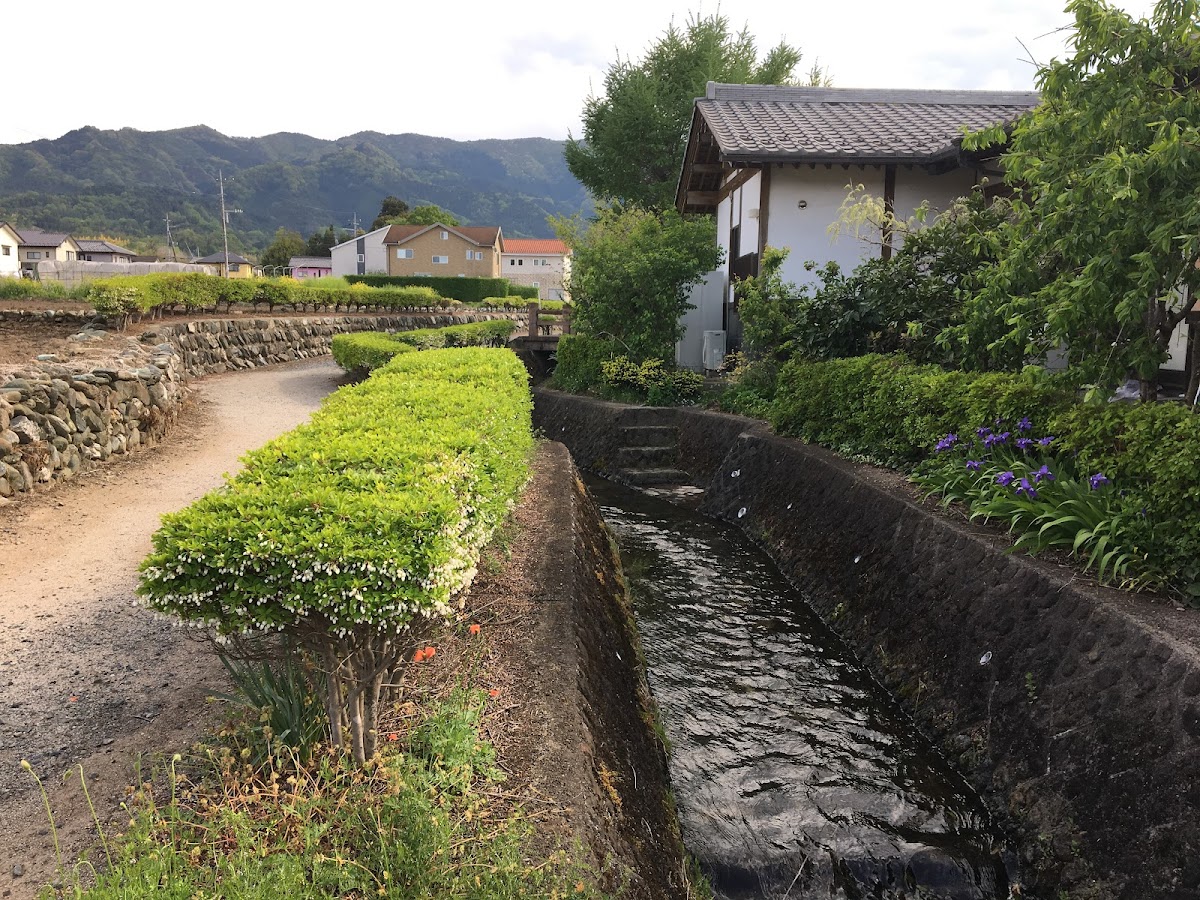

Fuupu River・Yamato Water: Complete Guide to the Japanese Hundred Select Waters in Yorii Town, Saitama Prefecture
Located in Yorii Town, Osato District, Saitama Prefecture, “Fuupu River・Yamato Water (ふうっぷがわ・やまとみず)” is a precious water resource woven together by history and nature, recognized as one of the Hundred Select Waters by the Environmental Agency (now the Ministry of the Environment) in 1985 (Showa 60). The crystal-clear water that springs forth from the middle slope of Mount Kamabuski has supported the lives of local residents since ancient times and remains a popular spot where many people visit to draw water.
This article explains the charm of Fuupu River・Yamato Water in greater detail than any other information source, covering geographic features, historical background, access methods, and nearby tourist information.
What is Fuupu River・Yamato Water?
The Background of Hundred Select Waters Designation
Fuupu River・Yamato Water was designated as one of the “Hundred Select Waters” selected by the Environmental Agency (now the Ministry of the Environment) in 1985 (Showa 60). The Hundred Select Waters is a system designed to preserve clear water environments throughout the country and to widely communicate their value. Within Saitama Prefecture, only this Fuupu River・Yamato Water was selected, making it highly regarded as a representative spring water of the prefecture.
The reasons for designation include the excellent purity of the water quality, abundant spring water volume, long-term conservation efforts by local residents, and high historical and cultural value.
Geographic Features and Water System
Fuupu River is a first-class river in the Arakawa water system flowing through Yorii Town, Osato District, Saitama Prefecture. It takes Yamato Water, which springs forth from beneath a large rocky cliff called “Hyakujou-shiki Rock” located on the north side of Mount Kamabuski (elevation 582m), as one of its main sources of flow, merging with seven tributaries while flowing approximately 6km before emptying into Lake Tamayodo (Arakawa).
The basin is included in the Nagoro Tamayodo Nature Park, where a rich natural environment is preserved. Along the stream, scenic spots such as Ookamibuchi (wolf’s deep pool) and Meotodaki (spouse’s waterfall) dot the landscape, allowing visitors to enjoy beautiful scenery in each season.
Spring Water Volume and Water Quality Characteristics
The spring water volume of Yamato Water is said to be approximately 10 to 70 tons per day, and according to some accounts, as much as 5,000 tons, constituting a stable water source that has never dried up since ancient times. The water that springs forth from beneath the Hyakujou-shiki Rock is groundwater that has permeated through the rock layers of Mount Kamabuski over many years, maintaining high purity through natural filtration processes.
The water temperature remains nearly constant throughout the year, remaining cold even in summer and not freezing even in winter. This stability in water temperature was one of the reasons it was highly valued as cocoon silk-drawing water in the region’s sericulture industry. It is characterized by being balanced in mineral content and having a mellow taste.
The Legend of Yamato Takeru and Historical Background
The Origin of the Name “Yamato Water”
The name “Yamato Water (やまとみず)” derives from the legend of Yamato Takeru (ヤマトタケルノミコト). This legendary hero, who appears in the “Kojiki” and “Nihon Shoki,” is said to have visited this area during his eastern campaign.
According to legend, Yamato Takeru prayed for victory in battle at the middle slope of Mount Kamabuski, and when he thrust his sword into the large rocky cliff called Hyakujou-shiki Rock to quench his thirst, clear water immediately sprang forth. Because the water was so cold that he could drink only one sip (one cup), it is also called “Ippai-mizu” (one cup of water).
Yamato Water Deity Enshrined at the Water Source
A shrine dedicated to “Yamato Water Deity” stands at the spring site, serving as an object of faith for the people of the region since ancient times. This deity is revered as a being that gives thanks for the blessings of water and protects the water source. Today, regular cleaning activities and religious rituals conducted by local residents continue the effort to pass on the spring water to future generations.
Local Life and Connection to Spring Water
Historically, Yamato Water and Fuupu River water have been deeply connected to the lives of local residents. In particular, in the Kanao district downstream of Fuupu River, there exists a well group called “Kanao’s Five Wells,” and the high-quality water has been used as drinking water and household water.
During the sericulture industry, which flourished from the Meiji era through the early Showa period, Fuupu River water was highly valued as cocoon silk-drawing water. The stable water temperature and pure water quality with few impurities were essential for producing high-quality raw silk.
Access Information and Location
Address and Postal Code
Yamato Water (Water Source)
- Location: Fuupu, Yorii Town, Osato District, Saitama Prefecture
- Postal Code: 369-1236
Fuupu River (Basin)
- Location: Fuupu to Kanao, Yorii Town, Osato District, Saitama Prefecture
- Postal Code: 369-1236
Access by Car
From the Kan-Etsu Expressway
- Approximately 20 minutes (approximately 8km) from Hanazono IC
- Head towards Chichibu on National Route 140 and proceed towards Yorii Town’s Fuupu area
Parking Information
- Free parking spaces available near the Yamato Water trailhead (approximately 10 spaces)
- Parking possible along the mountain road
- Early arrival recommended due to congestion on holidays
Access by Public Transportation
Train and Bus
- Get off at “Yorii Station” on the JR Hachioji Line, Tobu Tojo Line, or Chichibu Railway
- Board Yorii Town Bus “Fuupu/Kobayashi Line” from Yorii Station, approximately 20 minutes
- Get off at “Fuupu” bus stop, approximately 15 minutes walk to the water-drawing site, approximately 30 minutes further walk to the water source
Notes
- Bus frequency is limited, so advance confirmation of the timetable is necessary
- The path to the water source involves climbing a mountain trail, so appropriate equipment such as hiking boots is recommended
Maps and Surrounding Guidance
Access to Yamato Water typically aims first for the water-drawing site installed beside the mountain road. Yamato Water springs are piped here, allowing visitors to draw water directly from a tap. Most visitors use this water-drawing site.
To reach the water source at Hyakujou-shiki Rock, one must climb a mountain trail for approximately 30 minutes. The path is surrounded by nature-rich forest, and depending on the season, visitors can enjoy the chirping of wild birds and alpine flora.
Water-Drawing Information and Usage
Water-Drawing Site Facilities
Multiple taps are installed at the water-drawing site beside the mountain road, allowing free collection of water into water containers or plastic bottles. Spring water guided through a bamboo channel is brought to the mountain foot via pipe, allowing visitors to enjoy Yamato Water without climbing the mountain trail.
Facility Details
- Taps: Multiple installed (typically 2-4)
- Hours of Operation: 24 hours (though no lighting at night)
- Charge: Free
- Equipment: Basic water collection stand available
Water-Drawing Etiquette and Precautions
As a public water source used by many people, the following etiquette should be observed.
Usage Etiquette
- Respect turn-taking and avoid monopolizing for extended periods
- Do not allow containers to directly contact the tap (sanitary considerations)
- Do not pollute the surroundings; always take trash with you
- When collecting large quantities, be considerate of other users
- Be careful that your parking location does not obstruct other vehicles
Precautions Regarding Drinking
The Ministry of the Environment’s Hundred Select Waters designation does not guarantee that the water is suitable for drinking. If you intend to drink it, please note the following:
- It is recommended to confirm water quality test results with Yorii Town or the health center
- Usage is at your own responsibility
- Boiling before drinking is also an option
- If you notice any changes in your health, immediately consult a medical institution
Congestion Status and Best Time to Visit
Many people visit to draw water even on weekdays, and lines often form on holidays. Relatively uncrowded times are early morning (before 7 a.m.) and on weekday mornings.
Golden Week, summer vacation, and autumn foliage season are particularly congested, so it is recommended to plan your visit with plenty of time.
Nearby Tourist Attractions and Points of Interest
Mount Kamabuski Hiking
Mount Kamabuski, where the water source of Yamato Water is located, is a suitable hiking spot at an elevation of 582m. From the mountain top, one can view the Kanto Plain in all its expanse, and on clear days, you may even see Tokyo Skytree and Mount Fuji.
Hiking Courses
- Yamato Water Course: Approximately 1 hour from Yamato Water to the summit
- Shoki Bridge Course: Approximately 40 minutes from the road to the summit
- Difficulty: Suitable for beginners to intermediate hikers
Scenic Spots in the Fuupu River Gorge
Beautiful landscapes created by nature spread along Fuupu River.
Ookamibuchi (Wolf’s Deep Pool)
A deep pool formed in the Fuupu River stream with a legend that wolves once came here to drink water. The landscape of the emerald-green water surface and surrounding rocky cliffs is popular as a photography spot.
Meotodaki (Spouse’s Waterfall)
Two waterfalls flow down side by side, appearing as if a couple were nestled together, hence the name. It is a healing spot full of negative ions.
Ubemiya Shrine and Tainai-Kuguri
In the Fuupu district stands Ubemiya Shrine with a feature called “Tainai-Kuguri” (passing through the womb), a crack in a large rock. Crawling through this narrow gap is said to bring benefits of rebirth and safe childbirth, attracting many worshippers.
Lake Tamayodo (Arakawa)
Lake Tamayodo, into which Fuupu River flows, is known as a scenic spot on the Arakawa River. A walking path is maintained along the lake shore, and with cherry blossoms in spring and autumn foliage in fall, one can enjoy nature’s beauty throughout the seasons. Water activities such as canoeing and kayaking are also popular.
Hatakigata Castle Ruins
A representative historical spot in Yorii Town and an important stronghold of the Hojo clan during the Warring States period, the castle ruins are now maintained as a park. A history museum allows visitors to learn about Hatakigata Castle’s history. It is also selected as one of Japan’s 100 Famous Castles.
Gourmet Information Around Yorii Town
Local Specialties
- Yorii Soba: Hand-pulled buckwheat noodles made with locally grown buckwheat flour
- Wild Boar Dishes: Cuisine using wild boar captured in the Chichibu Mountains
- River Fish Dishes: Fresh river fish such as sweetfish caught in the Arakawa River
Around the Fuupu district, there are dining establishments set in renovated traditional houses and shops offering cuisine made with local ingredients.
Fuupu River・Yamato Water Through the Seasons
Spring (March to May)
A season when wild cherry blossoms and Japanese roses bloom, and fresh greenery is beautiful. Snowmelt increases water volume, amplifying the power of waterfalls and streams. This is an ideal time for hiking, and many mountain climbers visit.
Summer (June to August)
The season when most people visit to draw water seeking coolness. The cold spring water makes you forget the summer heat. The area along the stream is ideal as a summer retreat, and families enjoying water play can be seen.
Autumn (September to November)
A season of beautiful autumn foliage, with the Fuupu River gorge turning red and yellow. Late October to early November is the best time. In the clear autumn air, visitors can enjoy both autumn leaf viewing and hiking simultaneously.
Winter (December to February)
Though fewer visitors come, the winter Fuupu River has its own charm. The snowy landscape with spring water is fantastical, and the rising water vapor appears mystical. Caution regarding icy road surfaces is necessary.
Regarding Hundred Select Waters Cards
Some regions where the Hundred Select Waters are located distribute “Hundred Select Waters Cards” in collaboration between the Ministry of the Environment and local governments as a commemorative record of visits. Yorii Town also issues a Hundred Select Waters card for Fuupu River・Yamato Water.
Distribution Location
Distribution of Hundred Select Waters Cards typically occurs at Yorii Town Hall or tourist information offices within the town. For specific distribution locations and hours, it is recommended to check in advance with the Yorii Town Tourism Association or town hall.
Distribution is free, but cards may be out of stock, so if card collection is the purpose, advance confirmation is important.
Community Conservation Activities and Environmental Protection
Cleaning Activities by Residents
The beautiful environment of Fuupu River・Yamato Water is preserved through ongoing conservation efforts by local residents and Yorii Town. Regular cleaning activities are conducted to prevent illegal dumping and maintain water quality.
Water Quality Monitoring and Conservation Measures
Yorii Town and Saitama Prefecture conduct regular water quality tests to maintain the quality of the spring water. Various measures are implemented to protect the water source, including development restrictions in the upper basin and proper treatment of wastewater.
Requests to Visitors
Visitor cooperation is essential to pass on the spring water to future generations.
- Always take trash with you
- Do not damage the natural environment
- Do not pollute the water source
- Respect parking etiquette
- Be considerate of local residents’ lives
By observing this etiquette, we can preserve the beautiful natural environment and maintain an environment where everyone can enjoy the blessings of spring water.
Tourism Information for Yorii Town
Yorii Town Tourism Association
Tourism information about Yorii Town, including Fuupu River・Yamato Water, can be obtained from the Yorii Town Tourism Association. It distributes pamphlets and maps and provides current tourism information.
Contact Information
- Yorii Town Tourism Association (within Yorii Town Hall)
- Phone: 048-581-2121 (main line)
- Latest information available on the official website
Accommodations
Yorii Town and its surrounding areas have various accommodations including inns, family-run lodges, and business hotels. Many accommodations are also available in the Nagoro and Chichibu areas and can be used as a base for visiting Fuupu River・Yamato Water.
Event Information
Various events are held throughout the year in Yorii Town.
- Yorii Hojo Festival (May): Large-scale event recreating battle scenes from the Warring States period
- Tamayodo Suiten Shrine Festival (August): Summer festival including fireworks display
- Yorii Autumn Festival (November): Local traditional arts and specialty product sales
Visiting during these events allows visitors to simultaneously enjoy spring water touring and cultural experiences of the region.
Voices of Actual Visitors
Testimonies of Water-Drawing Users
“Almost every time I go to the Yorii area, I fill containers with water. Even on weekdays, there are often quite a few people in line, which shows how popular it is. It’s easy to draw water since it comes from a tap-like faucet” (50s male)
“When I visited for the first time, I was surprised by the coldness and taste of the water. I filled a plastic bottle to take home, and when I made coffee with it, it tasted better than usual” (30s female)
Impressions of Hiking Enthusiasts
“The hiking course from Yamato Water to the summit of Mount Kamabuski is a moderate amount of exercise and recommended for beginners. The view from the summit is wonderful and very satisfying” (40s male)
“I visit in different seasons—spring with new greenery and autumn with foliage—but each season is beautiful and never gets boring. The sound of the stream is very soothing” (60s female)
Summary
Fuupu River・Yamato Water, as a Hundred Select Waters representative of Saitama Prefecture, is a precious water resource that has been protected by rich natural environment, historical value, and conservation efforts by local residents. The mystical spring water, enriched by the legend of Yamato Takeru, continues to provide cool blessings to many people.
Not only water drawing but also hiking in the surrounding areas, appreciating gorge scenery, and exploring history offer diverse ways to enjoy the site. Access from the city center is also relatively good, making it ideal for day trips.
When visiting, be mindful of preserving the natural environment and respecting etiquette, and endeavor to pass on this precious spring water to future generations. Experience the blessings of nature and the romance of history at the Fuupu River・Yamato Water, which has beauty in each season.
Whether your purpose is collecting Hundred Select Waters cards, serious mountain climbing, photography, or family picnicking, the experience will surely remain in your heart. Please definitely visit Fuupu River・Yamato Water, the Hundred Select Waters of which Saitama Prefecture’s Yorii Town is proud.