Karashinashi Shimizu (Fukushima Prefecture) Complete Guide | Legend, Access, and Highlights Thoroughly Explained
Among the renowned waters scattered throughout Fukushima Prefecture, “Karashinashi Shimizu” (頭無清水) is known for its unique name and legend. This article provides a comprehensive explanation of everything about Karashinashi Shimizu, from the origins of its mysterious name to practical visiting methods and surrounding tourism information.
What is Karashinashi Shimizu? Basic Information
Karashinashi Shimizu is one of the spring water sources found in Fukushima Prefecture, long cherished by local residents as a natural water source. The rather unusual name “Karashinashi” derives from local legends and historical backgrounds, making it an element that piques visitors’ interest.
Location and Geographic Features
Karashinashi Shimizu is located in the nature-rich region of Fukushima Prefecture, surrounded by greenery in a quiet environment. The spring water maintains stable flow throughout the year, functioning as a valuable water resource for the region.
The water quality is clear and cold, characterized by pure, crystalline water. Water from underground springs is moderate in minerals, and has a history of being used for drinking and household purposes since ancient times in the local area.
Water Quality and Characteristics
The water quality of Karashinashi Shimizu reflects Fukushima Prefecture’s abundant natural environment. Water emerging through volcanic geological formations possesses a well-balanced mineral composition, characterized by a mellow taste.
The water temperature remains nearly constant throughout the year, feeling cold in summer and relatively warm in winter. This stable water temperature demonstrates the characteristics of water emerging from deep underground.
The Origin of the Name Karashinashi Shimizu and Its Legend
The name “Karashinashi Shimizu” carries interesting legends and historical backgrounds transmitted in the region. Exploring the origin of this unique name allows for a deeper understanding of the area’s culture and history.
Transmitted Stories
Several explanations regarding the name of Karashinashi Shimizu are passed down in the region. One of the most widely known legends is a story related to samurai from the Sengoku or Edo periods.
According to one account, the spring was named “Karashinashi” to console the spirits of samurai who lost their lives during the turbulent age of warfare. Another tradition suggests that strange occurrences happened at this location, which became the origin of the name.
Considerations from Toponymy Research
From a toponymy perspective, the name “Karashinashi” might represent topographical features or the nature of the water source. It has been suggested that rather than from the “head” (summit) of a mountain, the water springs from the mid-slope or base, hence the name “Karashinashi” meaning “headless.”
Examining old documents and local records reveals that this spring has long been intimately connected with residents’ lives. Historical records show it was cherished as irrigation water, drinking water, and an object of faith.
How to Access Karashinashi Shimizu
Here is a detailed explanation of how to access Karashinashi Shimizu. Understanding both public transportation and private vehicle options enables smooth visiting.
Access by Public Transportation
The general method is to use buses or taxis from the nearest railway station. However, since the number of bus routes may be limited, it is recommended to confirm the timetable in advance.
During the tourist season, sightseeing buses operated by local tourism associations may be available. For those wishing to efficiently tour multiple sightseeing spots, using such tourist buses is convenient.
Access by Private Vehicle
Visiting by private vehicle is the most flexible access method. You can access it via national or prefectural roads from major expressway interchanges.
When using navigation systems, searching for “Karashinashi Shimizu” may not always work, so using nearby major facilities or addresses as landmarks is advisable. While roads are generally well-maintained, caution regarding snow accumulation and freezing is necessary in winter.
Regarding parking, there may be dedicated parking spaces in some areas or roadside parking in others. Be mindful of other visitors and local residents, parking respectfully.
Precautions When Visiting
When visiting Karashinashi Shimizu, please note the following:
- Season and Weather: During rainy periods or snow-melt seasons, surrounding roads may become slippery. Wear appropriate footwear when visiting.
- Insect Repellent Measures: Due to the nature-rich environment, insect repellent spray is recommended especially in summer.
- Regarding Drinking Water: If you drink spring water, do so at your own risk. If concerned, boiling before use is recommended.
- Environmental Protection: Always take trash with you and help protect the natural environment.
Highlights and Ways to Enjoy Karashinashi Shimizu
Here are the highlights when visiting Karashinashi Shimizu and points for enjoying it more deeply.
Observation of Spring Water
The greatest highlight of Karashinashi Shimizu is naturally the clear water that springs forth. Watching the transparent water quietly emerge creates a sensation of having one’s heart cleansed.
Around the spring outlet, aquatic plants and moss often grow, forming a rich aquatic environment. These plants serve as indicators of water quality and are interesting subjects for nature observation.
Water-Drawing Experience
Many visitors draw water from Karashinashi Shimizu to take home. Bringing a clean container allows you to enjoy this natural spring water at home as well.
When drawing water, please note:
- Use a clean container
- Show consideration for other visitors, acting with a spirit of mutual respect
- Refrain from drawing large quantities; take only what you need
- Avoid placing containers directly in the water source to prevent contamination
Photography Tips
Karashinashi Shimizu is also suitable for photography. The landscape created by clear streams and surrounding nature displays different expressions across the four seasons.
Spring: The contrast between fresh greenery and clear water is beautiful during this season. The sight of newly sprouted leaves reflected on the water’s surface creates photographs full of vitality.
Summer: Clear water surrounded by deep green foliage creates a cool atmosphere. Photography utilizing the contrast between light and shadow is recommended.
Autumn: The combination of autumn leaves and clear water represents the season symbolizing Fukushima’s fall. The appearance of fallen leaves floating on the water’s surface is also picturesque.
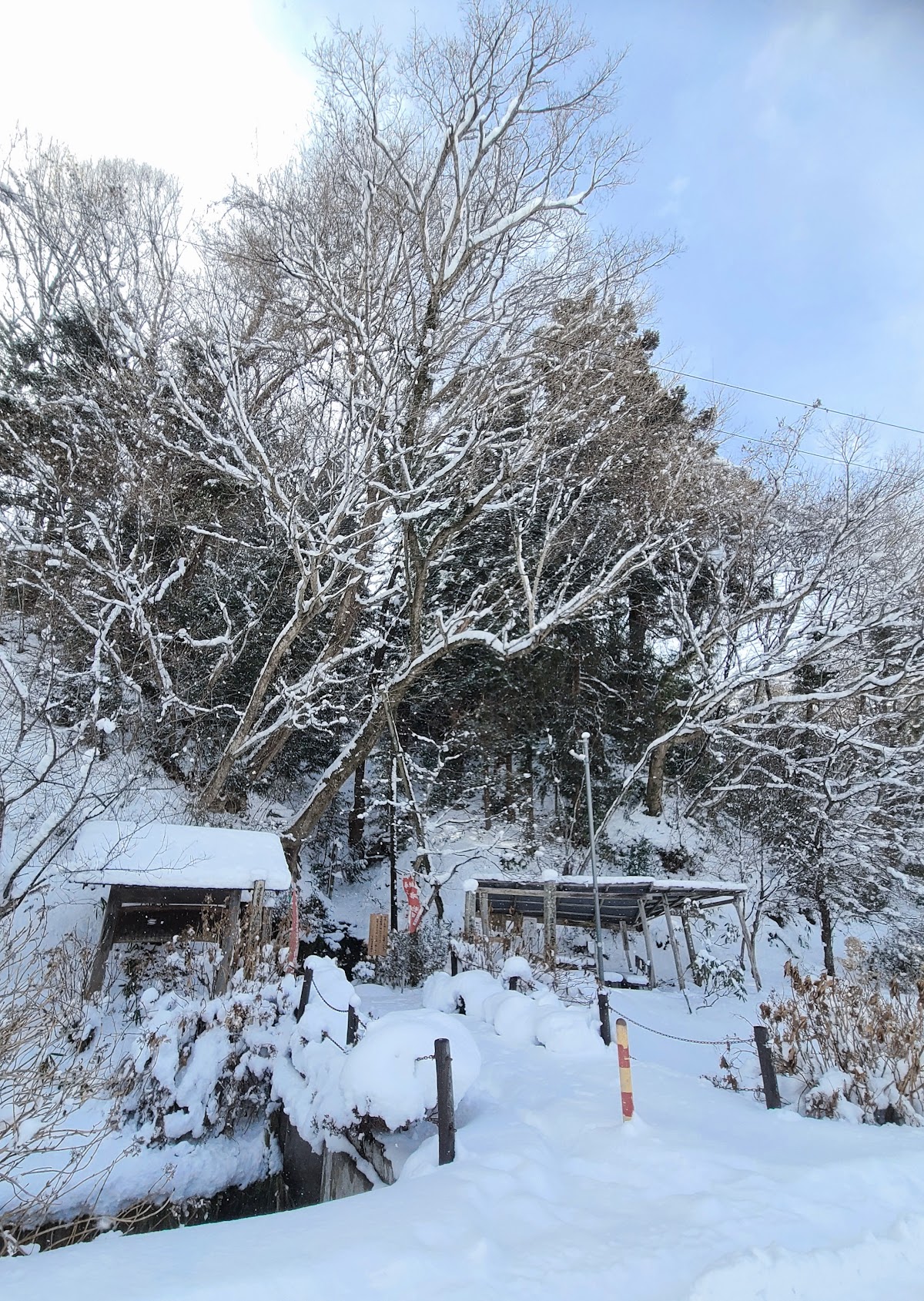
Winter: The fantastical sight of clear water steaming in snow-covered silence is magical. However, exercise caution regarding foot safety.
Surrounding Tourist Attractions
Here are introduced surrounding tourist attractions worth visiting when you visit Karashinashi Shimizu.
Historic Structures and Cultural Facilities
Fukushima Prefecture contains numerous historic structures and cultural facilities of high historical value. The area surrounding Karashinashi Shimizu also has shrines, temples, and museums that tell the region’s history, well worth visiting.
Regional history museums sometimes feature exhibitions of old documents and legends concerning Karashinashi Shimizu. By all means, visit to deepen your understanding of the region’s culture and history.
Natural Scenery Spots
Blessed with abundant nature, Fukushima Prefecture has natural scenery spots scattered throughout the Karashinashi Shimizu area.
Gorges, waterfalls, observation points and other natural spots display different appearances with each season. Visiting these natural spots reveals the diversity of Fukushima’s nature. Particularly during autumn leaf season and spring greenery season, driving and hiking are ideal.
Hot Spring Facilities
Fukushima Prefecture is also known as a hot spring kingdom. After visiting Karashinashi Shimizu, it is recommended to soothe travel fatigue at nearby hot spring facilities.
Many facilities offer day-use bathing, allowing you to enjoy the region’s distinctive spring water qualities. Experiencing both spring water and natural hot springs allows you to more deeply sense the abundance of Fukushima’s natural blessings.
Karashinashi Shimizu’s Connection with the Community
Karashinashi Shimizu is not merely a tourist spot but a presence deeply intertwined with local residents’ lives.
History as Household Water
Karashinashi Shimizu has long been used as household water by local residents. Before modern plumbing was established, this clear spring was an important water source for the region, supporting people’s daily lives.
Today, local residents continue to cherish and protect this spring. Regular cleaning activities and water quality monitoring are conducted with community-wide efforts to preserve the spring.
Belief and Ritual
Like many spring water sources, Karashinashi Shimizu has a history of being an object of local faith. Small shrines dedicated to water deities may be established, allowing glimpses of the region’s spiritual culture.
Throughout the year, festivals expressing gratitude for water and cleaning activities may be held. Visitors must respect such local traditions and culture.
Environmental Conservation Activities
In recent years, local residents, administrative bodies, and environmental protection organizations have cooperated in environmental conservation activities for Karashinashi Shimizu. Primary activities include regular water quality testing, surrounding environmental improvement, and raising visitor awareness of etiquette.
Visitors are also members in passing this beautiful natural environment to the next generation, expected to cooperate in environmental protection. Begin with what individuals can do: taking trash home, preventing water source contamination, protecting plant life.
Fukushima Prefecture’s Water Culture
Understanding Karashinashi Shimizu benefits from knowledge of Fukushima Prefecture’s overall water culture.
Fukushima’s Water Environment
Fukushima Prefecture is blessed with abundant water resources. Diverse topography from mountainous regions to plains creates varied water environments in each area.
Each of the three regions—Aizu, Nakadori, and Hamadori—has distinctive spring waters and renowned waters, supporting regional culture and industry.
Other Famous Water Spots
Besides Karashinashi Shimizu, Fukushima Prefecture has numerous famous water spots. Some water sources have been selected as Japan’s “100 Famous Waters” by the Ministry of the Environment, each with unique histories and characteristics.
Setting tourism routes themed around visiting famous waters allows deeper experience of Fukushima’s water culture. Visiting various local springs reveals the differences in natural environment and culture across regions.
Water and Sake
Fukushima Prefecture is also renowned as a sake-producing region, with high-quality water producing delicious sake. Clear water like Karashinashi Shimizu suits sake brewing, with local sake breweries conducting production utilizing local water.
After visiting famous waters, tasting sake produced with that water is one way to enjoy Fukushima’s water culture.
Best Season for Visiting
Karashinashi Shimizu is accessible year-round, with different charms across seasons.
Spring (March–May)
The snow-melt season brings increased water volume, with intensified spring flow. The contrast between emerging fresh greenery and clear water is beautiful during this season.
Moderate temperatures make it suitable for strolling. However, some areas become slippery from snow-melt water, requiring caution.
Summer (June–August)
In hot summer, cold clear water feels especially refreshing. Clear water surrounded by deep greenery becomes an ultimate healing spot for those seeking coolness.
This is also peak insect season, so insect repellent preparation is essential. Strong sunlight also requires hats and sunscreen.
Autumn (September–November)
Autumn’s autumn leaf season is one of the best seasons to visit Karashinashi Shimizu. The combination of colored foliage and clear water possesses painting-like beauty.
Comfortable temperatures make it ideal for tourism. However, popular autumn foliage spots sometimes become crowded, so plans with time margin are recommended.
Winter (December–February)
Clear water viewed in snow-covered silence exhibits a fantastical atmosphere entirely different from other seasons. Winter’s unique beauty can be enjoyed this season.
However, snow accumulation and freezing may make access difficult. Winter visits require prior road condition confirmation and appropriate equipment (studded tires, winter clothing, non-slip shoes).
Manners and Etiquette When Visiting Karashinashi Shimizu
There are manners and etiquette visitors should observe to protect the beautiful natural environment and maintain good relationships with local residents.
Manners for Environmental Protection
- Always take trash with you: Not only your own trash but picking up fallen litter demonstrates proper environmental consciousness.
- Do not contaminate water sources: Soap and shampoo use is forbidden. Hand washing should occur away from water sources.
- Do not damage vegetation: Do not trample plants for photography or break branches.
- Protect aquatic life: Small organisms inhabit clear water. Avoid indiscriminate capture or disrupting ecosystems.
Consideration for Local Residents
- Keep noise down: Loud conversation and music replay should be avoided to maintain quiet environment.
- Do not trespass on private land: Access paths to springs may traverse private property. Act only within permitted ranges.
- Observe parking manners: Do not block local residential roads or obstruct farm work with parking.
- Draw appropriate water quantities: Local residents also use water sources. Avoid drawing large quantities, maintaining mutual respect.
Safety Precautions
- Watch your footing: Areas around spring water become slippery. Wear appropriate footwear and move carefully.
- Supervise children: Special care is needed with small children. Never take your eyes off them to prevent water-related accidents.
- Watch for weather changes: Mountain areas experience sudden weather changes. Check forecasts and avoid visits during bad weather.
- Avoid going alone: Multiple-person visits are recommended. Keep mobile phones charged for emergency situations.
Utilizing Karashinashi Shimizu Water
Here are methods for utilizing spring water brought home from Karashinashi Shimizu.
Use as Drinking Water
The clear spring water can be enjoyed directly as drinking water (at your own risk). Chilling in a refrigerator makes it even more delicious.
Those concerned should boil once before use. Boiling eliminates potential bacteria and viruses.
Use in Tea and Coffee
Quality water enhances tea and coffee flavor. Using Karashinashi Shimizu water for tea allows deeper appreciation of tea leaves’ true taste.
It suits both Japanese tea and black tea or coffee. You’ll recognize how water quality significantly influences beverage taste.
Use in Cooking
Use in rice cooking, simmered dishes, soups and other cooking greatly improves dish flavor. Especially when cooking rice, using quality water produces fluffy, delicious results.
Using quality water when preparing stock brings out ingredient flavors better.
Storage Method
Store brought water in clean containers in the refrigerator. Use as soon as possible after opening.
For longer storage, boil then place in airtight containers. However, using while fresh is most delicious and safe.
Scientific Aspects of Karashinashi Shimizu
Let’s examine Karashinashi Shimizu from a scientific perspective.
Water Quality Characteristics
Spring water quality is significantly influenced by regional geology, climate, and vegetation. Karashinashi Shimizu’s water quality reflects Fukushima Prefecture’s natural environment.
Generally, spring water undergoes natural filtration while slowly permeating underground. Therefore, it contains few impurities, becoming clear water.
Mineral Components
Spring water contains geology-derived mineral components. Minerals like calcium, magnesium, sodium, and potassium are necessary nutrients for the human body.
Fukushima’s geology is diverse; mineral composition of spring water differs by region. Karashinashi Shimizu’s mineral balance is distinctive to its location.
Water Temperature Stability
One spring water characteristic is nearly constant water temperature year-round. This occurs because water emerging from deep underground resists surface temperature variations.
Generally, spring water temperature approximates the region’s annual average temperature. This stable water temperature is also an important element for aquatic organism habitats.
Role in Water Circulation
Spring water is part of Earth’s water circulation system. Precipitation infiltrates underground, becomes groundwater over long periods, then re-emerges as spring water—within this circulation, springs play an important role.
Karashinashi Shimizu similarly supports the region’s water environment as part of this larger water circulation.
Famous Water Visits in the Digital Age
Here are methods to enhance Karashinashi Shimizu visits using modern technology.
Information Sharing via SNS
Sharing visit records on SNS provides valuable information to other travelers. Posting beautiful photos with access methods and visiting precautions contributes to the community.
However, excessive information dissemination can increase environmental burden in some locations. Practice appropriate information sharing.
Utilizing Location Information Apps
Using smartphone location and map apps enables more accurate navigation. Downloading offline-usable maps ensures safety in areas with poor reception.
Photography Technique
Smartphone camera features have evolved, enabling beautiful photography. For expressing water’s transparency, avoid backlighting and shoot with appropriate brightness.
For expressing water flow, using slow-shutter features produces fantastical photographs.
Conclusion: Passing Karashinashi Shimizu’s Charm to the Next Generation
Karashinashi Shimizu is a precious spot embodying Fukushima Prefecture’s abundant nature, history, and culture. It possesses many charms from its mysterious name’s origins to its clear water quality and deep community connection.
Each individual visitor can preserve this beautiful natural environment for future generations by practicing environmental protection and etiquette. When visiting Karashinashi Shimizu, maintain gratitude and respect for nature and esteem for the region’s culture and traditions.
Karashinashi Shimizu, supporting Fukushima Prefecture’s water culture heritage, offers visitors a healing space where clear water washes hearts and lets daily bustle be forgotten. Please visit this special place at least once and experience its charm directly.
Karashinashi Shimizu displays different expressions across seasons, offering new discoveries with each visit. Spring’s fresh greenery, summer’s deep green, autumn’s crimson leaves, winter’s snowy scenery—each season offers distinct beauty.
Finally, Fukushima Prefecture’s natural environment including Karashinashi Shimizu is our precious heritage. Preserving and passing this beautiful environment to the next generation is the responsibility of those living today. Let’s begin with what individuals can accomplish, realizing sustainable tourism and environmental protection together.