Amidaji Temples in Nagano Prefecture: Complete Guide | Historical temples in Suwa City, Iida City, and Nagano City thoroughly explained
There are multiple temples named “Amidaji” throughout Nagano Prefecture, each with its own unique history and charm. This article provides detailed explanations of the major Amidaji temples in Nagano Prefecture, including their historical backgrounds, highlights of their grounds, access methods, and pilgrimage information.
Overview of Amidaji Temples in Nagano Prefecture
Amidaji temples are found at approximately 210 locations nationwide, and in Nagano Prefecture they are scattered across multiple regions including Suwa City, Iida City, Nagano City (Nagano district and Hirashiba district), Ina City, and Iizuna Town. These temples primarily belong to the Jodo sect or the Otani branch of the True Pure Land sect, and have attracted worshippers with Amitabha Buddha as their principal image.
Of particular note is that many of these temples were founded during the Sengoku period through the early Edo period, and are deeply connected with regional history and culture. As valuable historical sites where one can trace the footsteps of nenbutsu practitioners and eminent monks, they continue to be visited by many pilgrims and history enthusiasts today.
Amidaji Temple (Suwa City) | Mountain Temple Associated with Tanzei Shonin
History and Background of Founding
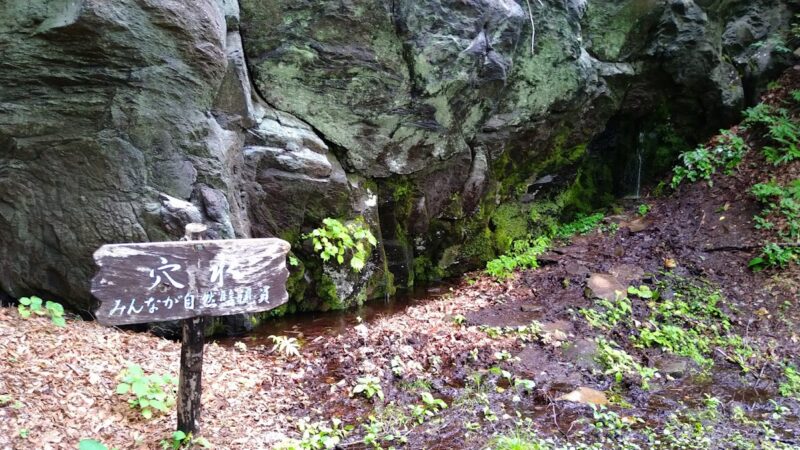
The Amidaji Temple in Suwa City, Nagano Prefecture, is a Jodo sect temple with the mountain name Hokukusan. Its founding dates back to the fourth year of Bunroku (1595). A nenbutsu practitioner named Kawanishi Joesei enshrined an eleven-headed Kannon seated statue in a rocky cave on Karazawa Mountain and made it a place for continuous nenbutsu recitation.
In the third year of Keisho (1598), Tanzei Shonin, an eminent monk from Owari Province who was on a pilgrimage tour, visited this place and stayed for five years. Known as a nenbutsu practitioner, Tanzei Shonin formally opened Amidaji Temple through his practice and teachings. Due to this historical background, the Amidaji Temple in Suwa is known as the “Tanzei Historical Site” and has become an important pilgrimage destination for nenbutsu practitioners.
Points of Interest in the Temple Grounds
The Amidaji Temple in Suwa City is located in the mountains, requiring visitors to climb a steep slope of approximately 700 meters from the trail entrance to the temple grounds. This path itself creates a solemn atmosphere that could be considered part of the ascetic practice.
The Dakemon Gate stands at the entrance to the temple grounds with impressive presence and welcomes visitors. Passing through this gate reveals a quiet space characteristic of mountain temples.
The current main hall has a remarkable history—it is actually the relocated main hall (Honshei-den) from the Zenkoji Daihongan. This relocation also conveys a deep connection with Zenkoji Temple. The principal image is Amitabha Buddha, and it gathers worshippers as the center of nenbutsu faith.
From the temple grounds, there is also a scenic spot with a panoramic view of Lake Suwa, and being located approximately 3 kilometers from Tateishi Park, it is not uncommon for visitors to stop here as part of their Suwa sightseeing.
Pilgrimage Information and Access
Location: Nagano Prefecture, Suwa City
Sect: Jodo sect (Chionin branch)
Mountain Name: Hokukusan
Note on Pilgrimage Season: During winter (December 1 to April 30), pilgrimage may be restricted due to snow. Ropes may be placed at the trail entrance with signs reading “Please refrain from visiting,” so it is recommended to confirm before visiting.
Access: Approximately 15 minutes by car from Suwa city center. There is a parking lot at the top of the steep slope. If using public transportation, taking a taxi from JR Kamitsuwa Station is convenient.
Amidaji Temple (Iida City) | Castle Town Temple Associated with the Ogasawara Clan
Historical Background and Relationship with the Ogasawara Clan
The Amidaji Temple located in Maruyama-cho, Iida City, is a temple of the Jodo sect Otani branch with the mountain name Busshosan. It was founded in the second year of Keisho (1597), when the Iida castle lord of the time, the Ogasawara clan, invited Tanzei Shonin to establish a hermitage.
This Amidaji Temple also has deep connections with Tanzei Shonin, similar to the Amidaji Temple in Suwa City, and serves as an important historical site showing the eminent monk’s footsteps on his pilgrimage tour. Tanzei Shonin opened nenbutsu centers in multiple regions within Nagano Prefecture and played a major role in spreading Buddhism among the common people.
The Ogasawara clan, which held power in Shinano Province from the Sengoku period through the early Edo period, was based at Iida Castle. The background of temple founding by samurai tells of the close relationship between politics and religion at that time.
Characteristics of the Temple Grounds and Halls
The Amidaji Temple in Iida City, being located in a castle town, presents a quiet demeanor distinct from the mountain temple in Suwa City. The temple grounds are well-maintained, providing an environment conducive to pilgrimage.
The principal image is Amitabha Buddha, and it has gathered local people’s faith as the center of Pure Land belief. The hall structures retain Edo period style while receiving appropriate maintenance, conveying a sense of historical grace.
Access and Pilgrimage Information
Location: 2-chome, Maruyama-cho, Iida City, Nagano Prefecture
Sect: Jodo sect Otani branch
Mountain Name: Busshosan
Access: Within walking distance from JR Iida Line Kireishi Station. Also easily accessible from Iida city center.
Inquiry: 0265-52-2389
Amidaji Temple (Nagano City) | Faith Center Around Zenkoji Temple
Multiple Amidaji Temples in Nagano City
There are multiple Amidaji temples in Nagano City. The main ones include the Amidaji Temple located in Oji Nagano Hakoshimizu, Nagano City (Corporate Number: 7100005000251) and the Amidaji Temple located in Oji Hirashiba, Nagano City.
Hakoshimizu Amidaji Temple
Address: 1995-3 Hakoshimizu, Oji Nagano, Nagano City, Nagano Prefecture
Postal Code: 〒380-0801
Corporate Number: 7100005000251
Located close to Zenkoji, it is often visited by pilgrims in conjunction with their visit to Zenkoji. Situated in the center of Nagano City with good accessibility.
Hirashiba Amidaji Temple
Address: 1173-1 Hirashiba, Oji Nagano, Nagano City, Nagano Prefecture
Telephone: 026-227-8750
Nearest Bus Stop: Suwa Shrine (approximately 4 minutes on foot)
This temple is located in a quiet environment somewhat removed from the city center, offering a serene pilgrimage experience.
Role in the Zenkoji Faith Sphere
The Amidaji temples in Nagano City have played an important role within Shinano’s Buddhist cultural sphere centered on Zenkoji. While Zenkoji itself, as a non-sectarian temple, attracts broad faith, temples of various sects also support regional faith, with Amidaji temples serving as one such spiritual pillar for local residents.
Other Amidaji Temples in Nagano Prefecture
Amidaji Temple (Ina City)
An Amidaji Temple also exists in Ina City, which is a Soto Zen sect temple. In contrast to other Amidaji temples that are affiliated with the Jodo sect, it has its own unique history and characteristics as a Zen Buddhist temple.
Amidaji Temple (Iizuna Town)
An Amidaji Temple also exists in Iizuna Town, Kamiminochi County, Nagano Prefecture, functioning as a local faith center.
The Significance of Visiting Amidaji Temples in Nagano Prefecture
Tracing the Footsteps of Tanzei Shonin
The multiple Amidaji temples scattered throughout Nagano Prefecture are deeply connected with the pilgrimage tour of a single eminent monk, Tanzei Shonin. By visiting the Amidaji temples in Suwa City and Iida City, one can experience the spread of nenbutsu faith from the late Sengoku period through the early Edo period, and the history of Buddhist propagation among the common people.
Tanzei Shonin was born in Owari Province (present-day Aichi Prefecture) and traveled throughout the country spreading the teachings of nenbutsu. His activities in Nagano Prefecture were particularly active, and through ascetic practice in harsh mountainous terrain and teaching activities among the common people, he had a major influence on Shinano’s Buddhist culture.
Learning Regional History and Culture
Each Amidaji temple is closely connected with the history of its respective region. From the Amidaji Temple in Iida City, one can learn about the relationship between the faith and politics of the Ogasawara clan, a Sengoku warlord; from the Amidaji Temple in Suwa City, the fusion of mountain faith and nenbutsu faith; and from the Amidaji temples in Nagano City, the role of regional temples within the Zenkoji faith sphere.
Shinano’s Nature and Temple Architecture
Visiting Amidaji temples in Nagano Prefecture is also an opportunity to enjoy Shinano’s abundant natural beauty and traditional temple architecture. In particular, the Amidaji Temple in Suwa City, being located in the mountains, leaves a profound impression on visitors with its spectacular views overlooking Lake Suwa and its serene temple grounds.
Precautions and Etiquette When Visiting
Seasonal Pilgrimage Restrictions
The Amidaji Temple in Suwa City may have pilgrimage restrictions during winter (December 1 to April 30). This is a precaution due to safety concerns from heavy snow, intended to prevent the trail from becoming dangerous. If you plan to visit during winter, it is recommended to confirm in advance.
Preparation for Visiting Mountain Temples
When visiting temples located in mountains like the Amidaji Temple in Suwa City, prepare appropriate clothing and footwear. Since climbing a steep slope of approximately 700 meters is required, walking shoes and movement-friendly clothing are recommended. It is also wise to bring drinking water and light snacks.
Basic Etiquette for Temple Visits
- Spend time quietly in the temple grounds without disturbing other visitors
- Take photographs only in permitted areas
- Remove hats when inside the main hall
- Place offerings quietly
- Do not touch plants or structures in the temple grounds
- Always take your trash with you
Combining with Nearby Sightseeing Spots
Suwa Area
When visiting the Amidaji Temple in Suwa City, it is possible to combine it with sightseeing at Tateishi Park, Lake Suwa, and Suwa Taisha. Tateishi Park offers spectacular views of Lake Suwa, and Suwa Taisha is an ancient shrine representative of Shinano that attracts many visitors.
Iida Area
Around the Amidaji Temple in Iida City are historical and cultural facilities including Iida Castle ruins, Iida Municipal Museum of Art, and Motezenkoji Temple. This is an area where you can gain a deeper understanding of South Shinano’s history.
Nagano Area
The Amidaji temples in Nagano City are typically combined with a visit to Zenkoji. By visiting surrounding temples after paying respects at Zenkoji, one can gain deeper understanding of faith. Additionally, Nagano City center offers the charming streets of Zenkoji’s temple town and good access to Togakushi Shrine.
Cultural Value of Amidaji Temples in Nagano Prefecture
Historical Witnesses to Nenbutsu Faith
The Amidaji temples within Nagano Prefecture are important historical sites conveying the history of nenbutsu faith in Japan. In particular, temples associated with Tanzei Shonin serve as valuable evidence of the spread of popular Buddhism in the early Edo period.
Center of Local Community
Each Amidaji Temple has functioned as a spiritual pillar for local residents since its founding. Through funerals, memorial services, and annual events, they have played a role in supporting community cohesion.
Architectural and Art Historical Value
As exemplified by the fact that the main hall of the Amidaji Temple in Suwa City was relocated from Zenkoji Daihongan, these temples are important from the perspectives of architectural and art history. The halls, Buddha statues, and temple treasures transmit the technology and faith of their era to the present day.
Conclusion: The Value of Visiting Amidaji Temples in Nagano Prefecture
The Amidaji temples scattered throughout Nagano Prefecture, while each possessing its own unique history and charm, are connected by the common thread of Tanzei Shonin. By visiting the Amidaji temples in Suwa City with its solemn atmosphere as a mountain temple, the Amidaji Temple in Iida City with its historical background as a castle town temple, and the Amidaji temples in Nagano City with their role in the Zenkoji faith sphere, one can gain a deep understanding of Shinano’s Buddhist culture and regional history.
Whether visiting as a tourist, pilgriming as a place of faith, or investigating as a history researcher, Amidaji temples in Nagano Prefecture are deep-rooted cultural heritage that provides different values and experiences to each visitor.
When visiting Shinano, why not take time to visit these Amidaji temples and spend moments reflecting on history in the quiet temple grounds? The scenery spreading before you after climbing the steep path, the atmosphere created by ancient halls, and the weight of faith continuing for centuries will surely become a memorable experience.