Shinmei Shrine (Ibaraki Prefecture) Complete Guide | History, Grounds Guide, Access, and Annual Events
Shinmei Shrine, located in Oarai Town, Higashi-Ibaraki District, Ibaraki Prefecture, is a shrine that has been cherished by local people for a long time. This article provides detailed information about Shinmei Shrine’s history and origins, highlights of the grounds, how to visit, religious ceremonies and events throughout the year, and access information. While Ibaraki Prefecture has renowned shrines such as Kashima Shrine and Daijingu (Ibaraki’s Ise Shrine), Shinmei Shrine is also a place worth visiting as a shrine with its own unique charm.
About Shinmei Shrine
Shinmei Shrine is located in Oarai Town, Higashi-Ibaraki District, Ibaraki Prefecture, and has been worshipped as the tutelary deity of the local community for many years. As the name “Shinmei” indicates, it is a shrine dedicated to Amaterasu Ōmikami, and it inherits the faith tradition of the Ise Shrine system.
While multiple Shinmei Shrines and Shinmei-miya exist throughout Ibaraki Prefecture, Shinmei Shrine in Oarai Town has the characteristic feature of being located near the sea, and it attracts many visitors praying for safe fishing and maritime safety. Oarai Town is a port town facing the Pacific Ocean and has long maintained deep connections with the sea. This regional character also influences the faith at Shinmei Shrine.
Deities Enshrined at Shinmei Shrine
The principal deity enshrined at Shinmei Shrine is Amaterasu Ōmikami. Amaterasu Ōmikami is the highest deity in Japanese mythology and is known as the sun goddess. She is enshrined in the Inner Shrine of Ise Shrine, is regarded as the ancestor of the Imperial House, and is widely venerated throughout Japan.
Amaterasu Ōmikami is said to have a wide range of blessings including abundant harvests, national peace and stability, and good fortune. As the sun goddess, she is also revered as a deity who grants vitality and life force.
Origins and History of Shinmei Shrine
While detailed records of Shinmei Shrine’s founding date have not been fully preserved, it has been confirmed through local oral traditions and literature that it functioned as a center of local faith already in the Edo period.
Circumstances of Foundation
The founding of Shinmei Shrine is believed to be deeply connected with the development of local reclamation and agriculture. Shinmei faith was a widespread form of religious belief nationwide, and particularly during the Edo period, pilgrimages to Ise Shrine (Ise Mairi) became extremely popular among the common people. It is presumed that influenced by this trend, Shinmei shrines were established in various locations.
The area surrounding Oarai Town was blessed with water systems such as the Naka River and Himuka Swamp, and agriculture and fishing have flourished since ancient times. Shinmei Shrine, which enshrines Amaterasu Ōmikami, gathered the faith of local residents as a place to pray for abundant harvests and maritime safety.
From the Edo Period to the Meiji Period
During the Edo period, in Oarai Town, which developed as Mito Domain territory, Shinmei Shrine played an important role as the village’s tutelary shrine. Mito Domain was one of the Three Branch Houses of the Tokugawa, and shrines and temples received generous protection.
With the arrival of the Meiji period, all shrines throughout the country underwent major reforms due to the Separation of Shinto and Buddhism edict. Shinmei Shrine also underwent reorganization of its shrine classification during this period, clarifying its positioning as a local shrine. Since the Meiji period, it has continued to gather unchanged faith as the tutelary deity of the community.
Shinmei Shrine in Modern Times
As time progressed from the Showa through Heisei and into the Reiwa era, Shinmei Shrine has continued to serve as a center of the local community. The local festivals and annual events are still carefully preserved, and many visitors come to worship.
In recent years, as Oarai Town has attracted attention as a tourist destination, Shinmei Shrine has also seen an increase in visitors from outside the town. In particular, many people visit the shrine in combination with nearby tourist spots such as Oarai Isomae Shrine and Oarai Marine Tower.
Guide to the Shrine Grounds and Highlights
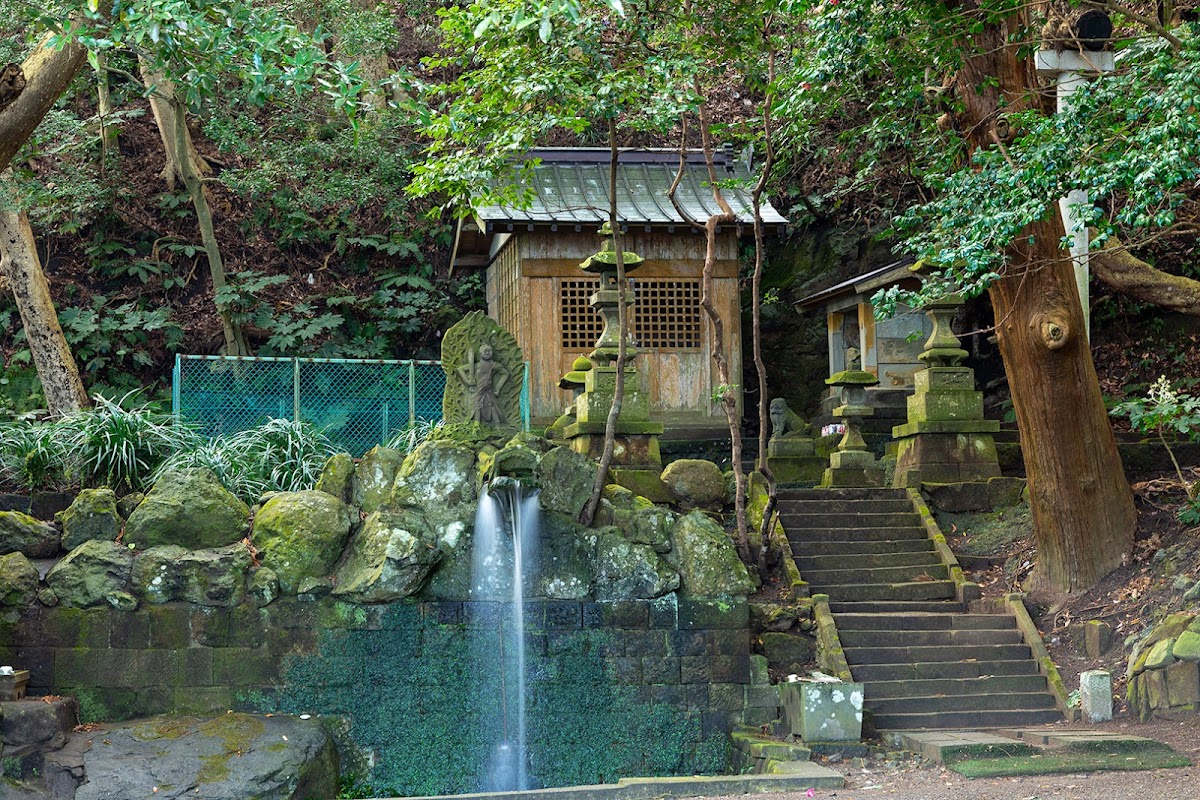
The grounds of Shinmei Shrine are enveloped in a quiet and serene atmosphere. Here we introduce the main facilities and highlights of the grounds.
Torii Gate and Approach Path
At the entrance to Shinmei Shrine stands a torii gate in the style called the Shinmei torii. The Shinmei torii is characterized by its linear and simple design, exemplified by Ise Shrine. As you pass through the torii, the approach path leads to the main hall.
Trees line both sides of the approach path, forming a sacred grove. This grove creates a sacred space befitting a divine sanctuary while also serving the role of preserving the local natural environment.
Prayer Hall and Main Hall
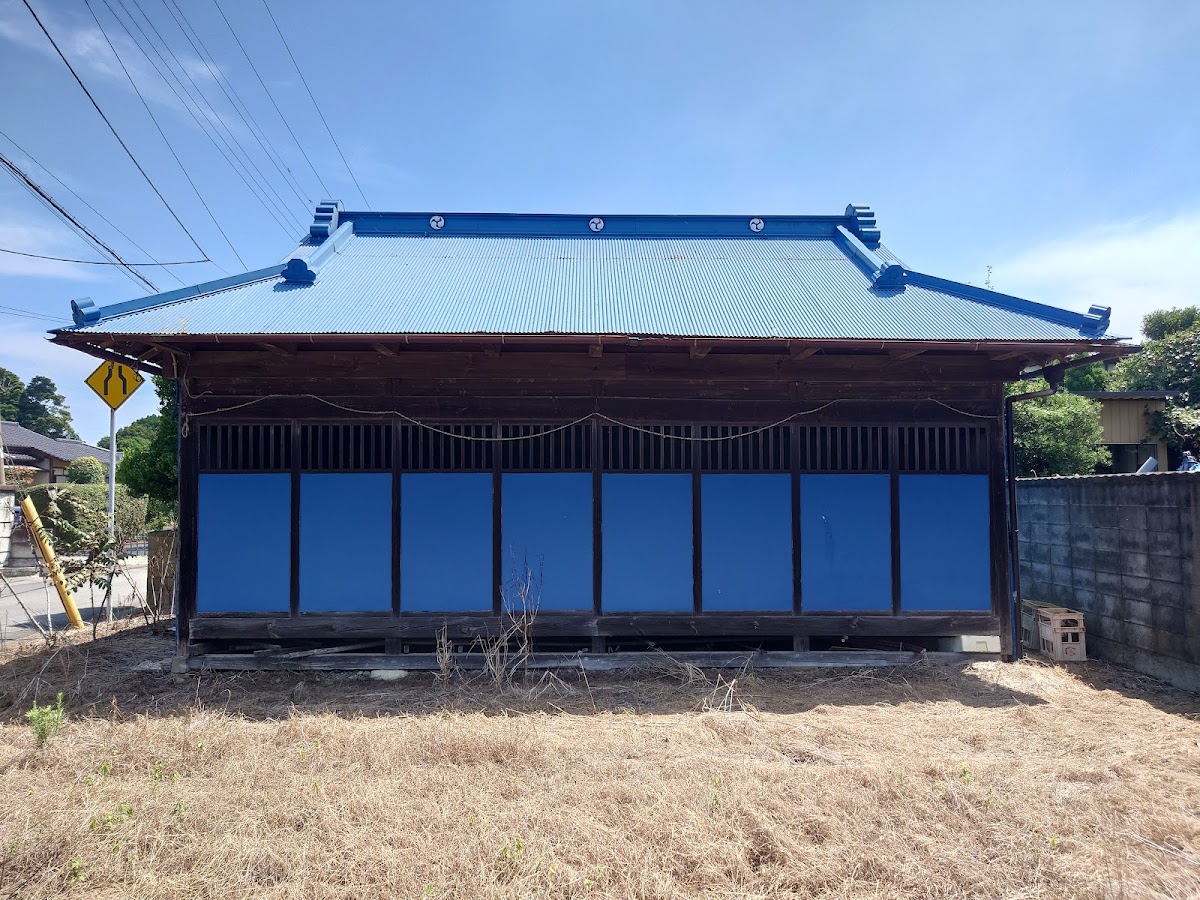
As you proceed along the approach path, the prayer hall comes into view. The prayer hall is where visitors offer their prayers, with the main hall situated beyond it. The main hall is the most sacred place where the enshrined deity resides, and typically visitors make their offerings from the prayer hall.
It is possible that Shinmei Shrine’s main hall is built in an architectural style called Shinmei-zukuri. Shinmei-zukuri, exemplified by Ise Shrine, is one of Japan’s oldest forms of shrine architecture, characterized by a gabled roof and an elevated floor structure.
Administrative Office and Amulet Counter
There is an administrative office on the grounds where visitors can receive omamori (amulets), ofuda (talismans), and other items. At Shinmei Shrine, various omamori are available, including those for traffic safety, household safety, academic success, and business prosperity.
Many visitors receive omamori as mementos of their visit. The shrine’s omamori typically bear the shrine’s name, the date of visit, and the shrine’s seal. If you bring an omamori booklet, you can have it written in directly.
Subsidiary Shrines and Stone Monuments
Within the grounds of Shinmei Shrine, there may be smaller subsidiary shrines (sessha and massha) besides the main hall. These enshrine deities that have been worshipped for a long time in the area or deities with specific blessings.
Additionally, commemorative monuments and stone inscriptions may be erected on the grounds. These serve as valuable records conveying the history of the shrine and local events.
Sacred Grove and Natural Environment
The sacred grove surrounding Shinmei Shrine preserves a valuable natural environment for the region. Mature trees stand tall and display different faces through the four seasons.
In spring, fresh greenery is beautiful; in summer, tree shade provides coolness; in autumn, autumn leaves color the grounds; and in winter, one can feel a solemn atmosphere amid the silence. The sacred grove also serves as a habitat for diverse wildlife including birds and insects, contributing to the conservation of biodiversity.
How to Visit Shinmei Shrine
There are basic etiquette practices for visiting shrines. Here we guide you through the proper way to visit Shinmei Shrine.
Basic Etiquette for Shrine Visits
- Bow before the torii gate: The torii gate is the entrance to the sacred grounds. Before passing through, offer a light bow before entering the shrine grounds.
- Purify yourself at the water basin: At the water basin along the approach, purify your hands and mouth. Hold the ladle with your right hand and cleanse your left hand, then switch to holding the ladle with your left hand to cleanse your right hand. Again hold the ladle with your right hand, cup water in your left hand, and rinse your mouth. Finally, hold the ladle upright and rinse its handle.
- How to walk the approach path: The center of the approach path is considered the deity’s passage, so it is proper etiquette to walk on the sides.
- Worship at the prayer hall: Stand before the prayer hall and place your offering in the offertory box. Ring the bell if one is present. Then perform the “two bows, two claps, one bow” ritual. Bow deeply twice, clap twice, and finally bow deeply once more.
- Courtesy upon leaving: When leaving the shrine after your visit, also turn and offer a bow at the torii gate.
Attire and Mindset for Shrine Visits
Visiting a shrine should be done with the awareness that you are going to meet with the deity. Avoid excessively flashy or revealing clothing, and modest, neat attire is recommended.
Additionally, a shrine visit is an opportunity to express gratitude to the deity. Visit with appreciation for your daily safety and health, and with a heart that prays for happiness to come. This mindset is essential.
Annual Religious Ceremonies and Events at Shinmei Shrine
Various religious ceremonies and events are held at Shinmei Shrine throughout the year. Here we introduce the main annual events.
New Year Prayer Festival (January 1st)
On New Year’s Day, the New Year Prayer Festival is held. Gratitude is offered to the deity at the beginning of the year, and prayers are made for peace and prosperity throughout the new year. The shrine is bustling with visitors making their first shrine visit of the year, and many local residents visit with their families.
Bean-Throwing Festival (Around February 3rd)
The Bean-Throwing Festival is held on Setsubun. Accompanied by the call “Out with the demons, in with good fortune,” beans are scattered to drive away evil and invite in good luck. Local children also participate, creating a lively atmosphere.
Prayer for a Good Harvest Festival (February)
The Prayer for a Good Harvest Festival is held with the arrival of spring, praying for an abundant harvest. Also called “Toshigoi no Matsuri,” it is a prayer to the deity for bountiful crops that year. This is a traditional religious ceremony continuing from times when agriculture flourished.
Annual Grand Festival (Autumn Season)
Shinmei Shrine’s Annual Grand Festival is the most important celebration of the year. It is often held during the autumn harvest season, offering thanks for an abundant harvest and praying for the community’s peace. The festival becomes a grand community-wide celebration featuring portable shrines being carried through the streets and performances offered to the shrine.
Harvest Festival (November 23rd)
The Harvest Festival is held to offer the year’s new grain to the deity and express gratitude for the harvest. It is also designated as a national holiday called Labor Thanksgiving Day, and is an important religious ceremony giving thanks for the blessings of agriculture.
Year-End Purification Ceremony (December 31st)
At the close of the year, the Year-End Purification Ceremony is performed. The purification ceremony is a religious rite to cleanse away sins and impurities accumulated over half a year, typically performed twice yearly in June and December. At the December 31st ceremony, impurities accumulated over the year are cleansed, preparing the spirit to welcome the new year in purity.
Access to Shinmei Shrine and Parking Information
We provide information on how to access Shinmei Shrine and parking facilities.
Location
Shinmei Shrine is enshrined in Oarai Town, Higashi-Ibaraki District, Ibaraki Prefecture. Oarai Town is located on the Pacific coast of Ibaraki Prefecture and faces the mouth of the Naka River as a port town.
Access by Public Transportation
By Train:
- Kashima Rinkai Railway’s Oarai-Kashima Line “Oarai Station” is the nearest station
- From Oarai Station, you can travel on foot, by taxi, or by local bus
- There is also a bus route from Mito Station heading toward the Oarai area
By Bus:
- Ibaraki Kotsu buses operate bus routes within Oarai Town
- There are bus routes from Mito Station heading toward the Oarai area
Access by Automobile
Using Expressways:
- Approximately 10-15 minutes from the “Mito-Oarai IC” on the Kita Kanto Expressway
- Access to the Oarai area is also possible from the “Mito IC” on the Joban Expressway
Using General Roads:
- Access to Oarai Town is possible via National Route 51 and prefectural roads
- It is convenient to input the shrine name or address into your car’s navigation system
Parking
Parking for visitors is typically provided at Shinmei Shrine. However, parking congestion is expected during large events such as the Annual Grand Festival, so it is recommended to arrive with extra time. For details on the number of parking spaces and usage times, please inquire with the shrine in advance or follow the directions on-site. The Oarai Town tourism parking areas in the surrounding area can also be used.
Tourist Attractions Around Shinmei Shrine
It is also recommended to visit nearby tourist attractions in Oarai Town in combination with a visit to Shinmei Shrine.
Oarai Isomae Shrine
A representative shrine of Oarai Town, it is famous for its scenic “Sacred Torii Gate on the Rocky Shore” that stands on rocks overlooking the Pacific Ocean. It enshrines Ōnamuchi no Mikoto and Sukunahikona no Mikoto and is believed to provide blessings for maritime safety and good fortune.
Oarai Marine Tower
This observation tower stands 60 meters tall and offers panoramic views of the Oarai coastline and the Pacific Ocean. On clear days, Mount Fuji is sometimes visible.
Aqua World Ibaraki Prefectural Oarai Aquarium
One of Japan’s largest aquariums, it boasts the greatest variety of shark species in Japan. Dolphin and sea lion shows are popular and make it an ideal spot for families.
Oarai Coastline
The beautiful sandy beach of the Oarai Coast is busy with people enjoying swimming and surfing. It is also known as a location for viewing the sunrise, and many people visit to see the first sunrise of the year.
Seafood Cuisine in Oarai Town
Fresh seafood caught at Oarai Port is excellent. You can enjoy local specialties such as seafood rice bowls, whitebait rice bowls, and monkfish hot pot. There are many seafood restaurants throughout Oarai Town, making dining another enjoyable part of sightseeing.
Other Shinmei Shrines in Ibaraki Prefecture
Besides Shinmei Shrine in Oarai Town, there are multiple Shinmei shrines throughout Ibaraki Prefecture.
Shinmei Shrine in Chikusei City
Shinmei Shrine in the Chiai District of the former Kyowa Town in Chikusei City enshrines Ōhirume no Mikoto (Amaterasu Ōmikami) and is said to have been founded in the Edo period. It is worshipped as the local tutelary shrine.
Shinmei Shrine in Yuki City
Shinmei Shrine in Yuki City is known for its beautiful sacred grove. Founded during the Bunka era (1804-1818), it also has Atago Shrine and Mitake Shrine merged into it. In spring, peony blossoms bloom, making it a renowned cherry blossom viewing spot.
Shinmei Shrine in Omitama City
Omitama City also has a Shinmei Shrine that gathers local faith. The various Shinmei shrines throughout Ibaraki Prefecture each reflect the history and characteristics of their regions and are worth visiting.
Connection with Ibaraki’s Ise Shrine – Daijingu
In Tokai Village in Ibaraki Prefecture stands Daijingu (Ibaraki Number One Daijingu), affectionately known as “Ibaraki’s Ise Shrine.” Daijingu also enshrines Amaterasu Ōmikami as its principal deity and inherits the faith traditions of Ise Shrine.
Both Shinmei Shrine and Daijingu are central pillars of faith in Ibaraki Prefecture as shrines based on Shinmei faith traditions. In times when visiting Ise Shrine was difficult, local people would visit nearby Shinmei shrines or Daijingu, believing they could receive the same blessings as those granted at Ise Shrine.
Daijingu is famous for its “fortune-bringing dogs” associated with safe childbirth, and many expectant mothers visit the shrine. Visiting both Shinmei Shrine and Daijingu will deepen your understanding of Shinmei faith traditions in Ibaraki Prefecture.
Blessings Received from Visiting Shinmei Shrine
It is believed that various blessings can be received from visiting Shinmei Shrine.
Abundant Harvests and Business Prosperity
As the sun goddess, Amaterasu Ōmikami governs the blessings of the sun essential for crop growth. Therefore, she is believed to provide blessings for abundant harvests and business prosperity.
Good Fortune, Household Safety
Because Amaterasu Ōmikami, the highest deity of Japan, is enshrined here, the shrine is believed to provide a wide range of blessings including good fortune, household safety, and protection from misfortune.
Maritime Safety and Abundant Fishing
Oarai Town is also a fishing town. Due to its location near the sea, Shinmei Shrine also attracts the faith of those in the fishing industry and those praying for maritime safety.
Health and Longevity, Recovery from Illness
As the deity of the sun, the source of life, many visitors come to pray for health, longevity, and recovery from illness.
Conclusion
Shinmei Shrine, enshrined in Oarai Town, Ibaraki Prefecture, is a revered shrine dedicated to Amaterasu Ōmikami. It has been worshipped for many years as the local tutelary deity and is believed to provide various blessings including abundant harvests, maritime safety, and good fortune.
The grounds are enveloped in a quiet, serene atmosphere, with the sacred grove creating a divine space. Various religious ceremonies and events are held throughout the year, and it continues to serve as a center of the local community.
Oarai Town is also attractive as a tourist destination, with many attractions nearby including Oarai Isomae Shrine, Aqua World Ibaraki Prefectural Oarai Aquarium, and Oarai Marine Tower. There are also plenty of restaurants where you can enjoy fresh seafood, allowing visitors to enjoy sightseeing throughout Oarai Town in combination with a visit to Shinmei Shrine.
Access is relatively convenient, being approximately 10-15 minutes from the Mito-Oarai IC on the Kita Kanto Expressway and also accessible from Oarai Station on the Kashima Rinkai Railway. With parking facilities available, visiting by car is also convenient.
While Ibaraki Prefecture has many famous shrines such as Kashima Shrine and Tsukuba Shrine, Shinmei Shrine, deeply rooted in the community, is also a shrine worth visiting. Why not visit to calm your mind in the serene grounds, express your daily gratitude to the deity, and pray for happiness to come your way?
Shinmei Shrine is a precious place that conveys Ibaraki Prefecture’s history and culture, along with the faith of its people, down to the present day. Please do visit at least once.