Tsumanum Gongendo Spring Water (Kumagaya City, Saitama) Complete Guide | Thorough Explanation of Access, Water Quality, and History
The Tsumanum Gongendo Spring Water located in the Tsumanum district of Kumagaya City, Saitama Prefecture, is a precious natural resource that has long been cherished by local residents. In the increasingly urbanized northern Saitama Prefecture, this place where clear water continues to flow is drawing attention from both historical and environmental conservation perspectives. This article introduces the charm of Tsumanum Gongendo Spring Water from multiple angles and provides detailed information useful for those considering a visit.
What is Tsumanum Gongendo Spring Water?
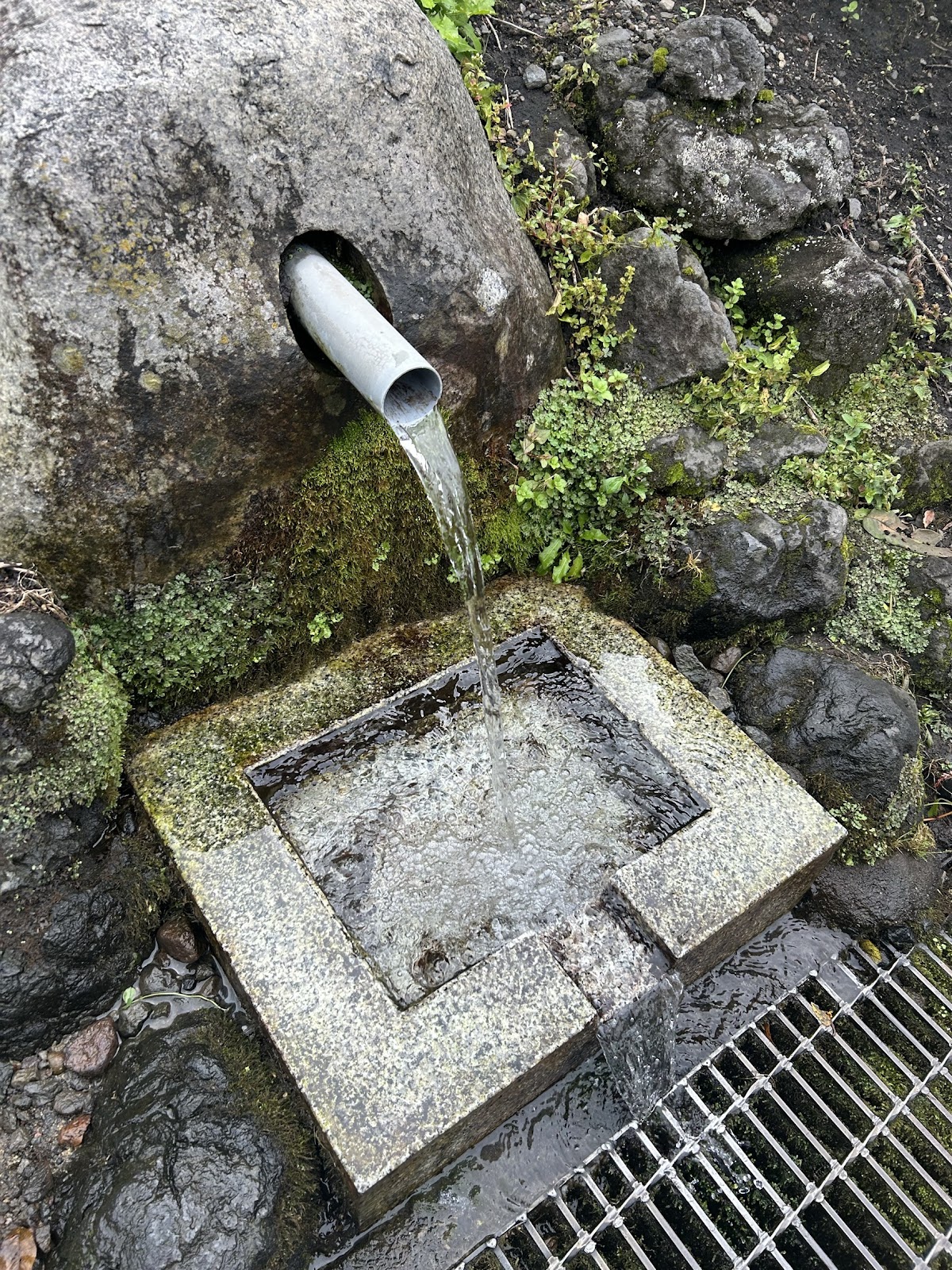
Tsumanum Gongendo Spring Water is natural groundwater that flows from the area around Gongendo in the Tsumanum district of Kumagaya City, Saitama Prefecture. The Tsumanum area is located on the former course of the Tone River and is known as a land blessed with abundant groundwater veins. This spring water has a history of being used as daily household water for the region, and it remains a popular spot where local residents and visitors come to collect water.
Characteristics of the Spring Water
The greatest characteristic of Tsumanum Gongendo Spring Water lies in its excellent water quality and abundant flow. Water that wells up from deep underground maintains stable water temperature year-round, feeling cool in summer and warm in winter. Its high transparency and mild taste are highly valued as drinking water.
The spring water appears at the surface after passing through a natural filtration system, maintaining ideal water quality with appropriate mineral content while containing few impurities. Geologically, it is believed that the water is naturally filtered while passing through geological strata extending from the Chichibu Mountains before flowing out in a clean state.
History and Cultural Background of Tsumanum Gongendo Spring Water
Origin of the Name Gongendo
The place name Tsumanum Gongendo derives from the fact that a hall dedicated to Gongensama (a manifestation of the divine) once stood in this area. Gongensama faith was a form of religious practice involving the syncretism of Shinto and Buddhism that flourished during the Edo period and became a spiritual pillar for local people. The area around the spring water source has long been revered as a sacred place, and the faith protecting the water source has been passed down through the generations.
Connection Between the Tsumanum Region and Water
The Tsumanum region developed with the blessings of the Tone River, and its connection to water is deeply rooted in residents’ lives. During the Edo period, it prospered through river transportation on the Tone River and was bustling with pilgrims visiting Tsumanum Shotendo (Kankiji Temple). The region’s abundant groundwater played an important role as agricultural water, supporting the regional economy.
Gongendo Spring Water was traditionally used daily for laundry, vegetable washing, and drinking water. Though lifestyles have changed with the widespread adoption of tap water in modern times, the culture of valuing spring water has been inherited by the community to this day.
Water Quality and Composition of Tsumanum Gongendo Spring Water
Water Quality Test Data
Tsumanum Gongendo Spring Water undergoes regular water quality testing, and it has been confirmed to meet standards suitable for drinking. As general spring water characteristics, the following composition balance is observed:
- pH Value: Weakly alkaline to neutral range
- Hardness: Soft to medium-hard water range
- Mineral Components: Appropriately contains calcium, magnesium, sodium, potassium, and other elements
- Dissolved Oxygen: Abundant, indicating fresh water quality
Health Benefits
Natural spring water, having undergone no artificial treatment, maintains nature’s mineral balance. Appropriate mineral content supplements nutrients necessary for the human body and increases the efficiency of hydration. Additionally, it contains no disinfectants such as chlorine, making it characterized by a mild taste.
However, water quality may fluctuate due to changes in the natural environment, so it is recommended to check the latest water quality information before drinking and to boil the water if necessary.
Access Methods and Location Information
Basic Information
Location: Tsumanum district, Gongendo area, Kumagaya City, Saitama Prefecture
Access Hours: Generally 24 hours (however, nighttime visits are not recommended for safety reasons)
Parking: Limited parking spaces available nearby (consideration for nearby residents is necessary when visiting)
Access by Car
- From Kan-etsu Expressway: Approximately 30 minutes from Hanazono IC via National Route 140
- From Tohoku Expressway: Approximately 25 minutes from Tatebayashi IC via National Routes 122 and 354
- From National Route 17: Approximately 20 minutes north from Kumagaya city center on National Route 407 toward the Tsumanum direction
When using car navigation systems, it is convenient to set “Tsumanum Gongendo” or the nearby Tsumanum Shotendo (Kankiji Temple) as your destination.
Access by Public Transportation
Train + Bus:
- Take the Asahi Bus “Tsumanum Shotendo-mae” bound bus from “Kumagaya Station” on the JR Takasaki Line (approximately 30 minutes)
- Get off at “Tsumanum Shotendo-mae” bus stop, then walk approximately 10-15 minutes
Using Tobu Railway:
- Approximately 15 minutes by taxi from “Hanyu Station” on the Tobu Isesaki Line
Since public transportation frequency is limited, it is recommended to check the timetable in advance.
Spring Water Collection Methods and Precautions
Etiquette When Collecting Water
When visiting Tsumanum Gongendo Spring Water, please observe the following etiquette:
- Use clean containers: Prepare pre-cleaned, clean plastic bottles or water containers
- Respect order: If other users are present, take turns and avoid monopolizing the water source for extended periods
- Keep the area clean: Always take trash with you and keep the water area clean
- Be aware of private property: Some areas around the spring water source are private property, so do not enter restricted areas
- Be considerate of noise: Since it is near residential areas, avoid loud conversations and noise
Selecting Collection Containers
Choosing the right container for taking spring water home is also important:
- Plastic Bottles: 2-liter size is easy to handle and convenient to carry
- Water Containers: 10-20 liter containers are efficient when collecting large amounts
- Glass Bottles: Less suitable for long-term storage, but helps preserve flavor
Thoroughly wash containers with tap water before use, and rinse once with spring water before main collection for a cleaner state to take home.
Storage Methods and Shelf Life
Collected spring water should be stored using the following methods:
- Cool, dark storage: Avoid direct sunlight and store in a cool place
- Refrigeration: Refrigerator storage is recommended even before opening
- Consume promptly: Since natural water contains no preservatives, consumption within 2-3 days is recommended
- Boiling: Boiling before drinking increases safety
Nearby Tourist Attractions
When visiting Tsumanum Gongendo Spring Water, you can also enjoy attractive nearby tourist attractions.
Tsumanum Shotendo (Kankiji Temple)
Tsumanum Shotendo (Kankiji Temple), the largest tourist attraction in the Tsumanum region, is within walking distance of the spring water site. The Shotendo Hall, designated as a national treasure, is also called “Saitama’s Little Nikko” and features exquisite carvings and vibrant decorations.
Highlights:
- Gorgeous decorations of the National Treasure Shotendo Hall
- Vast temple grounds and beautiful gardens
- Precious cultural properties evoking history
Tone River Riverbank
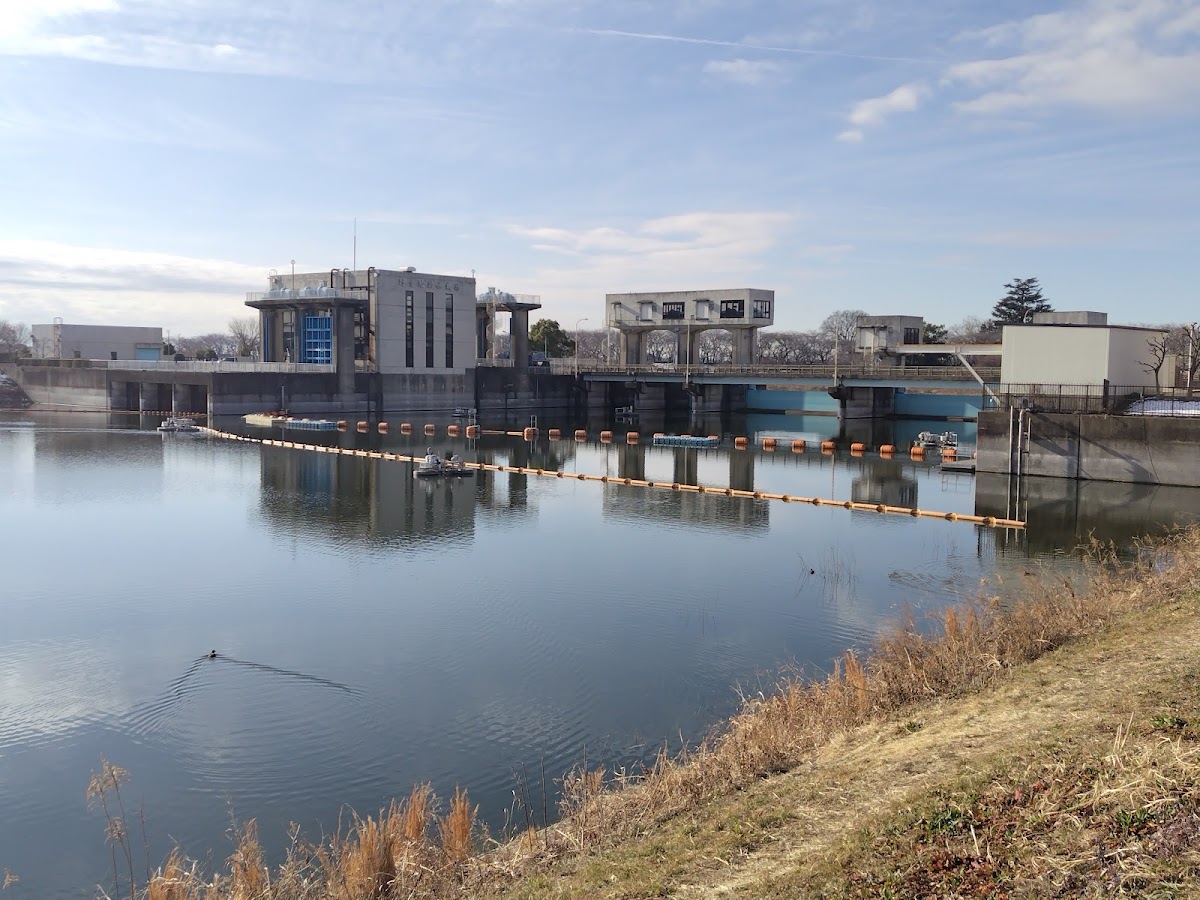
The riverbank of the Tone River flowing through the Tsumanum region is an ideal spot for nature walks and cycling. The vast riverbank is equipped with walking paths where visitors can enjoy nature throughout the seasons. Cherry blossoms bloom in spring, fresh greenery in summer, and cosmos flowers in autumn, making it a popular photo spot.
Michi-no-Eki Menuma (Roadside Station)
Michi-no-Eki Menuma, a facility hub where visitors can purchase fresh local produce and specialty products, is a base facility promoting the charm of the Tsumanum region. Fresh local vegetables and homemade processed products and souvenirs are abundant, and the dining facilities offer dishes made with local ingredients.
Recommended Products:
- Fresh vegetables from Tsumanum
- Local sweets and pickled vegetables
- Local gourmet dishes such as Kumagaya udon
History and Culture of the Tsumanum Region
History of Tsumanum
The history of the Tsumanum region is ancient, with traces of human settlement remaining from ancient times. In the medieval period, it developed as part of Musashi Province, and during the Edo period, it prospered through river transportation on the Tone River. It flourished as a temple town bustling with pilgrims visiting Tsumanum Shotendo, and this history remains.
From the Meiji period onward, sericulture and agriculture became active, with rice cultivation utilizing the region’s abundant water resources supporting the regional economy. Though incorporated into Kumagaya City in modern times, the region continues to preserve its unique culture and traditions.
Regional Traditional Events
Various traditional events are held throughout the year in the Tsumanum region:
- Tsumanum Shotendo Grand Festival: Grand religious ceremonies held in spring and autumn each year
- Tone River Fireworks Festival: A summer tradition enjoyed by many
- District Festivals: Traditional festivals and religious ceremonies held in various districts
These events strengthen community bonds and play important roles in inheriting traditional culture.
Environmental Conservation Activities and Regional Initiatives
Importance of Spring Water Conservation
Natural spring water like Tsumanum Gongendo Spring Water is a precious natural resource that, once lost, is difficult to restore. Many areas face problems with spring water depletion and water quality deterioration due to urbanization and excessive groundwater pumping.
Local residents and government bodies are engaged in conservation activities to pass spring water on to future generations. Regular water quality testing, cleanup activities around the spring water area, and groundwater recharge through conservation of green areas are being implemented.
Role of Local Residents
Cooperation from local residents is essential for spring water conservation. In the Tsumanum region, neighborhood associations and environmental conservation groups are conducting the following activities:
- Cleanup Activities: Regular cleaning of areas around the spring water site
- Water Quality Monitoring: Monitoring water quality changes and responding promptly to abnormalities
- Awareness Activities: Communicating the value of spring water and raising conservation consciousness
- Tree-planting Activities: Conservation of water source forests and planting
What Visitors Can Do
We who visit Tsumanum Gongendo Spring Water can also contribute to conservation activities:
- Take trash with you: Always take any trash you produce home
- Use water carefully: Collect only the necessary amount and avoid waste
- Follow etiquette: Respect local rules and show consideration for other users
- Share information: Communicate the charm of spring water and the importance of conservation to others
Seasonal Enjoyment
Spring (March-May)
Spring in the Tsumanum region is the best season for nature walks, with cherry blossoms and rape flowers blooming brilliantly. The area around the spring water site is also enveloped in fresh greenery and offers refreshing air. The cherry blossoms at Tsumanum Shotendo are spectacular, and combining spring water collection with flower viewing is recommended.
With mild temperatures, visitors can slowly explore the spring water area and enjoy observing the surrounding nature.
Summer (June-August)
Kumagaya City is known as one of Japan’s hottest regions, but the spring water site is a precious spot where coolness can be felt. The cold spring water soothes summer heat and is ideal for refreshment.
Early morning or evening visits are recommended to avoid daytime heat. Chilled collected spring water tastes exceptional as a natural refreshing beverage.
Autumn (September-November)
Autumn is the most comfortable season to visit the spring water site with stable weather. As surrounding trees begin to change color, visitors can enjoy both autumn foliage viewing and spring water collection simultaneously.
The Tsumanum Shotendo autumn grand festival is also held, filling the entire region with vitality. It is an excellent opportunity to simultaneously experience cultural events and nature’s blessings.
Winter (December-February)
The spring water site in winter is a hidden gem season with few visitors, allowing quiet water collection. Spring water does not freeze even in winter and feels relatively warm. Winter’s clear air allows visitors to truly experience the spring water’s temperature stability.
With proper cold-weather preparation and wearing non-slip shoes, winter visits are pleasant. Spring water experienced in the clear winter air has an exceptional refreshing quality.
Cuisine and Specialty Products of the Tsumanum Region
Kumagaya Udon
Kumagaya Udon, a representative local gourmet dish of Kumagaya City, can be enjoyed throughout the Tsumanum region. Characterized by chewy noodles and soy sauce-based broth, handmade udon using local wheat flour is popular.
Enjoying a meal at a local udon shop after collecting Tsumanum Gongendo Spring Water is also a recommended itinerary.
Local Vegetables and Agricultural Products
The Tsumanum region is blessed with fertile soil and abundant water resources, producing high-quality agricultural products. Vegetables such as green onions, cucumbers, and tomatoes are particularly noted for their freshness and concentrated flavor.
Visitors can obtain fresh vegetables at Michi-no-Eki Menuma and local direct sales outlets in combination with spring water collection.
Japanese Sweets and Specialty Cakes
Traditional Japanese sweet shops line the temple approach to Tsumanum Shotendo. Specialty cakes named after Shotendo and seasonal Japanese sweets using local ingredients are perfect as souvenirs.
Packing Checklist for Visiting Tsumanum Gongendo Spring Water
Prepare the following items to comfortably enjoy spring water collection:
Essential Items
- Clean collection container (plastic bottle or water container)
- Towel (for wiping hands and containers)
- Plastic bag (for wet items or emergency trash)
- Comfortable clothing and shoes (waterside areas are slippery)
Convenient Items to Have
- Cooler box (for summer or long-distance travel)
- Gloves (for winter collection)
- Hat and sunscreen (for summer)
- Camera (for photo memories)
- Map or smartphone (for navigation)
- Insect repellent spray (for spring-summer)
Frequently Asked Questions
Can spring water be collected for free?
Yes, Tsumanum Gongendo Spring Water can generally be collected for free. However, as it is a precious regional resource, please collect only necessary amounts and avoid waste.
Is it safe to drink?
Regular water quality testing confirms that the water quality is suitable for drinking. However, water quality may fluctuate due to natural environmental changes. For those concerned, it is recommended to boil before drinking. Particular caution is necessary for those with weakened immunity and small children.
Is there parking?
Limited parking spaces are available near the spring water site. However, as it is near residential areas, consideration for nearby residents is necessary. Using the Tsumanum Shotendo parking lot and walking from there is also an option.
What time is recommended for visiting?
Early morning or late morning visits are recommended. The water is fresh and crowds tend to be smaller. Summer early morning is especially cool and comfortable. Nighttime visits are not recommended for safety reasons.
Can I bring pets?
Pets may be brought with proper leashes and consideration for other users and nearby residents. Pet waste must be taken home, and care should be taken not to contaminate the water area.
Can I collect water on rainy days?
Collection is possible on rainy days, but caution is necessary as footing becomes slippery. Also, water quality may temporarily change after heavy rain or typhoons, so it is recommended to wait and observe conditions before visiting.
Conclusion
Tsumanum Gongendo Spring Water is a precious gift of nature remaining in the Tsumanum district of Kumagaya City, Saitama Prefecture. With its clear spring water, rich history, and nearby tourist attractions, this location is a hidden gem well worth visiting.
When visiting the spring water site, by observing local etiquette and cooperating in environmental conservation, this precious resource can be passed on to future generations. Visiting alongside nearby attractions such as Tsumanum Shotendo and the Tone River riverbank allows for a richer experience.
A visit to Tsumanum Gongendo Spring Water, escaping urban bustle to touch nature’s blessings, is ideal for mental and physical refreshment. Please experience this wonderful spring water at least once. The sound of clear water, surrounding greenery, and community warmth will surely soothe you.