Hakoshima Springwater (Gunma Prefecture) | The Charm of Japan’s One Hundred Best Waters, Called “Asia’s Mini Niagara,” and a Tourism Guide
Hakoshima Springwater, located in Higashi-Agatsuma Town, Agatsuma District, Gunma Prefecture, is a beautiful spring site known as one of the “One Hundred Best Waters in Japan” selected by the Ministry of the Environment in 1985. Abundant groundwater from Mt. Haruna flows naturally here, and this clear water has been utilized since ancient times as domestic and agricultural water for the region. This article provides detailed information about the charm of Hakoshima Springwater, access methods, nearby tourist attractions, and historical background.
What is Hakoshima Springwater? Why It Was Selected as One of the One Hundred Best Waters
Hakoshima Springwater is a group of springs located along the Agatsuma River in the central part of Gunma Prefecture. It is a place where groundwater from the Haruna mountain system naturally springs forth, with a daily water volume reaching approximately 30,000 tons. The water temperature remains stable at around 13 degrees Celsius throughout the year, feeling cold in summer and relatively warm in winter.
The reason it was selected as one of the One Hundred Best Waters by the Ministry of the Environment is the quality of the water and its importance to the region. Hakoshima Springwater contains appropriate amounts of minerals such as calcium and magnesium, making it a soft water that is smooth and easy to drink. Local residents use this water not only as drinking water but also for rice cultivation and vegetable farming.
Water Quality and Characteristics of Hakoshima Springwater
The water quality of Hakoshima Springwater is extremely excellent and receives high marks in regular water quality inspections. The main characteristics are as follows:
- pH Value: Around 7.0, neutral
- Hardness: Approximately 50mg/L soft water
- Water Temperature: Stable at around 13 degrees Celsius throughout the year
- Transparency: Extremely high, with visibility to the bottom
- Mineral Content: Balanced amounts of calcium, magnesium, sodium, and other minerals
Due to this water quality, Hakoshima Springwater is beloved by local residents as the “treasure of Higashi-Agatsuma.”
The Charm of “Hakoshima Fudo Waterfall,” Called “Asia’s Mini Niagara”
Near Hakoshima Springwater is a beautiful waterfall called “Hakoshima Fudo Waterfall.” This waterfall is affectionately known as “Asia’s Mini Niagara” and has a width of approximately 20 meters and a height of approximately 2 meters. The sight of springwater cascading down as a waterfall is spectacular and has become a popular attraction visited by many tourists.
Highlights of Hakoshima Fudo Waterfall
The greatest attraction of Hakoshima Fudo Waterfall is its wide width and abundant water volume. The water flowing horizontally, reminiscent of Niagara Falls, is small in scale but impressive, and is popular as a photography spot. The following times and seasons are particularly recommended:
- Spring (April-May): Beautiful contrast between fresh greenery and the waterfall
- Summer (June-August): Crowded with tourists seeking coolness, filled with negative ions
- Autumn (October-November): Spectacular combination of autumn foliage and waterfall
- Winter (December-February): Mystical contrast between frozen portions and flowing water
- Early morning and evening: The waterfall’s appearance changes with the light
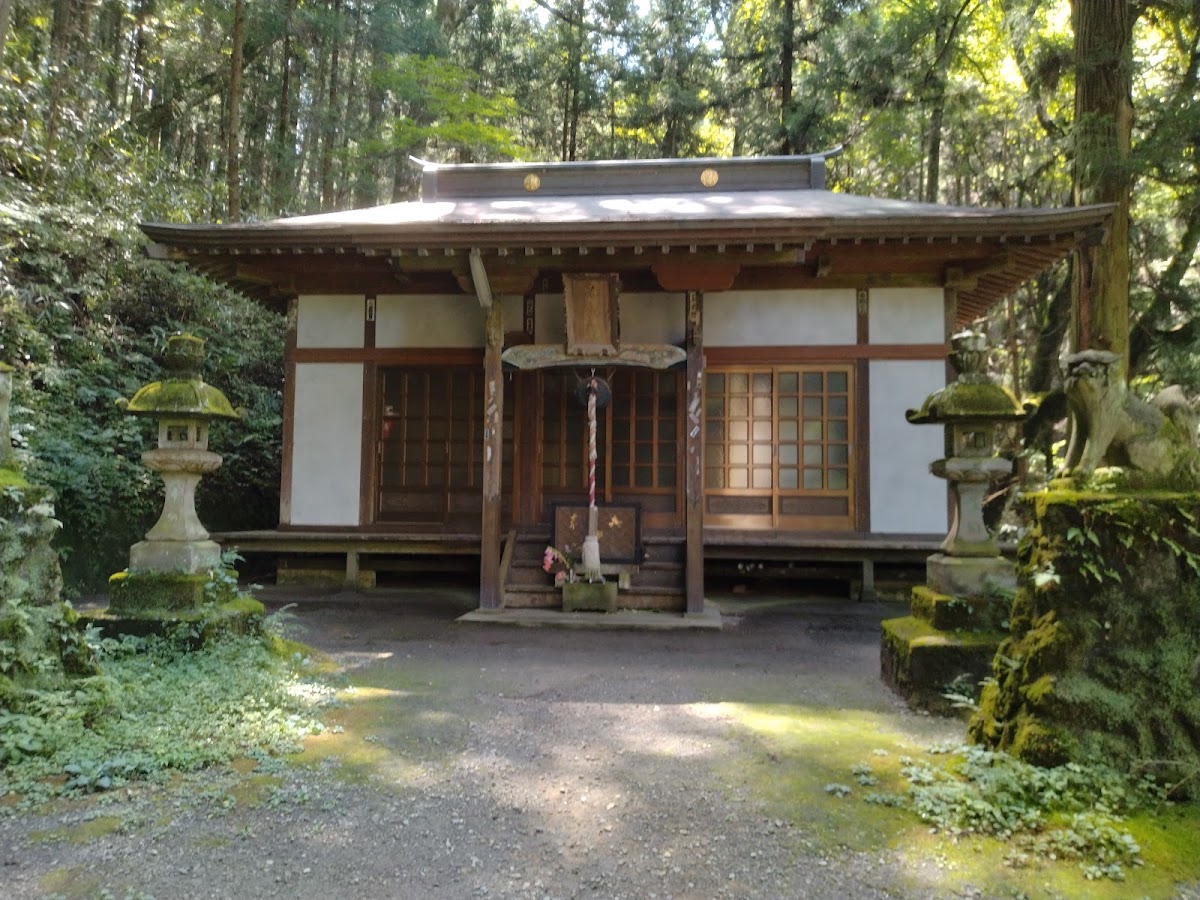
Near the waterfall, a statue of Fudo (Acala) is enshrined, and it has been an object of regional faith since ancient times. Visitors can be seen quietly paying respects while listening to the sound of the waterfall.
History and Cultural Background of Hakoshima Springwater
Hakoshima Springwater has supported the lives of local people since ancient times. References to this springwater remain in historical documents from the Edo period, showing that it was known as a “place where clear water springs forth” even then.
The Role of Hakoshima Springwater in the Region
Agriculture using springwater has been actively practiced in the Hakoshima district. Particularly in paddy field cultivation, this abundant springwater was essential. Today, rice cultivated using Hakoshima Springwater has become a regional brand rice called “Hakoshima Rice,” and its deliciousness is attributed to the blessing of the springwater.
Additionally, around the springwater are scattered old stone monuments and small shrines, imbued with gratitude and reverence for water. Regular cleaning activities and water quality conservation efforts by local residents continue, with ongoing efforts to pass this precious natural resource to future generations.
The Legend of Hakoshima Fudo
Several legends remain about the Fudo deity enshrined beside Hakoshima Fudo Waterfall. One tells of a time when drought continued in the area, and villagers prayed to Acala. Suddenly, large amounts of water sprang forth. From this miraculous event, Fudo came to be revered as the “Guardian Deity of Water.”
Today, an annual festival for Fudo is held in summer, where local residents express their gratitude for water.
Access Methods to Hakoshima Springwater
Hakoshima Springwater is located in Hakoshima, Higashi-Agatsuma Town, Agatsuma District, Gunma Prefecture. It is accessible by both public transportation and private vehicle, though visiting by car is more convenient.
Access by Car
- From Kawagoe-Ikaho IC on the Kan-Etsu Expressway: Approximately 30km, about 40 minutes by car
- From Agatsuma PA Smart IC on the Joshin-Etsu Expressway: Approximately 15km, about 20 minutes by car
- Using National Route 145 toward Higashi-Agatsuma Town
Hakoshima Springwater has a dedicated free parking lot with space for approximately 20 vehicles. During tourist season and weekends, congestion can occur, so early arrival is recommended.
Access by Public Transportation
- From “Gunma-Haramachi Station” on the JR Agatsuma Line: About 10 minutes by taxi or approximately 15 minutes by local bus
- From “Iwashima Station” on the JR Agatsuma Line: About 15 minutes by taxi
When using public transportation, since train frequencies are limited, it is recommended to check the schedule in advance.
Address and Contact Information
- Address: Hakoshima, Higashi-Agatsuma Town, Agatsuma District, Gunma Prefecture
- Inquiry: Higashi-Agatsuma Town Tourism Association (0279-70-2110)
Best Season and Time Required for Hakoshima Springwater Tourism
Hakoshima Springwater displays beautiful scenery in all four seasons, but here are particularly recommended seasons.
Spring (April-June)
During the fresh greenery season, surrounding trees are painted in vibrant green, making the springwater’s transparency stand out even more. The temperature is mild, making it an ideal time for hiking and sightseeing.
Summer (July-August)
In hot summer, Hakoshima Springwater’s cold water provides cooling relief. Simply standing near the waterfall makes the temperature feel several degrees lower, functioning as a natural air conditioner. With abundant negative ions, it’s ideal for refreshing oneself.
Autumn (September-November)
During autumn foliage season, surrounding mountains turn red and yellow, creating beautiful scenery that contrasts with the springwater. Late October to early November is the best viewing time.
Winter (December-March)
Winter Hakoshima Springwater has a mystical atmosphere wrapped in silence. Parts of the waterfall may freeze, creating a fantastical contrast between ice and flowing water. However, caution is necessary due to the possibility of frozen roads.
Time Required for Sightseeing
Viewing Hakoshima Springwater and Hakoshima Fudo Waterfall requires approximately 30 minutes to 1 hour. Including photography and surrounding walks, about 1.5 hours is sufficient to enjoy the area leisurely.
Tourist Attractions Around Hakoshima Springwater
Visiting nearby attractions when coming to Hakoshima Springwater will make for a more fulfilling trip.
1. Iwatsutsuji Castle Ruins (Mt. Iwatsutsuji)
Located approximately 15 minutes by car from Hakoshima Springwater, Iwatsutsuji Castle Ruins is a mountain castle from the Sengoku period. Located near the summit of Mt. Iwatsutsuji at 802 meters elevation, it is known as a castle associated with the Sanada clan. With hiking courses developed, the summit offers spectacular views of Agatsuma Gorge and Mt. Haruna.
2. Agatsuma Gorge
Located approximately 20 minutes by car from Hakoshima Springwater, Agatsuma Gorge is a beautiful gorge spanning approximately 3.5 kilometers. The landscape of strange rocks and massive boulders is also called the “Kanto Yabakei” and has a developed walking path, allowing visitors to easily enjoy the gorge’s beauty. It is especially spectacular during autumn foliage season.
3. Michi-no-Eki “Agatsuma Gorge”
Located approximately 10 minutes by car from Hakoshima Springwater, this roadside station sells fresh local agricultural products and specialty items. The restaurant serves dishes using local ingredients, and there is also a foot bath facility, making it ideal for a driving break.
4. Mt. Haruna and Lake Haruna
Mt. Haruna, which is the water source of Hakoshima Springwater, and Lake Haruna near its summit are located approximately 40 minutes away by car. At Lake Haruna, visitors can enjoy boating and lakeside walks, and Haruna Shrine is popular as one of the Kanto region’s leading power spots.
5. Sengan Sake Brewery
An old sake brewery in Higashi-Agatsuma Town that manufactures Japanese sake using Hakoshima Springwater as brewing water. Visitors can tour and sample the sake, experiencing the blessings of Hakoshima Springwater.
Ways to Enjoy Hakoshima Springwater and Proper Etiquette
When visiting Hakoshima Springwater, it is important to follow proper etiquette to protect the natural environment.
About Drawing Water
At Hakoshima Springwater, visitors are free to draw water. Many people bring containers and take this famous water home with them. Water drawing stations are maintained and easy to use.
Points to note when drawing water:
- Use clean containers
- Avoid monopolizing for long periods; share courteously
- Consume drawn water promptly (storage life in refrigeration is approximately 3 days)
- Boiling before drinking is recommended
Photography Tips
Hakoshima Fudo Waterfall is a photogenic spot. The following points will help capture more beautiful photographs:
- From the front of the waterfall: Capture the entire width of the waterfall as it spreads horizontally
- From a low position: Emphasize the power of the water’s flow
- Long exposure: Using a tripod to express the water’s flow smoothly
- Seasonal changes: The same location shows completely different appearances depending on the season
Cooperation with Environmental Conservation
To preserve the beauty of Hakoshima Springwater, follow this proper etiquette:
- Always take litter with you
- Do not discharge detergents or other chemicals into the springwater or waterfall
- Do not collect flora and fauna
- Do not smoke in designated no-smoking areas
- Keep noise levels low and maintain a quiet environment
Hakoshima Springwater and Regional Initiatives
Higashi-Agatsuma Town is implementing efforts to conserve Hakoshima Springwater as a valuable regional resource.
Water Quality Conservation Activities
Local residents and administration cooperate in conducting regular water quality testing and cleaning activities. Additionally, forest conservation activities in the water source area upstream are being carried out, with progress on water source forest maintenance.
Tourism Promotion and Regional Revitalization
As tourism promotion measures centered on Hakoshima Springwater, the following initiatives are being undertaken:
- Creation of Hakoshima Springwater maps: Detailed guide maps for tourists
- Development of specialty products using springwater: Japanese sake, tofu, soba, and more
- Event organization: Summer festivals and Fudo deity festival events for regional promotion
- Environmental education programs: Water environment learning programs for elementary and middle school students
Promotion of Ecotourism
In the Hakoshima Springwater area, ecotourism considering the natural environment is being promoted. Guided nature tours and experience programs to learn about the springwater’s mechanisms are offered, achieving a balance between tourism and environmental conservation.
Specialty Products Made Using Hakoshima Springwater
The clear water of Hakoshima Springwater is utilized in the manufacture of various specialty products.
Japanese Sake
Sake breweries in the region, including the aforementioned Sengan Sake Brewery, manufacture Japanese sake using Hakoshima Springwater as brewing water. Characterized by a soft water quality, the sake has a mild and gentle flavor.
Tofu and Soy Products
Tofu made with springwater highlights the natural sweetness of soybeans and smooth texture. Local tofu shops sell tofu carefully made using traditional methods.
Soba
The Higashi-Agatsuma area is also known as a soba production region, and soba-making using Hakoshima Springwater is practiced. Soba chilled with cold springwater has strong texture and fragrant aroma.
Rice (Hakoshima Rice)
“Hakoshima Rice” cultivated using Hakoshima Springwater is popular as a regional brand rice. Rice grown with water containing abundant minerals is characterized by sweetness and stickiness, with many repeat customers.
Clothing and Items to Bring When Visiting Hakoshima Springwater
Here are recommendations for comfortable clothing and items to bring when visiting Hakoshima Springwater.
Clothing
- Easy-to-walk shoes: Non-slip sneakers or trekking shoes
- Seasonal clothing: Cool clothing in summer, warm clothing in winter
- Hat: Essential during strong sunlight
- Rainwear: To prepare for weather changes
Items to Bring
- Water drawing containers: Clean bottles or containers (plastic jerry cans)
- Towel: To wipe water spray and sweat
- Camera: To record beautiful scenery
- Insect repellent spray: Especially necessary in summer
- Sunscreen: UV protection
- Drinks and light snacks: Few shops nearby
Future Prospects for Hakoshima Springwater
Hakoshima Springwater has gained nationwide recognition by being selected as one of the Ministry of the Environment’s One Hundred Best Waters. In the future, it is expected to develop further as a valuable tourism resource for the region.
Realizing Sustainable Tourism
Concerns about environmental impacts accompany increased tourist numbers. Higashi-Agatsuma Town plans the following initiatives toward realizing sustainable tourism:
- Expansion of parking facilities: To alleviate congestion and consider surrounding environment
- Multilingual signage: Accommodating foreign tourists
- Barrier-free improvements: Creating an environment accessible to everyone
- Online reservation system: To alleviate congestion in water drawing and parking
Establishing a Regional Brand
Efforts are also underway to establish a regional brand centered on “Hakoshima Springwater.” Regional economic activation is being achieved through the development of new specialty products utilizing springwater and enrichment of events themed around springwater.
Conclusion: Hakoshima Springwater is Gunma’s Natural Treasure
Hakoshima Springwater is a natural blessing that Higashi-Agatsuma Town, Gunma Prefecture, is proud of. Selected as one of the Ministry of the Environment’s One Hundred Best Waters, its clear water supports regional life and provides healing to many people. It is a fascinating spot where the beauty of the “Asia’s Mini Niagara” waterfall, rich natural environment, and regional history and culture converge.
Hakoshima Springwater displays different faces in each season, with new discoveries on each visit. For those wishing to escape urban hustle and refresh mind and body in nature, it is an ideal location. When visiting Gunma Prefecture, be sure to stop by Hakoshima Springwater and experience its clear water and beautiful scenery.
Protected through the efforts of local residents, Hakoshima Springwater carries a responsibility on the part of us visitors to treasure this precious natural resource and pass it on to future generations. Let us practice proper etiquette and environmentally conscious tourism.
Hakoshima Springwater is not merely a tourist attraction but a place demonstrating the ideal form of coexistence between nature and humans. We hope this beautiful springwater will continue to be loved and protected by many people in the future.