Complete Guide to Jisshanji-mae Spring Water Village (Daisen City, Akita Prefecture) | Access, Water Quality, and Surrounding Tourist Information
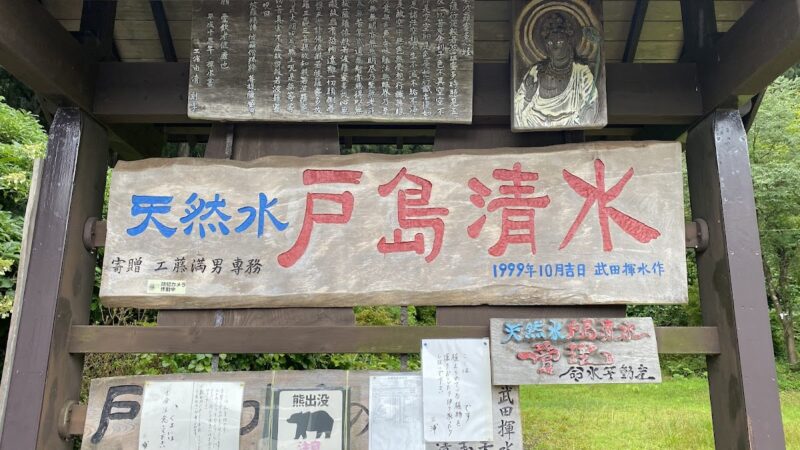
Jisshanji-mae Spring Water Village, located in Daisen City, Akita Prefecture, is a precious spring water spot cherished by local residents and tourists alike. This place, where clear water springs forth, is known as one of Akita Prefecture’s finest natural waters, and bustles with people who visit daily to draw water. This article provides comprehensive information about the appeal of Jisshanji-mae Spring Water Village, characteristics of water quality, access methods, and surrounding tourist information that you should know before visiting.
What is Jisshanji-mae Spring Water Village?
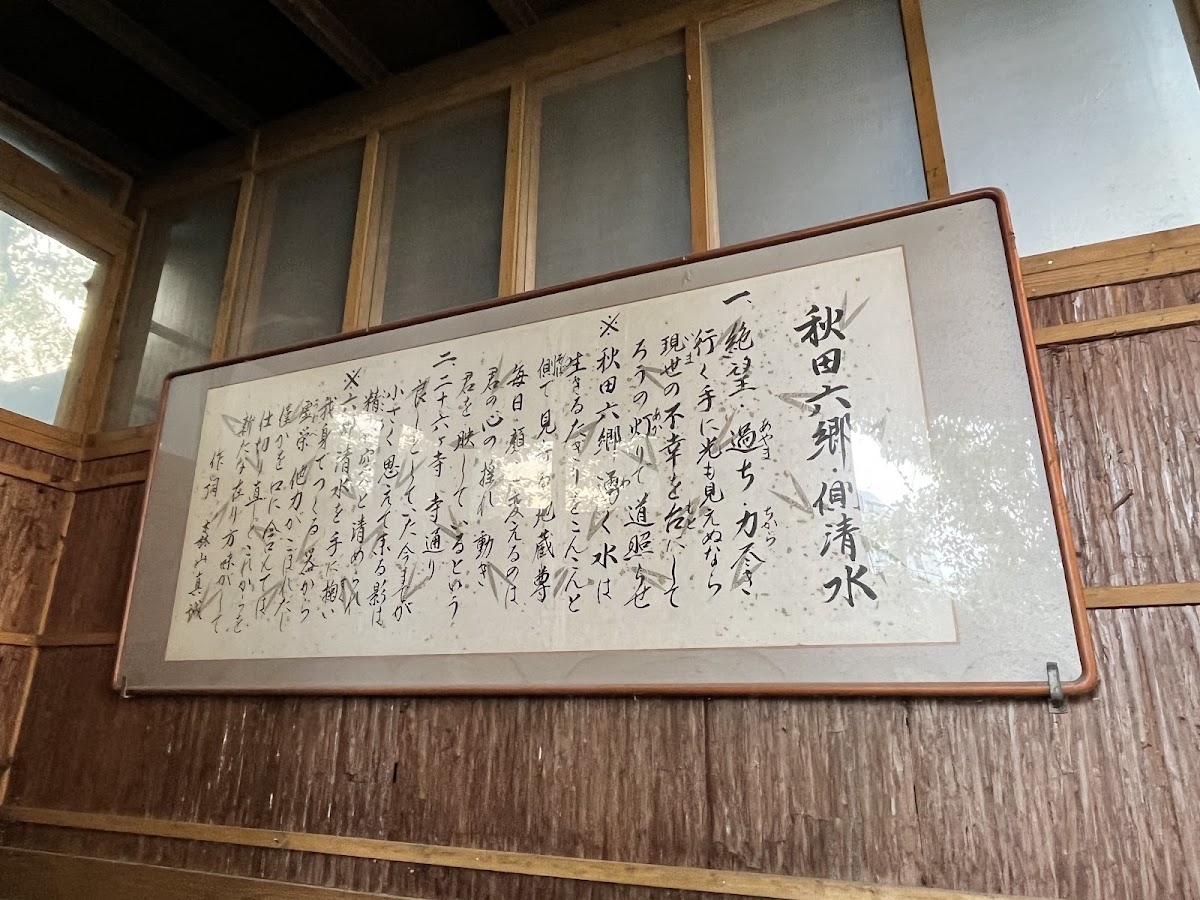
Jisshanji-mae Spring Water Village is a natural spring water site located in Daisen City, Akita Prefecture. It is named after the temple called “Jisshanji” in front of which it is located, and has a history of being used as living water for the community since ancient times.
Characteristics of the Spring Water
This spring water comes from rain and snowmelt that fell on the surrounding mountains and naturally filtered through geological layers, emerging to the surface over many years. Therefore, it maintains high-quality water with few impurities and an appropriate amount of mineral content.
The spring water volume fluctuates somewhat with the seasons, but maintains a stable water supply throughout the year, used not only by local residents but also by people visiting from distant places.
Significance to the Community
Jisshanji-mae Spring Water Village functions not merely as a water drawing site but also as a place for community exchange. Local people can be seen drawing water from early morning, and it is cherished as a place for information exchange.
Additionally, as this spring water is preserved as a valuable natural resource of Daisen City, conservation activities are conducted, and it has become a symbol of the community’s environmental protection consciousness.
Characteristics of Water Quality and Composition
The water quality of Jisshanji-mae Spring Water is maintained in a clean state suitable for drinking. Here, we will examine its water quality characteristics in detail.
Water Temperature and Taste
The spring water temperature remains stable at approximately 10-15 degrees Celsius throughout the year, feeling cold in summer and relatively warm in winter. This consistent water temperature also contributes to water quality stability.
The taste is smooth and free from any peculiarity, and is reputed to be delicious even when drunk straight. The hardness is relatively low, tending toward soft water, making it easy-drinking water that suits Japanese taste.
Mineral Content
The spring water contains an appropriate amount of mineral components such as calcium, magnesium, and potassium. These minerals naturally dissolve through the process of passing through geological layers, and are known as components that help maintain health.
Due to Akita Prefecture’s geological characteristics in particular, it has a well-balanced mineral composition, making it suitable not only as drinking water but also for cooking, tea, and coffee.
Water Quality Management and Safety
Regular water quality testing is conducted on the spring water to confirm whether it meets standards for drinking water. However, as it is natural spring water, users are sometimes advised to boil it before drinking.
Especially after heavy rain or at seasonal transitions, water quality may temporarily change, so it is recommended to check information from local signage or inquiries to local residents when visiting.
Access Methods and Parking Information
Detailed explanation of how to access Jisshanji-mae Spring Water Village.
Access by Car
Using an automobile is the most convenient access method. It is located approximately 15-20 minutes from the Omagari Interchange on the Akita Expressway.
You can arrive by using National Route 13 and following directional signs within Daisen City. When using a navigation system, setting “Jisshanji” as your destination will guide you near the location.
About Parking
Parking space for visitors is provided near the spring water village. The number of spaces is limited, so it may be crowded, especially on weekend and holiday mornings.
Parking is free to use, but as a courtesy to other users, it is considered proper manners to move promptly once water drawing is complete.
Access by Public Transportation
When using public transportation, JR Omagari Station is the nearest station. From the station, you will need to use a route bus or taxi, but as the number of services is limited, it is recommended to check the timetable in advance.
When using a taxi, the ride from Omagari Station will take approximately 15-20 minutes.
Access by Foot or Bicycle
Among local residents, many visit on foot or by bicycle. The surrounding roads are relatively flat and suitable for cycling. However, some roads have traffic, so please be careful about safety.
Method of Drawing Water and Etiquette
Explanation of methods and etiquette for drawing water at Jisshanji-mae Spring Water Village.
Items to Bring
When going to draw water, prepare the following items:
- Clean containers: Use food-grade containers such as water jugs or plastic bottles
- Cart or hand truck: Useful for transport when drawing large amounts
- Towel or cloth: For cleaning up spilled water
- Gloves: Recommended as winter water is cold, making insulating gloves helpful
Water Drawing Procedure
- Container preparation: Wash the container to be used beforehand and keep it in a clean state
- Waiting in line: If other users are present, wait your turn
- Drawing water: Quietly draw water from the faucet or water intake. Be careful not to waste water
- Cleaning: If water spills, be sure to wipe it up
- Consideration for next user: Once water drawing is complete, vacate the space promptly
Manners During Use
Jisshanji-mae Spring Water Village is a public place used by many people. Please observe the following etiquette:
- Avoid monopolizing for long periods: To accommodate other users, vacate the area promptly once you have drawn the amount needed
- Take trash with you: Always take home packaging and other trash from containers
- Be considerate of noise: Be mindful of nearby residents, especially early morning or evening
- Preserve the spring water site: Be careful not to pollute the area around the water outlet and cooperate in preserving the natural environment
- Consideration regarding pets: If bringing pets, be considerate of other users and keep them away from the spring outlet
Operating Hours
Jisshanji-mae Spring Water Village is basically available 24 hours a day, but it is desirable to refrain from use at night out of consideration for nearby residents. Early morning (around 6am to 9am) is particularly a busy time when local residents visit.
Surrounding Tourist Spots
When visiting Jisshanji-mae Spring Water Village, here are nearby tourist spots you may want to visit together.
Omagari Fireworks
Daisen City is nationally famous as the “Fireworks Town.” The “National Fireworks Competition Tournament (Omagari Fireworks)” held every August is counted among Japan’s three major fireworks festivals, attracting approximately 800,000 spectators from throughout the country.
After drawing water, strolling through Omagari town center and visiting fireworks-related exhibition facilities is also recommended.
Hotta Palisade Ruins (Hotta no Saku Ato)
The Hotta Palisade Ruins, designated as a National Historic Site, is a Heian period castle palisade ruins. Located approximately 20 minutes by car from Jisshanji-mae Spring Water Village, it is a valuable historic site where you can touch ancient history.
The vast grounds include restored buildings, and is particularly recommended for those interested in history.
Akita Prefecture Agricultural Science Museum
An experiential science museum themed on agriculture that can be enjoyed by people from children to adults. You can learn about the history and latest technology of Akita agriculture, and agricultural experience events are held depending on the season.
Himegami Park
A nature-rich park where you can enjoy scenery that changes with the seasons. Spring brings cherry blossoms, summer offers fresh greenery, autumn displays autumn colors, and winter shows snowy landscapes—each season reveals a different aspect.
It is ideal for picnics and strolling and is popular with families.
Hot Spring Facilities in Daisen City
There are multiple hot spring facilities within Daisen City, perfect for relaxing after water drawing. Many facilities offer day bathing, and some allow you to enjoy cuisine made with local ingredients.
About Jisshanji Temple
We should also mention Jisshanji Temple, which gives the spring water village its name.
Temple History
Jisshanji has long served as a place of worship for local residents as a historically important temple in the area. While there are various theories about its exact founding date, it is said to have existed before the Edo period.
Relationship with Spring Water
The clear water that springs in front of the temple has long been treasured as “sacred water.” It has a history of being used by temple monks and worshippers, and the temple and spring water maintain a close relationship today.
About Visiting
Since Jisshanji is a temple that currently conducts religious activities, move quietly when visiting and observe visitation etiquette. When drawing spring water, it is important not to forget respect for the temple.
Seasonal Enjoyment
Jisshanji-mae Spring Water Village reveals different charms depending on the season.
Spring (March-May)
As the snow-melting season arrives, the spring water flow becomes abundant. Cherry blossoms and wild plants begin to bloom in the surrounding area, and you can enjoy the beautiful scenery of fresh greenery.
Spring’s spring water is particularly refreshing, and you can experience the blessing of snowmelt.
Summer (June-August)
During the hot summer months, the cold spring water brings exceptional refreshment. The water temperature remains nearly constant throughout the year, but feels especially cold when compared to the air temperature.
Summer early morning water drawing is especially recommended. Water drawn in the cool morning air refreshes the beginning of your day.
Autumn (September-November)
Surrounding trees change color, and autumn leaf viewing season arrives. Spring water drawn in the clear autumn air is reputed to taste especially delicious.
With moderate temperatures during this season, it is one of the optimal seasons for water drawing.
Winter (December-February)
Akita’s winter brings severe cold and snow, but the spring water continues to flow without freezing. Winter spring water feels warm compared to the outside temperature, creating a fantastical sight with rising steam.
As roads become snowy, when visiting in winter, take proper cold-weather precautions, wear non-slip shoes, and drive safely.
Uses of Spring Water and Recommended Applications
Information about how to use water drawn from Jisshanji-mae Spring Water Village.
As Drinking Water
The most common use is to drink the water as is. As soft water that is easy to drink, it is ideal for daily hydration.
However, since it is natural spring water, it is recommended to boil it before drinking for safety. Especially in households with those with weak immunity or young children, please consider boiling for safety.
For Tea and Coffee
Taking advantage of soft water characteristics, it is ideal for brewing tea and coffee. When green tea is brewed with soft water, the flavor components of the tea leaves are drawn out, creating a mellow taste.
Similarly with coffee, you can enjoy a well-balanced taste without losing the aroma of the beans.
As Cooking Water
It can be used for various cooking purposes such as cooking rice, simmering dishes, and miso soup. In particular, when using spring water to cook rice, it is reputed to cook up fluffy and delicious.
When making broth, using spring water can also enhance the flavor of ingredients.
For Health and Beauty Purposes
Some users use it for face washing and diluting cosmetic water. Soft water containing mineral content is said to be gentle on the skin.
However, as compatibility varies depending on individual skin type, it is recommended to try a small amount first before use.
Spring Water Conservation Activities and Community Efforts
Introduction of conservation activities to pass Jisshanji-mae Spring Water Village on to future generations.
Cleaning Activities by Local Residents
Regular cleaning activities are conducted by local residents and volunteers. Trash collection around the spring water site, grass cutting, facility maintenance, and other efforts are implemented to maintain a clean and usable environment.
Water Quality Conservation Efforts
To protect spring water quality, environmental conservation activities are conducted in the surrounding area. Promotion of agriculture that reduces pesticide and chemical fertilizer use, appropriate treatment of domestic wastewater, and various other measures to protect the water source are implemented.
Educational Activities
Local elementary schools sometimes conduct environmental learning using the spring water as subject matter. It provides an opportunity for children to learn the importance of community natural resources and contributes to passing environmental consciousness to future generations.
Requests for Users
We who use the spring water are all participants in conservation activities. Please observe the following points:
- Always take trash with you
- Do not pollute the spring outlet
- Refrain from excessive water drawing
- Cherish the surrounding natural environment
- Obey community rules and etiquette
These small attentions contribute to spring water conservation.
Precautions When Visiting
Points to note when visiting Jisshanji-mae Spring Water Village.
Impact of Weather
After heavy rain or typhoons, water quality may temporarily change. Cloudiness may also occur, so refrain from using it during such periods or use with full caution.
In winter, heavy snow and icy road surfaces may make access difficult. Be sure to equip winter tires and check weather information.
Hygiene Management
Spring water is natural and not completely sterile. Observe the following points when using:
- Use clean containers
- Use drawn water while fresh
- When storing long-term, keep in refrigerator
- Boiling before drinking is recommended
Response During Crowded Times
It may be crowded on weekend and holiday mornings. Visiting with plenty of time to spare or choosing a weekday or afternoon time slot allows smooth water drawing.
Emergency Contact Information
If an accident or problem occurs, contact the following:
- Emergency: 110 (Police) or 119 (Fire/Ambulance)
- Daisen City Hall: City main phone number
- Nearest police box or police residential office
Conclusion
Jisshanji-mae Spring Water Village is a precious natural resource of Daisen City, Akita Prefecture. Clear spring water not only brings richness to the lives of local residents but also becomes a special place that helps visitors experience the blessings of nature.
This spring water village, where high-quality water, convenient access, and the warmth of the community are fused together, holds value beyond a simple water drawing site. You can enjoy the beautiful scenery of each season and spend time expressing gratitude for nature’s blessings.
When visiting, by observing proper etiquette and cooperating in conservation activities, you can pass this precious resource on to future generations. If you have the opportunity to visit Akita, be sure to stop by Jisshanji-mae Spring Water Village and experience the blessing of clear spring water.
When combined with surrounding tourist spots, you can enjoy a fulfilling Daisen City tour. The charm as the Fireworks Town, historic sites, and rich nature—Daisen City has many attractions to see.
I hope your water drawing experience at Jisshanji-mae Spring Water Village becomes a wonderful memory of a trip where you touch Akita’s nature and culture. Spend your time refreshing both body and spirit together with clear spring water.