Kōtaka Y Family Shimizu (Nagano Prefecture): A Comprehensive Explanation of History and Charm
Nagano Prefecture is known as a region blessed with rich nature and clear water sources. Among them, “Kōtaka Y Family Shimizu” is attracting attention as a precious water source that conveys the region’s history and culture to the present day. This article provides a detailed explanation of the historical background, characteristics, access methods, and nearby attractions of Kōtaka Y Family Shimizu.
What is Kōtaka Y Family Shimizu?
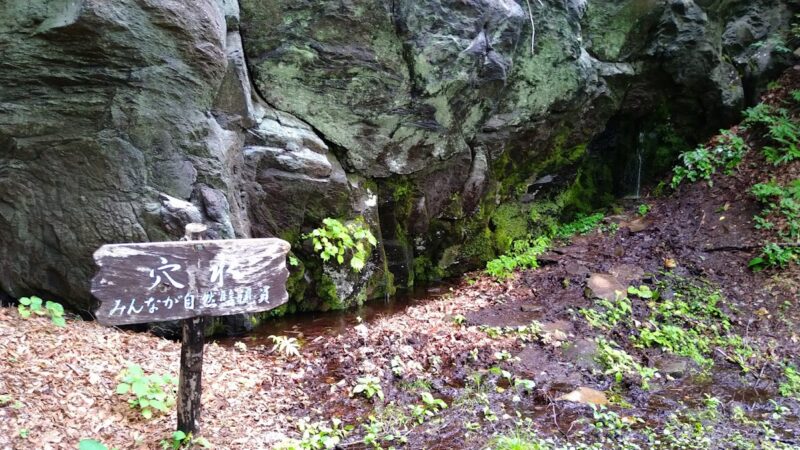
Kōtaka Y Family Shimizu is a historic spring water source located in Nagano Prefecture. This clear water, carefully preserved by local residents over many years, has functioned not merely as a water source but as a central hub of the regional community.
Characteristics of the Spring
Located in the mountainous area of Nagano Prefecture, Kōtaka Y Family Shimizu sources groundwater flowing from the surrounding mountains. It has maintained a stable water volume throughout the year, and with constant water temperature, it has long been utilized as domestic water. The water quality is exceptionally good, containing minerals in balanced proportions. Particularly, it remains cold even in summer and does not freeze easily in winter, making it beloved by local residents throughout all seasons.
Historical Background and Cultural Value
The Y Family and the Spring
The Kōtaka Y family is an old established family in this region that has been deeply involved in the management and preservation of the spring. This family line, said to continue from the Edo period, has managed water rights in the region and played a role in maintaining the spring as a public resource.
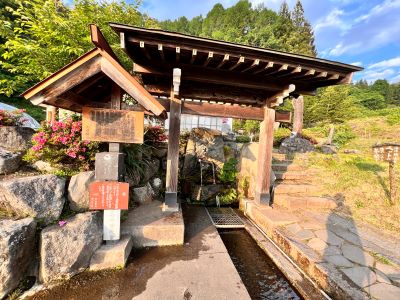
Around the spring, communal washing areas and water drawing stations were once established, functioning as gathering places for local residents. Traces of these can still be seen today, becoming precious heritage that tells the story of the region’s history.
Role in the Region
Kōtaka Y Family Shimizu holds significance beyond being merely a water source. It has served multiple roles: as agricultural water, ensuring access to domestic water, and as a spiritual anchor for the community.
Particularly in times when water shortages were severe, the existence of this spring became a lifeline supporting the region’s livelihood. Even today, it continues to function as an emergency water source for disaster prevention, with its importance unchanged.
Water Quality and Environmental Conservation
Water Quality Characteristics
The water quality of Kōtaka Y Family Shimizu is managed through regular inspections. The pH value is close to neutral, and the hardness is appropriate for drinking. The mineral components contained—such as calcium, magnesium, and potassium—are well-balanced, earning it recognition as healthy water.
The water temperature maintains approximately 12-15 degrees Celsius throughout the year, and the cold water in summer is particularly appreciated by local residents. This stable water temperature reflects the characteristics of water emerging from deep underground, indicating the richness of the water source.
Conservation Activities
Regular cleaning activities by local residents are conducted to protect the water quality and environment of the spring. A preservation society centered on the Y family has been organized, continuously implementing environmental improvements and water source forest protection activities.
In recent years, younger generations have also begun participating in conservation efforts, advancing initiatives to pass down traditional water culture to the next generation. The site is also utilized as an environmental education venue and is used in extracurricular classes at local elementary schools.
Access and Surrounding Information
Access Methods
Access to Kōtaka Y Family Shimizu is relatively easy from major roads within Nagano Prefecture. It is located approximately 20-30 minutes by car from the nearest station.
When using public transportation, you can access it by taking a bus from the nearest station, getting off at a designated bus stop, and walking from there. However, since bus service is limited, it is recommended to check the timetable in advance.
When accessing by private vehicle, setting the destination in a navigation system using nearby major facilities as landmarks is advisable. Since parking space is limited, caution is necessary when visiting.
Precautions When Visiting
Since Kōtaka Y Family Shimizu is a facility closely connected to local residents’ lives, please note the following when visiting:
- Endeavor to keep the area around the spring clean
- Always take trash with you
- Refrain from loud conversations or noise
- Avoid entering private property without permission
- If drawing water, prioritize use by local residents
Nearby Tourist Attractions
Natural Scenery
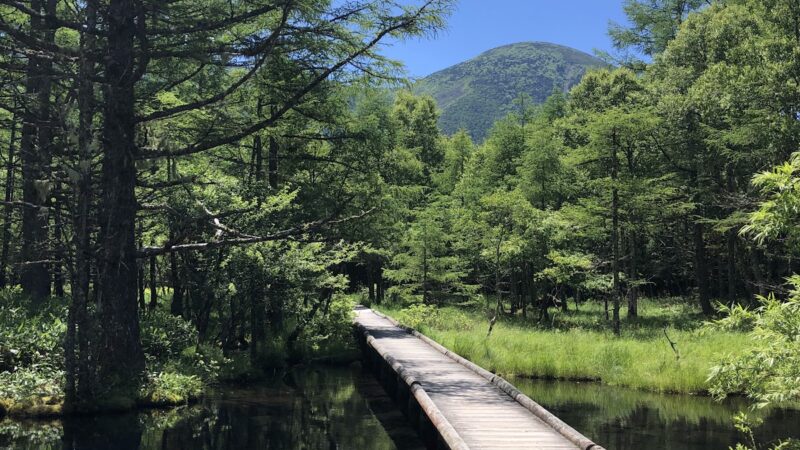
The area surrounding Kōtaka Y Family Shimizu is blessed with abundant nature. You can enjoy scenery that changes with the four seasons; particularly during spring’s fresh greenery and autumn’s colored foliage, beautiful vistas spread out.
Hiking courses have been developed in the surrounding area, allowing visitors to enjoy nature walks after visiting the spring. Bird watching and observation of alpine plants make this area attractive to nature enthusiasts.
Historic Structures
Historic buildings and historical sites are scattered around the spring. The Y family residence and surrounding old houses convey traditional architectural styles of the region to the present day and are highly valued as cultural properties.
Local shrines and temples are also worth visiting. These religious facilities have deep connections with the spring and tell the history of water deity worship.
Local Specialties
The region where Kōtaka Y Family Shimizu is located is known for specialty products that take advantage of clear water. Local sake, miso, and soba noodles are among many foods produced where water quality plays a vital role.
At local farmers’ markets, you can purchase seasonal vegetables, fruits, and processed goods. Agricultural products grown with spring water are deeply flavored and popular with many visitors.
How to Enjoy Each Season
Spring (March-May)
In spring, the area surrounding Kōtaka Y Family Shimizu sees abundant water volume from snowmelt, and the spring’s flow increases. Mountain cherries and alpine plants begin to bloom on surrounding mountains, allowing one to feel nature’s vitality.
This is also the season when agricultural preparations begin, and you can see the spring being actively utilized as agricultural water.
Summer (June-August)
The coldness of the spring is particularly pronounced in summer. On hot days, local residents seeking coolness can be seen around the spring area. Because the water temperature is low, the spring has traditionally been used as a natural refrigerator to cool vegetables and fruits.
At summer dusk, fireflies may sometimes be visible around the spring, creating a magical scene.
Autumn (September-November)
Autumn is the harvest season, when agricultural products grown with spring water come to fruition. The surrounding mountains are dyed in fall colors, and the spectacular sight of autumn leaves reflected in the spring’s transparent water surface is unparalleled.
During this period, harvest festivals and thanksgiving ceremonies are sometimes held in the region, expressing gratitude to the spring.
Winter (December-February)
In winter, the spring continues to flow even as its surroundings are blanketed in snow. The spring flowing continuously amid the harsh cold has long given courage to regional people as a symbol of life force.
The spring in a snow-covered landscape is filled with silence and beauty, making it a popular spot for photography enthusiasts.
Legends and Folk Tales Associated with the Spring
The Legend of the Water Deity
According to ancient legend, a water deity is enshrined at Kōtaka Y Family Shimizu. According to local tradition, in years of drought, this spring alone never dried up and saved villagers.
For this reason, a small shrine has been established near the spring, and thanksgiving festivals to the water deity continue to be held regularly.
The Origin of the Y Family
Several folk traditions remain regarding how the Y family came to settle in this area. One theory holds that they are descendants of a daimyo who fled to this region during the Sengoku period, though no reliable records remain.
However, the history of contributing to regional society through spring management is clear, and their accomplishments are deeply remembered by local people.
Contemporary Significance
The Core of Regional Community
Even in modern times, Kōtaka Y Family Shimizu serves as an important junction point of the regional community. Regional activities and exchange events centered on the spring are held regularly, becoming a gathering place for intergenerational interaction.
As urbanization progresses, maintaining such traditional shared resources holds important meaning in preserving regional identity.
Potential as a Tourism Resource
In recent years, as interest in ecotourism and cultural tourism has grown, regional resources like Kōtaka Y Family Shimizu have attracted attention. From the perspective of sustainable tourism development, the development of tourism programs utilizing the spring and its surrounding environment is also being considered.
However, balancing tourism development with environmental conservation is crucial, requiring efforts to convey the spring’s value to visitors while protecting local residents’ livelihoods.
As a Venue for Environmental Education
Kōtaka Y Family Shimizu serves as a living teaching material for environmental education. It provides numerous learning opportunities including water cycle mechanisms, the importance of water quality preservation, and sustainable use of regional resources.
Beyond school education, environmental learning programs for the general public are also implemented, providing opportunities to reflect on the relationship between water and humans.
Efforts in Conservation and Succession
Preservation Society Activities
The Kōtaka Y Family Shimizu Preservation Society was organized for the purpose of conserving the spring and inheriting its culture. The society implements diverse activities including regular cleaning, water quality testing, and environmental improvements.
The preservation society also focuses on passing technical knowledge and expertise to younger generations, conducting activities to transmit traditional water management methods and traditional water use wisdom to the next generation.
Digital Archiving
Efforts are underway to digitalize historical materials, photographs, and testimonies related to the spring for preservation in future generations. This makes it possible to widely share and preserve the region’s precious cultural heritage.
Online access is now available, allowing people from distant places to experience the history and culture of Kōtaka Y Family Shimizu.
International Water Culture Network
Efforts at Kōtaka Y Family Shimizu have also led to networking with similar water source conservation activities domestically and internationally. The region serves as a model case for sustainable water resource use, sharing traditional water management wisdom.
Message to Visitors
When visiting Kōtaka Y Family Shimizu, please understand that this spring is not merely a tourist spot but a precious resource deeply connected to local residents’ lives.
In the area surrounding the spring, quietly perceive the bounties of nature, and reflect on the water culture that has been preserved throughout long history. When each visitor maintains environmental conservation consciousness, this precious resource can be passed on to future generations.
Conclusion
Kōtaka Y Family Shimizu (Nagano Prefecture) is a precious water source with abundant nature and a long history. Carefully preserved by local residents, this spring holds not only practical value as domestic water but also cultural and spiritual value.
The clear water quality, stable water volume, and its role as the core of the regional community continue unchanged in the present day. Through this spring, visitors can learn about the harmony between humans and nature, the value of traditional water culture, and the importance of sustainable resource use.
Kōtaka Y Family Shimizu and its surrounding region will continue to be cherished and protected by many people as a precious place conveying Japan’s traditional water culture to the present day. When visiting Nagano Prefecture, be sure to visit this historic spring and experience its charm firsthand.