Shimizuhata (Nagano Prefecture) Complete Guide | Access, Tourist Spots, and History Thoroughly Explained
The place name “Shimizuhata” in Nagano Prefecture exists as a designation for historically significant highways and settlements, and in modern times serves as an important geographical indicator for identifying regions. This article comprehensively explains detailed information about Shimizuhata, access methods, surrounding tourist resources, and historical background.
What is Shimizuhata? Location and Overview in Nagano Prefecture
Shimizuhata is a place name that exists within Nagano Prefecture, primarily used historically as a designation for settlements along highways or at the edges of settlements. The place name element “hata” (端) refers to boundaries of settlements or regions, or denotes specific topographical features in Japan’s traditional place name notation.
Nagano Prefecture is located in the Chubu region and is known as a mountainous area that encompasses the Japanese Alps. The prefecture has numerous historically significant highways running through it, including important traffic routes such as the Nakasendo, Hokuriku Highway, and Zenkoji Highway. The place name Shimizuhata likely has deep connections to such highway culture.
Etymology and Meaning of the Place Name “Shimizuhata”
The place name element “Shimizu” (清水) is extremely common throughout Japan. This literally means clear water sources, spring water, clear streams, and so forth, indicating the presence of water resources essential to people’s lives. “Hata” (端) carries meanings of boundary, edge, or outskirts, denoting the peripheral areas of settlements or specific topographical boundaries.
The place name Shimizuhata is thought to mean either “the edge of a place where clear water springs forth” or “the boundary area of the Shimizu region.” In Nagano Prefecture’s mountainous terrain, abundant spring water and clear streams exist in great numbers, and these have historically been important factors in settlement formation.
Geographical Characteristics of Nagano Prefecture and Positioning of Shimizuhata
Nagano Prefecture is located in the central part of Japan and borders eight other prefectures as an inland prefecture. With an area of approximately 13,562 square kilometers, it boasts the nation’s fourth-largest land area. Approximately 80% of the prefecture’s land is covered with forest, and it is one of Japan’s premier mountainous prefectures with mountains exceeding 3,000 meters in elevation stretching across its expanse.
Major Regional Divisions of Nagano Prefecture
Nagano Prefecture is broadly divided into the following regions:
- Hokusin Region: Nagano City, Nakano City, Iiyama City, etc.
- Toshin Region: Ueda City, Saku City, Komoro City, etc.
- Chushin Region: Matsumoto City, Azumino City, Omachi City, etc.
- Nanshin Region: Suwa City, Ina City, Iida City, etc.
Each region has its own history, culture, and industry, and the place name Shimizuhata is closely related to these regional cultures.
Access Methods to Shimizuhata
Access to specific points within Nagano Prefecture varies depending on transportation methods from major cities. Here we explain general access methods to Nagano Prefecture and means of transportation within the prefecture.
Access by Railway
Hokuriku Shinkansen
- Approximately 1 hour 30 minutes from Tokyo Station to Nagano Station
- Approximately 1 hour 10 minutes from Kanazawa Station to Nagano Station
JR Chuo Main Line
- Accessible from the Nagoya region via Matsumoto and Shiojiri
Shinano Railway and Nagano Electric Railway
- Local lines connecting major cities within the prefecture
Access by Automobile
Major Expressways
- Joshinetsu Expressway: From the Kanto region to the Hokusin region
- Chuo Expressway: From the Tokyo and Nagoya regions to the Chushin and Nanshin regions
- Nagano Expressway: Connecting north and south within the prefecture
Since Nagano Prefecture is a mountainous area, caution is necessary regarding snow accumulation and icing during winter. Installation of studless tires and confirmation of road conditions are essential.
Access by Bus
High-speed buses operate from major cities to various locations within Nagano Prefecture:
- From Tokyo and Shinjuku to Nagano, Matsumoto, and Hakuba areas
- From Osaka and Kyoto to Nagano and Matsumoto areas
- From Nagoya to Iida and Ina areas
Local and community buses can also be used for transportation within the prefecture, but since operating frequencies are limited in some areas, advance confirmation is recommended.
Tourist Spots and Points of Interest Around Shimizuhata
Nagano Prefecture possesses abundant tourist resources, and depending on where Shimizuhata is located, access to various tourist spots is possible.
Major Tourist Spots in the Hokusin Region
Zenkoji Temple (Nagano City)
A national treasure temple with Japan’s oldest class of Buddhist statue as its principal image. Approximately 6 million visitors annually make it Nagano Prefecture’s representative tourist destination.
Togakushi Shrine (Nagano City)
An ancient shrine situated at the base of the sacred mountain Togakushi. The approach to the inner shrine is lined with Japanese cedar trees over 400 years old.
Nozawa Onsen (Shimotakai District)
A hot spring resort with 13 public bathhouses. Popular as a ski resort destination in winter.
Major Tourist Spots in the Toshin Region
Ueda Castle (Ueda City)
Known as the castle of the Sanada clan. Famous as a cherry blossom viewing spot.
Karuizawa (Kitasaku District)
A highland resort developed as a summer resort destination. Offers shopping, nature walks, and art museum visits.
Komoro Castle Ruins Kaiko Park (Komoro City)
One of Japan’s 100 Famous Castles. Known as a spot for viewing cherry blossoms and autumn foliage.
Major Tourist Spots in the Chushin Region
Matsumoto Castle (Matsumoto City)
One of the five national treasure castles, with the oldest existing five-story six-tiered tenshu as a wooden structure in Japan. A famous castle renowned for its beautiful black and white contrast.
Kamikochi (Matsumoto City)
A mountain scenic area at the base of the Northern Alps. Picturesque spots including Kappa Bridge, Myojin Pond, and Taisho Pond are scattered throughout.
Azumino (Azumino City)
A region with pastoral scenery overlooking the Northern Alps. Popular for wasabi farms, art museums, and craft workshops.
Major Tourist Spots in the Nanshin Region
Suwa Taisha (Suwa City and Chino City)
The head shrine of approximately 25,000 Suwa shrines nationwide. Known for the Onbashira Festival held once every seven years.
Takatao Castle Ruins Park (Ina City)
A cherry blossom viewing spot called “Japan’s number one cherry blossom.” Approximately 1,500 Takatao Kohigan cherry trees bloom in splendor.
Hirugami Onsen (Shimoina District)
A hot spring representing southern Shinshu. Popular as a stargazing spot.
History of Nagano Prefecture and Highway Culture
To understand the place name Shimizuhata, it is important to know about Nagano Prefecture’s historical background and highway culture.
Nagano Prefecture from Ancient Times through the Medieval Period
The Nagano region was called Shinano Province in ancient times and was an important passage point on the Tosando highway. Zenkoji Temple is said to have been founded during the Asuka period and has long flourished as a center of faith.
During the medieval period, Kiso Yoshinaka raised an army, and during the Warring States period, many military commanders including Takeda Shingen, Uesugi Kenshin, and the Sanada clan were active in the region. The Battle of Kawanakajima is known as one of the most famous battles in Japanese history.
Edo Period Highways and Post Towns
During the Edo period, important highways ran through Nagano Prefecture:
Nakasendo
One of the five highways connecting Edo and Kyoto. Many post towns including Narai-juku, Tsumago-juku, and Magome-juku were established within the prefecture.
Hokuriku Highway
An important alternative route connecting the Hokuriku region and the Nakasendo. It also functioned as a pilgrimage route to Zenkoji.
Koshu Highway
A highway connecting Edo and Kofu. It connected to the Nakasendo via Suwa.
Post towns developed along these highways, and regional economies were activated through the traffic of people. The place name Shimizuhata may have been formed within such highway culture.
Development Since the Modern Era
With the Meiji Restoration’s abolition of feudal domains and establishment of prefectures, Nagano Prefecture was created. The silk-reeling industry became prosperous, and the Suwa region developed into an industrial area called “Switzerland of the East.”
During the Showa period, the tourism industry developed, and when the 1998 Nagano Winter Olympics were held, the prefecture’s international recognition increased. Currently, agriculture, the tourism industry, and precision machinery manufacturing support the prefectural economy.
Natural Environment and Water Resources of Nagano Prefecture
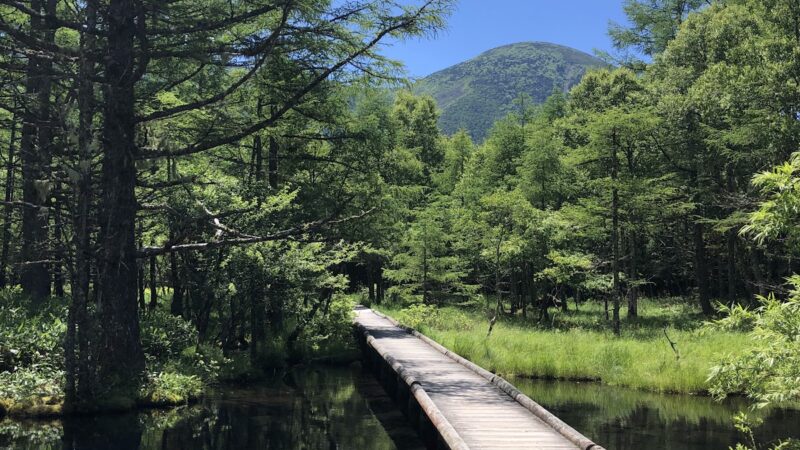
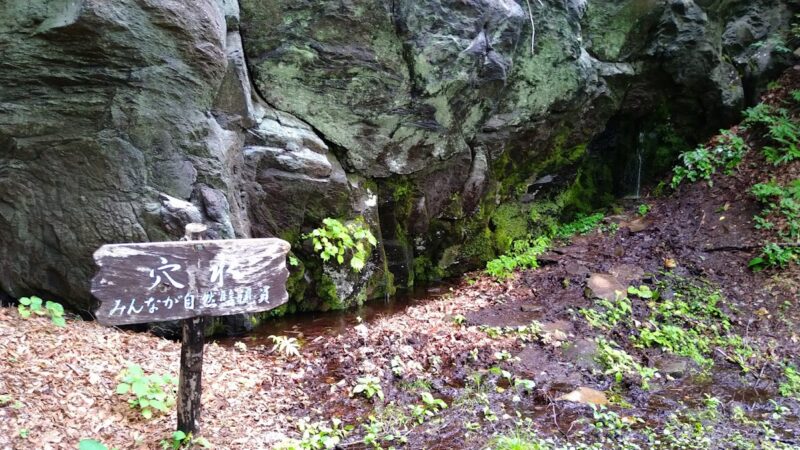
The “Shimizu” (clear water) element in the place name “Shimizuhata” is thought to be deeply related to Nagano Prefecture’s abundant water resources.
Rivers and Water Systems in Nagano Prefecture
Nagano Prefecture is located in the central highlands called “Japan’s roof” and serves as the source region for many rivers:
Chikumagawa (Shinano River) Water System
The upper reaches of the Shinano River, Japan’s longest river. It flows northward through the prefecture into Niigata Prefecture.
Tenryu River Water System
Originating from Lake Suwa, it flows southward and drains into the Pacific Ocean.
Kiso River Water System
Flows through the Kiso Valley and serves as an important water source for the Chubu region.
Sai River and Azusa River Water System
Rivers originating in the Northern Alps and flowing through the Matsumoto Plain.
Spring Water and Famous Waters
Multiple springs and rivers within Nagano Prefecture have been selected as part of the Ministry of the Environment’s “100 Famous Waters”:
- Azumino Wasabi Field Spring Waters (Azumino City)
- Himekawa Source Spring Water (Kitaazumi District)
- Sarugo no Izumi Spring (Iida City)
These clear waters have long supported people’s lives and have become the basis for place names. The place name Shimizuhata likely reflects the presence of such abundant water resources.
Climate and Seasonal Characteristics of Nagano Prefecture
When visiting Nagano Prefecture, it is important to understand the climate characteristics.
Climate Features
Nagano Prefecture has an inland climate with the following characteristics:
- Large daily temperature differences: Particularly in summer, differences of 10°C or more between daytime and nighttime can occur
- Relatively low precipitation: Located between the Pacific and Japan Sea sides, annual precipitation is lower than the national average
- Winter snowfall: Particularly in the northern and mountainous areas, heavy snow regions exist
- Long sunshine hours: High clear-day rates, especially with many clear days in winter
How to Enjoy the Four Seasons
Spring (March to May)
- Cherry blossom blooming: Takatao Castle Ruins Park, Matsumoto Castle, Garyu Park, etc.
- Remaining snow on the Alps: Landscapes of mountains beginning snow melt
- Mountain vegetable gathering: Depending on the region, various wild vegetables can be harvested during this period
Summer (June to August)
- Cooling off: Karuizawa, Kamikochi, and other high-elevation areas offer refreshing comfort
- Mountaineering and trekking: Northern Alps, Southern Alps, Yatsugatake, etc.
- Alpine flowers: Peak season for alpine plants such as Nikko Kisuge and Komaaksa
Autumn (September to November)
- Autumn foliage: Kamikochi, Karasawa, Shigakogen, etc., among Japan’s finest autumn foliage spots
- New buckwheat: Shinshu buckwheat noodle new season
- Apple picking: Nagano Prefecture is one of Japan’s leading apple-producing regions
Winter (December to February)
- Skiing and snowboarding: Hakuba, Shigakogen, Nozawa Onsen, and many other ski areas
- Hot springs: Snow-viewing hot spring bathing is possible
- Ice waterfalls and tree ice: Natural phenomena unique to the severe cold season
Specialty Products and Food Culture of Nagano Prefecture
When visiting Nagano Prefecture, tasting regional specialty products and local cuisine is one of the pleasures.
Representative Specialty Products
Shinshu Soba
A food culture representing Nagano Prefecture. Togakushi soba, Sarashina soba, and Kaida soba each have regional characteristics.
Apples
Nagano Prefecture boasts Japan’s second-largest apple production after Aomori Prefecture. Varieties such as “Fuji,” “Shinano Gold,” and “Akiemi” are particularly famous.
Grapes and Wine
Shiojiri City and Tomi City are known as wine-producing regions with many wineries.
Nozawa Greens
A representative pickle of Nagano Prefecture, said to have originated in Nozawa Onsen Village.
Shinshu Miso
A dry rice miso holding a high market share nationwide.
Local Cuisine
Oyaki
A local dish made by wrapping vegetables or wild plants in wheat flour dough and baking (or steaming) it.
Gohei Mochi
Rice shaped onto a stick and flattened, then brushed with a miso-based sauce and grilled.
Basashi
Horse meat sashimi, with Nagano Prefecture having high consumption of horse meat, allowing for fresh basashi to be enjoyed.
Zankoku Yaki
Chicken marinated in a soy sauce-based sauce with garlic and deep-fried; a specialty of the Matsumoto region.
Shinshu Salmon
A brand fish developed in Nagano Prefecture. A hybrid of rainbow trout and brown trout.
Practical Information for Visiting Nagano Prefecture Including Shimizuhata
Practical information for visiting Nagano Prefecture is summarized here.
Lodging Facilities
Various types of lodging facilities exist throughout Nagano Prefecture:
- Hot spring inns: Nozawa Onsen, Shirahone Onsen, Shibu Onsen, etc.
- Resort hotels: Karuizawa, Hakuba, etc.
- Business hotels: Major cities such as Nagano City and Matsumoto City
- Private inns and pensions: Numerous in tourist areas and highland regions
- Campgrounds: Many operate during the summer season
Tourist Season and Congestion
High Season
- Golden Week (late April to early May)
- Obon period (mid-August)
- Autumn foliage season (October to early November)
- Year-end/New Year and ski season (late December to March)
During these periods, lodging facilities and tourist spots become congested, so early reservations are recommended.
Off-Season
- Rainy season (June)
- Late autumn (late November to early December)
During off-season, areas are relatively uncrowded, allowing for leisurely sightseeing.
Precautions
Elevation and Temperature
Nagano Prefecture has many high-elevation areas with lower temperatures than lowlands. Particularly during early morning and evening, prepare with outerwear.
Bear Countermeasures
Bears inhabit mountainous areas. When mountaineering or hiking, carry a bear bell, and avoid solo activities during early morning and dusk hours.
Winter Road Conditions
From November through April, there is potential for snow accumulation and icing. Preparation of studless tires or chains is necessary.
Altitude Sickness
At high elevations, there is risk of altitude sickness. Make efforts to stay hydrated and avoid sudden elevation changes.
Culture and Traditional Events of Nagano Prefecture
Nagano Prefecture has numerous unique cultures and traditional events.
Major Festivals and Events
Onbashira Festival (Suwa Taisha)
Held once every seven years (in the Year of the Tiger and Year of the Monkey), this is Suwa Taisha’s most grand annual festival. Giant logs are hauled from mountains and erected at the four corners of the shrine in this magnificent festival.
Zenkoji Gokaicho
Held once every seven years, this is Zenkoji’s largest event. The statue serving as a stand-in for the secret principal image is made public.
Nagano Ebisu Lecture Fireworks Display
A fireworks display held in Nagano City in November. Pyrotechnics specialists from across the nation compete in skill.
Matsumoto Bonbon
A citizens’ festival held on the first Saturday of August in Matsumoto City. Dancing parades move through the city streets.
Traditional Crafts
Kiso Lacquerware
Lacquerware produced in the Kiso region. It has over 400 years of history.
Shinshu Tsumugi
Silk fabrics woven in various locations including Ueda tsumugi and Iida tsumugi.
Uchiyama Paper
Japanese paper made in Iiyama City. Designated as an important intangible cultural property.
Matsumoto Furniture
Traditional furniture-making techniques of the Matsumoto region.
Modern Significance of the Place Name Shimizuhata
In modern times, historical place names like Shimizuhata serve as important elements indicating regional identity and continuity of culture.
Importance of Place Name Preservation
In recent years, a tendency toward loss of traditional place names has emerged due to municipal mergers and urban development. However, place names contain the following important information:
- Topographical characteristics: Information about water sources, mountains, valleys, and other natural environments
- Historical background: The origins of settlements and historical events
- Cultural context: Regional beliefs, industries, and lifestyles
- Disaster information: Memories of past floods, landslides, and other natural disasters
The place name Shimizuhata may transmit important regional information such as the presence of clear water sources and the positional relationships of settlements.
Regional Research and Place Names
Place name research (toponymy) is a discipline that, through interdisciplinary approaches involving history, geography, folklore, and linguistics, deepens comprehensive understanding of regions. Detailed investigation of place names such as Shimizuhata may yield insights such as:
- The history of water utilization from ancient times
- Patterns of settlement formation
- Relationships with highways
- The progression of regional industrial development
Sustainable Tourism and Regional Revitalization in Nagano Prefecture
Efforts to develop “sustainable tourism” that protects the natural environment while advancing the tourism industry are underway in Nagano Prefecture.
Promotion of Ecotourism
In Kamikochi, private vehicle regulations reduce environmental impact, with access limited to shuttle buses and taxis. Additionally, efforts to protect the natural environment are being carried out, such as maintenance of hiking trails and installation of eco-toilets at mountain lodges.
Utilization of Regional Resources
In each region, tourism development utilizing region-specific resources is advancing:
- Agricultural experience tourism: Apple picking, buckwheat noodle-making experiences, etc.
- Traditional craft experiences: Lacquerware making, silk weaving, etc.
- Wine tourism: Winery tours, vineyard visits
- Cycle tourism: Cycling routes enjoying beautiful scenery
Cooperation with Local Communities
Cooperation with local residents is indispensable to tourism promotion. In Nagano Prefecture, initiatives promoting interaction between local communities and tourists are being carried out, such as the “local guide” system where residents serve as guides and promotion of farm stays.
Conclusion: Shimizuhata and the Charm of Nagano Prefecture
The place name Shimizuhata is an important cultural heritage that conveys to the present the abundant water resources of Nagano Prefecture and the circumstances of historically significant settlement formation. Nagano Prefecture is a region with diverse attractions including majestic nature, rich historical culture, delicious food, and hot springs.
Visitors can achieve deeper understanding of the region and more fulfilling travel experiences not merely by visiting tourist spots but by learning about the etymology and historical background of place names. I hope you will enjoy Nagano’s nature and culture while considering the meanings embedded in each place name like Shimizuhata.
Nagano Prefecture displays different faces with each change of season. Spring cherry blossoms, summer highlands, autumn foliage, and winter snowy landscapes each offer new discoveries whenever visited. Additionally, the different culture, dialects, and food culture in each region are among the attractions.
As exemplified by the place name Shimizuhata, many historical and cultural place names remain in Nagano Prefecture. These place names are precious assets that tell the story of our ancestors’ life wisdom and history of coexistence with nature. We who live in the modern age bear the responsibility of carefully preserving these place names and passing them on to future generations.
When visiting Nagano Prefecture, look not only at famous spots listed in tourist guidebooks but also at place name origins and regional history. Doing so will make your journey deeper and richer. I hope you will rediscover Nagano Prefecture’s charm from the single place name of Shimizuhata.