Complete Guide to Owada Spring Water (Nagano Prefecture) | The Charm of Okaya City’s Famous Water, Access Information, and Water Quality Details
Owada Spring Water, located in Okaya City, Nagano Prefecture, is precious natural water that springs forth along the shores of Lake Suwa. This spring water, cherished by local residents for many years, is also utilized as a water source for Okaya City’s tap water system, and its clear water quality continues to captivate many people.
In this article, based on on-site research, we provide detailed information ranging from the historical background of Owada Spring Water to its water quality characteristics, access methods, and precautions when taking water home.
What is Owada Spring Water? A Natural Gift of Okaya City
Basic Information about Owada Spring Water
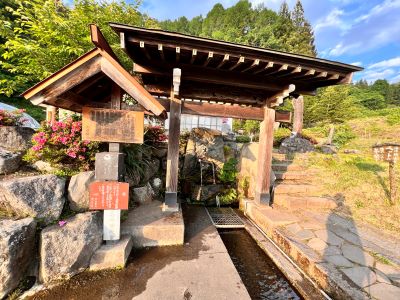
Owada Spring Water (小和田湧水, Kowada Yuusui) is natural spring water located in the Owada district of Okaya City, Nagano Prefecture. Positioned near the southern shore of Lake Suwa, it has a history of being utilized as domestic water for the region since ancient times.
Currently, it continues to be used as one of Okaya City’s water supply sources, serving as an important water resource supporting citizens’ lives. According to materials from Okaya City’s Water Supply Division, it is classified as the Odai Water Source and is incorporated into the city’s water supply system as a spring water-type source.
History Remaining at the Former Boat Landing on Lake Suwa’s Shore
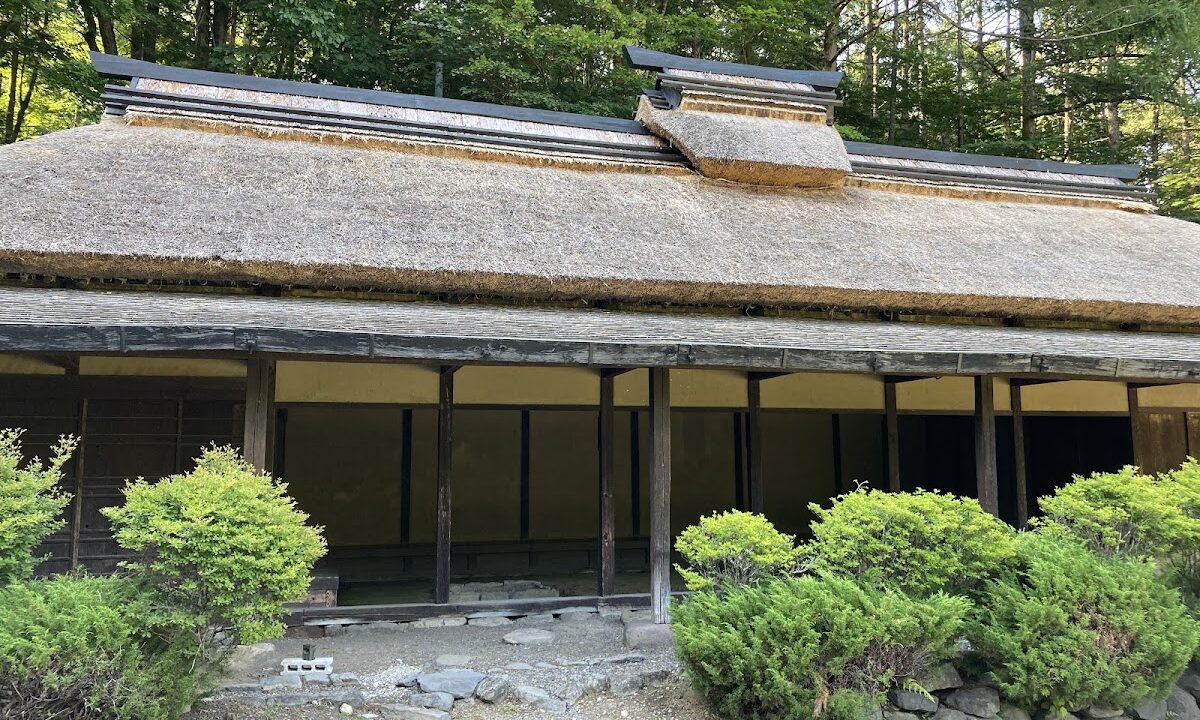
The Owada district was once a prosperous boat landing during the era when water transportation on Lake Suwa was flourishing. From the Edo period through the Meiji period, cargo transportation utilizing Lake Suwa was conducted, with Owada serving as one of its important hubs.
Clear spring water flowed around the boat landing area, serving as a precious water source that quenched the thirst of boatmen and travelers. Even today, while retaining traces of this history, it remains beloved by local residents.
Water Quality Characteristics of Owada Spring Water | The Secret of Safety and Deliciousness
Water Quality Data and Component Analysis of Spring Water
Owada Spring Water undergoes rigorous water quality management as a water source for Okaya City. Based on Okaya City’s Water Safety Plan, regular water quality inspections are conducted to ensure safety.
As a characteristic of the spring water, impurities are minimal due to natural filtration during passage through underground layers, maintaining clear water quality. Due to geological characteristics of the Suwa region, it is said to possess the properties of soft water to moderately hard water with well-balanced mineral components.
Role as a Water Source for Okaya City’s Water Supply
Okaya City’s water supply system consists of multiple water sources. The Odai Water Source (Owada Spring Water) supports stable water supply to citizens along with the following water sources:
- Hanaoka Water Source: Groundwater
- Odai Water Source: Spring Water (Owada Spring Water)
- Kosaka Water Source: Spring Water
- Desaki First Water Source: Groundwater
- Desaki Second Water Source: Groundwater
- Koikawa Second Water Source: Groundwater
- Katama Town Water Source: Groundwater
These water sources, while leveraging their respective characteristics, are supplied to citizens as tap water in Okaya City. While spring water-type sources are more susceptible to seasonal fluctuations compared to groundwater, they have the advantage of maintaining high water quality through natural filtration processes.
Water Safety and Quality Management System
Okaya City implements comprehensive water quality management based on its water safety plan. Appropriate monitoring and management are conducted at each stage from water source to tap, with the following measures implemented:
- Regular Water Source Monitoring: Daily checks of spring water volume, water temperature, appearance, and other factors
- Water Quality Testing: Testing system including legally required inspection items plus original inspections
- Facility Management: Appropriate maintenance of water purification facilities
- Crisis Management: Establishment of rapid response systems for abnormal situations
Through such multi-layered safety management, Okaya City’s tap water, including Owada Spring Water, maintains high safety and quality standards.
Access Methods to Owada Spring Water and Surrounding Environment
Detailed Location and Access Information
Location: Owada District, Okaya City, Nagano Prefecture
Access by Car:
- Approximately 10 minutes from “Okaya IC” on the Chuo Expressway
- From National Route 20 along Lake Suwa toward the Owada district
- Parking: Public parking spaces available in the surrounding area (confirmation required)
Access by Public Transportation:
- Approximately 5 minutes by car from “Okaya Station” on the JR Chuo Main Line
- When using bus services, head toward the Owada area via the Okaya City Loop Bus
Nearby Tourist Spots and Combination Plans
Several charming tourist attractions of the Suwa region are scattered around Owada Spring Water.
Lake Suwa:
Lake Suwa, located within walking distance from the Owada district, is known as Shinshu’s largest lake. With a circumference of 15.9 km and an area of 13.3 km², the vast water surface is ideal for walking, jogging, and cycling. Promenades are developed along the lakeshore, allowing visitors to enjoy seasonal scenery.
Lake Suwa Sightseeing Boat:
The sightseeing boat departing from the first floor of the Suwa Chamber of Commerce and Industry (14-7 Kowada-minami, Suwa City) offers a scenic circumnavigation course of approximately 25 minutes. The route passes Hatsu Island and waters off the Shimosuwakzak Pier, touring the Okaya area, with views from the lake being exceptional.
Recommended Itinerary:
- Morning: Water collection at Owada Spring Water
- Afternoon: Stroll along Lake Suwa’s shore
- Evening: Lake Suwa sightseeing boat cruise
Seasonal Visiting Points
Spring (March to May):
The season when cherry blossoms along Lake Suwa’s shore are beautiful. After visiting the spring water, a leisurely walk through the cherry blossom-lined paths along the lake is recommended. Water temperature stabilizes during this period, making it suitable for water collection.
Summer (June to August):
The Suwa Lake Festival Fireworks (August) period sees increased visitors. The coolness of the spring water is pleasant during this season, though early morning visits are recommended.
Autumn (September to November):
The season when fall foliage in the Suwa region is beautiful. Spring water quality is stable, and the surrounding scenery is enjoyable—an ideal time to visit.
Winter (December to February):
The “Omiwatari” phenomenon on Lake Suwa may be visible. While spring water is unlikely to freeze, cold-weather precautions are essential.
Methods for Taking Home Owada Spring Water and Precautions
Basic Etiquette for Water Collection and Preparation
When taking Owada Spring Water home, observe the following basic etiquette:
Items to Prepare:
- Clean containers (plastic bottles or water tanks)
- Water for rinsing containers
- Towels or cloths
- Gloves (if necessary)
Water Collection Procedure:
- Pre-rinse the container beforehand
- Rinse the container again at the site
- Quietly collect the spring water
- Keep the surrounding area clean
- Remember to be considerate of other users
Important Points Regarding Sanitary Management and Storage Methods
Proper sanitary management is necessary to safely use spring water.
Precautions When Taking Water Home:
- Transport collected water avoiding direct sunlight
- Refrigerate as soon as possible
- Boiling before consumption is recommended
- Plan storage duration at approximately 2-3 days in refrigeration
Usage Beyond Drinking:
Spring water can be utilized not only for drinking but also for:
- Tea and coffee brewing
- Rice cooking water
- Cooking soups and simmered dishes
- Watering houseplants
Legal Regulations and Confirmation of Regional Rules
Since Owada Spring Water is utilized as a water source for Okaya City’s tap water system, the following points require attention:
Items to Confirm:
- Designation status of water source protection areas
- Presence or absence of water extraction limits
- Confirmation of restricted entry areas
- Local customs and rules
Before collecting water, it is recommended to confirm the latest information through Okaya City’s Water Supply Division or information boards in the area. Mindful and restrained usage should be practiced from the perspective of water source protection.
Other Water Sources and Spring Water Culture in Okaya City
Water Source Network of Okaya City
Okaya City has established a stable water supply system combining multiple water sources. Beyond Owada Spring Water (Odai Water Source), the following water sources support citizens’ lives:
Characteristics of Groundwater Sources:
Groundwater sources such as Hanaoka Water Source, Desaki First and Second Water Sources, Koikawa Second Water Source, and Katama Town Water Source maintain stable water volume and quality throughout the year. The filtration effect through geological layers provides clean water.
Characteristics of Spring Water Sources:
Spring waters such as Odai Water Source (Owada Spring Water) and Kosaka Water Source maintain high water quality through natural filtration. However, they are subject to fluctuations due to precipitation and seasons, making combination with other sources essential.
Comparison with Famous Waters in Nagano Prefecture
Nagano Prefecture is known for numerous spring waters designated as “Shinshu’s Famous Waters and Hidden Waters.” Multiple water sources from the prefecture have been selected for the Ministry of the Environment’s “Famous Waters of the Showa Era” and “Famous Waters of the Heisei Era.”
Famous Waters of the Heisei Era (Nagano Prefecture):
- Matsumoto Castle Town Spring Water Groups (Matsumoto City)
- Kannon Sacred Spring Water (Other areas)
Compared to these famous waters, Owada Spring Water is characterized by combining practical utility as a water source with regional historical significance. Unlike spring waters that have become tourist destinations, it quietly fulfills its role as spring water intimately connected to local residents’ daily lives.
Water Culture and History of the Suwa Region
The Suwa region has cultivated rich water culture centered on Lake Suwa. Located at an elevation of 759 meters, Lake Suwa forms a regional water circulation system through rivers flowing from surrounding mountains and underground water veins.
History of Suwa’s Water Transportation:
From the Edo period through the Meiji period, Lake Suwa was an important water transportation route. Goods such as rice, miso, and soy sauce were transported via the lake, with the Owada district functioning as one of its hubs. Spring water was highly valued as a precious drinking water source for boatmen.
Community Initiatives Using Owada Spring Water
Water Source Protection Activities and Citizen Participation
Okaya City conducts citizen-participatory water source protection activities to protect precious water resources. Cleaning activities around water source areas and awareness activities for water quality preservation are continuously implemented through community-wide efforts.
Water Source Protection Actions Citizens Can Take:
- Participation in cleaning activities around water source areas
- Effective utilization of water resources through water conservation
- Appropriate treatment of household wastewater
- Acquisition of knowledge regarding water quality preservation
Application Cases in Educational Settings
Local elementary and junior high schools implement environmental education in which students learn about Owada Spring Water and Okaya City’s water sources. Students visit actual water sources, learning about water circulation and water quality management, thereby cultivating their environmental consciousness.
Content of Educational Programs:
- Implementation of water source observation tours
- Experiential learning in water quality testing
- Lessons on how tap water is produced
- Lectures on the importance of water resource protection
Natural Environment and Ecosystem Around Owada Spring Water
Biodiversity Nurtured by Spring Water
Clear spring water plays an important role in supporting the surrounding ecosystem. Aquatic plants, aquatic insects, small fish, and diverse organisms thrive through the benefits of spring water.
Observable Organisms:
- Aquatic Plants: Watercress, Japanese parsley, and others
- Aquatic Insects: Mayfly and Caddisfly larvae, among others
- Amphibians: Frog species
- Birds: Kingfishers, Herons, and others
These organisms also serve as indicators of water quality, testifying to the health of the spring water.
Water Circulation System with Lake Suwa
Owada Spring Water constitutes part of a broad water circulation system centered on Lake Suwa. Rain and snowmelt from surrounding mountains infiltrate underground, becoming spring water through prolonged filtration and re-emergence at the surface.
Subsequently flowing into Lake Suwa, it ultimately reaches the Pacific Ocean through the Tenryu River. This water circulation is an indispensable system for maintaining the region’s natural environment.
Practical Guide for Enjoying Owada Spring Water
Checklist for First-Time Visitors
For those visiting Owada Spring Water for the first time, we have compiled a checklist from preparation through visitation.
Pre-Visit Preparation:
- [ ] Check weather forecast (note footing during rain)
- [ ] Confirm latest information on Okaya City Water Supply Division website
- [ ] Prepare clean containers
- [ ] Wear comfortable clothing and footwear
- [ ] Prepare towels or cloths
On-Site Confirmation:
- [ ] Confirm information boards and warnings
- [ ] Check surrounding safety
- [ ] Show consideration for other users
- [ ] Visual confirmation of water quality (check for cloudiness or unusual odors)
After Bringing Water Home:
- [ ] Promptly refrigerate
- [ ] Boil before consumption
- [ ] Rinse used containers
- [ ] Properly dispose of any remaining water
Recommended Ways to Enjoy It According to Local Residents
Morning Water Collection Routine:
Local residents often visit to collect water in the early morning. Quiet early hours see fewer people, allowing leisurely water collection. Additionally, one can begin the day while enjoying fresh morning air and Lake Suwa’s scenery.
Combination with Seasonal Flavors:
Spring mountain vegetables, summer cold soba, autumn mushroom dishes, winter hot pots—incorporating Owada Spring Water in preparing Shinshu’s seasonal delicacies enhances flavor.
Photography Points:
The spring water landscape with Lake Suwa in the background displays varied expressions throughout the four seasons. Particularly during sunrise and sunset hours, opportunities for beautiful photography abound.
Future Prospects and Challenges for Owada Spring Water
Toward Sustainable Water Resource Management
Water resources face changing circumstances due to climate change-induced shifts in precipitation patterns and urban development. To pass Owada Spring Water to future generations, the following initiatives are important.
Long-term Challenges:
- Preservation of water source forests
- Continuous monitoring of groundwater levels
- Basin management for water quality preservation
- Consideration of adaptation strategies to climate change
Enhanced Value as a Regional Resource
Owada Spring Water is not merely a water source but also a precious resource conveying regional history and culture. Initiatives improving its multi-faceted value—such as utilization as a tourism resource and development as an environmental education venue—are anticipated.
Future Possibilities:
- Development of water source observation tours
- Information dissemination linking regional history
- Strengthened coordination with other tourist resources
- Application to ecotourism
Summary: Passing the Charm of Owada Spring Water to the Next Generation
Owada Spring Water is a precious water resource of which Nagano Prefecture’s Okaya City is proud, and an entity conveying the region’s history and culture to the present day. This clear water, gushing forth at the former boat landing on Lake Suwa’s shore, has supported people’s lives since the Edo period.
Currently, as a water source for Okaya City’s tap water supply, it serves citizens’ lives under rigorous water quality management. Through spring water’s natural filtration properties, safe and delicious water continues to be supplied.
When visiting, it is important to respect water source protection etiquette and practice restrained usage. Additionally, combining exploration with nearby Lake Suwa and other tourist attractions allows for more fulfilling experiences.
While benefiting from Owada Spring Water’s blessings, protecting this precious water resource and passing it to future generations is the responsibility of those living in the present age. We invite you to experience, at least once, the clear water nurtured by Shinshu’s abundant nature.
Through cooperation from local residents and understanding from visitors, Owada Spring Water will continue to shine as a treasure of the Suwa region. When visiting Okaya City, why not visit this historically significant spring water and experience Shinshu’s water culture firsthand?